


Inflammation is not a disease but the body's way of healing: when tissue is damaged or attacked, the blood vessels widen, fluid and immune cells flood in, the area becomes warm, red, swollen and tender and works less well, damaged tissue is cleared away and new tissue is built. Without inflammation neither a wound, a muscle tear nor an infection heals. The problem is when it goes wrong: too strong (an acute injury that swells heavily), too prolonged (rheumatism, bowel diseases, psoriasis, where the immune system attacks the body's own tissue), or low-grade and silent, a weak but constant activation measured as slightly raised CRP and linked over years to cardiovascular disease, type 2 diabetes, pain and fatigue; it is driven by abdominal fat, sitting, poor sleep, long-term stress, smoking, alcohol and a diet high in sugar and ultra-processed food. And a misunderstanding that steers a lot of self-care wrong: what is called tendinitis (tennis elbow, Achilles tendinitis, jumper's knee) is, in most long-standing cases, not inflammation at all but an overloaded, weakened tendon (tendinopathy) that needs load, not rest and anti-inflammatories. Cupping is not anti-inflammatory in the medical sense; it increases blood flow and mobility in tissue stuck in protective tension, which helps healing at the right stage and is wrong in the acute, warm and swollen phase. Here is how to tell the types apart and what helps each one.
Four kinds of inflammation, four different approaches
| Type | Recognised by | What helps |
|---|---|---|
| Acute inflammation after injury (sprain, muscle tear, blow, overloaded bursa) | Comes within hours, warm, red, swollen, tender, reduced function; settles in days to a week | Let it work: protect, compress, elevate, move gently early (PEACE & LOVE); avoid anti-inflammatory tablets and ice in the first days unless you must, they slow healing; no cupping and no heat until the warmth and swelling have settled. See muscle strain and sprained ankle |
| Inflammation with infection (cold, wound infection, erysipelas, joint infection) | Fever, feeling ill, a warm red area that spreads, swollen lymph nodes | Rest, fluids, a doctor for spreading redness, high fever or a swollen warm joint; no cupping, massage or training during an active infection. See exercising with a cold |
| Chronic inflammatory disease (rheumatoid arthritis, psoriatic arthritis, axial spondyloarthritis, inflammatory bowel disease) | Joint swelling and warmth without injury, morning stiffness over an hour, several joints, night back pain eased by movement, fatigue, sometimes fever and weight loss | Assessment and treatment via your doctor and a rheumatologist; self-care with movement, strength, diet and sleep as a complement; cupping only on muscles around quiet joints, never on a warm, swollen joint. See rheumatism and joint pain |
| Low-grade (silent) inflammation | No clear symptoms, sometimes fatigue, aches, poorer recovery; measured as slightly raised CRP in a blood test | Lifestyle: movement, sleep, abdominal fat, diet, stopping smoking, stress; see below. No supplements or "anti-inflammatory cures" have shown effect anywhere near that level |
"Inflammation in the muscle": what it usually is
A muscle that hurts, is tender and stiff is rarely inflamed in the medical sense. The common causes are muscle soreness (micro-damage and a brief, useful inflammatory response that heals in two to three days; muscle soreness), tension and trigger points (muscles that don't relax, often from static work and stress; muscle aches), muscle tear (acute, with real inflammation in the first days), or referred pain from a nerve or joint. True muscle inflammation (myositis) is uncommon: then the muscle is weak rather than tender, often on both sides (thighs, upper arms), with fatigue and sometimes a rash or fever, and should be investigated with blood tests (CK, CRP). Very tender, swollen muscles with dark urine after extreme exertion is rhabdomyolysis and an emergency. For the common causes: movement, heat, strength and cupping help; rest and anti-inflammatory tablets rarely do.
"Tendinitis" that usually isn't inflammation
Tennis elbow, golfer's elbow, Achilles tendinitis, jumper's knee, heel spur and shoulder tendons are called inflammations out of old habit, but tissue samples almost never show inflammatory cells in tendons that have hurt for more than a few weeks. It is instead tendinopathy: a tendon loaded more than it has had time to adapt to, which has responded with disorganised collagen fibres, ingrowth of small vessels and nerves and reduced strength. That explains why rest makes the tendon weaker, why cortisone relieves briefly but worsens long term, and why what works is gradual, heavy and slow loading of the tendon for twelve weeks or more (eccentric calf raises for the Achilles, slow squats for jumper's knee, wrist curls for tennis elbow). Acute tenosynovitis (warm, swollen, crackling on movement, often in the wrist after unusual load) is, however, a real inflammation that should be offloaded for a few days. In tendinopathy cupping is used on the muscle above the tendon, which is almost always short and tight and pulls on the tendon attachment, not on the tendon itself in the acute stage; read tennis elbow, Achilles tendinopathy and heel spur.
Low-grade inflammation: what measurably lowers it
| Measure | Effect and how |
|---|---|
| Regular movement | Every muscle contraction releases anti-inflammatory signalling molecules; 150 minutes of moderate activity and two strength sessions a week lower CRP measurably within months. Very hard training without recovery raises it instead |
| Abdominal fat | The fat around the organs produces inflammatory substances around the clock; five to ten per cent weight loss when overweight clearly lowers inflammatory markers; a waist under 94 cm (men) and 80 cm (women) as a guide |
| Sleep | Under seven hours and fragmented sleep raise inflammation after just a few nights; untreated sleep apnoea is a strong driver. See sleep problems |
| Diet | More vegetables, legumes, fish, nuts, olive oil and whole grains, less sugar, white flour, cured meats and ultra-processed food; it is the pattern that counts, not individual "superfoods", turmeric or supplements |
| Smoking and alcohol | Stopping smoking lowers inflammation within weeks; alcohol above moderate levels raises it and worsens sleep |
| Stress | Long-term stress keeps cortisol and inflammation up; daily winding down, vagus exercises, nature, social contact. See stress |
| Oral health | Periodontitis and gum inflammation are an underestimated source of chronic inflammation; floss and a dental hygienist |
| Sauna and cold | Regular sauna is linked to lower inflammatory markers in population studies; cold plunges give acute dampening but the long-term effect is uncertain. See sauna and cold plunges |
A CRP test at your doctor's shows where you stand (under 3 mg/l is low; 3–10 low-grade raised if there is no infection); it isn't a test you need if you feel well, but worth taking with unexplained fatigue, aches or when you suspect inflammatory disease.
Anti-inflammatory tablets: when they help and when they hinder
Ibuprofen, naproxen and diclofenac dampen pain and swelling by inhibiting inflammation, and are good short term (a few days) for acute pain that stops you moving, period pain, migraine and inflammatory flares. They hinder when used to keep overloading a tendon, in the first days after a muscle tear or sprain (healing needs the inflammation), in tendinopathy (no inflammation to dampen) and with long-term use (stomach ulcers, kidneys, blood pressure, heart). Gel on the skin gives local effect with fewer side effects for osteoarthritis and superficial problems. Paracetamol dampens pain without affecting inflammation and is often a better choice for being able to move in the first days. Cortisone injections dampen strongly but weaken tendons and shouldn't be repeated many times. Ask your doctor with blood thinners, kidney disease, stomach ulcers or cardiovascular disease.
What cupping does, and doesn't do, for inflammation
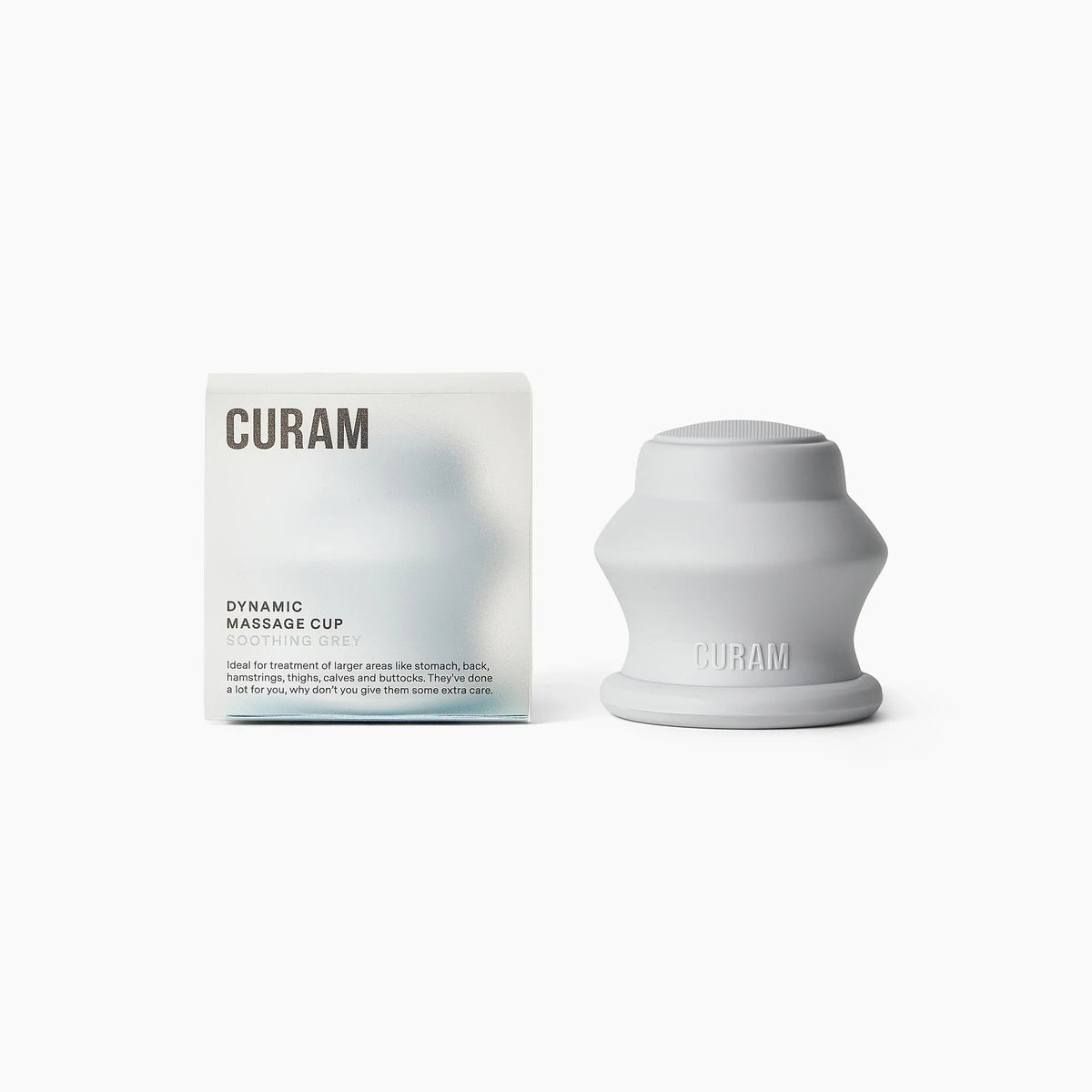
Cupping is not anti-inflammatory in the medical sense, and it should not be used to "draw out inflammation"; there is nothing of the kind to draw out. What it does is mechanical: the suction lifts skin and fascia, strongly increases local blood flow for a while, mobilises fluid toward the lymphatic system and releases tissue stuck in protective tension after injury or long-standing pain. That is valuable in the healing phase and with long-standing problems: once a tear has stopped swelling, in tendinopathy on the muscle above the tendon, in chronic muscle tension, and around (never on) a quiet joint in osteoarthritis or rheumatism. It is wrong in acute inflammation: a warm, red, swollen area (an injury in the first days, an infection, an inflamed bursa, a rheumatic flare) gets worse from increased blood flow and suction. The rule of thumb: warm and swollen = no cup; stiff, tight and cold = cup. The rules in practice:
- Wait until warmth, redness and increasing swelling are gone (usually 3–7 days after an injury) and never during fever or infection.
- Start around the area with the dynamic cup and oil on light suction, strokes toward the nearest lymph node station, 1–2 minutes, to drain; then over the area itself once it is pain-free to pressure.
- With tendon problems: cup the muscle above the tendon (forearm for tennis elbow, calf for the Achilles, front thigh for jumper's knee), not the tendon attachment, and follow with the loading exercise that heals the tendon.
- With chronic tension and aches: static cups for 3–5 minutes on the most tender points and dynamic cupping along the muscle, two to three times a week; see muscle aches.
- With rheumatic disease and osteoarthritis: only on the muscles around quiet joints, never on a warm and swollen joint, and in consultation with a doctor if you take biological drugs or blood thinners.
The cupping marks (round redness that turns blue-red) are superficial bleeding from the suction, not "drawn-out inflammation" or "toxins"; darker marks mean stronger suction or thinner skin, nothing else. More in cupping – the complete guide and when to avoid cupping.
Frequently asked questions
How do I know if I have inflammation in my body?
Acute inflammation is visible and palpable: warm, red, swollen, tender and reduced function, often with fever in infection. Chronic inflammatory disease gives joint swelling without injury, morning stiffness over an hour, night back pain eased by movement and fatigue. Low-grade inflammation gives no clear symptoms and is measured by CRP at your doctor's; take the test for unexplained fatigue or aches, not because you feel well.
What helps inflammation in muscles and tendons?
For an acute injury: protect, compress, elevate and start moving gently, without anti-inflammatory tablets in the first days. For long-standing tendon problems: gradual heavy loading for twelve weeks, not rest or cortisone, because it isn't inflammation but an overloaded tendon. For muscle aches and tension: movement, heat, strength and cupping. For a warm, swollen joint without injury: a doctor.
What lowers inflammation in the body naturally?
Regular movement, seven to eight hours of sleep, less abdominal fat, a diet high in vegetables, legumes, fish and olive oil and low in sugar and ultra-processed food, stopping smoking, moderate alcohol, stress management and good oral health. Supplements, turmeric and "anti-inflammatory cures" have shown nothing close to that effect.
Should you take ibuprofen for inflammation?
Short term, a few days, for acute pain that stops movement, period pain, migraine or inflammatory flares, yes. Not in the first days after a muscle tear or sprain (healing needs the inflammation), not for long-standing tendon problems (no inflammation to dampen) and not for long periods. Gel on the skin gives local effect with fewer side effects; paracetamol dampens the pain without disturbing healing.
Does cupping help inflammation?
Not acute inflammation: a warm, red and swollen area gets worse from suction and increased blood flow, and cupping doesn't "draw out" any inflammation. But cupping helps in the healing phase and with long-standing problems: it increases blood flow, drains fluid and releases tight tissue around a healed injury, an overloaded tendon (on the muscle above) or a quiet joint. Rule of thumb: warm and swollen, no cup; stiff and tight, cup.
Related guides
Written by Curam. Last updated 17 October 2026. This is general self-care information and does not replace medical care. For sudden, severe or unusual symptoms, contact your doctor. Talk to your doctor before cupping if you are pregnant, take blood thinners or have a condition affecting skin, blood vessels or blood.


