


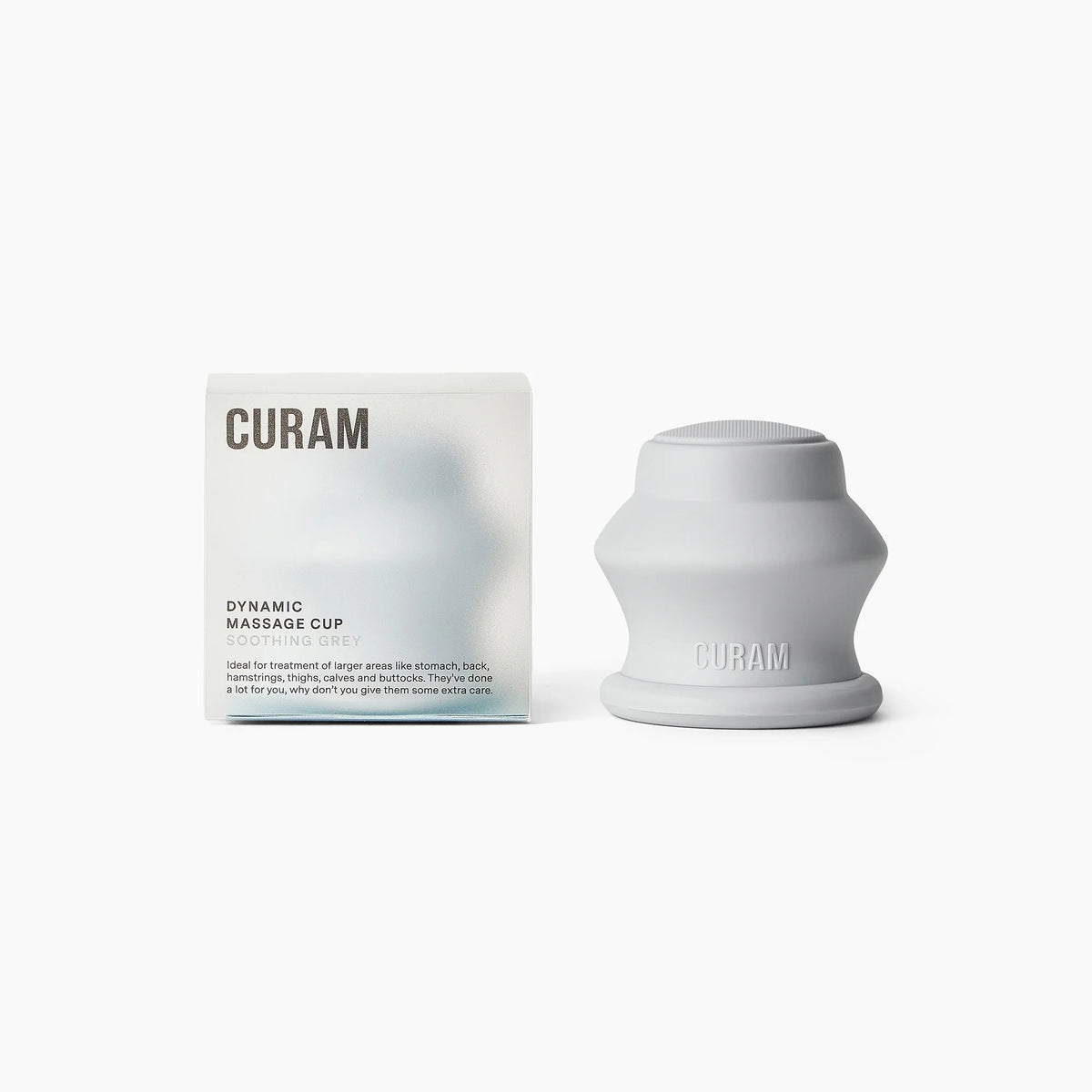
Muscle soreness (DOMS, delayed onset muscle soreness) is the aching and stiffness in the muscles that comes one to three days after training the body is not used to, especially exercises where the muscle brakes under load, such as walking downhill, the lowering phase of a squat or the lowering in a dumbbell curl. It is caused by small damage to the muscle fibres and the repair process that follows, not by lactic acid, and it is a normal sign that the muscle is adapting. Muscle soreness passes on its own in three to seven days. What relieves it in the meantime is light movement, heat, sleep, food and gentle massage or cupping; what prevents it is increasing training gradually. Here is why it comes, what helps, when soreness is something other than DOMS and how to cup sore muscles.
What is muscle soreness and why does it come the day after?
When a muscle is loaded in a new way, with more weight, more repetitions or above all more braking (eccentric) work than it is used to, microscopic damage occurs in the muscle fibres and the connective tissue around them. The body responds with a local inflammatory reaction that clears and repairs, and it is that process, not the damage itself, that makes the muscle sore, stiff and swollen. It takes one to two days to get going, which is why soreness peaks 24–72 hours after the session. Lactic acid, long blamed, is gone from the muscle within an hour of training and has nothing to do with the soreness the next day. Once the muscle has been repaired it tolerates the same load without getting sore, the so-called "repeated bout effect", which is why soreness is worst when you start training or change programme.
Lactic acid and muscle soreness: what is the link?
Many believe muscle soreness is caused by lactic acid "left behind" in the muscles, but that is not correct. Lactic acid (lactate) forms when the muscles work hard without enough oxygen and gives the burning, heavy feeling during the session itself; it is cleared and converted into fuel within an hour of stopping. The soreness that comes one to two days later is instead due to small tears in the muscle fibres and the repair process they trigger. That means "working off the lactic acid" with a cool-down jog or stretching does not prevent soreness, even if light movement afterwards feels good and increases circulation. What actually reduces the soreness is in the sections below: gradually increased load, sleep, protein, light movement, heat and cupping of the sore muscles.
When the soreness is not DOMS
See a doctor if you have extreme pain and swelling in a muscle group together with dark, cola-coloured urine, nausea or severe fatigue after a very hard session; it may be rhabdomyolysis, a rare but serious muscle breakdown that needs hospital care. Also seek care if the pain is in a joint rather than in the muscle, if it came suddenly with a stab or a snap during training (suspected tear), if one leg or calf is swollen, warm and tender on one side without a clear training cause (suspected blood clot), if you have a fever, or if the soreness has not eased after a week. Ordinary DOMS is symmetrical in the muscles you trained, hurts most when the muscle is stretched or loaded and gradually improves from day three.
What helps with muscle soreness
- Light movement. A walk, an easy bike ride, a swim or a light session for the same muscles at low load increases blood flow and reduces stiffness. It is what has most consistently shown an effect on perceived soreness.
- Heat. A warm shower, sauna or heat pad on the sore muscles. Many find heat relieves more than cold for DOMS, even though ice baths can reduce soreness temporarily.
- Gentle massage, foam roller or cupping within 24–48 hours after the session. Studies on massage and foam rolling show reduced perceived soreness and slightly faster recovery of mobility; the effect on the muscle damage itself is small. How the tools differ: Foam roller or cupping? and Cupping or massage gun?
- Sleep. The muscle is repaired while you sleep. Seven to nine hours does more than any supplement.
- Protein and fluids. Eat a normal, protein-rich meal after the session and drink normally. No particular supplement has convincingly been shown to remove DOMS.
- Painkillers? Preferably not routinely. Anti-inflammatory drugs dampen the soreness but can also interfere with the adaptation you are training for. Save them for when you really need them.
- Keep training, lightly. You can train with DOMS, but lower the intensity for the sore muscles until they have recovered, and avoid max lifts and jumps.
Cupping sore muscles, step by step
Cupping one to two days after the session is a gentle way to increase circulation and get stiff, sore muscles to let go, and it is easy to do yourself on thighs, calves, arms and chest. You need the dynamic cup for large muscles and the mini cup for arms and calves, plus body oil. The principle is light suction and slow strokes; it should feel pleasant, not like a fight with the muscle.
- Warm up. Shower, sauna or ten minutes of easy movement.
- Oil the whole muscle group, not just the sorest spot.
- Dynamic, light suction. Glide the cup in slow strokes along the direction of the muscle fibres, towards the heart: from knee to groin on the thigh, from heel to the back of the knee on the calf, from wrist to elbow on the forearm. Five to eight strokes per line, then move the cup sideways and cover the whole muscle.
- Tender points. Pause with light suction for ten seconds on the sorest spots while slowly moving the joint so the muscle stretches and relaxes under the cup.
- Static, if you like. One to three static cups with light suction on the middle of the muscle belly for two to three minutes. Not with strong suction on a very sore, swollen muscle; that does more harm than good.
- Finish with a gentle stretch, heat or a short walk.
Five to ten minutes per muscle group is enough. Do it the day after the session and possibly again on day two or three. The basics of static and dynamic cupping are in Cupping at home, a complete recovery routine in The Curam Recovery Method, and more simple tips in Recovery after training – 5 tips.
How to prevent muscle soreness
The only thing that really works is gradual progression: new exercises, heavier weights and more eccentric work are added a little at a time over a few weeks, so the muscle has time to adapt. Warm up properly, and if you know a session will cause soreness (the first ski trip, the first hill run), schedule a light session the next day instead of rest. Stretching before or after training has not been shown in studies to prevent DOMS, but is good for mobility for other reasons.
When not to cup
Not if you suspect a tear, rhabdomyolysis or a blood clot according to the warning signs above, not on a very swollen or warm muscle, not on wounds, rashes or bruises, not straight after the session when the muscle is at its most irritated (wait until the next day), and not without medical advice if you take blood thinners or are pregnant. Cupping sometimes leaves marks that look like bruises; read about it in Cupping at home before cupping visible areas ahead of a competition or an event.
Frequently asked questions
How long does muscle soreness last?
It peaks 24–72 hours after the session and is normally gone within three to seven days. The more unfamiliar the load, the longer. If it lasts over a week or gets worse, have it assessed.
Is muscle soreness a sign of a good workout?
No, only a sign of unfamiliar load. You can get stronger without soreness, and a lot of soreness does not mean better results, only that the muscle was not prepared. Moderate soreness is normal; disabling soreness means you increased too fast.
Should I train when I have muscle soreness?
Yes, lightly. Easy movement and lighter loads for the sore muscles speed up recovery. Avoid max lifts, jumps and new heavy exercises for the same muscles until the soreness has gone.
Does cupping help with muscle soreness?
Cupping the day after the session can reduce perceived soreness and stiffness through increased circulation and relaxation of the muscle, in the same way as gentle massage and foam rolling. It does not repair the muscle faster, but makes the sore days more comfortable.
Is muscle soreness caused by lactic acid?
No. Lactic acid is gone from the muscle within about an hour of training. Muscle soreness is caused by small damage to the muscle fibres and the repair process that follows over the next few days.
Sources
- 1177 Vårdguiden (Swedish national health guide), search for "träningsvärk" for medical information and when to seek care.
- Cupping in numbers: Curam's review of the research on cupping, recovery and pain, with sources.
- Curam's FAQ and cupping programmes, developed together with trained massage therapists.
Related guides
- Home workout without equipment – 20-minute programme in three levels
- Stiff body – stretching and mobility that help
- Warm-up before training – exercises that work
- Leg pain – causes, warning signs and what helps
- Fascia – what it is, fascia training and cupping
- Sauna, cold plunge and ice baths – recovery that works
- Resistance band training – 12 exercises, programme, home gym
- Kettlebell and dumbbell exercises at home – 12 moves and programme
- Muscle strain in the calf and thigh – rehab week by week
- Exercising with a cold – the neck rule and when to rest
- Inflammation in the body, muscles and tendons – what helps
- Myalgia and muscle pain – causes, muscle inflammation and what helps
Written by Curam. Last updated 17 October 2026. This is general self-care information and does not replace medical care. For sudden, severe or unusual symptoms, contact your doctor. Talk to your doctor before cupping if you are pregnant, take blood thinners or have a condition affecting skin, blood vessels or blood.


