


Carpal tunnel syndrome means the median nerve is compressed where it passes through the carpal tunnel, a narrow channel on the inside of the wrist. It causes numbness, tingling and a "dead" feeling in the thumb, index finger, middle finger and half the ring finger, worst at night and in the morning, and many people wake up having to shake life back into the hand. It is the most common nerve entrapment and affects more often women, pregnant people, people with diabetes or thyroid disease, and those who work with a bent wrist or vibrating tools. The most important thing you can do yourself is a wrist splint at night for four to six weeks, together with breaks and changed working positions. Cupping cannot open the carpal tunnel, but it can help the tight forearm muscles and the neck–shoulder–chest chain, where numb hands also often originate. Here is how to recognise carpal tunnel syndrome, what helps, when to see a doctor and how to use cupping correctly.
What is carpal tunnel syndrome?
The carpal tunnel is formed by the wrist bones and a strong ligament on the inside of the wrist. Nine flexor tendons and the median nerve pass through it; the nerve gives sensation to the thumb, index and middle finger and controls the muscles at the base of the thumb. When the tunnel gets crowded, by swollen tendon sheaths, fluid retention, a thickened ligament or a wrist held bent for long periods, the nerve is compressed. Typical signs are numbness and tingling in exactly those fingers (not the little finger), waking at night, clumsiness when doing up buttons or holding a cup, and relief when you shake the hand or let it hang. In more severe cases you lose grip strength and the muscle at the base of the thumb can shrink. Common causes and risk factors: repetitive work with a bent wrist, vibrating tools, pregnancy (often resolves after birth), hypothyroidism, diabetes, rheumatoid arthritis, overweight and heredity.
Not all numbness in the hands is carpal tunnel syndrome. If the little and ring fingers go numb, it is more likely the ulnar nerve at the elbow, often from resting a bent elbow on a desk. If the whole hand or arm goes numb, if it comes with neck or shoulder pain, or if it is worse when you turn your head or hold your arms up, the cause may be in the neck (nerve root) or at the junction between neck and shoulder (thoracic outlet). Then it is the neck, trapezius and chest muscles that need treating, see Stiff neck and tight shoulders and Cupping for people who sit a lot. Numbness in both hands and feet at the same time, unrelated to position, should be assessed by a doctor.
Wrist pain – causes other than carpal tunnel syndrome
Carpal tunnel syndrome mainly causes numbness, not wrist pain. If it hurts on the thumb side of the wrist when you grip or lift (a child, for example), it is often de Quervain's tenosynovitis; pain on the little finger side when twisting (keys, door handles) can be an injury to the wrist's cartilage disc (TFCC); a soft lump on the back of the wrist is usually a harmless ganglion; aching and stiffness at the base of the thumb in older people is often arthritis; and diffuse aching in the wrist and forearm after a lot of mouse and keyboard work is overload, see Tennis elbow, golfer's elbow and mouse arm. Pain after a fall on an outstretched hand should be X-rayed, especially if it is tender in the hollow at the base of the thumb (the scaphoid). The forearm cupping below suits overload, not injuries.
When to see a doctor
See a doctor if the numbness is constant and no longer comes and goes, if the base of the thumb has become smaller or weaker, if you drop things or cannot do fine motor tasks, if you are not better after four to six weeks with a night splint, if the numbness came suddenly after an injury, or if you have numbness in both hands and feet. Seek emergency care if numbness in one hand or arm comes suddenly together with weakness, difficulty speaking, a drooping face or visual disturbance; it may be a stroke. If you are pregnant and your hands go numb, mention it at your antenatal check; it is common and usually passes, but a night splint helps in the meantime.
Self-care that helps
- Wrist splint at night. A rigid splint that keeps the wrist straight (from a pharmacy) stops you sleeping with a bent wrist, which is when pressure in the tunnel is highest. Use it every night for four to six weeks; most people with mild to moderate symptoms improve clearly. If needed, also during the day for demanding work.
- Straight wrist in daily life. Keyboard and mouse so the wrist is straight and the forearm rests; avoid resting the heel of the hand on an edge; hold the steering wheel and phone with a light grip; avoid a wrist held bent or extended for long.
- Breaks and variety. Release your grip every 20–30 minutes, shake the hands, stretch the fingers, roll the shoulders. Vibrating tools: reduce the time and use anti-vibration gloves.
- Nerve and tendon gliding exercises, ideally shown by a physiotherapist or occupational therapist: make a fist, straighten the fingers, bend the wrist back with straight fingers, in calm series several times a day. They can temporarily increase the tingling; stop if it gets worse.
- Reduce swelling. Fluid retention (late pregnancy, salt, heat) increases pressure in the tunnel. Legs up, less salt, movement; see Fluid retention in the body.
- Treat the underlying cause. Untreated hypothyroidism, diabetes or rheumatism can be behind it; have blood tests via your doctor if you have not been investigated.
- Medical options if the splint and self-care are not enough: a cortisone injection into the carpal tunnel (relief for weeks to months) and surgery where the ligament is divided, a short procedure with good results, especially before the nerve is permanently damaged.
Cupping for carpal tunnel syndrome: what works and what to leave alone
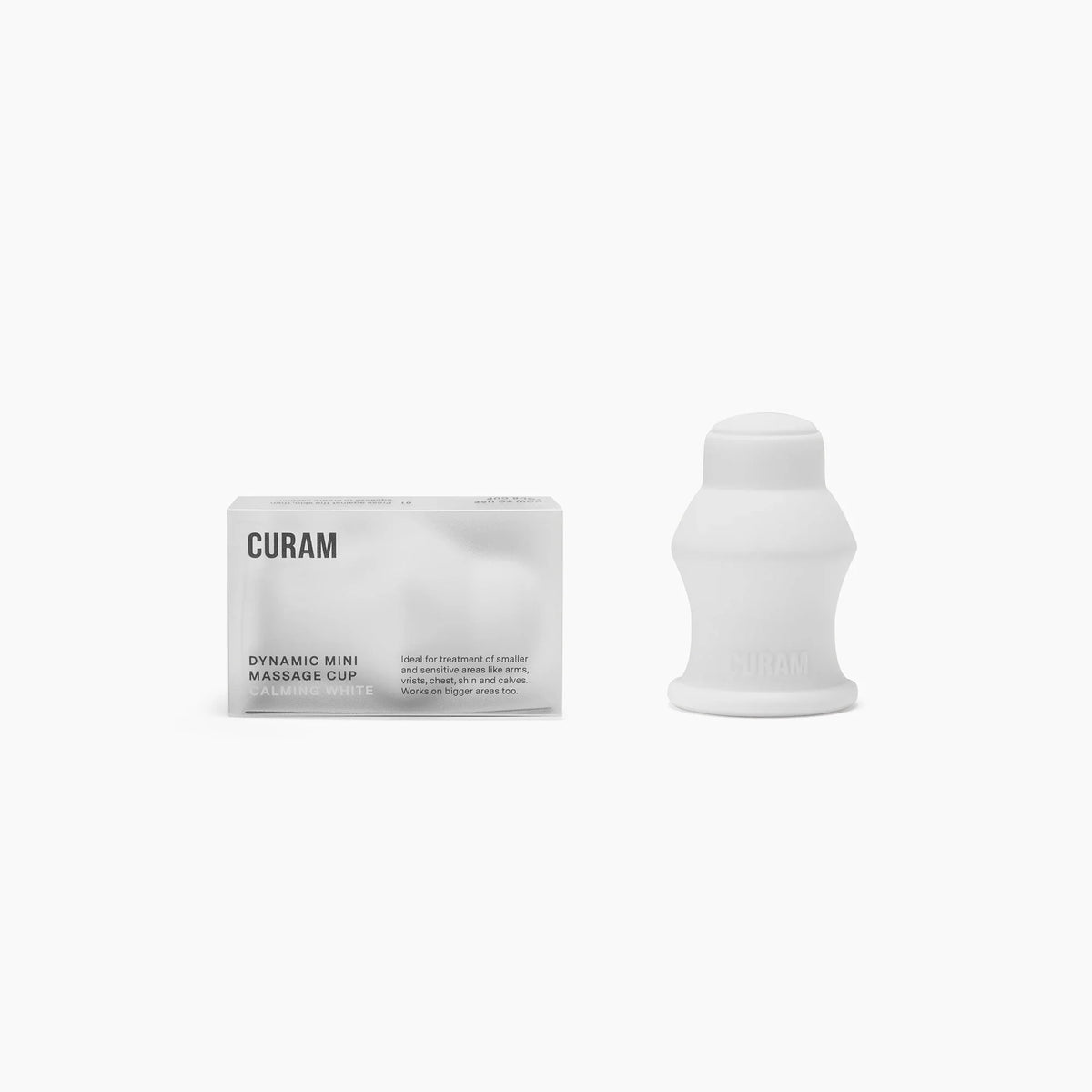
Cupping cannot widen the carpal tunnel or replace the splint. What it can do is reduce tension in the forearm's flexor muscles, whose tendons run through the tunnel, and in the chain of muscles in the chest, trapezius and neck that can compress the nerve pathways higher up. Many people with "mouse arm" have both tight forearms and slight pressure on the nerve at the wrist; then it helps to work on the whole chain. You need the dynamic mini cup, ideally static cups, and body oil. The ground rule: never cup with suction over the inside of the wrist or directly on the carpal tunnel; the nerve lies superficially there.
- Warm up the forearm in warm water for five minutes.
- Inside of the forearm. Oil. Rest the arm palm up. Glide the mini cup with light suction in slow strokes from a hand's width above the wrist up towards the elbow crease along the flexor muscles, five to eight strokes per line, move sideways and cover the inside. Stop two to three centimetres before the wrist and before the elbow crease.
- Top of the forearm. Turn the arm and do the same over the extensor muscles; they are often just as tight, see Tennis elbow, golfer's elbow and mouse arm.
- Chest muscle and trapezius. Light strokes from the breastbone out towards the shoulder below the collarbone (not on the collarbone, not in the armpit), and from the base of the neck out towards the shoulder. This is the other common compression point for the nerves to the hand.
- Static. One static cup with light suction on the most tender point of the flexor muscles in the upper forearm, one to three minutes.
- Finish with nerve gliding exercises and wrist stretches in both directions.
Two to three times a week as a complement to the night splint. The basics of static and dynamic cupping are in Cupping at home.
When not to cup
Not with suction over the inside of the wrist or the carpal tunnel, not where you have reduced sensation, not if you have any of the warning signs above, not on swollen, warm or red skin, not in the armpit or on the collarbone, and not without medical advice if you take blood thinners, are pregnant or have rheumatic disease in a flare. If the numbness increases during or after cupping, stop.
Frequently asked questions
Why do my hands go numb at night?
Many people sleep with a bent wrist or the arm under the head, which increases pressure on the median nerve in the carpal tunnel. Fluid also collects in the hands when you lie down. A night splint that keeps the wrist straight usually makes a big difference.
Does carpal tunnel syndrome go away on its own?
Mild symptoms often resolve with a night splint, changed working positions and time, and symptoms during pregnancy usually disappear after birth. Moderate to severe symptoms, especially with weakness or constant numbness, usually need cortisone or surgery.
Does cupping help with carpal tunnel syndrome?
Not the compression itself, but cupping the forearm muscles and the chest, trapezius and neck can reduce tension in the chain that loads the nerve and relieve aching in the forearm. The night splint is still the main treatment. Never cup over the inside of the wrist.
Which fingers go numb with carpal tunnel syndrome?
The thumb, index finger, middle finger and the thumb side of the ring finger. If the little finger goes numb it is more likely the ulnar nerve, and if the whole hand or arm goes numb the neck should be assessed.
Does carpal tunnel syndrome have to be operated on?
No, most people start with a splint and self-care. Surgery is recommended when symptoms are severe, when the base of the thumb weakens or when other treatment has not been enough. It is a short procedure with good results.
Sources
- 1177 Vårdguiden (Swedish national health guide), search for "karpaltunnelsyndrom" for medical information and when to seek care.
- Curam's FAQ and cupping programmes, developed together with trained massage therapists.
Written by Curam. Last updated 17 October 2026. This is general self-care information and does not replace medical care. For sudden, severe or unusual symptoms, contact your doctor. Talk to your doctor before cupping if you are pregnant, take blood thinners or have a condition affecting skin, blood vessels or blood.


