


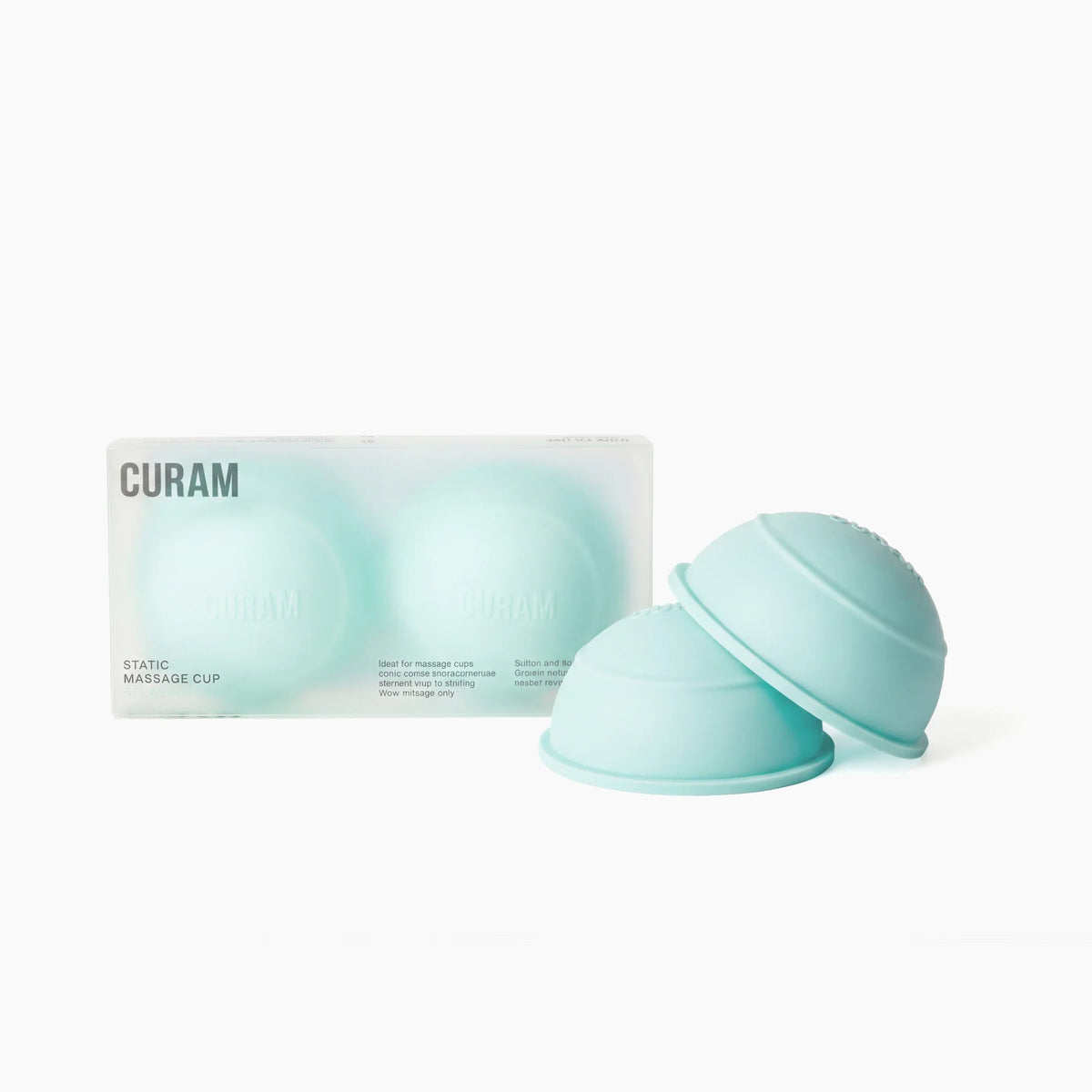
Stress, tight shoulders, shallow breathing and difficulty falling asleep are the same thing seen from different angles: a nervous system stuck in high gear. It can be reversed in minutes, and the most effective tool is the breath, because it is the only part of the stress system you can control with your will. Slow exhalation, belly breathing and progressive muscle relaxation lower pulse, blood pressure and muscle tension, and done regularly they raise the threshold for the next stress response. Static cupping enhances the effect: cups left still on the trapezius or between the shoulder blades for a few minutes give the body a clear signal to let go, and many people use them as an evening routine. Here are eight exercises, how to fit them into daily life, when they are not enough and how to combine them with cupping.
Why the breath controls relaxation
Inhalation activates the part of the nervous system that raises the pulse, exhalation the part that lowers it. If you breathe fast and shallowly high in the chest, as under stress, the body gets the signal that the danger remains; if you breathe slowly, deep into the belly and with a longer exhalation than inhalation, it gets the signal that the danger is over. The diaphragm, the breathing muscle under the lungs, at the same time massages the abdominal organs and the lymph, and the neck and shoulders are spared from helping to lift the ribcage with every breath. That is why tight shoulders, tension headache and teeth grinding are so often linked to stress and shallow breathing.
Eight exercises
- Belly breathing (the foundation). Lie or sit, one hand on the stomach, one on the chest. Breathe in through the nose so the stomach rises, chest almost still, breathe out slowly through the nose or lightly closed lips. Five minutes. Do it until it is automatic.
- Extended exhalation (4–6). Breathe in for four seconds, out for six. Ten breaths. The fastest way to lower the pulse; works in a queue, before a meeting or in bed.
- 4–7–8. In for four, hold for seven, out for eight through the mouth. Four breaths. For difficulty falling asleep. Skip the breath-hold if it feels uncomfortable.
- Box breathing. In four, hold four, out four, hold four. Five minutes. Calming and focusing; used during the day.
- Physiological sigh. Two quick inhalations through the nose (the second tops up) followed by a long exhalation through the mouth. One to three times. What the body does spontaneously to reset after crying, and what most quickly breaks an acute stress response.
- Progressive muscle relaxation. Lie down. Tense a muscle group hard for five seconds, release completely for ten, feel the difference. Feet, calves, thighs, buttocks, abdomen, hands, arms, shoulders (up towards the ears), face. Ten to fifteen minutes. Teaches the body the difference between tense and relaxed, which those who are always tense have often forgotten.
- Body scan. Lie down, close your eyes, move your attention from the toes to the crown and notice each part without changing anything; where you find tension, breathe out through it. Ten minutes. Good for worry and spinning thoughts.
- Drop the shoulders on the exhale. Sit, draw the shoulders up towards the ears on the inhale, hold two seconds, drop them heavily on a long exhale. Five times. An hourly reminder at the screen does more than one long session a week.
How to structure it
Choose one morning exercise (belly breathing or box breathing, five minutes), one break exercise you do several times a day (extended exhalation or shoulder drops, one minute) and one evening exercise (progressive muscle relaxation, body scan or 4–7–8, ten minutes). Regularity beats length: five minutes every day gives more than half an hour on Sunday. Combine with movement (a walk is in itself a relaxation exercise), daylight in the morning, less caffeine after lunch and a fixed bedtime. If you feel the stress in your jaws, read Teeth grinding and tight jaw; in your head, Headache and tension headache; in the neck and shoulders, Neck pain and stiff neck. Breathing, movement and body awareness are also the foundation of the Curam Recovery® method.
When the exercises are not enough: get help
Breathing and relaxation exercises are self-care for everyday stress and mild sleep difficulty. See a doctor if you have sleep problems more than three nights a week for over three months, if you are low, anxious or exhausted so that daily life does not work, if you get panic attacks, if the stress causes chest pain, palpitations at rest or shortness of breath (urgent with chest pain), if you use alcohol or pills to sleep, or if you snore heavily with pauses in breathing. Your doctor can offer CBT for sleep and stress, which has a better long-term effect than sleeping pills.
Static cupping as relaxation
Static cups left still on tense muscles for three to five minutes give a deep, warm feeling that many experience as the fastest route to relaxation in the body. Combined with belly breathing it becomes a ten-minute evening routine. You need static cups and, if you want to glide them first, body oil.
- Heat first. A warm shower or heat pad on the neck and shoulders.
- Trapezius. Place a cup with light suction on each side between neck and shoulder, where most people carry their stress. You can reach yourself.
- Between the shoulder blades (with help): two cups either side of the spine at the level of the middle of the shoulder blades. Never on the spine.
- Breathe. Lie or sit still with the cups on for three to five minutes and do belly breathing with extended exhalation. Feel the area under the cups become warm and heavy.
- Remove the cups by pressing in the rim, stroke lightly over the area, and go straight to bed or to progressive muscle relaxation.
Light suction is enough; it is the stillness and warmth, not the strength, that does the work. The basics of static cupping are in Cupping at home. Do not cup with fever or illness, on damaged skin, on the front of the neck or the spine, and not without medical advice if you are pregnant or take blood thinners.
Frequently asked questions
Which breathing exercise is best for stress?
Extended exhalation (in for four, out for six) is the simplest and fastest and works anywhere. For an acute response: the physiological sigh, two inhalations followed by a long exhalation. The foundation is belly breathing, which you practise until it becomes automatic.
Which relaxation exercise helps with sleep problems?
Progressive muscle relaxation or a body scan in bed, ten minutes, followed by 4–7–8 breathing. Combine with a fixed bedtime, less screen time in the last hour and less caffeine after lunch. If sleep problems last over three months, see a doctor; CBT for sleep has the best effect.
How often should you do relaxation exercises?
Daily, in short sessions: five minutes in the morning, one minute several times a day, ten minutes in the evening. Regularity does more than length, and the effect on stress tolerance builds over weeks.
Does cupping help with stress?
Static cups on the trapezius and between the shoulder blades give a warm, heavy feeling that many experience as deep relaxation, especially together with belly breathing. It is a complement to the breathing exercises and to movement, sleep and less load, which are what affect stress at the root.
Why do I get dizzy or tingly from breathing exercises?
You are probably breathing too deeply or too fast, which blows off too much carbon dioxide. Breathe less and more slowly, through the nose, without forcing. If breath-holds feel uncomfortable, skip them. Recurrent dizziness or palpitations should be assessed by a doctor.
Sources
- 1177 Vårdguiden (Swedish national health guide), search for "stress" and "sömnsvårigheter" for medical information and when to seek care.
- Curam's FAQ and cupping programmes (Meditation, Relaxation & Reconnection), developed together with trained therapists.
Related guides
- Stress – symptoms, burnout and stress management
- Sleep problems – causes and routines that help
- Sluggish bowels and constipation – self-care and abdominal massage
- The vagus nerve – exercises that calm the nervous system
- Yin yoga at home – 8 poses for beginners and cupping
- Anxiety and panic attacks – symptoms in the body and what helps
- The diaphragm – tight diaphragm, belly breathing and cupping
- Acupressure mat – effect, how long, and mat or cupping
- Palpitations and extra heartbeats – causes, when to seek care and what calms them
- The Wim Hof method – breathing, cold, what research says and safety
Written by Curam. Last updated 17 October 2026. This is general self-care information and does not replace medical care. For sudden, severe or unusual symptoms, contact your doctor. Talk to your doctor before cupping if you are pregnant, take blood thinners or have a condition affecting skin, blood vessels or blood.


