


Palpitations mean becoming aware of your heartbeat: the beats feel harder, faster, irregular or as if the heart "skips" a beat. The heart normally beats 50–100 times a minute at rest without you noticing; what you feel with palpitations is either that the beats have become stronger (adrenaline), that the pulse has gone up (exertion, stress, fever, anaemia, thyroid), or that the rhythm has been disturbed for a moment by an extra beat: an impulse that comes too early, gives a weak beat you don't feel, is followed by a compensatory pause and then a strong beat that feels like a thud in the chest or throat. In practice everyone has extra beats, several a day, and they are noticed almost only at rest and in bed when nothing else distracts. In a healthy heart they are harmless, even when they come in runs. The most common cause of troublesome palpitations is not the heart but the nervous system: stress, worry, lack of sleep, coffee, nicotine, alcohol and low blood sugar raise adrenaline and make both the beats stronger and the extra beats more frequent. Then come hormones (menopause, pregnancy, thyroid), anaemia, medications and dehydration. Genuine rhythm disorders that need treatment, atrial fibrillation and paroxysmal fast heart rhythm, also exist, and they are recognised by their pattern: a pulse that suddenly becomes completely irregular and stays that way, or a regular racing that starts like a switch and stops just as abruptly. Here is how to tell them apart, when it is urgent, what the doctor does, and what you can do yourself to calm a heart that pounds from stress.
Common causes of palpitations
| Cause | How it typically feels | What helps |
|---|---|---|
| Stress, worry, panic attacks | Strong, fast beats, often with chest pressure, dizziness, tingling; comes at rest, with thoughts, at night | Slow exhalation, movement, sleep, relaxation; for recurrent anxiety, help via your doctor |
| Coffee, energy drinks, nicotine | Extra beats and fast pulse a few hours after intake | Halve it, move it to the morning, allow 1–2 weeks of adjustment |
| Alcohol | Palpitations the night after and the day after; alcohol is the most common trigger of atrial fibrillation in younger people | Cut down, avoid large amounts at one time |
| Sleep deprivation | Extra beats and fast resting pulse the day after poor sleep | Prioritise sleep; see sleep problems |
| Menopause | Palpitations together with hot flushes, often at night | Very common and harmless; talk to your doctor if troublesome |
| Iron deficiency and anaemia | Fast pulse on exertion, fatigue, pallor, breathlessness on stairs | Blood test; iron only with confirmed deficiency |
| Overactive thyroid | Fast resting pulse all the time, feeling hot, weight loss, tremor, anxiety | Blood test (TSH); treated |
| Low blood sugar, dehydration, fever | Palpitations with sweating, shakiness, dizziness | Eat regularly, drink, rest |
| Medications and supplements | Asthma medicines, decongestant nasal sprays, some antidepressants, ADHD medicines, diet pills, high-dose caffeine tablets | Read the leaflet, ask your doctor or pharmacist; never stop prescribed medicines on your own |
| Pregnancy | Higher resting pulse and more extra beats, especially in the second and third trimester | Normal; mention it to your midwife |
| After training and with overtraining | Pulse that doesn't come down, extra beats at rest in the days after hard sessions | Rest, see recovery after training |
| Rhythm disorder (atrial fibrillation, SVT) | See below | Investigated and treated |
Call emergency services
- Palpitations together with chest pain or pressure lasting more than 15 minutes, radiating to the arm, jaw or back, or with cold sweat and nausea.
- Palpitations that make you faint or nearly faint.
- Palpitations with marked breathlessness or lips turning blue.
- Very fast pulse (over 150 at rest) that doesn't come down in 20–30 minutes, especially if you have known heart disease.
- Sudden confusion, one-sided weakness or speech difficulties, with or without palpitations.
Your doctor: book an appointment
- Within a few days: the pulse has become completely irregular ("chaotic", without pattern) and stayed that way for more than a few hours: suspected atrial fibrillation, which carries stroke risk and should be assessed soon. Feel the pulse at the wrist: with fibrillation you can't predict the next beat.
- Within a couple of weeks: recurrent attacks of regular, fast racing (150–220 beats/min) that start and stop abruptly like a switch (suspected SVT, which can be cured); palpitations that come on exertion and force you to stop; extra beats so frequent they bother you every day; palpitations with fatigue, weight loss or breathlessness; new palpitations if you are over 60, have high blood pressure, diabetes or heart disease in the family; palpitations that worry you so much that daily life is affected.
The investigation is undramatic: pulse and blood pressure, ECG, blood tests (blood count, thyroid, electrolytes, blood sugar), and if the symptoms come in attacks a long-term ECG for one to seven days or a thumb ECG you take yourself when it happens. Most people are told that the heart is healthy and the extra beats harmless, and that reassurance alone often reduces the symptoms.
Extra beats: why you feel them and why they are harmless
An extra beat is triggered by a cell in the atrium or ventricle sending an impulse before the sinus node has had time to, the heart contracts before it has filled, the beat is weak (it feels like the heart "skips"), the next normal impulse falls in the pause that follows, the heart fills extra, and the beat after that is strong (the thud). Healthy hearts do this several times a day; in a long-term ECG most people have hundreds of extra beats per day without noticing. They are noticed more with stress, caffeine, tiredness, after meals, lying on the left side and in silence, which is why they are almost always discovered in bed in the evening. In people with a healthy heart (normal ECG and ultrasound) extra beats are harmless regardless of number; with a very large number (over 10–15 percent of all beats) they are followed up, and can then be treated.
What calms palpitations
1. Slow exhalation
The fastest way to lower pulse and adrenaline is to lengthen the exhalation: breathe in through the nose for four seconds, out through almost closed lips for six to eight seconds, ten times. Exhalation activates the vagus nerve, which brakes the sinus node, and the pulse drops after just a few breaths. More exercises in relaxation and breathing exercises and in vagus nerve: exercises that calm the nervous system.
2. Vagal manoeuvres for sudden racing
During an attack of regular fast pulse (SVT) you can try bearing down as on the toilet for 15 seconds with mouth and nose closed and then lying down with legs raised, or dipping your face in cold water for ten seconds. This often breaks the attack; if it doesn't work within a few minutes or you feel unwell: emergency services. The manoeuvres are harmless for healthy people but shouldn't be done if you have recently had a heart attack or stroke.
3. Review stimulants
Halve the coffee, remove energy drinks and caffeine tablets, move the last cup to before lunch, and reduce alcohol and nicotine. Expect the extra beats to possibly increase for the first days as the body adjusts, and give it two weeks before evaluating.
4. Sleep, food, water
Sleep deprivation is the single most common trigger after stress. Eat regularly so blood sugar doesn't dip, drink evenly through the day (dehydration and salt loss after sweating cause extra beats), and avoid large meals late in the evening, which press on the diaphragm and trigger extra beats in many people.
5. Movement
Regular cardio lowers resting pulse, strengthens vagal tone and reduces extra beats over time; acute stress also leaves the body fastest with a brisk walk. If you have palpitations that come on exertion: get examined first.
6. Relaxation and the nervous system
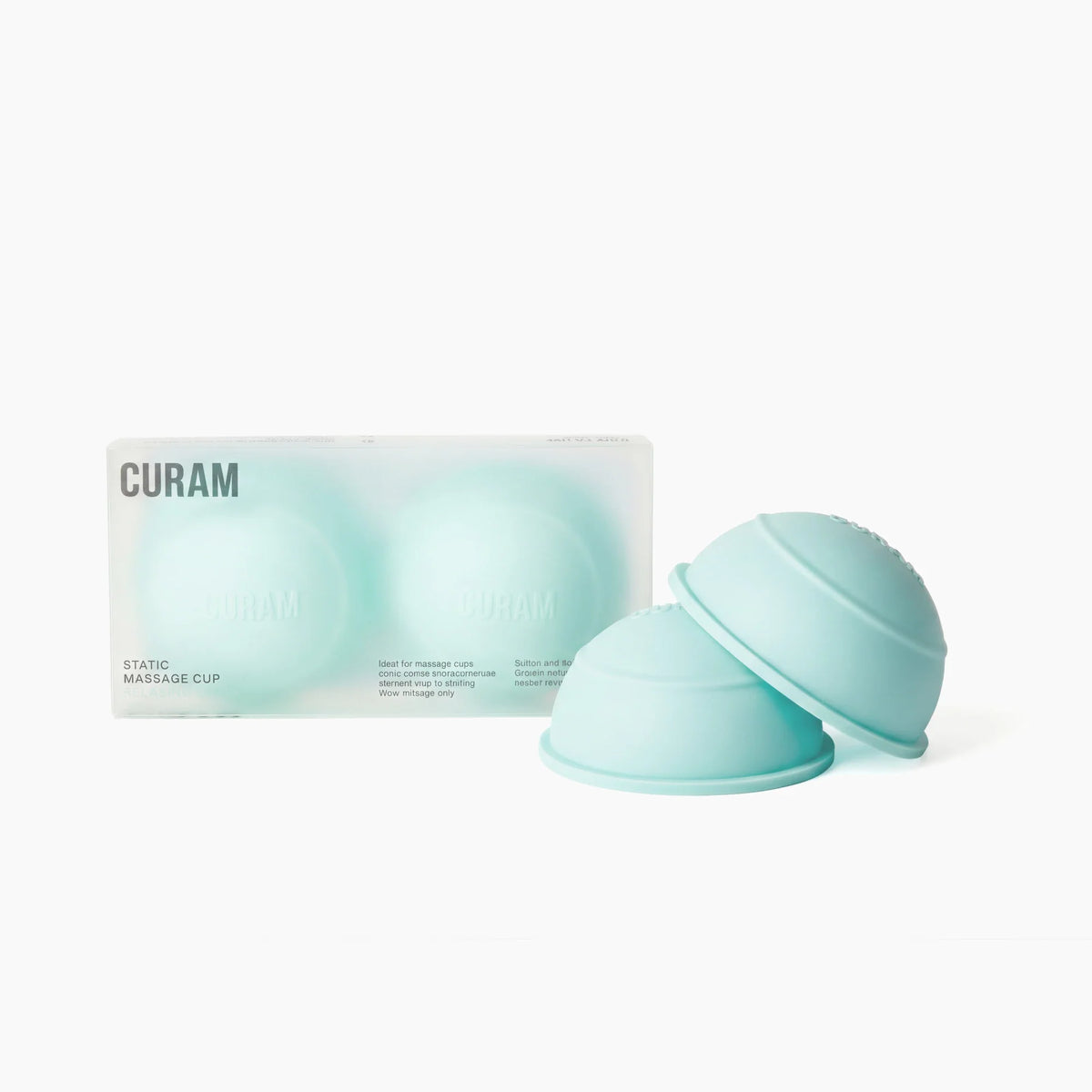
Troublesome palpitations without heart disease are almost always about a nervous system running too high. Everything that lowers it helps: regular breaks, warmth, sauna in moderation, yoga, meditation, massage and cupping. Cupping doesn't treat the heart and should never be done on the front of the chest over the heart, but calm, slow cupping on the back, shoulders and neck with the static cups for 10–15 minutes, combined with slow breathing, is for many an effective way to get the body to shift down in the evening. The cupping programme for meditation and relaxation and the breathwork programme are made for it; also read stress: symptoms and stress management. Don't cup if you have a pacemaker or ICD without having asked your doctor, not during ongoing palpitations whose cause you don't know, and never as a replacement for investigation; see when to avoid cupping.
7. The worry itself
Palpitations and worry drive each other: adrenaline causes extra beats, the extra beats cause fear, the fear causes more adrenaline. Having had an ECG and reassurance often breaks the cycle. If that doesn't help, cognitive behavioural therapy for health anxiety and panic is well documented and available via your doctor.
Palpitations at night
The heart pounding when you lie down is usually because it is quiet and still (you notice extra beats you've had all day), because you lie on the left side (the heart rests against the chest wall), because the evening included coffee, wine or a large meal, or because the day's stress only lets go when you stop being active. Menopausal hot flushes are another common cause. Lie on your right side or on your back with the head slightly raised, do ten slow exhalations, and move coffee and alcohol earlier in the day. Palpitations that wake you with breathlessness so you have to sit up, or that come with swollen legs, should be examined. See also deep sleep and sleeping position.
Read more
Stress: symptoms and stress management, exhaustion disorder, anxiety and worry in the body, fatigue: causes, poor blood circulation and the diaphragm: how to breathe properly.
Frequently asked questions
What causes palpitations?
Usually the nervous system and lifestyle, not the heart: stress and worry, coffee, energy drinks, nicotine, alcohol, lack of sleep, low blood sugar and dehydration raise adrenaline and make the beats stronger and the extra beats more frequent. Then hormones (menopause, pregnancy, overactive thyroid), anaemia and medications. Rhythm disorders such as atrial fibrillation and SVT also exist and are recognised by their pattern: a completely irregular pulse that persists, or racing that starts and stops abruptly.
When are palpitations dangerous?
Call emergency services if palpitations come with chest pain or pressure that persists, fainting or near-fainting, marked breathlessness, or a very fast pulse that doesn't come down in 20–30 minutes. Book your doctor soon if the pulse has become completely irregular and stayed that way (suspected atrial fibrillation), with recurrent attacks of fast regular racing, palpitations on exertion, or if you are over 60 or have cardiovascular disease.
Are extra heartbeats dangerous?
In a healthy heart: no. Everyone has extra beats, usually several hundred a day without noticing, and they are felt most at rest and in the evening. They increase with stress, caffeine, tiredness, alcohol and large meals. Very frequent extra beats (over about ten percent of beats) are followed up and can be treated, and extra beats in someone with known heart disease are assessed by a doctor. A normal ECG and possibly an ultrasound are enough for reassurance.
How do you calm palpitations quickly?
Lengthen the exhalation: in through the nose for four seconds, out through almost closed lips for six to eight seconds, ten times; this activates the vagus nerve and lowers the pulse within a minute. With sudden regular racing: bear down with mouth and nose closed for 15 seconds and lie down with legs raised, or dip your face in cold water. Sit down or walk calmly, drink water, and avoid more caffeine. If it doesn't pass or you feel unwell: emergency services.
Does cupping help palpitations?
Not the heart, and cupping should never be done over the heart on the front of the chest or used instead of investigation. But when palpitations are due to stress and a nervous system running too high, which is the most common case, calm static cupping on the back, shoulders and neck combined with slow breathing is one of several good ways to shift down in the evening. If you have a pacemaker or ICD: ask your doctor first.
Related guides
- Snoring and sleep apnoea – causes, how to stop snoring and when to get tested
- The Wim Hof method – breathing, cold, what research says and safety
- Chest muscle pain or the heart? Muscular chest pain – how to tell them apart
- Sleep deprivation – symptoms, what happens in the body and how to catch up
Written by Curam. Last updated 17 October 2026. This is general self-care information and does not replace medical care. For sudden, severe or unusual symptoms, contact your doctor. Talk to your doctor before cupping if you are pregnant, take blood thinners or have a condition affecting skin, blood vessels or blood.


