


Wim Hof, "The Iceman", is a Dutchman who has set records in cold exposure and built a method on three pillars: breathing, cold and "commitment" (focus, often meditation). The breathing exercise is essentially controlled hyperventilation: 30–40 fast, deep breaths blow carbon dioxide out of the blood, which silences the breathing reflex so you can hold your breath on empty lungs for one to three minutes without feeling the need for air, while adrenaline and noradrenaline rise sharply, the skin tingles and you become slightly dizzy. The cold exposure, cold showers at first and ice baths or winter swimming for the experienced, triggers a strong stress response that is trained down over time, activates brown fat and gives a subsequent calm when the parasympathetic system takes over. The scientific basis is thinner than the hype: a well-conducted study from Radboud University in 2014 showed that twelve trained participants got less fever and lower inflammatory markers when injected with a bacterial toxin, which was sensational because the autonomic nervous system was previously considered beyond voluntary control. Later studies have confirmed the adrenaline surge and the acute dampening of inflammation, but none have shown fewer infections, a better immune system in the everyday sense, or effects on diseases; the small studies on stress, mood and recovery are promising but weak. The risks, however, are well established: the breathing exercise in or near water has cost people their lives, because the silenced breathing reflex means you faint without warning below the surface. Here is how to do the breathing and the cold safely, what to expect, and where cupping comes in.
The breathing exercise step by step
- Sit or lie comfortably, never in or near water, never in the car, never standing. In the morning on an empty stomach is classic.
- 30–40 breaths: breathe in deeply through the nose or mouth, fill the belly, the chest, up to the collarbones, and then let the air out without forcing (passive exhalation, not completely empty lungs). The pace is roughly one breath every two seconds. Expect tingling in hands and face, dizziness, light phenomena and sensations of heat or cold; that is the carbon dioxide dropping. If you get very dizzy: slow down.
- The breath hold: after the last breath, exhale (not maximally) and hold your breath on empty lungs for as long as it feels okay, without forcing. One to two minutes is common after just a few weeks. Never hold until you are desperate; release at the first clear urge to breathe.
- The recovery breath: breathe in deeply, hold for 10–15 seconds with full lungs, exhale. That is one round.
- Three to four rounds. The whole exercise takes 10–15 minutes. Finish by lying still for a while; get up slowly.
What you feel afterwards, calm, clarity, lightness, is adrenaline fading and carbon dioxide returning. You can get a large part of the effect from calm breathing without the hyperventilation: see relaxation and breathing exercises, vagus nerve: exercises that calm and the diaphragm and breathing.
Safety rules that must not be broken
- Never in, near or just before water. Not in the bathtub, not in the pool, not on the jetty before a dip, not in the shower. The lowered carbon dioxide removes the warning signal before oxygen runs out, and you faint below the surface without noticing anything. Freedivers call it shallow water blackout. Several deaths are documented. Do the breathing on the floor or in bed, wait at least 15–30 minutes, and then go into cold water with normal breathing.
- Never standing, never in the car, never at height. Fainting during the breath hold is common and harmless when you are lying down.
- Never combined with freediving or holding your breath under water for the same reason.
- Cold exposure: never go alone into an ice hole or open water; have someone on land; keep the first times to 30–60 seconds; get out with shivering you can't control, numbness in hands and feet that makes you clumsy, or confusion; dress and move afterwards, avoid a hot shower right away (blood pressure drop, "afterdrop").
- Listen to your body: chest pain, palpitations that don't settle, cramps or strong anxiety mean you stop.
Cold exposure: how to start
The method recommends starting with cold showers: the last 15–30 seconds of your normal shower cold, the first days; increase by 15 seconds at a time to two to three minutes over a few weeks. Breathe calmly and slowly out when the cold hits; that is what trains down the stress reflex. After a month or so you can try a cold plunge in a lake or tub at 10–15 degrees for one to two minutes, never alone. What happens: pulse and blood pressure race for 30 seconds, the breathing wants to gasp, and if you keep it calm everything settles within a minute; afterwards comes a sensation of warmth, mild euphoria and often a deep tiredness in the evening. Winter and ice swimmers report less stress, better sleep and fewer perceived infections; studies show clear acute effects on noradrenaline and mood, but not that you become healthier over time. Cold after strength training slightly reduces muscle growth and should be placed on rest days if strength is the goal. More in sauna, cold plunge and ice baths for recovery.
What research shows, and doesn't show
| Claim | Support |
|---|---|
| You can influence your autonomic nervous system and dampen the acute inflammatory response with the breathing | Yes: the Radboud study 2014 (12 trained participants, injected bacterial toxin: more adrenaline, more anti-inflammatory IL-10, less fever and malaise) and replications. The effect comes from the hyperventilation and adrenaline, not from the cold. |
| The method strengthens the immune system and gives fewer infections | No, not shown. Acutely dampened inflammation is not the same as a better immune system; no study shows fewer colds or infections. |
| Helps against stress, anxiety and low mood | Weak to moderate: small studies show lower perceived stress and better mood in practitioners; hard to separate from the effect of any daily breathing and meditation routine. |
| Reduces inflammation in rheumatic diseases | A small pilot study on axial spondyloarthritis showed reduced inflammatory markers over eight weeks; promising, not proven. |
| Improves performance and recovery | No support for performance; the cold has moderate support for perceived recovery and against soreness, but dampens muscle growth after strength training. |
| Trains brown fat and increases metabolism | Cold activates brown fat, but the effect on weight is negligible. |
| Cures or treats diseases | No. The method never replaces treatment. |
Who should avoid it, or ask a doctor first
- The breathing: pregnant women; people with epilepsy (hyperventilation can trigger seizures); cardiovascular disease, previous heart attack, stroke or arrhythmia; uncontrolled high blood pressure; panic disorder and hyperventilation problems (the exercise recreates exactly those symptoms); migraine with aura (can be triggered); glaucoma and retinal problems; recently operated; under the influence of alcohol or drugs.
- The cold: cardiovascular disease and high blood pressure (the cold shock is a strong surge); Raynaud's phenomenon and cold urticaria; pregnancy (no ice bathing without the midwife's OK); epilepsy; reduced sensation; children before their teens.
- Everyone: start cautiously, increase slowly, and never do it because you "have to".
Breathing, cold and cupping: three parts of the same recovery
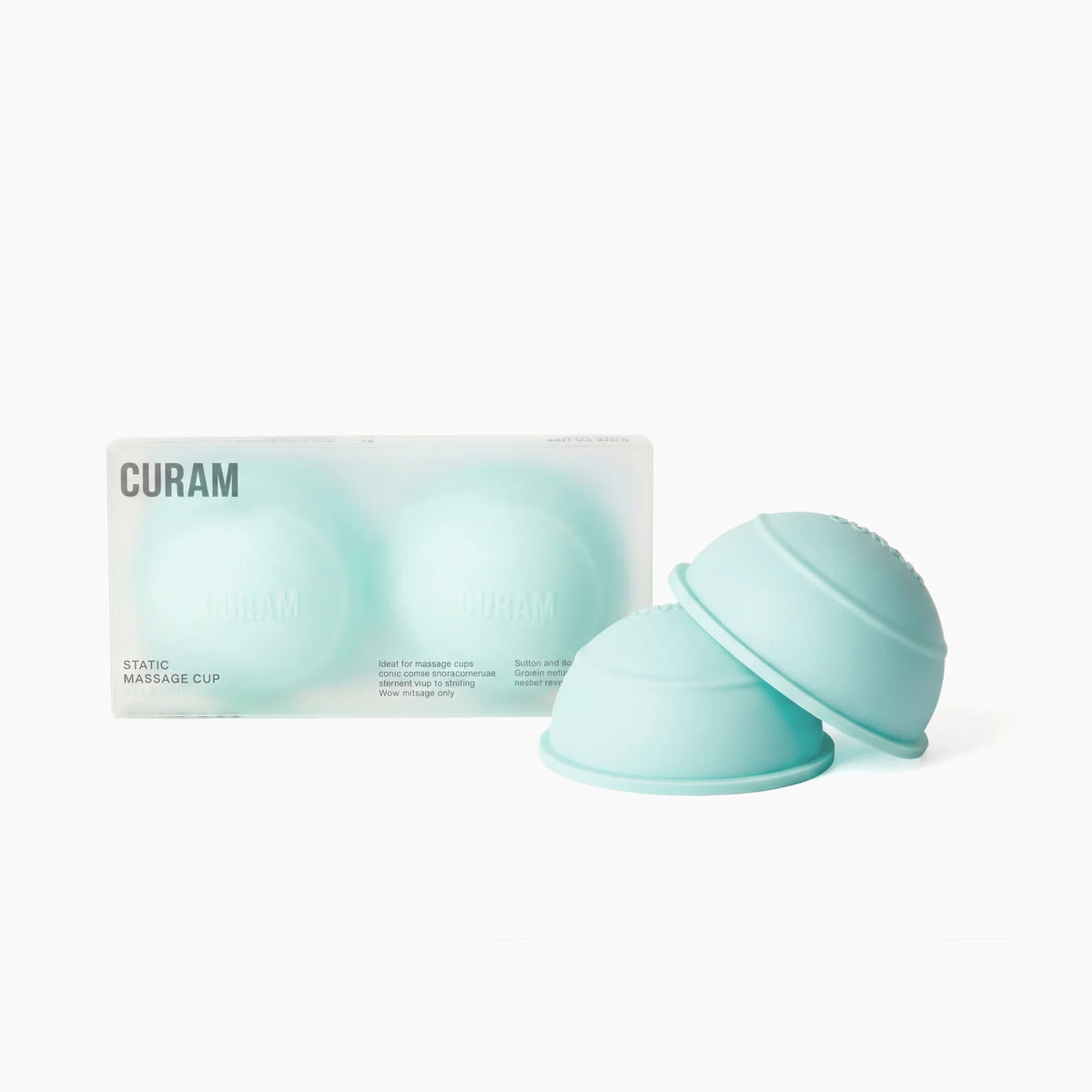
Cold contracts: vessels, muscles, fascia. That is the point when you want to dampen acute swelling or train the stress reflex, but it leaves the body stiff, and the day after an ice bath many people are stiffer than usual. Cupping does the opposite: the suction dilates the vessels, increases blood flow two- to fourfold in skin and muscle, releases the fascia and gets the muscles to let go, which is why cold and cupping work so well in sequence. A set-up many winter swimmers use: cold plunge in the morning, calm breathing in the water, dressing and moving right after, and in the evening 10–15 minutes of cupping of calves, thighs, back and shoulders with the dynamic cup and the static cups, followed by slow exhalation in bed. Never cup right after the cold on cold, pale skin: wait until the skin has regained normal colour and warmth (one to two hours), and never cup before or in connection with the breathing exercise (dizziness, blood pressure drop). If you want the calm nervous system without hyperventilation and ice holes: the cupping programme for breathwork and the programme for meditation and relaxation combine static cups on the back with slow breathing, and give the same parasympathetic shift in a way that suits everyone. More in the best recovery after training, stress and stress management and when to avoid cupping.
Frequently asked questions
What is the Wim Hof method?
A method in three parts: a breathing exercise with 30–40 deep breaths followed by a breath hold on empty lungs for three to four rounds, daily cold exposure (cold showers, ice baths, winter swimming) and focus or meditation. The breathing is controlled hyperventilation that lowers carbon dioxide and raises adrenaline; the cold trains down the stress reflex. The method has support for acutely dampening inflammation and giving calm and energy, not for strengthening the immune system or treating diseases.
Is the Wim Hof breathing dangerous?
Lying on the floor it is harmless for healthy people; fainting can happen and is then harmless. In or near water it is life-threatening: the lowered carbon dioxide removes the warning signal before oxygen runs out and you faint below the surface without warning, which has caused several deaths. Never in a bathtub, pool, shower or before a dip; never standing or in the car. Pregnant women, people with epilepsy, cardiovascular disease, high blood pressure or panic disorder should avoid it or ask a doctor.
What does research say about Wim Hof?
That trained practitioners can raise adrenaline and dampen the acute inflammatory response to a bacterial toxin with the breathing (Radboud 2014 and replications), which was unexpected. However, there is no support for fewer infections or a better immune system in the everyday sense, only weak support for less stress and better mood, a promising pilot study on rheumatic disease, and no support for performance, weight loss or disease treatment.
How do you start with cold showers?
End your normal shower with 15–30 seconds cold the first days, breathe calmly out when the cold hits, and increase by 15 seconds at a time to two to three minutes over a few weeks. After a month or so you can try a cold plunge at 10–15 degrees for one to two minutes, never alone. Get out with uncontrollable shivering, clumsiness or confusion, dress and move afterwards, and avoid a hot shower right away.
Can you combine cold plunges and cupping?
Yes, in sequence: the cold contracts vessels, muscles and fascia, cupping dilates and releases. Cold plunge in the morning, cupping of calves, thighs, back and shoulders in the evening once the skin has regained normal colour and warmth (at least one to two hours after the cold). Never cup cold, pale skin, and never in connection with the breathing exercise. If you want the calm without hyperventilation: static cups on the back with slow exhalation give the same shift.
Related guides
Written by Curam. Last updated 17 October 2026. This is general self-care information and does not replace medical care. For sudden, severe or unusual symptoms, contact your doctor. Talk to your doctor before cupping if you are pregnant, take blood thinners or have a condition affecting skin, blood vessels or blood.


