


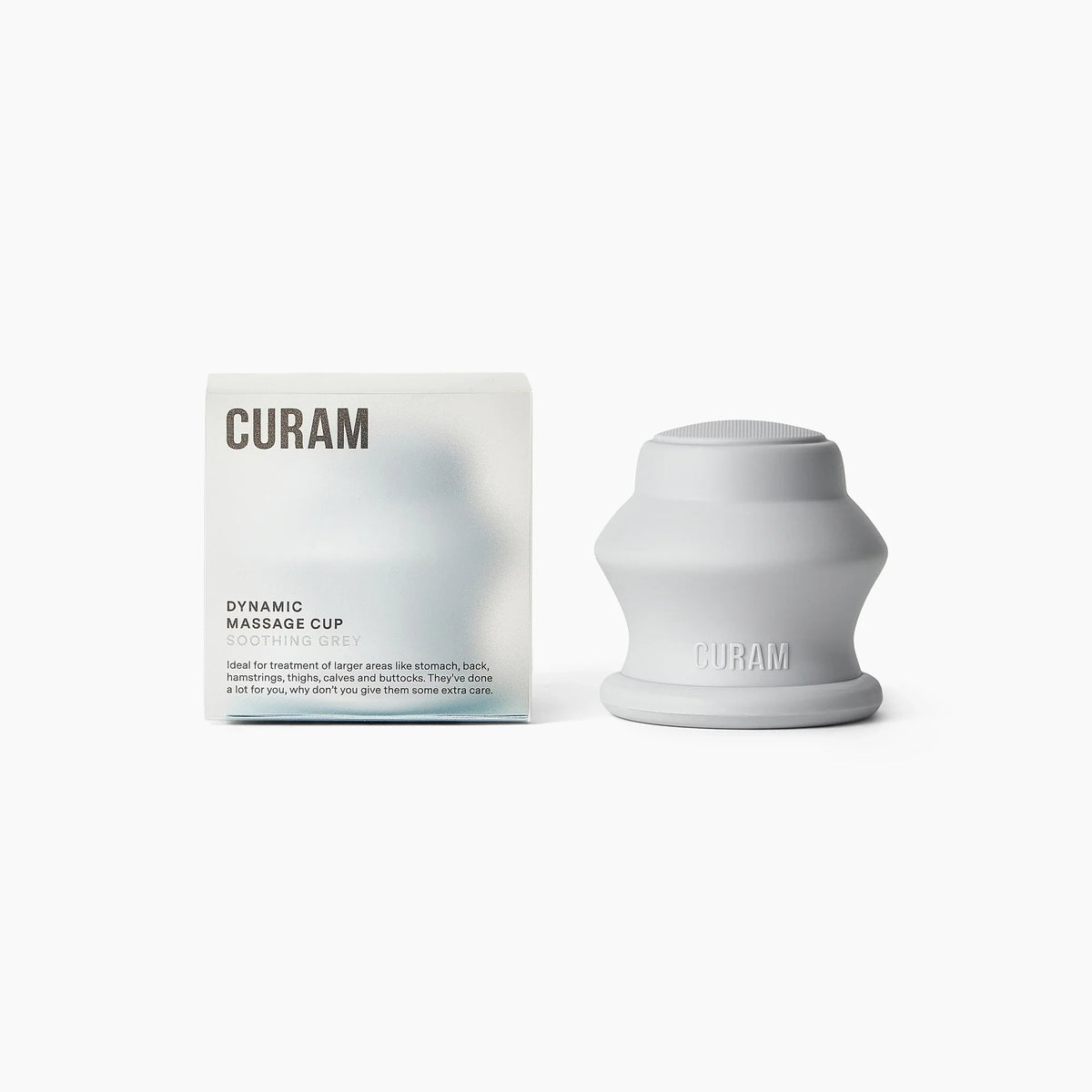
Sauna, cold plunges and ice baths work by forcing the body to regulate its temperature: heat widens the blood vessels, raises the pulse as in light exercise, dissolves muscle tension and lowers stress; cold narrows the vessels, triggers a strong stress response that then turns into calm, raises alertness and dampens inflammation and swelling in muscles. Research supports part of what tradition has always said: regular sauna is linked to lower risk of cardiovascular disease in large Finnish studies, improves sleep and relieves muscle pain; cold water after training reduces muscle soreness and perceived fatigue, and regular cold plunges improve mood and stress tolerance for many. Two caveats are important: ice baths straight after strength training can blunt muscle growth, and both strong heat and cold load the heart, so people with cardiovascular disease should ask their doctor first. Cupping fits well: dynamic cupping in or after the sauna when the tissue is warm and soft, and static cups with breathing to finish. Here is what is shown, how to do it safely, infrared sauna and how cupping fits in.
What research says
| Sauna (80–100 °C, dry) | Cold plunge and ice bath (0–15 °C) | Contrast bathing | |
|---|---|---|---|
| Heart and vessels | Large Finnish cohorts: four to seven sauna sessions a week linked to clearly lower risk of cardiac death, stroke and high blood pressure; the pulse rises as in brisk walking | Acute sharp rise in pulse and blood pressure (cold shock) in the first seconds; dangerous with heart disease and with uncontrolled cold plunges without habituation | Trains the vessels to widen and narrow; evidence for circulation and perceived recovery |
| Muscle soreness and recovery | Relieves muscle tension and ache, increases blood flow; moderate evidence for faster recovery | Reduces muscle soreness and perceived fatigue after hard sessions and tournaments; best evidence at 10–15 °C for 10–15 minutes | As good as cold water for perceived recovery in several studies |
| Muscle growth | No negative effect; heat after strength training may possibly help | Ice baths straight after strength training reduce muscle growth over time in several studies; wait at least 4–6 hours or save the cold plunge for rest days | Same caveat as cold water |
| Mood, stress and sleep | Relaxation, better sleep the same night, lower stress; some evidence in depression | Noradrenaline and dopamine rise sharply and stay up for hours: alertness, better mood, increased stress tolerance in regular cold bathers | Combines both |
| Inflammation and immune system | Fewer colds in regular sauna users in small studies | Dampens acute inflammation and swelling; long-term effect on the immune system uncertain | – |
| Weight loss | Fluid loss, not fat | Brown fat is activated but the effect on weight is small | – |
More on the basics of recovery in recovery after training and muscle soreness.
How to do it safely
Sauna
- 80–90 °C for 10–20 minutes, one to three rounds with cooling in between; beginners start with 5–10 minutes on the lower bench.
- Drink water before and after; avoid alcohol in the sauna entirely.
- Leave if you feel dizzy, nauseous or have palpitations; stand up slowly.
- Four times a week or more is where the Finnish studies see the largest effect, but even once or twice gives relaxation and better sleep.
Cold plunge, winter swimming and ice baths
- Start with a cold shower for the last 30–60 seconds for a few weeks, then a cold plunge at 10–15 °C for 1–3 minutes, and increase slowly. You do not need ice baths below 5 °C for the effect; 10–15 °C for 10–15 minutes is what has been studied best for muscle soreness.
- Breathe out slowly as you go in; the cold shock gives a reflex gasp and hyperventilation in the first 30 seconds, which passes if you breathe calmly. Never go in head first and do not swim out straight away.
- Never bathe alone in open water, have a ladder or shallow bottom, and warm up afterwards with clothes and movement, not with a hot shower straight away (blood pressure drop).
- After strength training: wait at least 4–6 hours with cold water if the aim is muscle growth; after cardio sessions and competition it is fine straight away.
Who should be careful or ask a doctor first
People with heart disease, untreated high blood pressure, heart rhythm disorders, previous stroke, angina, Raynaud's phenomenon (cold), epilepsy, pregnancy (sauna at moderate heat is usually fine, ice baths are advised against), diabetes with reduced sensation, and anyone who takes blood pressure medication or has a cold with fever. Children and older people tolerate heat and cold less well. Alcohol and sauna or cold water is a dangerous combination.
Infrared sauna: what it does and does not do
An infrared sauna heats the body directly with radiation at 45–60 °C instead of heating the air to 80–100 °C. It feels milder, can be sat in for longer (20–40 minutes) and is often better tolerated by those who find a regular sauna too hot. You sweat as much or more, the pulse rises moderately and muscles relax; the evidence for pain relief in muscle and joint pain and for relaxation is reasonable, and small studies show similar effects on blood pressure as traditional sauna. Claims about "detox", weight loss through fat burning and that the radiation "reaches deeper into the tissue" in a way that gives special health effects have no evidence; sweat is water and salt. Choose an infrared sauna because it is mild, comfortable and easy to have at home, not because it is superior; the Finnish heart studies concern traditional sauna.
Cupping in heat and cold
Heat and cupping reinforce each other: in the sauna or the warm shower the skin and fascia are soft, the blood vessels widened and the cup glides easily, so two to three minutes of dynamic cupping of the muscles you have trained gives more than the same cupping in a cold room. Cold and cupping do not go together: do not cup straight after a cold plunge when the vessels are constricted and the skin insensitive; wait until you are warm again. Here is how to structure it:
- In the sauna or straight after (after the first round, 5–10 minutes in): apply massage oil and cup thighs, calves and back with the dynamic cup in long strokes, one to two minutes per area, light to moderate suction. The skin turns pink faster than usual; use lighter suction than you normally would. Silicone cups tolerate sauna heat; rinse them afterwards.
- Cool down, shower, drink. With a cold plunge: wait with cups until you are completely warm again, at least 20–30 minutes.
- To finish: static cups on the chest for five minutes with a long exhale, lying in the rest room or at home; it extends the calm after the sauna and is a good way to wind down before sleep. See the guide to the vagus nerve.
- After a cold plunge on a rest day: once you are warm, light cupping of the calves and feet if they feel stiff, see cold feet.
Do not cup in the sauna if you feel dizzy or have high blood pressure, not over sunburnt or irritated skin, and not with the conditions where cupping is otherwise advised against, see when to avoid cupping. The sauna section in the Curam Recovery method describes the full routine.
Frequently asked questions
Is sauna good for recovery?
Yes: the heat increases blood flow, dissolves muscle tension, lowers stress and improves sleep the same night, and regular sauna is linked in large Finnish studies to lower risk of cardiovascular disease. 80–90 degrees for 10–20 minutes, one to three rounds, with water before and after and without alcohol.
How long and how cold should an ice bath be?
For muscle soreness, 10–15 degrees for 10–15 minutes has the best evidence; colder than that is not needed. Beginners start with a cold shower and then 1–3 minutes, and increase slowly. Breathe out calmly for the first 30 seconds, never bathe alone in open water, and warm up with clothes and movement afterwards.
Should you cold plunge after strength training?
Preferably not straight away: ice baths within a few hours of a strength session reduce muscle growth over time in several studies. Wait at least 4–6 hours or save the cold plunge for rest days and after cardio sessions, where it reduces muscle soreness and fatigue without a downside.
What is the difference between an infrared sauna and a regular sauna?
An infrared sauna heats the body directly at 45–60 degrees instead of the air to 80–100, feels milder and can be sat in for longer. Relaxation, sweating and pain relief are comparable; the heart studies concern traditional sauna, and claims about detox and fat burning have no evidence. Choose the one you enjoy.
Can you cup in the sauna?
Yes, and it is a good opportunity: warm skin and fascia let the cup glide easily and the effect on tight muscles is greater. Light suction, one to two minutes per area after the first round, silicone cups, water to drink, and not if you feel dizzy or have high blood pressure. Do not cup straight after a cold plunge; wait until you are warm.
Sources
- 1177 Vårdguiden (Swedish national health guide), search for "bastu", "kallbad" and "hjärt- och kärlsjukdomar" for medical information and who should be careful.
- Laukkanen et al., JAMA Internal Medicine 2015 (sauna frequency and cardiac death, Finnish cohort); reviews on cold water immersion and muscle soreness; Curam's FAQ and cupping programs, developed with trained massage therapists.
Written by Curam. Last updated 17 October 2026. This is general self-care information and does not replace medical care. For sudden, severe or unusual symptoms, contact your doctor. Talk to your doctor before cupping if you are pregnant, take blood thinners or have a condition affecting skin, blood vessels or blood.


