


Cold feet and hands are in most cases the body's normal way of saving heat: when it is cold, when you sit still or when you are stressed, the small blood vessels in the skin and fingers narrow so the heat stays in the trunk. Women, slim people, smokers and those with low blood pressure have it more often. What helps is movement, warmth on the trunk rather than just the feet, less nicotine and caffeine, breathing that lowers stress, and massage or cupping that widens the vessels in the legs and forearms. Fingers that turn white and then blue in the cold are Raynaud's phenomenon, and cold feet together with tiredness, feeling cold all over, numbness, wounds that do not heal or calf pain when walking should be investigated. Here are the causes, the warning signs, the self-care and how cupping is used.
Why are the feet and hands cold?
| Cause | Recognised by | What helps |
|---|---|---|
| Normal heat regulation | Cold feet when it is cold, when sitting still, in the evening on the sofa; warm up with movement and in bed | Movement, warm clothes on the trunk, warm wool socks, foot baths |
| Stress and shallow breathing | Cold, sometimes clammy hands in pressured situations; high pulse | Long exhale, breaks; see the guide to stress |
| Sitting still and a weak muscle pump | Cold and sometimes swollen feet after a day at the desk or travelling | Stand up every half hour, calf raises, a walk, cupping the calves |
| Nicotine and caffeine | Cold fingers after a cigarette, snus or a lot of coffee | Cut down; nicotine narrows the vessels for hours |
| Raynaud's phenomenon | Fingers or toes turning white, then blue and finally red and tingling in cold or stress; in attacks | Warmth, avoid rapid temperature changes, stop nicotine; a doctor if it starts in adulthood, is one-sided or causes sores |
| Thyroid (underactive) | Cold all over, tired, sluggish bowels, dry skin, weight gain, hair loss | Blood tests; treatment helps |
| Anaemia (iron deficiency) | Cold hands and feet with tiredness, pallor, breathlessness on stairs, palpitations; common with heavy periods | Blood tests; iron if deficient |
| Reduced circulation in the legs (atherosclerosis) | Cold, pale feet, calf pain that comes on walking and eases at rest (intermittent claudication), wounds that do not heal, especially in smokers and diabetics over 50 | Doctor; investigation and treatment. No cupping on that leg until assessed |
| Nerve involvement (diabetes, B12 deficiency) | Feet that feel cold although warm to touch, numbness, tingling, "walking on cotton" | Tests and assessment |
| Medication | Beta blockers, some migraine drugs and ADHD medication can give cold hands and feet | Talk to your doctor; do not switch on your own |
Seek care if
Seek urgent care if a foot or hand suddenly becomes cold, pale or blue and painful (a blocked blood vessel), or if a finger or toe turns white, numb and does not regain colour within half an hour in warmth. Contact your doctor if you have cold feet together with calf pain when walking, foot wounds that do not heal, numbness or tingling, tiredness and feeling cold all over, pallor and breathlessness, if Raynaud's attacks start in adulthood, are one-sided or cause sores on the fingertips, or if you have diabetes and cold feet with reduced sensation.
Self-care that gets the circulation going
- Warm the trunk, not just the feet. The body only releases heat to the hands and feet when the core is warm: an extra layer on the upper body, a scarf and a hot drink do more than thick socks. Wool against the skin, two thin layers instead of one thick, and shoes that are not tight.
- Movement several times a day. Calf raises, ankle circles, squats and a walk get the calf muscle pump working. If you sit a lot: stand up every half hour. See the guide for people who sit a lot.
- Contrast baths for feet or hands: 3 minutes warm (38–40 degrees Celsius), 30 seconds cool, four rounds, finish warm. Trains the vessels to switch. Not with vascular disease in the legs or reduced sensation.
- Foot bath and massage in the evening: ten minutes in warm water, dry, oil and massage the soles and calves upwards. Cupping below.
- Breathing and stress. A long exhale for five minutes measurably widens the vessels in the hands; that is why the hands get warm with relaxation. See breathing exercises.
- Nicotine, caffeine, alcohol. Nicotine narrows the vessels for hours; alcohol makes the skin warm but lowers core temperature. Cut down on both.
- Eat enough and regularly. Low weight, skipped meals and iron deficiency give cold extremities; check iron and thyroid if you are always cold.
- Sleep with warm feet. Warm feet at bedtime shorten the time to fall asleep; socks or a hot water bottle at the foot end help those who lie awake because their feet are cold. See the guide to sleep problems.
Cupping for cold feet and hands: how to
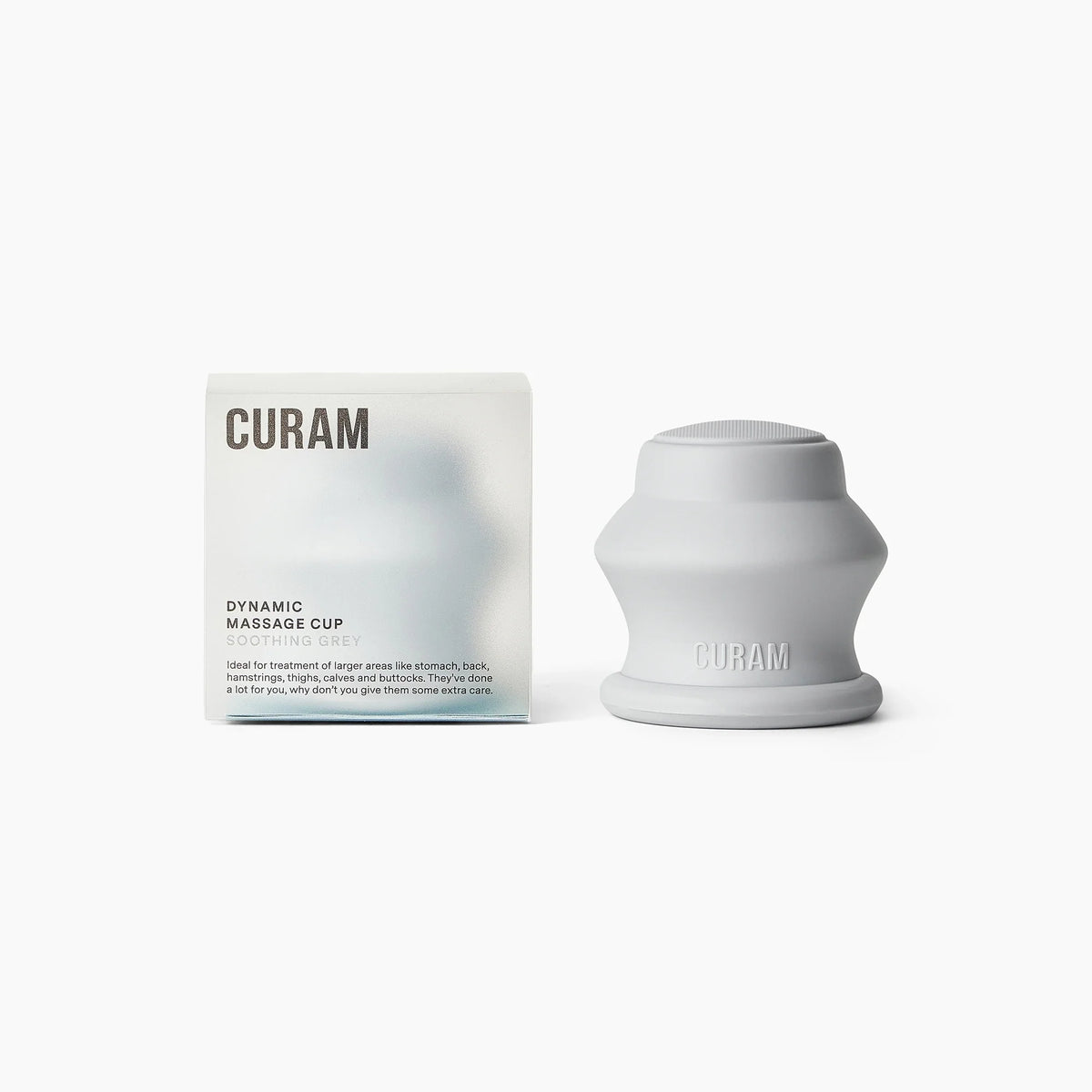
Dynamic cupping gives a clear and rapid increase in blood flow in the skin and muscle under the cup; that is why the skin turns pink. For cold feet and hands you use it on the calves and forearms, where the large muscles and vessels run, not on the feet and fingers themselves, which have thin skin and small vessels.
- Sit or lie somewhere warm, preferably after a foot bath. Oil the calf with massage oil.
- The dynamic cup with light suction: long strokes from the heel up towards the back of the knee on the back of the calf, towards the heart, two minutes per leg. Continue on the back of the thigh up towards the glutes, one minute.
- Sole of the foot: the mini cup with light suction from the toes towards the heel, 30 seconds per foot; skip if the skin is thin, dry or has wounds.
- Hands: the inside and top of the forearm with the mini cup, from the wrist up towards the elbow, one minute per arm. Not on the hand or fingers.
- Finish by putting on warm socks. Daily for two weeks in the evening to evaluate, then three times a week.
The full leg routine is in the cupping program for lymph flow and the guide to swollen legs and feet. Do not cup legs with suspected atherosclerosis (calf pain when walking, wounds), a blood clot, severe varicose veins, reduced sensation from diabetes or nerve damage, during a Raynaud's attack, or on skin with wounds or eczema.
Frequently asked questions
Why do I always have cold feet?
Usually normal heat regulation amplified by sitting still, stress, nicotine, low weight or low blood pressure. Always cold feet together with tiredness, feeling cold all over, pallor, numbness or calf pain when walking should be investigated for thyroid, anaemia, nerve involvement or vascular disease.
What helps quickly against cold feet?
Movement (calf raises, stairs), warmth on the trunk, a hot drink, a foot bath followed by massage or cupping of the calves, and warm wool socks. Warm feet at bedtime also make you fall asleep faster.
Does cupping help cold feet and hands?
As a circulation booster on calves and forearms, yes: blood flow in the skin and muscle increases clearly and many get warm feet straight afterwards. The effect is temporary and needs repeating. Do not cup with vascular disease, a blood clot, reduced sensation or during a Raynaud's attack.
What is Raynaud's phenomenon?
Fingers or toes turning white, then blue and finally red and tingling in cold or stress, in attacks lasting minutes to an hour. Common and usually harmless in young women; if it starts in adulthood, is one-sided or causes sores on the fingertips it should be investigated since it can be linked to rheumatic disease.
Can cold feet be due to the heart or blood vessels?
Yes, atherosclerosis in the leg arteries gives cold, pale feet, calf pain when walking that eases at rest, and wounds that do not heal, above all in smokers and diabetics over 50. It should be investigated, and cupping of the legs should wait until it is assessed.
Sources
- 1177 Vårdguiden (Swedish national health guide), search for "Raynauds fenomen", "fönstertittarsjuka", "blodbrist" and "hypotyreos" for medical information and when to seek care.
- Curam's FAQ and cupping programs, developed with trained massage therapists.
Related guides
- Hallux valgus (bunions) – what helps and exercises
- Thumb pain and hand osteoarthritis – what helps
- Leg pain – causes, warning signs and what helps
- Sauna, cold plunge and ice baths – recovery that works
Written by Curam. Last updated 17 October 2026. This is general self-care information and does not replace medical care. For sudden, severe or unusual symptoms, contact your doctor. Talk to your doctor before cupping if you are pregnant, take blood thinners or have a condition affecting skin, blood vessels or blood.


