


Hallux valgus means the big toe angles towards the other toes while the big toe joint is pushed outwards and forms a bump on the inside of the foot (a bunion). The deformity comes from a combination of heredity (the shape of the joint, loose ligaments, a flat arch), tight shoes with a narrow toe box and heels, and time; women are affected far more often. The bump hurts from shoe pressure, the joint becomes stiff and sometimes inflamed, and when the big toe no longer carries its share, the load shifts to the other toes, with calluses and pain under the forefoot as a result. The deformity itself cannot be exercised or massaged away, but the pain, the stiffness and the rate of progression can be influenced: wide shoes, toe spacers and insoles, exercises for the small foot muscles, and massage and cupping that keep the joint mobile and soften the sole. Surgery is relevant when the pain disturbs daily life despite this. Here are the causes, the warning signs, the self-care step by step and how to cup the foot.
Why do you get hallux valgus?
- Heredity. The shape of the big toe joint, loose ligaments and a low arch run in families; if your mother or grandmother has it the risk is high.
- Shoes. A narrow toe box and heels push the big toe inwards and put the weight on the forefoot. Shoes rarely cause the deformity on their own, but often decide how fast it develops and how much it hurts.
- A flat arch and overpronation. When the foot rolls inwards with every step, the big toe joint is loaded at an angle. See the guide to plantar fasciitis and tired feet.
- Rheumatic disease, loose joints, pregnancy and age weaken the ligaments.
How it feels
A bump on the inside of the foot at the big toe joint that reddens and hurts in shoes, a big toe pointing towards the other toes that may lie under or over the second toe, stiffness in the toe joint, calluses under the second and third toe joints, and sometimes burning pain and numbness on the inside of the toe when a nerve is pinched. The pain varies: some have large bumps without problems, others small bumps with a lot of pain. More on pain in other parts of the foot in the guide to foot pain.
Big toe pain: hallux valgus, hallux rigidus or gout?
Big toe pain has three common causes that are easy to confuse. Hallux valgus hurts on the bump on the inside of the foot from rubbing, and in the joint from the toe being loaded at an angle; the pain comes gradually and is worst in tight shoes. Hallux rigidus is osteoarthritis of the big toe joint: the joint becomes stiff and tender on top, it hurts to roll off in the step and stand on tiptoe, and a bony bump can form on top of the joint instead of on the side. Here a stiff rocker sole, wide shoes, mobility exercises for the toe, and cupping of the sole and calf help; with severe stiffness the joint can be operated on. Gout gives sudden, very severe pain in the big toe joint, often at night, with a red, hot, swollen and extremely tender joint, sometimes fever; it is a crystal inflammation treated by a doctor and should not be massaged or cupped. A toe that hurts after a blow or a jump may be a fracture or "turf toe" (ligament injury) and should be assessed if it swells and cannot bear weight.
Seek care if
Contact your doctor if the pain disturbs walking and daily life despite wide shoes and self-care for a few months, if the joint is red, hot and swollen (an inflamed bursa or, rarely, gout or infection, especially with fever), if the toe quickly changes position or lies over its neighbour, if you get a sore on the bump (especially with diabetes or reduced sensation), or if you have numbness in the toe. An orthopaedic surgeon assesses whether surgery is relevant; it is done for pain and functional problems, not for cosmetic reasons.
Self-care that helps
- Wide shoes with a low heel are the most important thing: the toes should have room next to each other, the upper should be soft over the bump, the heel under 3 cm. Have your feet measured in a shop in the afternoon; many wear shoes that are too small. Stretching the shoe over the bump at a cobbler helps.
- Toe spacers. A silicone spacer between the big toe and the second toe, or a spreader for all toes, offloads and reduces pain during the day. A night splint that holds the toe straight relieves some people but does not straighten the joint permanently.
- A gel pad over the bump against rubbing, and insoles with arch support if you pronate; an orthotist or physiotherapist can fit them.
- Daily foot exercises (5 minutes): "short foot" (draw the forefoot towards the heel without curling the toes, 10 x 5 seconds), toe spreading (splay the toes, 10 times), big toe lifts (lift only the big toe with the others on the floor, then the opposite, 10 times), towel scrunches with the toes, and calf raises with a ball between the heels. Stronger foot muscles slow the progression and reduce pain.
- Keep the joint mobile: gently pull the big toe straight and move it up and down for a minute every evening. Stiffness in the joint is what makes steps heavy.
- Massage and cupping of the sole, arch and calf as below.
- With inflammation: cold for 10 minutes, rest from the shoes that rub, an over-the-counter anti-inflammatory gel or tablet for a few days.
- Weight and walking. Excess weight increases the pressure on the forefoot; walk barefoot on soft surfaces at home to train the foot.
Cupping and massage of the foot for hallux valgus
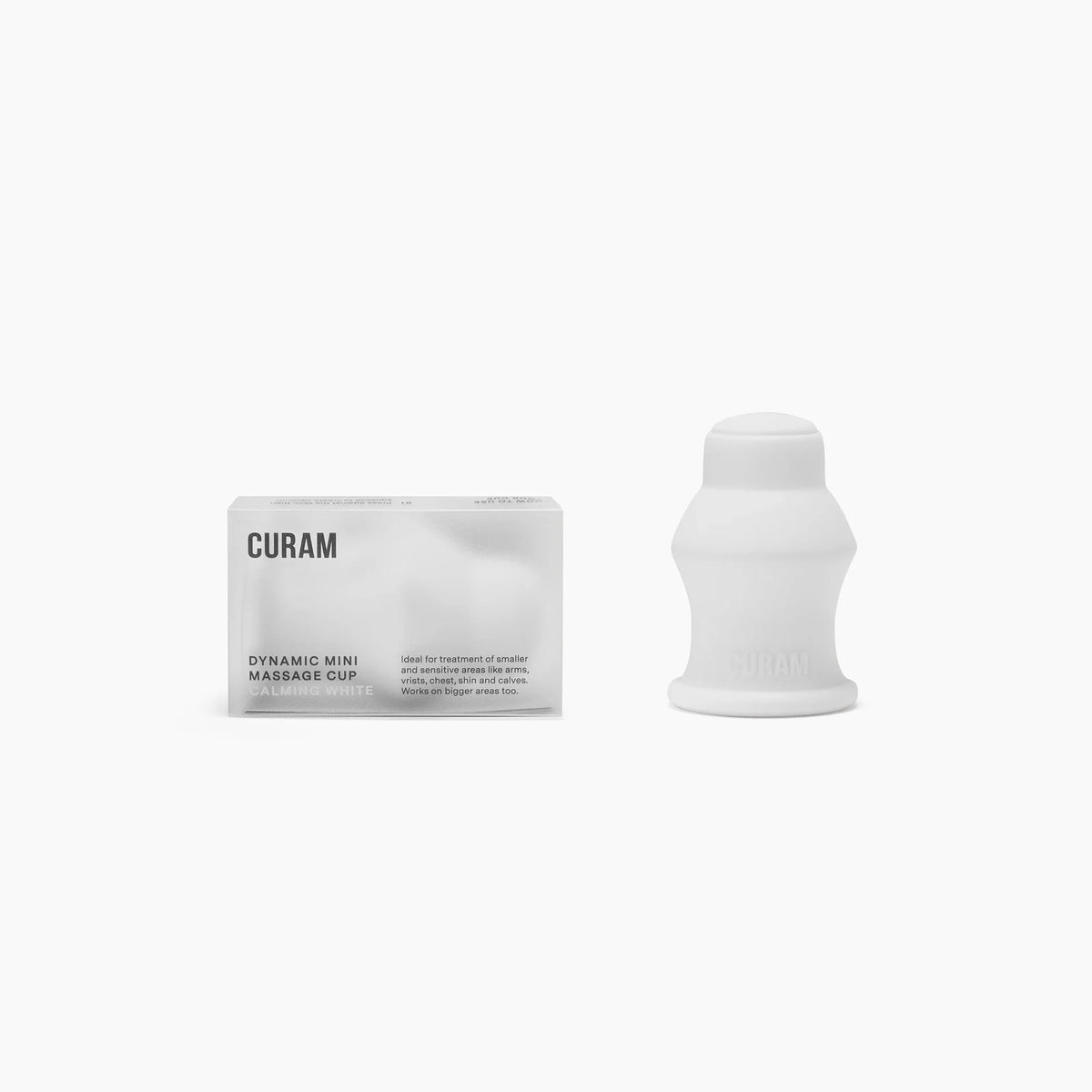
Cupping the sole, arch and calf softens the plantar fascia under the foot, increases circulation around the stiff toe joint and relieves the tension that builds up when the foot is loaded at an angle. It does not straighten the toe, but makes the foot softer and less tender, and helps you keep the joint mobile. Use the mini cup with light suction and massage oil.
- Sit with the foot in your lap. Oil the sole and calf.
- Sole: long strokes from the heel forward towards the toes along the arch, two minutes, and small circles under the forefoot behind the toes, 30 seconds. Light suction; the skin under the foot is thick but the area is tender.
- Around the big toe joint: small, light strokes on the top and inside of the foot around the bump, not on the bump itself, 30 seconds. Skip if the joint is red and hot.
- Calf: strokes from the heel up towards the back of the knee, two minutes; a tight calf increases the pressure on the forefoot with every step.
- Finish by gently pulling the toe straight and doing toe spreads and big toe lifts. Three times a week, or every evening after a long day on your feet.
The full foot routine is in the Footloose cupping program. Do not cup a red, hot and swollen joint, sores or cracked calluses, with reduced sensation from diabetes or nerve damage, or with suspected gout or infection.
When is surgery relevant, and what can you expect?
Surgery (where the bone is cut and the toe realigned) is considered when the pain disturbs walking and daily life despite wide shoes, toe spacers and exercises, or when the toe lies over its neighbour and causes sores. Results are usually good but it takes six to twelve weeks before you walk normally and up to a year before everything has healed, and the deformity can return if the shoes are not changed. Surgery is not done for cosmetic reasons within Swedish public healthcare. After healing, foot exercises, massage and cupping are good ways to keep the foot mobile.
Frequently asked questions
Can hallux valgus be exercised away?
No, the misalignment in the joint does not reverse with exercises, toe spacers or massage. However, strong foot muscles, wide shoes and a mobile joint reduce the pain and slow the progression, and that is enough for many people to avoid surgery.
What helps the pain of hallux valgus?
Wide shoes with a low heel and a soft upper, a gel pad over the bump, toe spacers, insoles for flat feet, daily foot exercises, and massage or cupping of the sole and calf. With inflammation: cold and a few days' rest from shoes that rub.
Does cupping help hallux valgus?
For the pain and stiffness, yes: cupping the sole, arch and calf softens the tissue, increases circulation around the joint and makes the foot less tender. It does not straighten the toe. Cup around the bump, never on it, and not on a red and hot joint.
Which shoes should you wear with hallux valgus?
Wide in the forefoot so the toes have room next to each other, a soft and stretchy upper over the bump, a low heel (under 3 cm), a firm heel counter and arch support if you pronate. Avoid a narrow toe box and high heels; they are what worsen it fastest.
When should hallux valgus be operated on?
When the pain disturbs walking and daily life despite wide shoes, toe spacers and exercises for a few months, when the toe lies over its neighbour or causes sores, or when the calluses under the forefoot become a major problem. An orthopaedic surgeon assesses; within public healthcare it is not operated on for cosmetic reasons.
Sources
- 1177 Vårdguiden (Swedish national health guide), search for "hallux valgus" for medical information, surgery and when to seek care.
- Curam's FAQ and cupping programs, developed with trained massage therapists.
Related guides
Written by Curam. Last updated 17 October 2026. This is general self-care information and does not replace medical care. For sudden, severe or unusual symptoms, contact your doctor. Talk to your doctor before cupping if you are pregnant, take blood thinners or have a condition affecting skin, blood vessels or blood.


