


Flat feet mean the arch on the inside is low or disappears when you stand, so the whole sole touches the floor and the heel often angles outwards. In children under six it is normal, and in many adults a "flexible flat foot" (the arch appears when you stand on tiptoe) is completely harmless and needs no treatment. Problems arise when the foot rolls inwards (overpronates) with every step: tired and aching feet, arch pain, heel spurs and plantar fasciitis, Achilles problems, shin splints, pain on the inside of the knees and sometimes in the hip and lower back. What helps is strengthening the small foot muscles and the calf, shoes with support and sometimes insoles, weight control and softening the sole and calf that work too hard. A flat foot that came on quickly in adulthood, only on one side and with pain on the inside of the ankle, can be a damaged tendon and should be assessed. Here is when flat feet are a problem, the warning signs, the exercises, the shoes and how cupping is used.
Different kinds of flat feet
| Type | Recognised by | What helps |
|---|---|---|
| Flexible flat foot | The arch is flat when you stand but appears when you stand on tiptoe or sit; most common, often hereditary; causes problems only if the foot overpronates a lot | Foot exercises, supportive shoes, insoles if problems |
| Adult-acquired flat foot (tibialis posterior dysfunction) | The arch collapses gradually in adulthood, often one side, pain and swelling on the inside of the ankle behind the ankle bone, hard to stand on tiptoe on one leg; more common in women over 40, with excess weight and diabetes | Doctor and physiotherapist early: brace, insoles, specific training; the tendon does not recover on its own |
| Rigid flat foot | The arch does not appear even on tiptoe; congenital fusion or osteoarthritis; often a stiff and tender foot | Orthopaedic surgeon; insoles, sometimes surgery |
| Children | Normal under six; the arch develops as the foot muscles grow | Barefoot on uneven surfaces, no insoles without problems; assessment if stiff, tender or one-sided |
When flat feet cause problems
Arch pain and pain under the heel after standing and walking, tired feet in the evening, tenderness on the inside of the ankle, an Achilles tendon that bows outwards, shoes worn down at an angle on the inside, and pain that travels upwards: the inside of the knees, the hip and the lower back compensate for a foot that rolls inwards. Runners often get shin splints or plantar fasciitis from overpronation; see the guide to shin splints and plantar fasciitis and tired feet. Quick test: look at your feet from behind in a mirror; if you see more than two toes on the outside of the heel ("too many toes") the foot clearly rolls inwards.
Pain in the arch of the foot
Pain in the arch almost always means the plantar fascia under the foot or the tibialis posterior tendon that holds up the arch is overloaded. With flat feet both are stretched with every step, with a high arch the fascia instead becomes short and tight, and both give the same dull ache in the arch that is worst in the morning and after a lot of standing. If the pain sits mainly at the inside of the heel and is worst in the first steps of the morning it is plantar fasciitis, see the guide to plantar fasciitis. The self-care is the same: roll the arch over a ball, calf stretches, the arch exercises below, supportive shoes and cupping of the sole and calf. Arch pain with swelling on the inside of the ankle should be assessed.
Seek care if
Contact your doctor if the arch has collapsed over a short time in adulthood, especially on one side and with pain or swelling on the inside of the ankle (suspected tibialis posterior injury, which should be treated early), if you cannot stand on tiptoe on one leg, if the foot is stiff and tender, if a child has stiff, tender or one-sided flat feet or walks in a way that worries you, if you have diabetes or reduced sensation and get foot problems, or if self-care has not helped in three months.
Exercises that build up the arch (10 minutes, daily)
An arch is held up by muscles, not only by bones and ligaments. The exercises strengthen the small foot muscles, the tibialis posterior that lifts the arch from the inside, and the calf, and they have evidence for reducing pain and improving foot function in flexible flat feet. Expect six to twelve weeks.
- Short foot. Sit or stand, draw the forefoot towards the heel without curling the toes so the arch lifts, hold 5 seconds, 10 times. The most important exercise; do it when standing in a queue too.
- Calf raises with inward rotation. Stand with a ball or folded towel between the heels, rise onto tiptoe and squeeze the ball, 3 x 15. Trains the tibialis posterior.
- Single-leg stance on a short foot, 30 seconds per side, then with a slight knee bend.
- Towel scrunches and picking up marbles with the toes, 2 minutes.
- Toe spreading and big toe lifts, 10 each.
- Calf stretch against a wall with a straight and a bent knee, 30 seconds each: a tight calf pulls the foot into pronation.
- Hip and glute strength: clams, side-lying leg lifts and bridges, since weak glutes let the knee and foot fall inwards; see balance exercises.
Walk barefoot at home on soft and uneven surfaces, and in shoes with a thin, flexible sole on short walks once the feet have become stronger; that is training in itself.
Shoes and insoles
- A firm heel counter and a sole that cannot be twisted in the middle, with light support under the arch; running shoes labelled "stability" or "support" for those who pronate.
- Insoles help with problems (arch pain, plantar fasciitis, shin splints) but do not "cure" flat feet; use them under load and train the foot at the same time. Ready-made insoles from a pharmacy or sports shop are often enough; an orthotist for major problems, one-sided flat feet or diabetes.
- Avoid completely flat shoes without support (ballet flats, thin sandals) on long days on your feet, and replace running shoes worn down at an angle.
- Weight: the arch carries the whole body; a few kilos less is felt in the feet first.
Cupping the sole and calf for flat feet
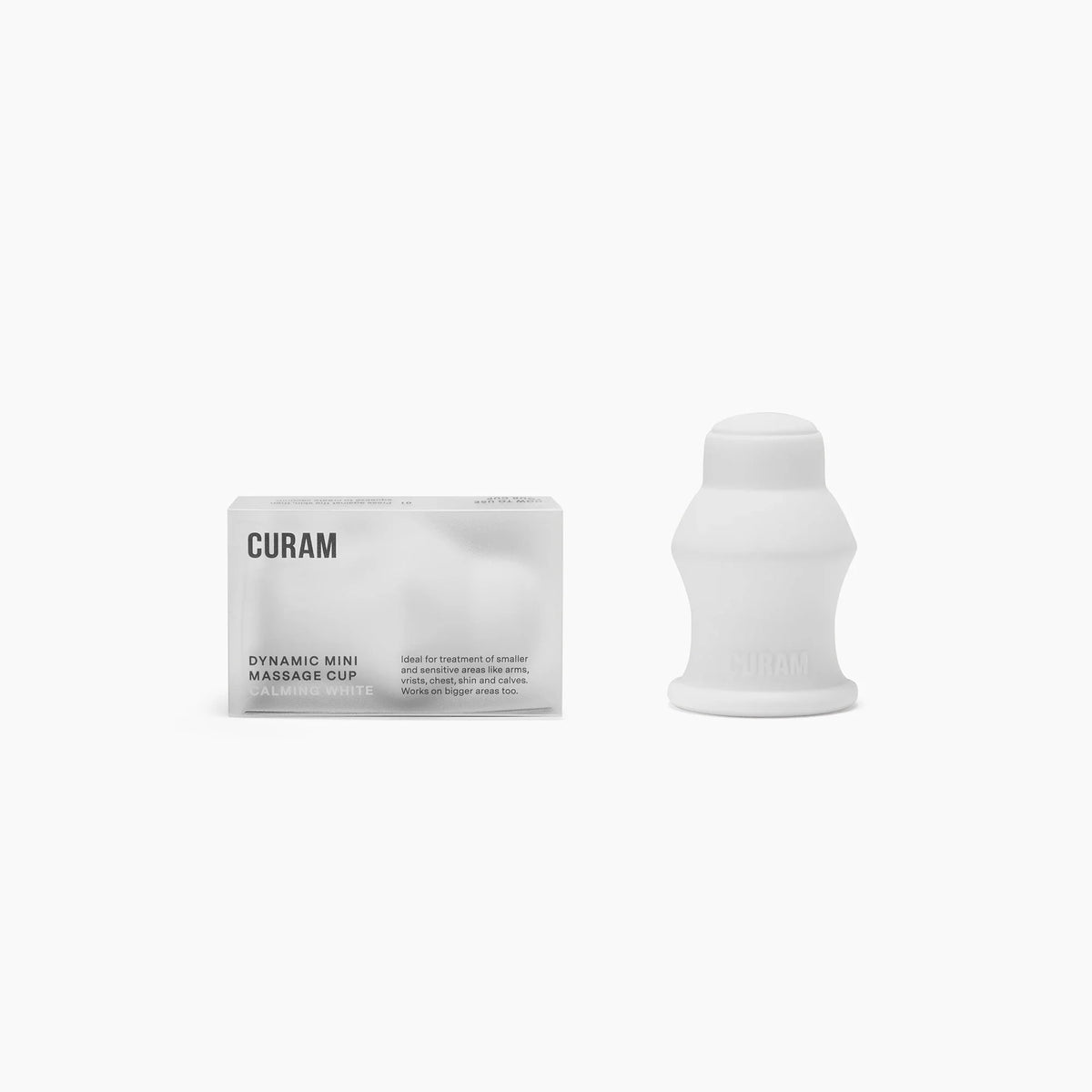
With flat feet, the plantar fascia, tibialis posterior and calf work harder than they are built for, and become tender and tight. Cupping softens them, increases circulation and reduces the ache so the exercises go more easily; it does not lift the arch but makes the foot less tired. Use the mini cup with light suction and massage oil.
- Sit with the foot in your lap. Oil the sole, the inside of the lower leg and the calf.
- Arch: long strokes from the heel forward towards the ball of the foot along the inside of the sole, two minutes.
- Inside of the lower leg (tibialis posterior, behind the shin bone): light strokes from the inner ankle bone up towards the knee, one minute. Tender area, light suction.
- Calf: strokes from the heel up towards the back of the knee, two minutes, and circles on the thickest part of the calf.
- Finish with short foot, calf raises and a calf stretch. Three times a week, or every evening after long days on your feet. The full foot routine is in the Footloose cupping program.
Do not cup with swelling and warmth on the inside of the ankle before it is assessed (tendon injury), with reduced sensation from diabetes or nerve damage, on sores or cracked calluses, or with a suspected stress fracture.
Frequently asked questions
Are flat feet dangerous?
No, a flexible flat foot is common and usually harmless, and many live their whole lives without problems. It becomes a problem only when the foot rolls inwards so much that the arch, Achilles tendon, shins, knees or hips are loaded at an angle and ache. A flat foot that came on quickly on one side in adulthood should, however, be assessed.
Can flat feet be exercised away?
A flexible arch can be lifted and strengthened with exercises such as short foot, calf raises with inward rotation and single-leg stance, so the foot rolls inwards less and the problems decrease; six to twelve weeks daily. The bone and joint shape does not change, but the function does. Rigid flat feet and tendon disease need medical care.
Does cupping help flat feet?
For the tiredness and ache in the sole, tibialis posterior and calf, yes: cupping softens the muscles and tendons that work too hard and makes the exercises easier. It does not lift the arch; the exercises do that, and with problems, shoes and insoles.
Do you need insoles for flat feet?
Not without problems. With arch pain, plantar fasciitis, shin splints or knee problems from overpronation, insoles help under load, combined with foot exercises. With one-sided, rapidly developed flat feet, a rigid foot or diabetes, insoles should be fitted by an orthotist.
Why does the arch hurt?
Usually overload of the plantar fascia under the foot (plantar fasciitis) or of the tibialis posterior tendon that lifts the arch, from the foot rolling inwards, a lot of standing, flat shoes, weight gain or new training. Self-care with exercises, shoes and cupping helps most people; pain and swelling on the inside of the ankle should be assessed.
Sources
- 1177 Vårdguiden (Swedish national health guide), search for "plattfot" and "ont i foten" for medical information and when to seek care.
- Curam's FAQ and cupping programs, developed with trained massage therapists.
Related guides
Written by Curam. Last updated 17 October 2026. This is general self-care information and does not replace medical care. For sudden, severe or unusual symptoms, contact your doctor. Talk to your doctor before cupping if you are pregnant, take blood thinners or have a condition affecting skin, blood vessels or blood.


