


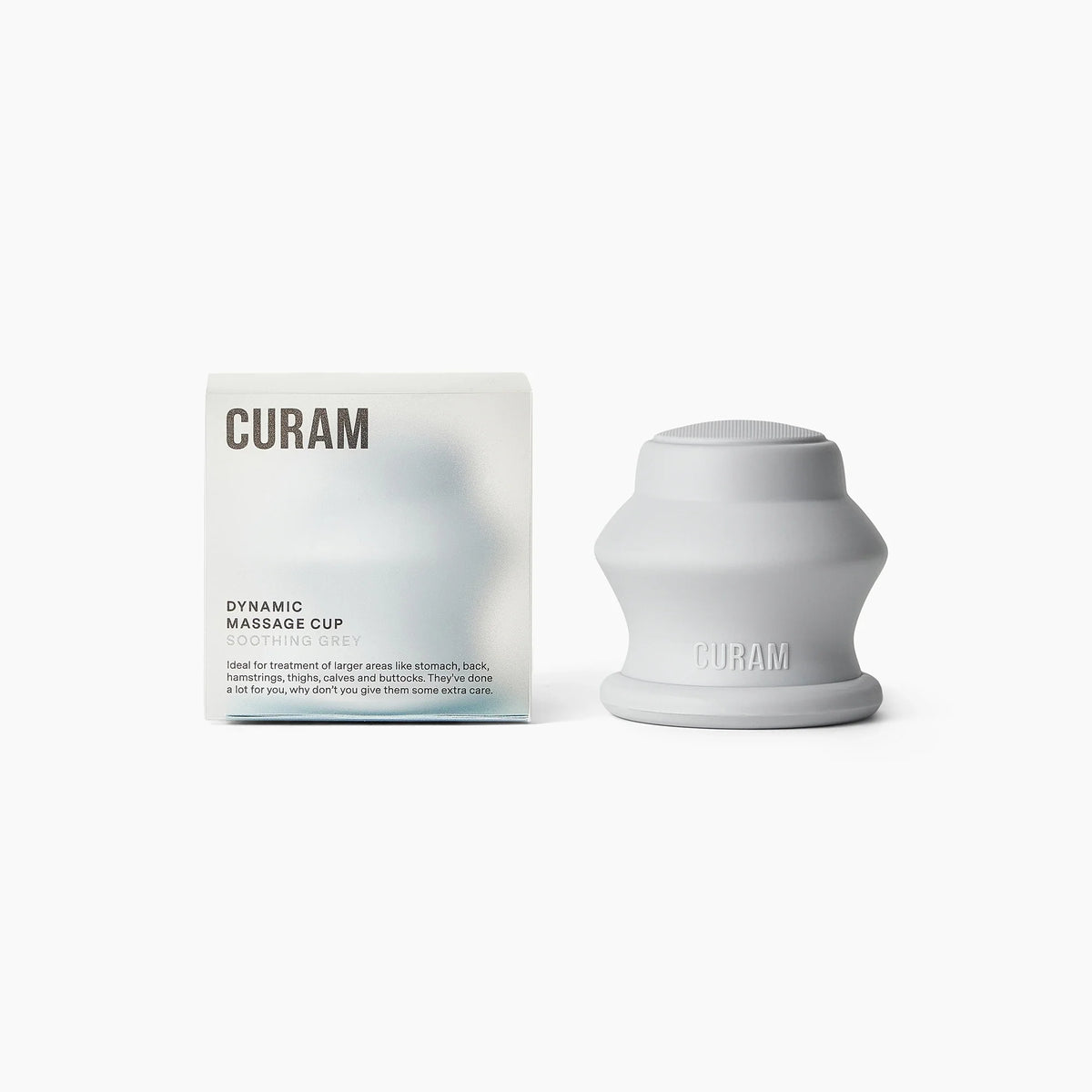
A bloated stomach is a belly that feels tight, swollen and heavy, often with gas, rumbling and a waistband that is tight in the evening although it fit fine in the morning. Usually the cause is harmless and everyday: gas formed when gut bacteria ferment carbohydrates (onion, beans, wheat, apple, sweeteners), air you swallow when eating fast, chewing gum or drinking fizzy drinks, a sluggish bowel collecting contents, stress that switches off digestion and makes the belly tense, or hormones in the days before a period. In about one in ten it is IBS, where the gut is extra sensitive to gas and tension. The self-care with evidence is eating more calmly and in smaller portions, finding which foods ferment in you specifically, moving after meals, breathing with the belly and managing the bowel; clockwise abdominal massage with cups helps gas and contents move on and calms a tense abdominal wall. Bloating that is new after 50, comes with weight loss, blood, fever, symptoms at night or does not go down overnight should be investigated. Here are the causes, the warning signs, the self-care and the abdominal massage.
Why does the stomach bloat? The cause table
| Cause | Recognised by | What helps |
|---|---|---|
| Gas-forming foods (FODMAP) | Bloating and gas a few hours after onion, garlic, beans, lentils, cabbage, apple, pear, wheat, milk, sweeteners (sorbitol, xylitol) | Find your worst foods with a food diary, reduce them; a FODMAP period with a dietitian for IBS |
| Swallowed air | Burping, bloating straight after meals; eating fast, talking while eating, chewing gum, fizzy drinks, straws, smoking | Eat slowly with the mouth closed, chew properly, skip fizzy drinks and gum |
| Sluggish bowel | Bloating that increases through the week with infrequent, hard bowel movements | Fibre and fluid, movement, toilet routine, abdominal massage. See the guide to sluggish bowels |
| Stress | A tense belly, shallow breathing, bloating and a restless stomach in pressured periods; better on holiday | Belly breathing, long exhale, static cups on the belly, movement. See the guide to stress |
| IBS | Bloating and stomach pain that eases after a bowel movement, alternating sluggish and loose bowels, for at least three months | Diagnosis by a doctor; FODMAP, movement, stress management, gut-directed hypnotherapy; abdominal massage as a complement |
| Hormones | A swollen belly in the days before a period and in menopause | Movement, less salt, lymphatic drainage; see period pain and PMS |
| Lactose or gluten intolerance, coeliac disease | Bloating, gas and loose bowels after milk or after bread and pasta; tiredness, iron deficiency with coeliac disease | Tests for coeliac disease before excluding gluten; lactose-free with lactose intolerance |
| Bacterial overgrowth, ulcers, gallbladder problems | Severe bloating straight after all food, pain under the right rib margin, acid reflux | Doctor |
| Weak abdominal wall and posture | The belly pokes out and feels heavy without gas, especially after pregnancy or with a desk job | Deep abdominal muscles, posture; see the guide to diastasis recti |
Seek care if
Seek urgent care if the belly is severely distended, hard and painful with vomiting, or if you have not been able to pass gas or stool for several days together with pain (bowel obstruction). Contact your doctor if the bloating is new and persistent after 50, if it comes with unexplained weight loss, blood in the stool, black stools, anaemia, fever, symptoms at night, difficulty swallowing, persistent pain, a belly that does not go down overnight, a lump you can feel, or if you are a woman with persistent bloating, early fullness and frequent urination (should be investigated for the ovaries).
Self-care with evidence
- Eat more calmly. Sit down, chew each mouthful until it is liquid, put the cutlery down between bites, eat smaller portions more often. Half of everyday bloating is swallowed air and portions that are too big.
- Find your foods. Keep a diary for two weeks of food and bloating; the most common culprits are onion, garlic, beans, wheat, apple, sweeteners and milk. Reduce one thing at a time for a week. With IBS: a structured low-FODMAP period with a dietitian, followed by reintroduction; do not exclude whole groups permanently on your own.
- Move after meals. A ten to fifteen minute walk after a meal measurably reduces gas and bloating. Daily movement keeps the bowel going.
- Breathe with the belly. Stress tenses the abdominal wall and diaphragm so gas gets stuck; ten slow belly breaths before meals and when the belly feels tense. See breathing exercises.
- Manage the bowel. Fibre with fluid, a toilet routine with a footstool; with a sluggish bowel gas collects behind the contents.
- Skip fizzy drinks, gum, straws and sweeteners for two weeks and see what happens.
- Positions that release gas: lie on the left side with knees drawn up, knee to chest, child's pose and a reclining twist; see yin yoga.
- Over-the-counter when needed: simethicone (anti-gas), peppermint oil capsules for IBS, and lactase tablets if lactose intolerance is suspected; ask the pharmacist.
Abdominal massage with cups for bloating and gas
Clockwise abdominal massage follows the direction of the colon and helps gas and contents move on towards the rectum; with cups you get a gentle lift that also releases the tension in the abdominal wall, which with stress and IBS is often the largest part of the discomfort. Studies on abdominal massage show reduced bloating and more bowel movements in constipation and IBS. Use the dynamic cup with very light suction (squeeze it halfway) and massage oil, an hour or more after a meal.
- Lie on your back with bent knees. Take ten belly breaths so the abdominal wall softens.
- Open: stroke with a flat hand clockwise around the navel ten times.
- The path of the colon: the cup from the right hip bone up towards the right rib margin, across the belly under the ribs to the left, and down to the left hip bone, one stroke of about ten seconds, 10–15 rounds. That is the route the gas needs to go.
- Left side extra: small strokes downwards from the left rib margin towards the groin, where gas and contents often collect before the rectum, one minute.
- The diaphragm: light strokes along the lower edge of the rib margin from the middle out to the sides, one minute, and breathe deeply; a tense diaphragm holds gas in.
- Static finish: one cup with light suction below the navel, ten belly breaths; then lie on your left side for a while. Five to ten minutes in total, daily when needed.
The full routine with video is in the cupping program for sluggish digestion. Do not cup the abdomen if you are pregnant, recently operated, have a hernia, acute abdominal pain, fever, inflammatory bowel disease in a flare, or blood in the stool that has not been investigated; wait an hour after meals and stop if it hurts.
Frequently asked questions
Why am I bloated every evening?
The belly fills with gas from the day's food fermenting in the colon, with swallowed air and with contents that have not been emptied; in addition, the abdominal wall muscles tire during the day. Smaller portions, slower eating, a walk after meals, fewer gas-forming foods and clockwise abdominal massage in the evening help most people. If the swelling does not go down overnight, let a clinician assess it.
What helps quickly against a bloated stomach and gas?
A ten-minute walk, ten belly breaths, clockwise abdominal massage with hand or cup for five minutes, lying on the left side with knees drawn up, warm water or peppermint tea, and simethicone from the pharmacy. Long term it is the food, eating technique and bowel routine that make the difference.
Does cupping help a bloated stomach?
As abdominal massage, yes: light clockwise cupping along the colon helps gas and contents move on and releases the tension in the abdominal wall, which with stress and IBS is a large part of the discomfort. Studies on abdominal massage show reduced bloating. Not with pregnancy, hernia, acute abdominal pain or fever.
Which foods cause the most gas?
Onion, garlic, beans, lentils, cabbage, apple, pear, watermelon, wheat and rye in quantity, milk with lactose intolerance, and sweeteners such as sorbitol and xylitol. What ferments differs between people; a food diary for two weeks shows yours. Fizzy drinks and gum add air.
When is a bloated stomach dangerous?
Rarely, but new persistent bloating after 50, weight loss, blood in the stool, fever, symptoms at night, a belly that does not go down overnight, or in women bloating with early fullness and frequent urination should be investigated. A severely distended, hard and painful belly with vomiting is an emergency.
Sources
- 1177 Vårdguiden (Swedish national health guide), search for "gaser i magen", "IBS" and "celiaki" for medical information, investigation and when to seek care.
- Curam's FAQ and cupping programs, developed with trained massage therapists.
Related guides
- Fatigue – causes, blood tests and what helps
- The diaphragm – tight diaphragm, belly breathing and cupping
Written by Curam. Last updated 17 October 2026. This is general self-care information and does not replace medical care. For sudden, severe or unusual symptoms, contact your doctor. Talk to your doctor before cupping if you are pregnant, take blood thinners or have a condition affecting skin, blood vessels or blood.


