


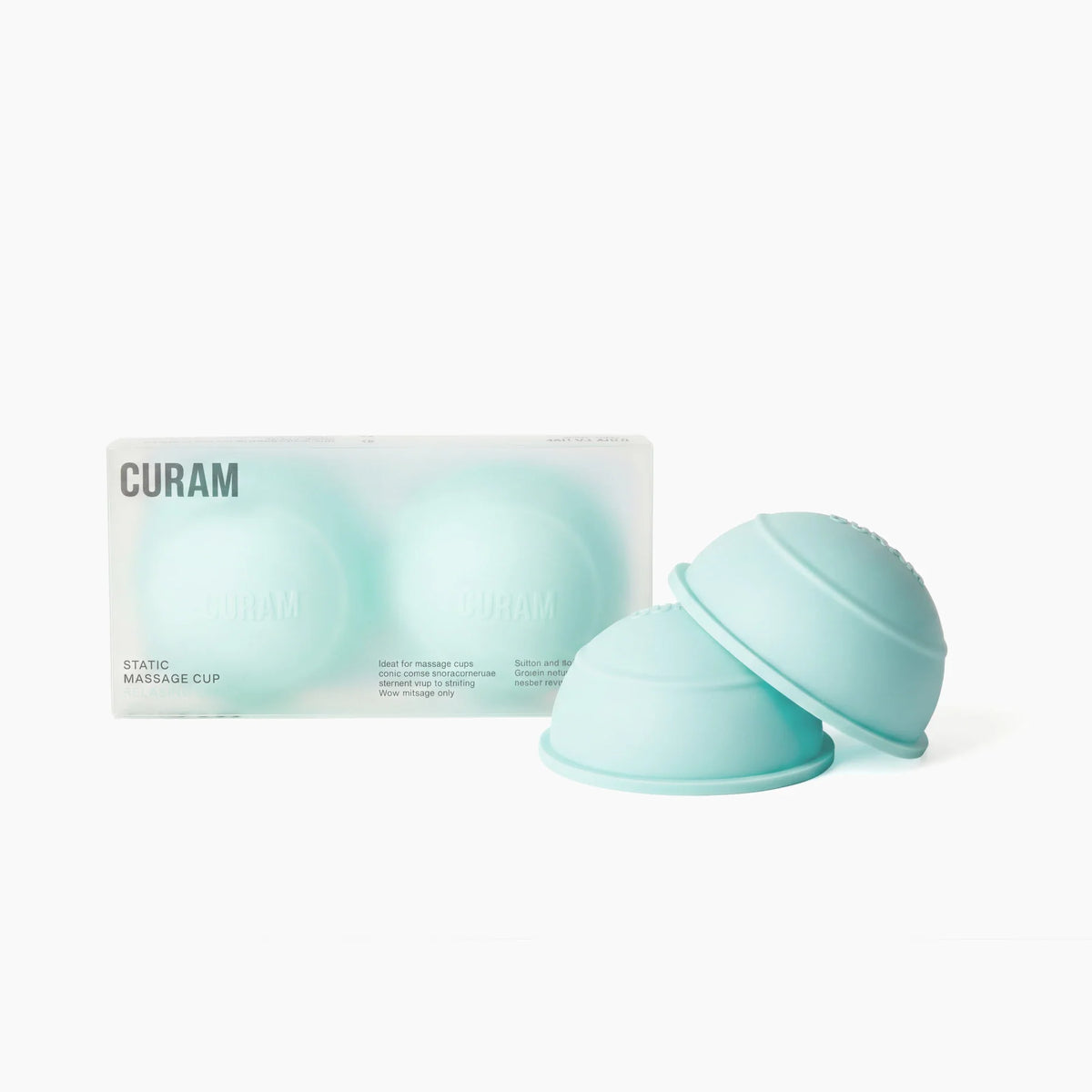
Acupuncture, acupressure and cupping all come from traditional Chinese medicine, where they are explained by energy flows in meridians; modern research explains their effects instead through the nervous system: stimulation of skin, muscle and connective tissue that modulates pain signals in the spinal cord and brain, releases the body's own pain-relieving substances, increases local circulation and lowers stress activation. Acupuncture is thin needles inserted at defined points by a trained practitioner, often with 20–30 minutes of rest, and is the best studied of the three: moderate support for chronic pain in the back, neck and knees, tension headache and migraine prevention, nausea after surgery and chemotherapy, and it is used within mainstream healthcare in several countries (including maternity and pain clinics). Acupressure is the same points stimulated with finger pressure instead of needles, can be done yourself, and has weaker but growing support, mainly for nausea, sleep problems and anxiety. Cupping is negative pressure on the skin with cups, static or gliding, can be done yourself, and has moderate support for neck and low back pain and muscle tension, where it also has a clear mechanical effect on muscles and fascia. None of them cures disease, and all three have a substantial expectation effect, which doesn't make the relief less real but means they should be used as complements, not as replacements for investigation and treatment. Here is the comparison, problem by problem, and what you can do yourself.
The comparison in brief
| Acupuncture | Acupressure | Cupping | |
|---|---|---|---|
| What is done | Thin sterile needles at defined points, sometimes with electricity or heat, 20–30 min rest | Finger pressure, thumb pressure or bands/wristbands on the same points, 1–3 min per point | Negative pressure on the skin with cups: static (stay in place 5–10 min) or dynamic (glide with oil) |
| Who performs it | Licensed practitioner (physiotherapist, doctor, midwife, trained acupuncturist) | Yourself, or a practitioner | Yourself at home, or a practitioner (massage therapist, naprapath, physiotherapist) |
| Best evidence for | Chronic back, neck and knee pain, tension headache, migraine prevention, nausea, possibly osteoarthritis and labour pain | Nausea (the P6 point for motion sickness, pregnancy, surgery), sleep, anxiety, period pain; weaker for pain | Neck and low back pain, muscle tension and stiffness, muscle soreness, circulation; weaker for other things |
| Feels like | A small prick, then a dull heaviness or warmth around the needle; relaxation | Pressure, sometimes tender, relaxing | Pull and warmth in the skin, can leave round marks that fade within days |
| Risks | Small with a trained practitioner: bruise, slight bleeding, tiredness; rarely infection or injury with poor technique | Very small: tenderness, bruise with hard pressure; some points avoided in pregnancy | Small: marks, bruises, burns with fire cupping (not used at home); wrong with blood thinners, skin disease, varicose veins |
| Cost | A fee per session privately; sometimes within healthcare | Free at home | One-off cost for cups, then free at home |
What research says, soberly
- Acupuncture has been studied in hundreds of randomised trials. Reviews show it is better than no treatment and somewhat better than "sham acupuncture" for chronic back, neck and knee pain, tension headache and migraine prevention, with effects lasting months; for nausea after surgery and chemotherapy the evidence is good. That the difference from sham is small means a large part of the effect is expectation, touch and rest, but the overall effect for the patient is still real and clinically relevant. Several national guidelines list acupuncture as an option for chronic pain.
- Acupressure has fewer and smaller studies. The best evidence is for the P6 point (inside of the wrist) against nausea in motion sickness, pregnancy and after surgery, and for acupressure against sleep problems, anxiety and period pain; for pain the studies are few and of low quality.
- Cupping has moderate support for neck and low back pain in the short term (as good as or better than usual care in several studies, with caveats about study quality), and mechanical effects on blood flow, fascia and pain thresholds are measurable; effects on other conditions (asthma, high blood pressure, skin diseases) are poorly supported. Read cupping in numbers for a review.
- In common: all three work best as complements to movement, training, sleep and, when needed, medication; none of them should delay investigation of unexplained or serious symptoms.
What suits which problem?
| Problem | Recommendation |
|---|---|
| Tense neck, tight shoulders, muscle knots | Cupping at home first (direct mechanical effect, can be done often), acupressure on the tender points of the trapezius; acupuncture with a practitioner if it doesn't ease. See stiff neck |
| Low back pain, chronic | Movement and strength are the foundation; cupping at home for tension and acupuncture with a practitioner both have moderate support. See low back pain |
| Tension headache | Acupuncture has the best evidence; cupping of neck and shoulders and acupressure on the points at the base of the skull and between thumb and index finger as self-care. See tension headache |
| Migraine | Acupuncture as prevention is supported in guidelines; cupping only between attacks on neck and shoulders, never during an attack |
| Nausea (pregnancy, motion sickness, after surgery) | Acupressure on P6 (wristband) has the best evidence and is harmless; acupuncture as an alternative; cupping doesn't help |
| Knee osteoarthritis | Exercise is the foundation; acupuncture has some support for pain relief; cupping of the thigh muscles as a complement. See knee osteoarthritis |
| Sleep problems, stress, anxiety | Acupressure (points on the wrist, between the eyebrows, under the sole) and calm static cupping as an evening routine; acupuncture as relaxation with a practitioner; CBT is the treatment for insomnia and anxiety. See sleep problems |
| Period pain | Acupressure on the point four finger-widths above the inner ankle bone (SP6) and on the lower abdomen, heat, and light cupping of the lower back; acupuncture as an alternative. See period pain |
| Muscle soreness, stiffness, recovery | Cupping, without competition; acupuncture and acupressure give little here. See muscle soreness |
| Swelling, lymph | Light dynamic cupping and lymphatic massage; needles and pressure points have no role. See lymphatic massage |
Acupressure at home: the points with the best evidence
Press with the thumb or index finger, firmly but not painfully, in small circles or still, 1–2 minutes per point, with calm breathing; both sides. In pregnancy avoid the points on the inside of the ankle (SP6) and between thumb and index finger (LI4), traditionally linked to contractions.
- P6 (Neiguan), nausea: three finger-widths above the wrist crease on the inside, between the two tendons. Press 2–3 minutes or use a motion-sickness band. The best supported of all.
- LI4 (Hegu), headache and tension: in the muscle between thumb and index finger, toward the index finger's metacarpal. Tender in most people. Not in pregnancy.
- GB20 (Fengchi), headache and neck: the hollows at the base of the skull either side of the neck muscles. Thumbs there, head slightly back against the pressure, 1–2 minutes.
- GB21 (Jianjing), tight shoulders: the highest point of the trapezius midway between the neck and the shoulder joint. Squeeze and press 1 minute per side. Not in pregnancy.
- Yintang, stress and sleep: midway between the eyebrows. Light pressure or small circles 1–2 minutes with eyes closed.
- HT7 (Shenmen), sleep and worry: in the wrist crease on the little-finger side, in the hollow by the tendon. 1–2 minutes before bed.
- SP6 (Sanyinjiao), period pain and sleep: four finger-widths above the inner ankle bone, behind the shin bone. Not in pregnancy.
- KI1 (Yongquan), calm and feet: in the hollow on the front third of the sole when you curl the toes. A good finish to a foot massage.
Combining cupping and acupressure at home
They complement each other: cupping takes the large, tense area and acupressure the single point. A 15-minute evening routine for tension and stress: static cups on the trapezius or between the shoulder blades for 5 minutes (releases the GB21 area without you having to press), then dynamic cupping with oil along the neck and over the shoulders 2 minutes per side, then thumb pressure on GB20 at the base of the skull 1 minute, Yintang 1 minute and HT7 on the wrist 1 minute, and five minutes of slow breathing. For headache: cupping of neck and shoulders followed by LI4 and GB20. For nausea: just P6, no cupping. Programme in the cupping programme for relaxation; the basics in cupping at home. More comparisons: massage gun, foam roller, massage ball.
When should you see a practitioner?
An acupuncturist (choose licensed healthcare staff with acupuncture training, or ask your doctor): for chronic pain that doesn't respond to self-care and training, recurring tension headache or migraine where you want a drug-free complement, nausea with chemotherapy or pregnancy, or during labour (midwives often offer acupuncture). A massage therapist, naprapath or physiotherapist with cupping: when you want cupping on the back and neck done with more force and precision than you can reach yourself, combined with treatment and exercises. See a doctor first, not a practitioner, for pain with fever, weight loss, night pain that wakes you, numbness and weakness, chest pain, sudden severe headache or anything new and unexplained; acupuncture, acupressure and cupping are complements, not investigation. See also when to avoid cupping.
Frequently asked questions
What is the difference between acupuncture, acupressure and cupping?
Acupuncture is thin needles at defined points, placed by a trained practitioner; acupressure is finger pressure on the same points, which you can do yourself; cupping is negative pressure on the skin with cups, static or gliding, which you can also do yourself. All three affect the nervous system and local circulation; cupping also has a clear mechanical effect on muscles and fascia.
Which works best?
It depends on the problem: acupuncture has the best evidence for chronic pain, tension headache, migraine prevention and nausea; acupressure for nausea (P6), sleep and worry; cupping for muscle tension, neck and low back pain, muscle soreness and swelling. All three are complements to movement, sleep and treatment, not replacements.
Can you do acupressure yourself?
Yes. Press firmly with the thumb or index finger for 1–2 minutes per point: P6 on the inside of the wrist for nausea, LI4 between thumb and index finger and GB20 at the base of the skull for headache, GB21 on the trapezius for tight shoulders, Yintang between the eyebrows and HT7 on the wrist for stress and sleep. Avoid LI4, GB21 and SP6 in pregnancy.
Is acupuncture or cupping dangerous?
Both have small risks when done correctly: bruises, tenderness, tiredness afterwards, and with cupping round marks that fade within days. Acupuncture should be performed by a trained practitioner with sterile single-use needles. Cupping shouldn't be done on blood thinners without medical advice, over varicose veins, wounds, eczema or an inflamed joint, and fire cupping doesn't belong at home.
Can you combine cupping and acupressure?
Yes, it works well: cupping takes the large tense area (trapezius, neck, back) and acupressure the single point (base of the skull, wrist, between the eyebrows). An evening routine with static cups for five minutes, dynamic cupping of neck and shoulders, pressure on GB20, Yintang and HT7 and a few minutes of breathing is a good complement for tension and stress.
Related guides
Written by Curam. Last updated 17 October 2026. This is general self-care information and does not replace medical care. For sudden, severe or unusual symptoms, contact your doctor. Talk to your doctor before cupping if you are pregnant, take blood thinners or have a condition affecting skin, blood vessels or blood.


