


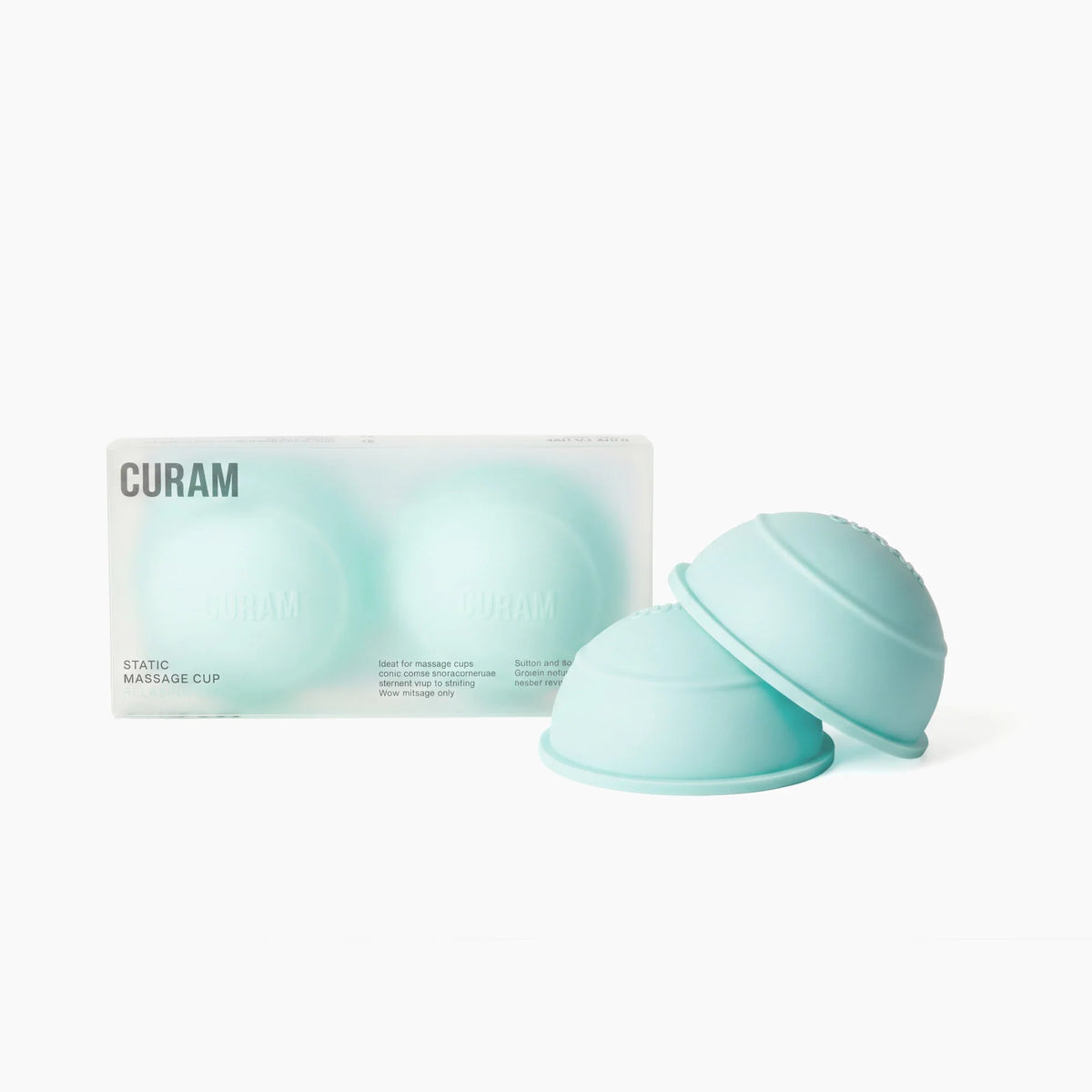
Period pain comes from the uterus contracting to shed its lining, and feels like cramps in the lower abdomen, often with aching in the lower back and thighs. Heat, movement, over-the-counter painkillers and relaxation help best. Static cups on the lower back and lower abdomen can give warmth, increased blood flow and muscle relaxation, and many find it relieving. Here is what you can do, how the cupping goes, and which symptoms mean the pain should be investigated.
What is period pain?
Primary period pain is common, usually starts in the teens and is caused by prostaglandins that make the uterus contract strongly. The pain comes just before or at the start of the period and lasts one to three days. Secondary period pain is caused by something else, such as endometriosis or fibroids, often starts later in life, worsens over time or lasts through the whole period. That is the kind you should not put up with.
PMS: the days before the period
PMS, premenstrual syndrome, is the physical and emotional symptoms that come one to two weeks before the period and disappear when it starts: bloating and heaviness in the abdomen, tender breasts, headache, tiredness, sugar cravings, irritability, low mood and sleep disturbance. Three in four notice some of it; around one in twenty has mood symptoms so severe it is called PMDD and should be treated by healthcare. What has evidence against PMS is regular cardio training (the single best measure), sleep, less caffeine, alcohol and salt the week before, calcium and possibly magnesium, and stress management with breathing; see the guide to stress. Cupping suits PMS well: light lymphatic drainage with a cup on thighs, abdomen and lower back for the bloating and heaviness, see the guide to fluid retention, static cups on the chest with a long exhale for anxiety and sleep, and cupping of the neck and shoulders for the tension headache, as in the steps further down. Mood symptoms that disrupt daily life every month, or PMS that started after 40 (may be perimenopause, see the guide to menopause), should be raised with healthcare.
When to see a doctor
Contact your doctor, a youth clinic or a gynaecologist if the pain is so severe that you cannot manage daily life despite over-the-counter medicines, if it has worsened over time, if you have pain during sex, when using the toilet or between periods, very heavy bleeding, or difficulty becoming pregnant. Seek urgent care for sudden, severe lower abdominal pain with fever, fainting or if you could be pregnant. Period pain that affects your life is not something to endure; endometriosis takes many years on average to diagnose precisely because the pain is normalised.
Self-care that relieves
- Heat on the lower abdomen and lower back: heat pad, wheat bag, warm bath. Heat is as effective as painkillers for many.
- Over-the-counter NSAIDs (ibuprofen, naproxen) work best for period pain if taken early, ideally when the pain starts. Follow the package and ask the pharmacist if you have other conditions.
- Movement: walking, gentle yoga, swimming. Increased circulation reduces the cramping for many.
- Relaxation and breathing: slow exhalation with a hand on the belly, child's pose, lying with a pillow under the knees.
- Sleep, water and less caffeine in the days before.
- Hormonal contraception can reduce the pain; discuss with a midwife or doctor.
Cupping for period pain, step by step
The cupping provides warmth and increased blood flow in the lower back and lower abdomen and helps the muscles relax. You need static cups, ideally four, the Dynamic Cup and body oil. Use light suction; the abdomen is a sensitive area. Do not cup the abdomen if you could be pregnant, or if you have an IUD and are unsure; ask your midwife.
- Lower back. Oil. Place two static cups on either side of the sacrum, and two more on either side of the spine in the lower back. Leave for three to five minutes while you lie on your stomach or sit leaning forward. Remove.
- Lower abdomen. Lie on your back with bent knees. Oil. Place two static cups on either side below the navel, at the level of the ovaries, with light suction, and two more slightly higher on either side of the navel. One to three minutes. You can also place one cup just below the navel.
- Dynamic around the navel. Remove the static cups. Move the Dynamic Cup with light suction in slow clockwise circles around the navel, three to four rounds.
- With bloating: open the lymphatic flow at the collarbones and groin with light pumps using the face cup, see Lymphatic massage at home.
- Finish with heat on the abdomen and a few minutes of calm breathing.
Do the routine when the pain starts and as needed during the first days, and ideally preventively in the days before the period. Full programme: Cupping programme for menstrual pain. Many also use it as time for themselves, together with a guided ritual.
When not to cup the abdomen
During pregnancy or suspected pregnancy, with fever or infection, on damaged skin, right after abdominal surgery, with an IUD if your midwife advises against it, on blood thinners without a doctor's advice, and not with sudden severe pain, when you should seek care instead.
Frequently asked questions
Does cupping help with period pain?
Warmth, increased blood flow and muscle relaxation in the lower back and lower abdomen relieve period pain for many, and that is what cupping provides. Evidence for cupping specifically for period pain is limited, so combine it with heat, movement and, if needed, over-the-counter medicines.
Where do I place the cups for period pain?
Static cups on either side of the sacrum and lower back, and with light suction on the lower abdomen on either side below the navel. Dynamic cup in circles around the navel.
How much suction on the abdomen?
Light. Squeeze the cup only a little when you place it. The abdomen is more sensitive than the back and does not need strong suction for warmth and blood flow.
Can I cup throughout the period?
Yes, when it feels good. Most people benefit most in the first one to two days and in the days before.
When is period pain not normal?
When it prevents daily life despite over-the-counter medicines, worsens over time, lasts the whole period or comes with pain during sex or using the toilet. Then it should be investigated, including for endometriosis.
Related guides
- Bloated stomach and gas – causes and what helps
- Acupuncture, acupressure or cupping – differences and evidence
- Pelvic pain – where does it hurt and what it can be
- PMS and PMDD – symptoms, causes and what helps
- Endometriosis – when period pain isn't normal
- Iron deficiency with heavy periods – symptoms and what helps
Written by Curam. Last updated 16 October 2026. This is general self-care information and does not replace medical care. For sudden, severe or unusual symptoms, contact your doctor. Talk to your doctor before cupping if you are pregnant, take blood thinners or have a condition affecting skin, blood vessels or blood.


