


You have around 100,000 hairs, and each one grows for three to six years, rests for two to three months and then falls out to be replaced by a new one. That is why 50–100 shed hairs a day is normal, more on wash days. Hair loss is when the balance is disturbed: too many hairs enter the resting phase at the same time (telogen effluvium), the follicles shrink and produce ever thinner strands (hereditary hair loss), the immune system attacks the follicles (alopecia areata), or something damages the scalp or the hair (traction, scarring, chemicals). The causes differ between the types and between women and men, but two things apply to almost everyone: what triggered the shedding happened two to four months before you noticed it, and you can work out which type you have by looking at where the hair is disappearing and how. This guide covers the types, the causes in women and men, how to know whether your hair loss is normal, which tests are needed, what helps and what doesn't, when to seek care, and how scalp massage works. For flakes and itching, see dry scalp, dandruff and itchy scalp.
Which type of hair loss do you have?
| Type | What it looks like | Common causes | Does it grow back? |
|---|---|---|---|
| Telogen effluvium (diffuse, temporary) | Hair sheds evenly over the whole head, lots in the brush and shower, thinner ponytail; no bald patches; starts 2–4 months after a strain | Stress, burnout, high fever, covid and other infections, surgery, childbirth, rapid weight loss or strict dieting, iron deficiency, thyroid disorder, a new or stopped medicine (the pill), vitamin D or B12 deficiency | Yes, by itself within 6–12 months once the cause is gone; short new hairs at the hairline are the sign |
| Hereditary hair loss (androgenetic) | Women: wider parting, thinner hair on the crown, hairline kept, the so-called Christmas tree pattern. Men: receding temples, thin crown, hairline moves back. Creeps in over years | Heredity and sensitivity to male sex hormones; in women often clearer at menopause or with PCOS | Not by itself; minoxidil and other treatments slow it and thicken if started in time |
| Alopecia areata (patchy) | Round, completely bald patches with smooth skin, sometimes in the beard or eyebrows; can come quickly | Autoimmune; often after stress or infection, hereditary tendency | Often within a year, can come back; steroids and newer medicines from a dermatologist |
| Traction alopecia | Thinner hair at the hairline, temples and wherever the hair is pulled tight (tight hairstyles, extensions, braids) | Mechanical pulling over a long time | Yes if the pulling stops in time; permanent if the follicles have scarred |
| Scarring hair loss | Bald areas with shiny, scarred skin, sometimes redness, burning and itching | Lichen planopilaris, lupus, frontal fibrosing alopecia (often women after menopause), fungus, burns | No, lost follicles don't grow back; quick treatment stops the spread |
| Damaged hair (breakage) | Hair breaks off, short uneven strands, but the scalp keeps its density | Bleaching, heat tools, chemical treatments, hard brushing | Yes, new hair is healthy if you stop damaging it |
The pull test: take a moderately firm hold of 40–60 strands and pull gently. If more than 5–6 strands come out with small white bulbs at the end, active telogen effluvium is ongoing. The parting test: photograph your parting from above in the same light every three months; if it gets wider, it is a hereditary pattern.
Hair loss in women
Women mainly get telogen effluvium, because the triggers are more common: iron deficiency (heavy periods, pregnancy, vegetarian diet; low ferritin causes hair loss long before the blood count drops, read iron deficiency), after childbirth (the oestrogen that held the hair in place during pregnancy falls and the hair sheds 2–4 months later; completely normal, passes within a year), thyroid disorder (both under- and overactive), hormone changes in perimenopause and menopause (oestrogen protects the hair; thinner hair and a wider parting from 45–50 is common), PCOS (higher male hormones give thinner hair on the crown and more hair on the body), the pill being started or stopped, stress and burnout, rapid weight loss, strict diets and GLP-1 medicines, tight hairstyles and extensions, and vitamin D and B12 deficiency. Hereditary female hair loss looks different from men's: the parting widens and the crown thins but the hairline stays, and it rarely becomes bald.
Hair loss in men
In men hereditary hair loss dominates: half of all men have visible receding temples or a thin crown by 50, some already at 20. The follicles on the crown and at the temples are hereditarily sensitive to the hormone DHT, shrink gradually and produce ever shorter and thinner strands until they stop producing. It can be slowed with minoxidil (topical) and finasteride (tablet, prescription), and an early start gives the best result. But men also get telogen effluvium from the same causes as women: high fever, covid, surgery, stress, rapid weight loss, iron deficiency (more common than people think with a vegetarian diet or gut problems), thyroid and medicines (blood pressure medicines, blood thinners, anabolic steroids, isotretinoin). Suddenly increased shedding over the whole head in a man is not a hereditary pattern and should be investigated.
Tests and investigation
Ask your doctor for haemoglobin and ferritin (iron stores; with hair loss ferritin should be above 40–70, higher than the threshold for anaemia), TSH and free T4 (thyroid), B12, folate and vitamin D, and with thinner hair on the crown plus irregular periods or increased body hair testosterone and SHBG (PCOS). Blood sugar and zinc if suspected. Tell the doctor what happened 2–4 months before the shedding: illness, fever, surgery, childbirth, dieting, a new medicine, major stress. A dermatologist looks at the follicles with a dermatoscope and can take a biopsy if scarring hair loss or alopecia areata is suspected.
What really helps
- Treat the cause: iron until ferritin is above 50–70 (takes 3–6 months before the hair responds), thyroid hormone, change of medicine in consultation with your doctor, food if underweight, vitamins if deficient. Hair grows a centimetre a month, so expect 6–12 months before you see the full effect.
- Time with telogen effluvium: once the cause is gone it turns around by itself; short new hairs at the hairline after 3–4 months are the receipt. Those who shed hair after childbirth, covid or surgery rarely need anything else.
- Minoxidil (over-the-counter solution or foam 2–5%, or low-dose tablet via a doctor) for hereditary hair loss in both women and men: prolongs the growth phase and thickens in about six out of ten within six months; must be continued. Shedding can increase in the first weeks, that is old resting strands being pushed out.
- Finasteride (men, prescription) and in women after menopause sometimes spironolactone, via a doctor for a hereditary pattern.
- Stress management and sleep: chronic stress keeps more hairs in the resting phase and worsens both telogen and hereditary hair loss; see stress and burnout.
- Food: enough protein (hair is keratin; 1–1.2 g per kilo of body weight), iron, zinc, omega-3 and enough energy. Strict diets under 1,200–1,400 kcal cause hair loss after a few months.
- Gentle hair care: loose hairstyles, no tight ponytails or extensions, less heat and bleaching, a soft brush, wash when needed (washing doesn't cause hair loss, the strands that come out in the shower were already loose).
- Dermatologist treatments for hereditary hair loss or alopecia areata: PRP injections, steroid injections, low-level laser (some evidence), hair transplant.
What doesn't help, despite the marketing: biotin and hair-loss supplements when you have no deficiency (biotin deficiency is very rare; biotin also interferes with thyroid and heart tests), caffeine shampoo and "hair growth shampoo" (shampoo is rinsed off in a minute), collagen powder, rosemary oil beyond placebo level, and not washing your hair.
When to seek care
Book your doctor for hair loss that has gone on for more than three to four months without turning around, with clearly thinner hair or a wider parting, with bald patches, with hair loss together with tiredness, feeling cold, weight change, palpitations or irregular periods, with itching, burning, redness or scaling of the scalp, with hair lost on the body, eyebrows or lashes too, and if it is affecting you mentally. A dermatologist (referral or private) for suspected alopecia areata, scarring hair loss or hereditary hair loss you want to treat. The earlier treatment starts for hereditary or scarring hair loss, the more hair can be saved.
Scalp massage and light cupping of the hairline
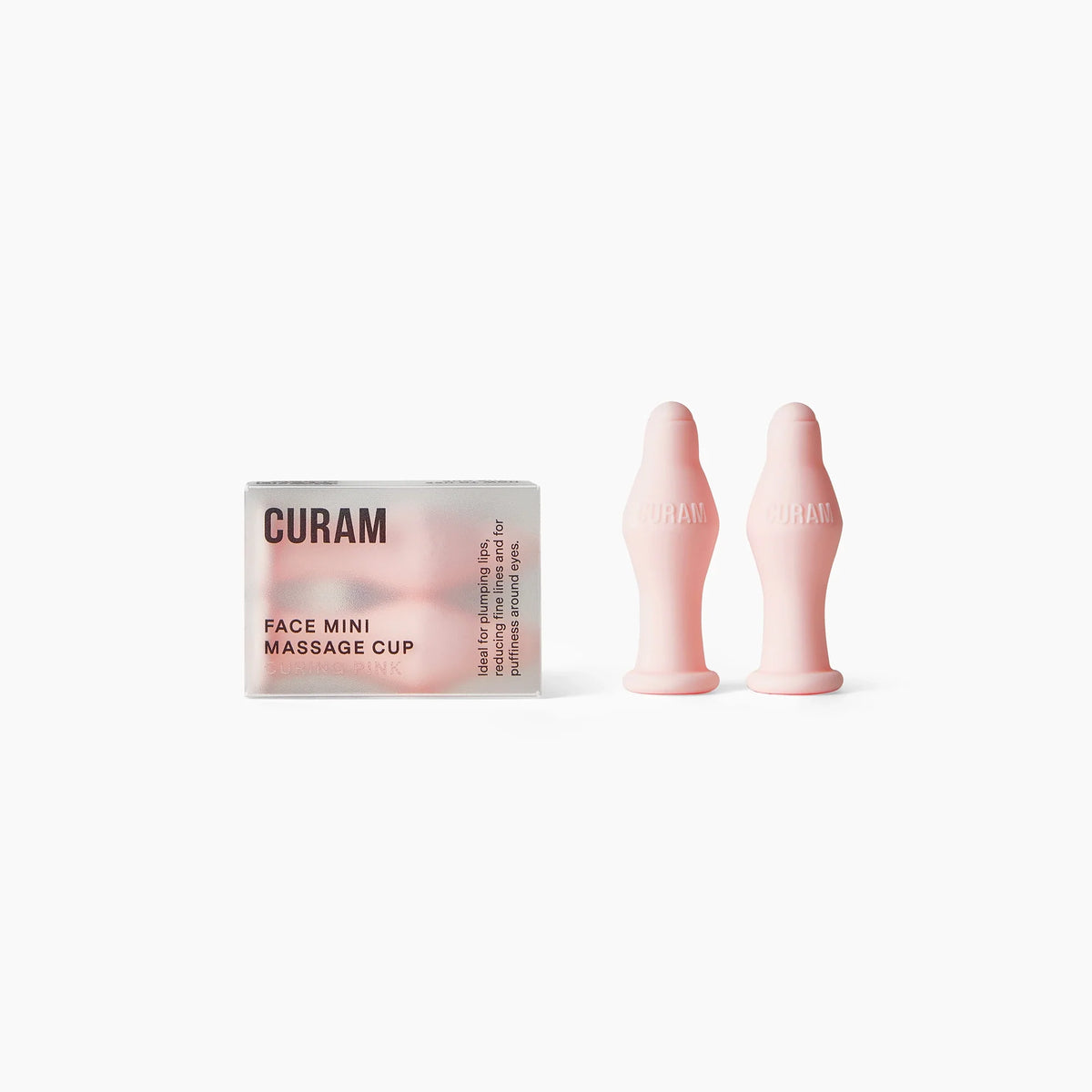
Scalp massage cures no hair loss, but it does three things that help at the margin: increases blood flow to the follicles (which need oxygen and nutrients to produce hair), lowers the tension in the scalp and neck that goes with stress, and stretches the skin, which in a small Japanese study gave thicker hair strands after 24 weeks of daily four-minute massage. Here is how: fingertips against the skin, move the skin over the skull in circles, one area at a time, three to five minutes a day, preferably in the evening or with the shampoo in your hair. Press and lift the scalp rather than rubbing, and don't pull the hair. The Curam face cup mini can be used on the hairline, temples and neck where the cup can grip: a drop of oil, light pressure, short strokes from the forehead backwards and from the neck upwards, one to two minutes per side, three to four evenings a week. The suction increases blood flow more than the fingers do and softens the attachments of the muscles that tense the scalp under stress. Not over bald patches with alopecia areata, inflamed or scarred skin, sores or a recent hair transplant, and not in thick hair where the cup only pulls the strands. Read more about the technique in head massage and scalp massage.
Read more
Iron deficiency, dry scalp and dandruff, head massage, perimenopause, stress, vitamin D deficiency, and collagen.
Frequently asked questions
How much hair is it normal to lose per day?
50–100 strands a day, more on wash days and in autumn, since each hair grows for three to six years, rests and then falls out. Hair loss is when you shed considerably more for several weeks, when the ponytail gets thinner, the parting wider or patches appear. The pull test: if more than five to six strands come out when you pull gently on about 50, active shedding is ongoing.
What is the most common cause of hair loss in women?
Telogen effluvium, where hair sheds evenly over the head two to four months after a strain: iron deficiency (low ferritin, even with a normal blood count), childbirth, thyroid disorder, stress and burnout, high fever or infection, rapid weight loss, the pill being started or stopped, and vitamin D or B12 deficiency. It grows back once the cause is gone. A wider parting and thinner crown creeping in over years is hereditary hair loss, more common from menopause.
Can stress cause hair loss, and does it grow back?
Yes. Severe or prolonged stress, burnout, illness and sleep deprivation send more hairs into the resting phase at the same time, and they fall out two to four months later, which is why the link is often missed. When the stress eases it turns around by itself within six to twelve months, and short new hairs at the hairline are the first sign. Stress also worsens hereditary hair loss and can trigger alopecia areata.
Which tests should you have for hair loss?
Haemoglobin and ferritin (iron stores; should be above 40–70 with hair loss), TSH and free T4 (thyroid), B12, folate and vitamin D, and with a thinner crown plus irregular periods or increased body hair also testosterone and SHBG. Tell the doctor what happened two to four months before the shedding started. A dermatologist examines the follicles with a dermatoscope for patches, scarring or an unclear pattern.
Does scalp massage help with hair loss?
As a complement, not a treatment: daily massage increases blood flow to the follicles, lowers tension in the scalp and neck, and in a small study gave thicker hair strands after 24 weeks of daily use. Three to five minutes with the fingertips, or a small silicone cup with a drop of oil on the hairline, temples and neck a few evenings a week. It doesn't replace iron for deficiency, thyroid treatment or minoxidil for hereditary hair loss, and should not be done over bald patches, inflamed or scarred skin.
Related guides
Written by Curam. Last updated 17 October 2026. This is general self-care information and does not replace medical care. For sudden, severe or unusual symptoms, contact your doctor. Talk to your doctor before cupping if you are pregnant, take blood thinners or have a condition affecting skin, blood vessels or blood.


