


Cupping guides

Dry scalp, dandruff and itchy scalp: how to tell the difference, the causes (seborrhoeic dermatitis, yeast, dry skin, psoriasis, allergy, stress), anti-dandruff shampoo and treatment that works, what makes it worse, when to seek care, and scalp massage
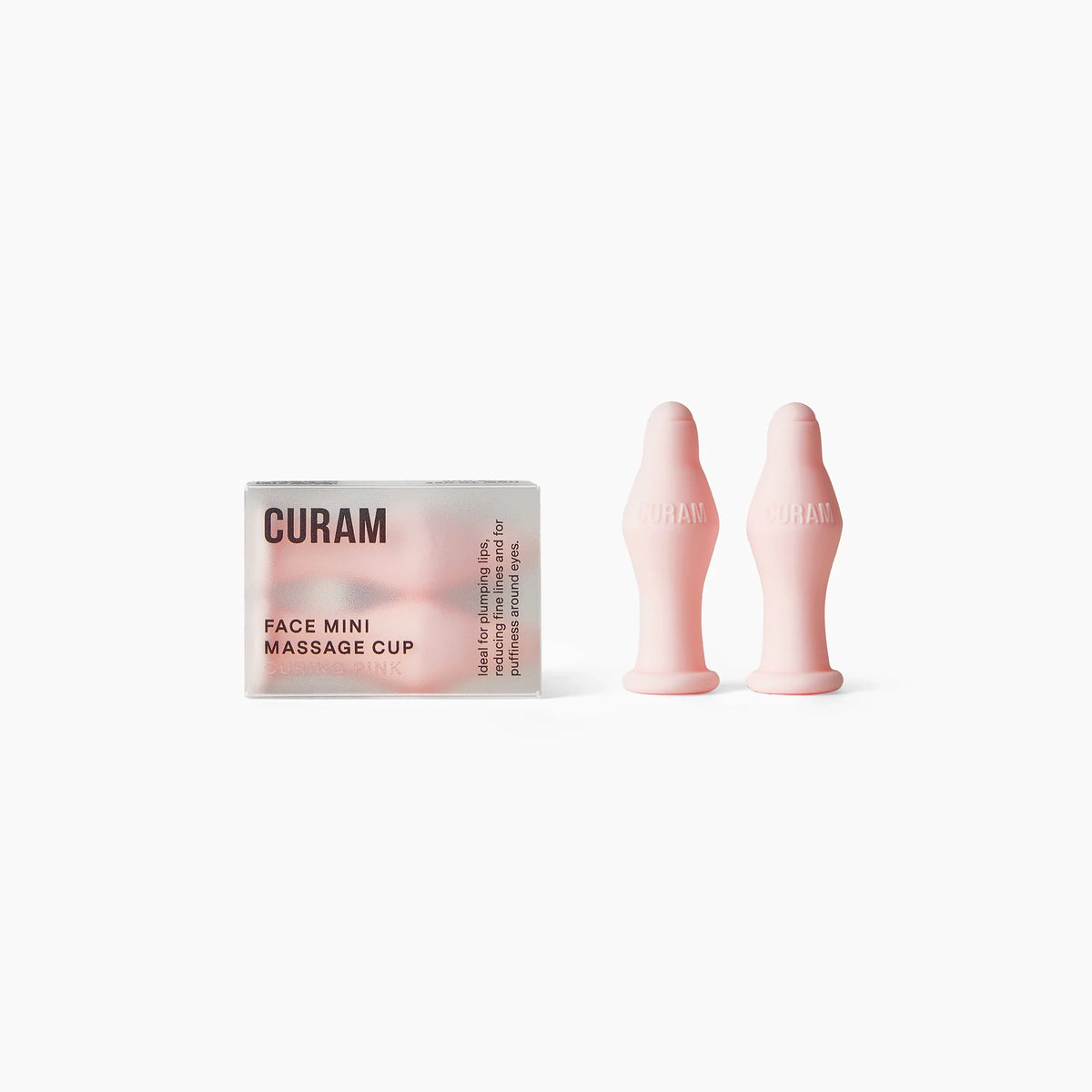
White flakes on your shoulders, a scalp that itches and feels tight, or greasy yellow-white scales at the hairline: dry scalp, dandruff and itchy scalp are three of the most common skin complaints and they are mixed up all the time, which means many people treat the wrong thing. A dry scalp is skin lacking oil and moisture (small dry flakes, tightness, worse in winter and from hot showers), dandruff is almost always mild seborrhoeic dermatitis (a yeast that thrives in the scalp's sebum gives greasy, yellowish flakes and itching, worse with stress), and an itchy scalp without flakes can be anything from contact allergy to shampoo to psoriasis, lice or dry skin. The treatments differ: a dry scalp wants mild shampoo, less heat and oil, dandruff wants antifungal shampoo (ketoconazole, zinc pyrithione, selenium sulphide, ciclopirox) left on for five minutes, and itching without flakes needs a cause first. Here is how to tell the difference, what works for each type, what makes it worse (washing too often, too rarely, dry shampoo, hair products, stress, winter), when to seek care, and how scalp massage with fingers or a small cup increases blood flow, loosens the flakes and relieves the itching without making it worse.
Learn more
Psoriasis: the symptoms and types (plaque, scalp, nails, guttate, inverse, psoriatic arthritis), why it flares, treatment that works from cream to biologics, self-care for skin and scalp, and when massage, oil and cupping are okay
Red, well-defined patches with silvery-white scales on elbows, knees, lower back and scalp, nails that become pitted, and sometimes stiff, swollen joints: psoriasis affects two to three per cent of the population, looks like a skin problem but is an immune disease of the whole body, and those who have it know it is not about dry skin. The skin renews in four days instead of four weeks, the inflammation sits in skin, joints and vessels, and the disease runs in flares governed by stress, infections, alcohol, smoking, certain medicines and, importantly for this guide, mechanical irritation of the skin: where psoriasis skin is scratched, rubbed or pressed, new patches can appear. Here are the types and how to recognise them, how psoriasis differs from eczema and fungus, why it flares, the treatment that actually works (emollients, steroid and vitamin D cream, light, tablets and the biologics that have given many completely clear skin), self-care for scalp and nails, the link to joints, heart and mood, and honestly about massage, oils and cupping: good for stress and muscles on healthy skin, but never over plaques, and with rules so it doesn't trigger new ones.
Learn more