


The scalp is skin with more sebaceous glands than almost any other part of the body, covered by hair that traps heat, sweat and products. That makes it sensitive to three things: too little oil and moisture (dry scalp), an overgrowth of the yeast Malassezia that lives on the sebum and irritates the skin (dandruff and seborrhoeic dermatitis), and anything that irritates the skin (contact allergy, psoriasis, lice, stress). The three look alike from a distance, flakes and itching, but differ up close and are treated differently. A dry scalp gives small, white, dry flakes, the skin feels tight and itches mildly, and it gets worse with hot showers, winter and drying shampoo. Dandruff gives larger, greasier, white to yellowish flakes that stick in the hair, the scalp is often a little oily and red and itches, worse with stress and in periods; it is mild seborrhoeic dermatitis, the same thing as when it appears in the eyebrows, sides of the nose and ears. An itchy scalp without clear flakes requires finding the cause before treating. This guide covers the differences, the causes, which shampoo and treatment work for each type, what makes it worse, when to seek care, and how scalp massage helps. For a scalp that is also losing hair, see hair loss.
Dry scalp, dandruff or something else: how to tell the difference
| The flakes | The scalp | Worse from | Treatment | |
|---|---|---|---|---|
| Dry scalp | Small, white, dry, powdery, fall off easily | Tight, mild itching, not red, often dry skin on the body too | Winter, hot showers, frequent washing, drying shampoo, dry shampoo, hairdryer | Mild sulphate-free shampoo, wash less often, lukewarm water, oil in the scalp before washing |
| Dandruff / seborrhoeic dermatitis | Larger, greasy, white to yellowish, stick in the hair, can form crusts at the hairline | Oily, red in patches, itches, often at the same time in eyebrows, sides of the nose, behind the ears, chest | Stress, sleep deprivation, winter, washing too rarely, oily skin, Parkinson's, weakened immune system | Antifungal shampoo (ketoconazole, zinc pyrithione, selenium sulphide, ciclopirox) in courses, then maintenance once a week |
| Scalp psoriasis | Thick, silvery, well-defined scales, often at the hairline and neck | Red, raised plaques, can bleed when scraped, patches on elbows, knees or nails | Stress, infections, certain medicines, skin injury | Steroid and vitamin D solution from a doctor, salicylic acid to loosen scales, tar shampoo; see psoriasis |
| Contact allergy / irritation | Few or no flakes, sometimes small blisters | Itches intensely, red, swollen, often starts after a new shampoo, dye or styling product; also neck, forehead, ears | Fragrance, preservatives (MI), hair dye (PPD), sulphates | Remove the product, mild fragrance-free routine, steroid solution for a few days, patch test if it recurs |
| Atopic eczema | Dry flakes, sometimes weeping areas | Dry, itchy, often eczema on the body since childhood | Winter, stress, drying products | As dry scalp plus steroid during flares; see eczema in adults |
| Lice | Nits (eggs) stuck to the hair shafts near the scalp, cannot be brushed off like flakes | Itches intensely, especially behind the ears and in the neck, children in the family | Head-to-head contact | Lice treatment from the pharmacy, nit comb |
| Fungus (ringworm), folliculitis, scalp itching from nerves or stress | Varies | Round patches with hair loss, pus-filled bumps, or itching without visible changes | Doctor |
Why it happens
Dandruff affects half of all adults at some point. The yeast Malassezia is on everyone's skin and lives on sebum; in some people the skin reacts to the yeast's breakdown products (free fatty acids) with inflammation, faster cell turnover and flakes. That explains why dandruff appears at puberty when sebum production starts, why it is more common in men, and why stress and sleep deprivation (which alter sebum and the immune system) cause flares. A dry scalp is due to the skin's barrier leaking moisture: age, winter air, hot showers, frequent washing, shampoo with strong surfactants (sulphates), dry shampoo that draws out oil, hairdryer on high heat, and hereditary dry skin. An itchy scalp without flakes is most often dry skin, contact allergy or irritation from a product, early seborrhoeic dermatitis, or in some cases nerve-related itching with stress and tight neck muscles; more rarely psoriasis, lice, iron deficiency, thyroid disorder, liver disease or diabetes. Winter worsens all three: dry indoor air, a hat that collects sweat and heat, and less sun (UV suppresses the yeast).
Anti-dandruff shampoo and treatment that works
For dandruff and seborrhoeic dermatitis
- Antifungal shampoo is the foundation: ketoconazole 2% (over the counter at the pharmacy, most evidence), zinc pyrithione (Head & Shoulders and similar), selenium sulphide, ciclopirox or piroctone olamine. Massage into the scalp, not just the hair, and leave for five minutes before rinsing; that is where most people go wrong. Use two to three times a week for four weeks, then once a week as maintenance. Switch active ingredient if the effect fades.
- Crusts and thick scales: loosen with a shampoo or solution containing salicylic acid, or oil (baby oil, coconut oil) left for an hour under a towel before washing. The flakes have to go for the medicine to reach the skin.
- With redness and itching: a steroid solution (mild over the counter, stronger from a doctor) in the scalp for a few days to two weeks breaks the inflammation; then antifungal shampoo to keep it away.
- Wash often enough: seborrhoeic dermatitis gets worse when sebum is left to sit; every other day is often right. Regular shampoo on the other days.
- Stress and sleep are the most common triggers of flares; see stress and sleep.
For a dry scalp
- Mild shampoo without sulphates and fragrance, in a small amount, and wash every second to third day; rinse thoroughly.
- Lukewarm water, not hot; finish cool.
- Oil in the scalp (jojoba, argan, coconut, or a light face oil) once a week: massage in, leave 30–60 minutes or overnight, wash out. It rehydrates and loosens dry flakes.
- Scalp serum or lotion with urea, glycerin or hyaluronic acid in the evening if it feels tight; the same logic as face cream.
- Less heat: hairdryer on medium, held away from the skin; skip dry shampoo several days in a row.
- A humidifier in the bedroom in winter if the rest of your skin is dry too.
For an itchy scalp without flakes
Switch to fragrance-free mild shampoo and no styling products for two weeks; if the itching disappears, it was a product. Still itching: try the dry-scalp routine for two weeks, then ketoconazole shampoo for two weeks. If the itching persists after six weeks, or comes with hair loss, sores, pus or round patches, book a doctor. Don't scratch: nails damage the skin, cause sores and more itching; use your fingertips and massage instead.
What makes it worse
- Washing too rarely with dandruff (sebum builds up) and too often with a dry scalp (the oil disappears). The right frequency depends on which you have.
- Dry shampoo day after day: the powder draws out oil, clogs the scalp and gives both dryness and flakes that look like dandruff.
- Styling products, wax, hairspray not washed out, and hair oil in the scalp with seborrhoeic dermatitis (the yeast lives on oil; oil is good for a dry scalp, bad for dandruff).
- Hot showers, hairdryer on high heat, straighteners close to the skin.
- Fragranced products and hair dye with sensitive skin.
- Hats and helmets that collect sweat and heat without being washed.
- Stress, sleep deprivation, alcohol for dandruff.
- Scratching with the nails, which causes sores, infection and more itching.
When to seek care
Book your doctor or a dermatologist if over-the-counter antifungal shampoos don't help within six to eight weeks, if the scalp is severely red, swollen or weeping, with pus-filled bumps or sores, with thick silvery scales (psoriasis), with round bald patches (fungus or alopecia areata), with itching that disturbs sleep, if the itching is all over the body (can be liver disease, kidney disease, iron deficiency or thyroid), with clear hair loss along with the flakes, and in infants with thick crusts (cradle cap) that don't release with oil. Seborrhoeic dermatitis that comes on suddenly and severely in a young adult should be investigated.
Scalp massage that helps, and how to do it
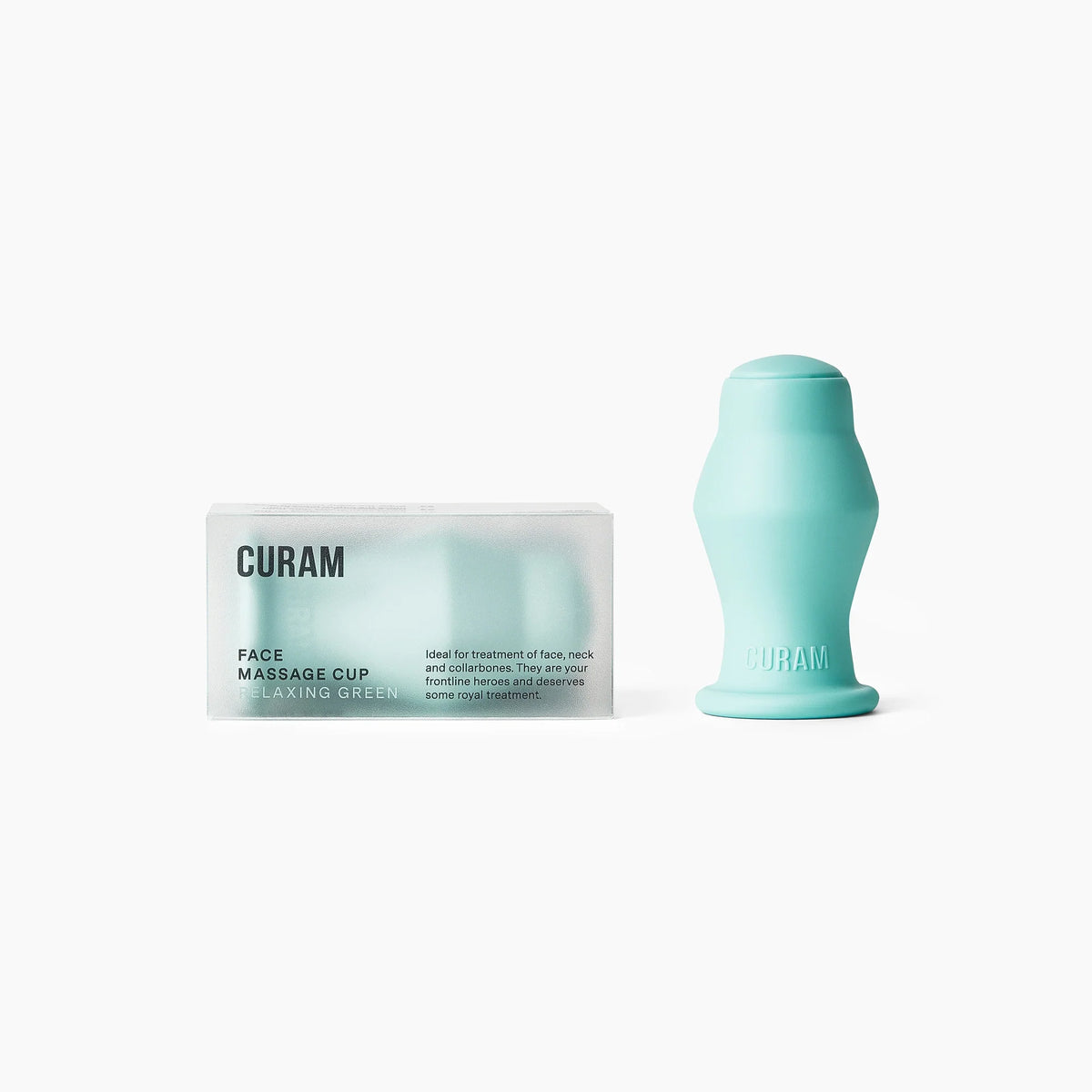
Scalp massage increases blood flow in the skin, mechanically loosens dry flakes and scales so that shampoo and medicines reach the skin, distributes oil and serum, lowers the stress response behind dandruff flares, and relieves the itching without damaging the skin the way nails do. Here is how: use your fingertips (not nails), press lightly against the skin and move the skin over the skull in small circles, a minute per area (crown, sides, back of the head, neck), three to five minutes in total, daily or every other day. With a dry scalp do it with a light oil once a week before washing; with dandruff do it dry or with the antifungal shampoo in the scalp while it works for five minutes (it gets the medicine down to the skin); with itching do it in the evening as a replacement for scratching. A small soft silicone cup such as the Curam face cup mini can be used on the hairline, temples and neck with a drop of oil: light suction, short strokes from the hairline backwards and from the neck upwards, one to two minutes per side. It lifts the skin, increases blood flow more than the fingers do and softens tight neck and temple muscles that often go together with a tense, itchy scalp. Not over sores, bleeding eczema, pus or in thick hair where the cup can't grip; with psoriasis, read the psoriasis guide first. A full description of head and scalp massage is in head massage and scalp massage.
Read more
Head massage and scalp massage, hair loss, psoriasis, eczema in adults, stress, and face cupping.
Frequently asked questions
How do I know if I have a dry scalp or dandruff?
A dry scalp gives small, white, dry, powdery flakes that fall off easily, the skin feels tight, is not red and gets worse with winter, hot showers and frequent washing; often the skin on the body is dry too. Dandruff gives larger, greasier, white to yellowish flakes that stick in the hair, the scalp is oily and red in patches and itches, and it gets worse with stress and washing too rarely; often the same thing shows in the eyebrows and sides of the nose. A dry scalp is treated with oil and mild shampoo, dandruff with antifungal shampoo.
Which anti-dandruff shampoo works best?
Ketoconazole 2% (over the counter at the pharmacy) has the most evidence; zinc pyrithione, selenium sulphide, ciclopirox and piroctone olamine also work. The key is to massage the shampoo into the scalp and leave it for five minutes before rinsing, two to three times a week for four weeks, then once a week as maintenance. Switch active ingredient if the effect fades, and loosen thick scales with salicylic acid or oil first so the agent reaches the skin.
Why does my scalp itch when I don't have dandruff?
Most common are dry skin, a product that irritates or causes contact allergy (fragrance, preservatives, hair dye), early seborrhoeic dermatitis without visible flakes, or nerve-related itching with stress and a tight neck. Switch to fragrance-free mild shampoo and no styling products for two weeks, then try the dry-scalp routine and after that ketoconazole shampoo. Seek care with itching over six weeks, sores, pus, round patches, hair loss or itching all over the body.
What makes a dry scalp and dandruff worse?
Dry scalp: hot showers, frequent washing, sulphate shampoo, dry shampoo several days in a row, hairdryer on high heat and winter air. Dandruff: washing too rarely, hair oil in the scalp (the yeast lives on oil), styling products not washed out, stress, sleep deprivation, alcohol and hats that collect sweat. Both: fragranced products, hair dye with sensitive skin and scratching with the nails, which causes sores and more itching.
Does scalp massage help with dandruff and a dry scalp?
Yes, as a complement: three to five minutes of massage with the fingertips increases blood flow, loosens flakes and scales so that shampoo and medicines reach the skin, lowers the stress that triggers dandruff flares and relieves the itching without damaging the skin. Do it with oil before washing for a dry scalp, with the antifungal shampoo in the hair for dandruff, and in the evening instead of scratching. A small silicone cup on the hairline, temples and neck increases blood flow further, but not over sores or inflamed skin.
Written by Curam. Last updated 17 October 2026. This is general self-care information and does not replace medical care. For sudden, severe or unusual symptoms, contact your doctor. Talk to your doctor before cupping if you are pregnant, take blood thinners or have a condition affecting skin, blood vessels or blood.


