


Cupping guides

Dry scalp, dandruff and itchy scalp: how to tell the difference, the causes (seborrhoeic dermatitis, yeast, dry skin, psoriasis, allergy, stress), anti-dandruff shampoo and treatment that works, what makes it worse, when to seek care, and scalp massage
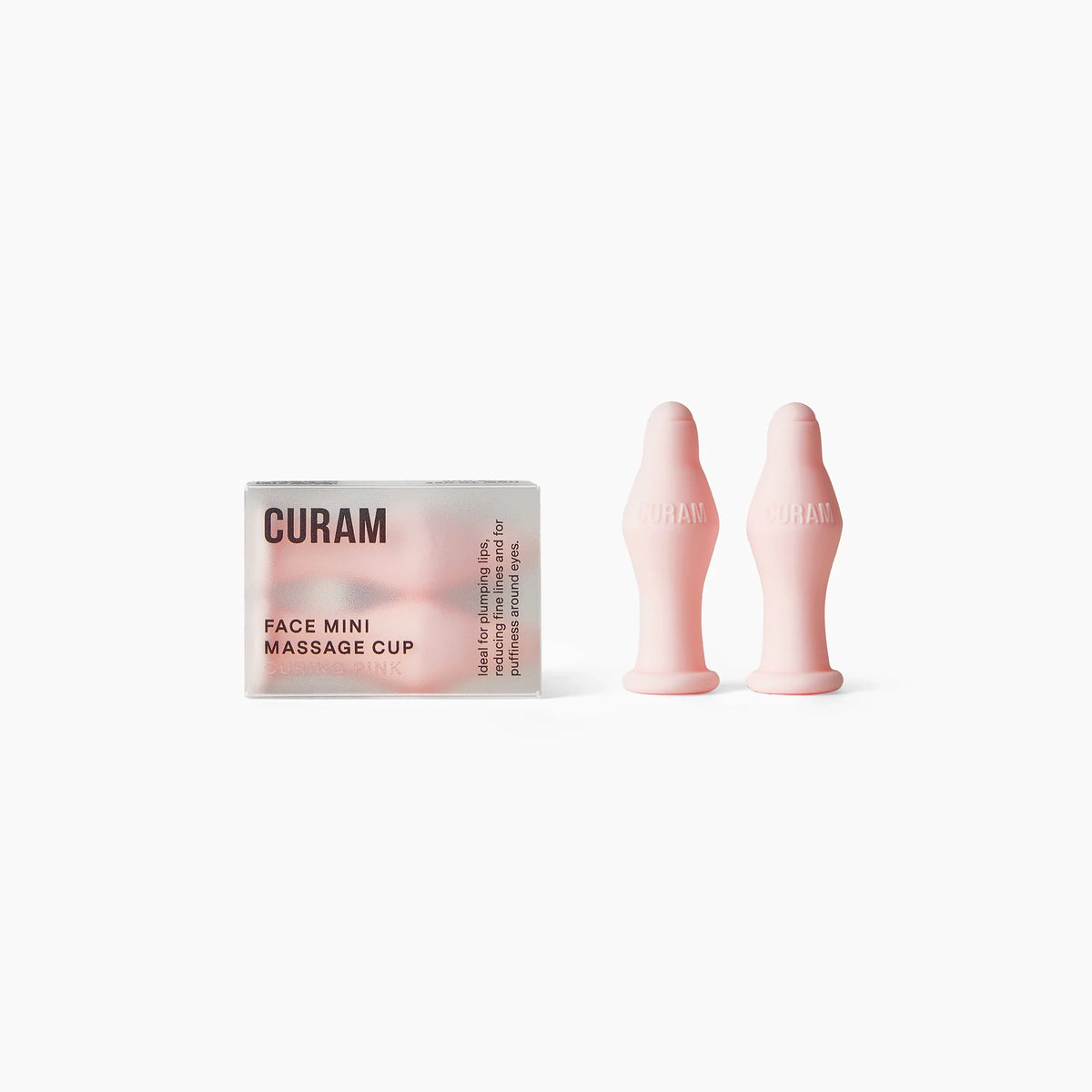
White flakes on your shoulders, a scalp that itches and feels tight, or greasy yellow-white scales at the hairline: dry scalp, dandruff and itchy scalp are three of the most common skin complaints and they are mixed up all the time, which means many people treat the wrong thing. A dry scalp is skin lacking oil and moisture (small dry flakes, tightness, worse in winter and from hot showers), dandruff is almost always mild seborrhoeic dermatitis (a yeast that thrives in the scalp's sebum gives greasy, yellowish flakes and itching, worse with stress), and an itchy scalp without flakes can be anything from contact allergy to shampoo to psoriasis, lice or dry skin. The treatments differ: a dry scalp wants mild shampoo, less heat and oil, dandruff wants antifungal shampoo (ketoconazole, zinc pyrithione, selenium sulphide, ciclopirox) left on for five minutes, and itching without flakes needs a cause first. Here is how to tell the difference, what works for each type, what makes it worse (washing too often, too rarely, dry shampoo, hair products, stress, winter), when to seek care, and how scalp massage with fingers or a small cup increases blood flow, loosens the flakes and relieves the itching without making it worse.
Learn more
Head massage and scalp massage: how to do it yourself and on someone else, step by step, for tension headache, stress, a stiff neck and tired eyes, what research says about hair growth, tools and oils, and light cupping of neck and forehead
There is a reason the head massage at the hairdresser's is the best part of the visit. The scalp is full of nerves and small muscles (yes, the scalp has muscles, the ones that furrow the brow and pull the ears back), it connects to the neck and jaw muscles via a sheet of tendon over the skull, and it is one of the places where stress settles without us noticing until the headache comes. Ten minutes of head massage measurably lowers the pulse and stress hormones, relieves tension headache as well as a painkiller for many, loosens the neck from above and makes the eyes less tired. Here you learn to do it right: on yourself in two minutes at the desk and in ten minutes on the sofa, on someone else as a gift, with the fingers and with tools, what actually happens to hair growth when you massage the scalp (more than you think, less than the adverts promise), oils and when they are good, and how to combine head massage with light cupping of neck, temples and forehead for those with recurring tension headache.
Learn more