


Iron is needed for the haemoglobin in red blood cells that carries oxygen, for the muscles' myoglobin, for thyroid hormone to work, for dopamine signalling in the brain (hence restless legs and concentration problems) and for the hair follicles' cell division. The body stores iron as ferritin, and a blood test for ferritin shows how large the stores are. Iron deficiency develops in stages: first the stores empty (low ferritin, normal haemoglobin), then the supply to the bone marrow falls (low transferrin saturation), and only last does the blood count drop (iron deficiency anaemia). The symptoms come already in the first stage, which is why many who have been told that "the blood count is fine" are still tired, cold, losing hair and have restless legs. This guide covers the symptoms, what ferritin means and which values count, who is affected, the tests, diet and supplements that actually work, how long it takes, and the link to tiredness, feeling cold, restless legs and hair loss.
Symptoms of iron deficiency
- Tiredness and lack of energy that sleep doesn't fix, heavy body, less stamina in training, longer recovery.
- Breathlessness and palpitations on stairs and hills, sometimes at rest; the heart works harder to compensate for poorer oxygen transport. See palpitations.
- Feeling cold easily, cold hands and feet.
- Pallor of the face, the inside of the eyelids and the nail beds.
- Restless legs: crawling and restlessness in the legs in the evening and at night; iron is needed for the dopamine that controls movement impulses, and low ferritin is the most common treatable cause.
- Hair loss over the whole head, brittle nails with ridges or spoon shape, dry skin, cracks at the corners of the mouth, soreness and burning of the tongue.
- Headache, dizziness, especially on standing up, concentration problems, brain fog, low mood, irritability.
- Craving ice, clay, chalk or starch (pica), a classic and specific sign.
- Tinnitus, weaker immune system, poorer training results, lost libido, swallowing difficulties in rare cases.
The symptoms are unspecific on their own; it is the combination of tiredness, feeling cold, pallor, palpitations, restless legs and hair loss in a person with heavy periods or a vegetarian diet that should ring the bell.
Ferritin: what it means and which values count
Ferritin is the storage protein for iron, and the amount in the blood reflects the stores. The lab's reference range (often 10–150 micrograms per litre for women) is a statistical range, not a measure of what is good. Ferritin under 15 means empty stores. Under 30 counts as iron deficiency in most guidelines, and many feel better only when the value passes 50; with restless legs, hair loss and tiredness the target is usually set at 50–75, with heart failure at 100. A ferritin of 20 that is "within the reference range" can therefore explain the whole picture. Ferritin is at the same time an inflammation protein and rises with infection, inflammation, liver disease and obesity, so a normal or high ferritin doesn't rule out deficiency in someone with inflammatory disease; then transferrin saturation (iron availability; under 20 percent suggests deficiency) and CRP help. Haemoglobin drops last: under 120 in women and 130 in men is anaemia, but iron deficiency without anaemia gives just as many symptoms. MCV (the size of the red blood cells) becomes low with long-standing deficiency. Always ask for ferritin, not just haemoglobin, and ask to see the number.
Who is affected, and why
| Group | Why |
|---|---|
| Women with periods, especially heavy ones (changing protection more often than every two hours, clots, more than seven days, leaking at night) | Each period costs 15–30 mg of iron, more with heavy bleeding; one in three to four women of childbearing age has low stores. A hormonal coil reduces bleeding and is often the best treatment of the cause |
| Pregnant and recently delivered women | The need more than doubles; childbirth costs blood; breastfeeding drains. Ferritin is checked early in pregnancy |
| Vegetarians and vegans | Plant iron (non-haem iron) is absorbed at 2–10 percent versus 15–35 for meat's haem iron; phytates in wholegrains and legumes plus calcium, tea and coffee block absorption further |
| Gut problems: coeliac disease, Crohn's, ulcerative colitis, ulcers, Helicobacter, acid blockers (omeprazole), gastric surgery (gastric bypass) | Poorer absorption in the duodenum or bleeding; unexplained iron deficiency should always be investigated with a coeliac test and, in men and postmenopausal women, a bowel examination to rule out bleeding |
| Endurance athletes | Sweat, micro-bleeding in the gut, breakdown of red blood cells on foot strike, and hepcidin which rises after hard sessions and shuts iron absorption for hours |
| Blood donors | Each donation costs 200–250 mg of iron; frequent donors often have low ferritin despite an approved haemoglobin |
| Children, teenagers in a growth spurt, people with small portions, the elderly | The need exceeds the intake |
| Men and postmenopausal women with iron deficiency | Unusual without bleeding; always investigated for hidden bleeding from the gastrointestinal tract |
Tests and investigation
Ask your doctor for haemoglobin, ferritin, transferrin saturation (or iron and TIBC), CRP, MCV, and preferably B12, folate and TSH since the deficiencies often come together and give similar symptoms. Take the test when you don't have a cold (ferritin rises with infection) and in the morning. With iron deficiency without an obvious cause (no heavy periods, not pregnant, eats meat): a coeliac test (transglutaminase antibodies), a stool test for blood, and if needed gastroscopy and colonoscopy. Heavy periods are investigated by a gynaecologist (fibroids, polyps, bleeding disorder). Follow up ferritin after three months of treatment and again after six.
Foods that provide iron, and what blocks absorption
Haem iron (best absorbed): red meat, liver and black pudding (most of all), chicken, fish, mussels and oysters. Non-haem iron: lentils, beans, chickpeas, tofu, wholegrains, oats, pumpkin seeds, sesame and tahini, spinach and kale, dried apricots, dark chocolate. Increases absorption: vitamin C in the same meal (peppers, citrus, kiwi, broccoli, a glass of juice) can multiply the absorption of plant iron; meat, fish and chicken increase the absorption of plant iron in the same meal; soaking and sprouting legumes and wholegrains; sourdough bread. Blocks absorption: coffee and tea within an hour of the meal (tannins, can halve absorption), calcium (milk, cheese, calcium supplements) in the same meal, phytates in untreated wholegrain and bran, large amounts of cocoa, and acid blockers. Vegetarians need about 1.8 times as much iron in the diet and do well to combine iron-rich plant sources with vitamin C and keep coffee between meals. Diet is enough to keep the stores up, but rarely to fill empty stores; then supplements are needed.
Supplements: how to take iron so it works
- Dose: 60–100 mg of iron (as ferrous sulphate, ferrous fumarate, ferrous gluconate or iron bisglycinate) per dose. Over-the-counter tablets often contain 100 mg, or 20–30 mg in food supplements (enough for maintenance, not for filling stores).
- Every other day, not every day: hepcidin rises after a dose and shuts absorption for 24–48 hours, so a dose every other day gives equally good absorption with less stomach upset. There are good studies behind this.
- On an empty stomach or with vitamin C (a glass of juice, a vitamin C tablet) an hour before or two hours after food; if you can't tolerate that, take it with a small meal without milk, coffee or tea.
- Not together with calcium, acid blockers, levothyroxine (thyroid hormone; keep four hours apart), certain antibiotics, coffee or tea.
- Side effects: constipation, nausea, black stools (harmless). Iron bisglycinate or a lower dose every other day is gentler; liquid iron or drops for stomach problems.
- Treatment time: three to six months to fill the stores, longer with heavy periods; continue two to three months after haemoglobin has normalised and until ferritin is above 50. Energy usually returns after two to four weeks, the coldness and restless legs after one to three months, the hair after three to six.
- Iron infusion (intravenous) via your doctor or hospital when tablets aren't tolerated or absorbed (coeliac disease, IBD, gastric bypass), with very low ferritin and symptoms, in late pregnancy or with heart failure; fills the stores in one to two treatments.
Never take iron "just in case" without a test: too much iron is harmful, and haemochromatosis (hereditary iron overload) occurs in one in 200–300 people in the Nordic countries.
The link to tiredness, feeling cold, restless legs, hair loss and palpitations
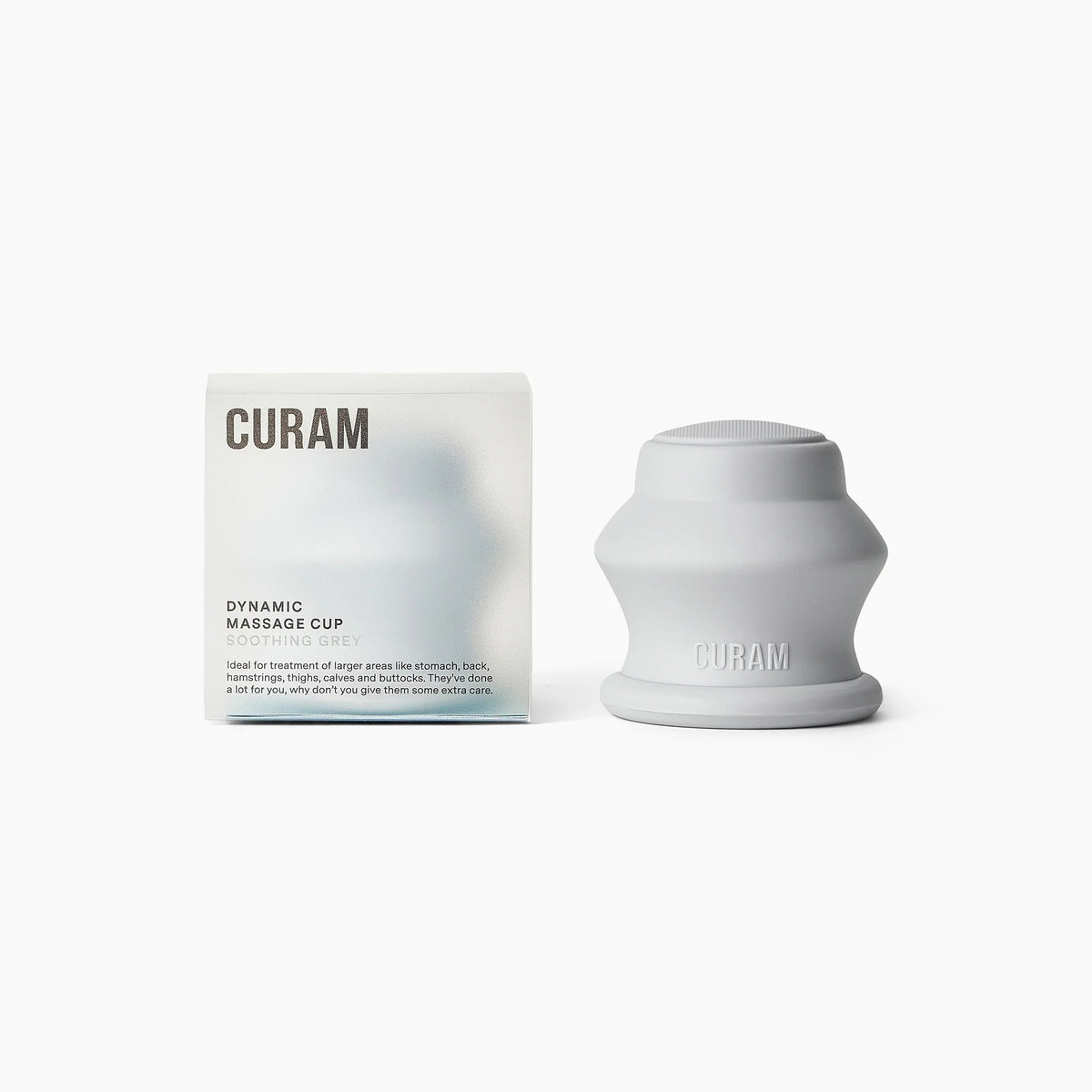
All five have the same mechanism: less oxygen to the tissues and less iron for the enzymes that control heat, dopamine and cell division. The tiredness is due to poorer oxygen delivery to muscles and brain; it improves within weeks of iron and is one of the best-established links, even without anaemia. The coldness is because thyroid hormone works less well and the body conserves heat; read always cold. Restless legs respond to iron in most people with ferritin under 75; it is the first-line treatment before medicines, see restless legs. The hair loss is telogen (even over the whole head) and turns around three to six months after ferritin has passed 50–70, see hair loss. The palpitations are the heart's compensation for thinner blood and disappear when haemoglobin rises. While the treatment works you can help the body at the margin: daily movement at a calm pace (hard training impairs absorption for hours via hepcidin), sleep, regular meals, and cupping of calves, thighs and back in the evening, which increases local blood flow, warms cold legs and calms restless legs, without in any way replacing the iron. Draw the dynamic cup with a little oil slowly from the ankle towards the knee and from the knee towards the hip, five minutes per leg. With pronounced anaemia (haemoglobin under 100), dizziness or palpitations at rest: rest, no long sessions, and contact your doctor.
Read more
Tiredness, always cold, restless legs, hair loss, B12 deficiency, vitamin D deficiency, period pain, and cold feet and hands.
Frequently asked questions
What are the most common symptoms of iron deficiency?
Tiredness that sleep doesn't fix, breathlessness and palpitations on stairs, feeling cold easily, pallor, restless legs in the evening, hair loss, brittle nails, headache, dizziness, concentration problems and craving ice. The symptoms come already when the stores (ferritin) are low, long before the blood count (haemoglobin) drops, so a normal haemoglobin doesn't rule out iron deficiency.
What is a low ferritin value?
Under 15 means empty stores, under 30 counts as iron deficiency in most guidelines, and many feel better only above 50; with restless legs, hair loss and tiredness the target is usually 50–75. The lab's reference range (often from 10–15) is statistics, not a measure of what is good. Ferritin rises with inflammation and infection, so take the test when you are well and also ask for transferrin saturation and CRP.
Can you have iron deficiency without anaemia?
Yes, and it is more common than iron deficiency anaemia. Iron deficiency develops in stages: first the stores empty (low ferritin), then the supply falls (low transferrin saturation), and last the blood count drops. Tiredness, feeling cold, restless legs and hair loss come already in the first stage, and the treatment is the same: iron until ferritin is above 50.
How should you take iron tablets so they work?
60–100 mg of iron every other day (not every day; absorption is just as good and the stomach tolerates it better), on an empty stomach or with vitamin C, and not together with coffee, tea, milk, calcium, acid blockers or thyroid hormone. Expect three to six months and continue until ferritin passes 50. For stomach upset: iron bisglycinate, a lower dose or liquid iron. With poor absorption or very low values: an iron infusion via your doctor.
How long does it take to feel better on iron?
Energy usually returns after two to four weeks, the blood count rises over four to eight weeks, coldness and restless legs ease after one to three months, and the hair starts growing back after three to six months once ferritin is above 50–70. The stores take three to six months to fill, longer with heavy periods, and the cause (bleeding, diet, gut problems) has to be addressed for the deficiency not to come back.
Written by Curam. Last updated 17 October 2026. This is general self-care information and does not replace medical care. For sudden, severe or unusual symptoms, contact your doctor. Talk to your doctor before cupping if you are pregnant, take blood thinners or have a condition affecting skin, blood vessels or blood.


