


Restless legs syndrome (RLS, Willis-Ekbom disease) has four hallmarks, and all four should apply: an urge to move the legs, usually with an unpleasant sensation in them (crawling, tingling, fizzing, "soda water in the legs", rarely pure pain); it begins or worsens at rest, when you sit or lie down; it is relieved by movement, as long as you keep moving; and it is worse in the evening and at night than in the day. The feeling sits deep in the calves or thighs, sometimes in the arms, often on both sides. Four in five also have involuntary leg jerks during sleep that a partner notices. The cause is disturbed dopamine signalling in the brain, and the most common modifiable factor is iron: the brain needs iron to make dopamine, and many with RLS have low iron stores (ferritin) despite a normal haemoglobin. So everyone with restless legs should have ferritin tested, and values below 75 µg/l are treated with iron, even if the lab's reference range says 15 is normal. Secondary RLS is due to something else: pregnancy (one in four pregnant women, mainly the third trimester, disappears after delivery), kidney failure, nerve damage (polyneuropathy in diabetes), and medicines: many antidepressants (SSRIs, mirtazapine), older antihistamines (in sleeping tablets and allergy medicines), some anti-nausea drugs and antipsychotics. Alcohol, caffeine, nicotine and sleep deprivation make it worse. It is harmless to the legs but devastating to sleep, and there is effective treatment. Here is how to work out what it is and what to do.
Restless legs, cramp, nerve pain or varicose veins?
| Restless legs | Calf cramp | Nerve pain / polyneuropathy | Varicose veins / heavy legs | |
|---|---|---|---|---|
| The feeling | Crawling, tingling, urge to move | Sudden hard knot, intense pain | Burning, stabbing, numb, "socks on" | Heaviness, ache, swelling |
| When | Rest, evening and night | Night, after exertion | All the time, often worse at night | After standing, the evening |
| Movement | Relieves immediately | Stretching relieves | Little effect | Relieves, elevation relieves |
| Where | Deep in calves/thighs, both sides | The calf, one side | The feet first, symmetrical | Where the veins show |
| Read more | This guide | Calf cramps | Nerve pain | Varicose veins |
You can have several at once: diabetic neuropathy often brings RLS, and cramp and RLS share several triggers.
Causes and what to ask your doctor to check
- Iron: ferritin (the target in RLS is above 75), transferrin saturation, haemoglobin. Low ferritin is common in menstruating women, pregnant women, blood donors, vegetarians and after gut disease. Iron tablets every other day (absorbed better than daily) with vitamin C, without coffee and milk, for three months, then a new test; iron infusion when tablets aren't tolerated or aren't enough. Never take iron on your own without a test: too much iron is harmful.
- Medicines: go through the list. SSRIs and SNRIs, mirtazapine, older antihistamines (diphenhydramine, promethazine, in many over-the-counter sleep aids), metoclopramide, lithium, some blood pressure medicines. Never switch on your own, but ask for a review.
- Pregnancy: iron and folate are checked, often iron plus the measures below is enough; it passes after delivery.
- Kidney function, blood sugar, thyroid, B12 and folate: taken at the first work-up.
- Heredity: half of those with early onset have relatives with the same. It doesn't change treatment but explains.
- Lifestyle: alcohol in the evening is the clearest aggravator, then caffeine after lunch, nicotine, sleep deprivation and prolonged sitting (cinema, flights, car journeys).
Restless legs when you are pregnant
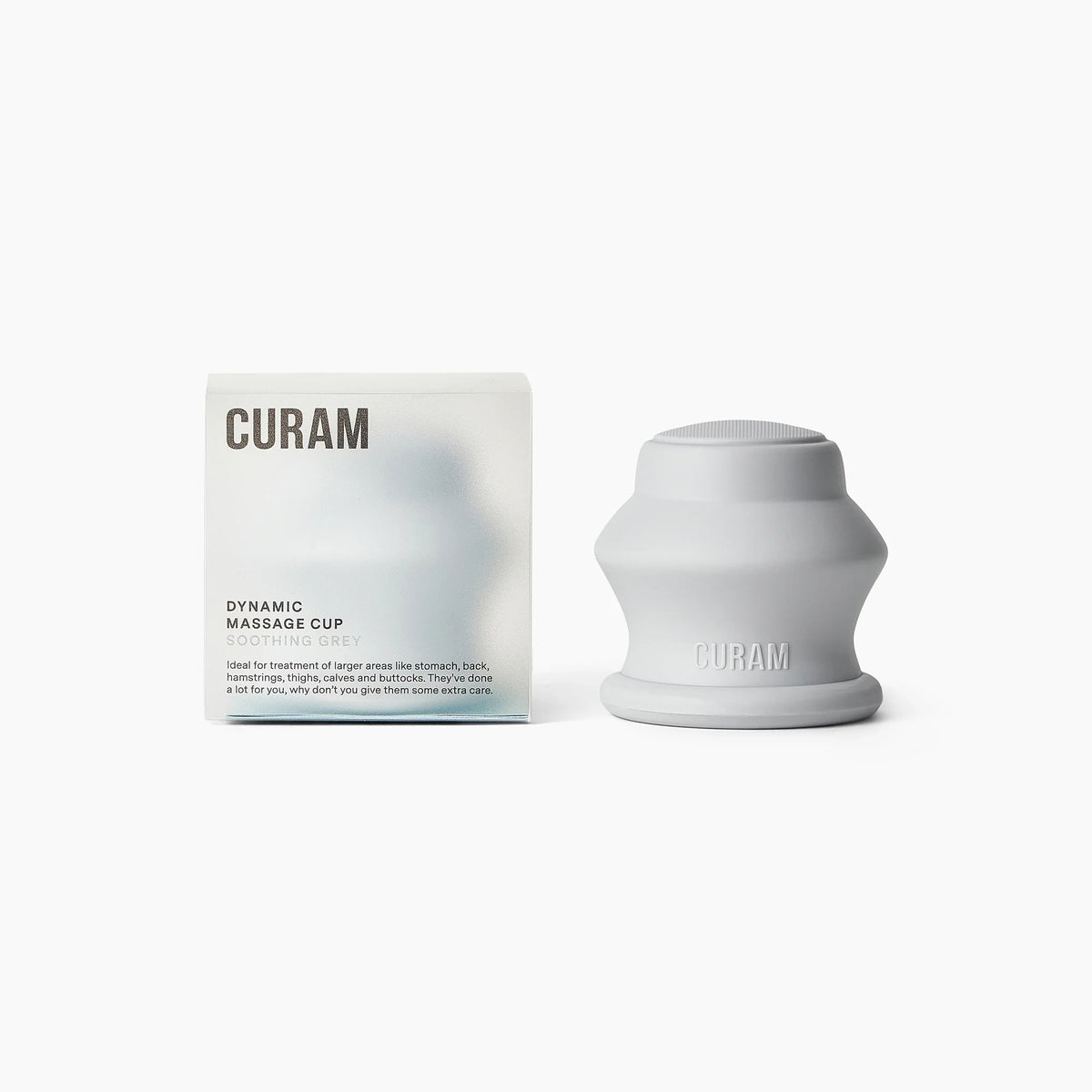
Restless legs during pregnancy affect one in four to five pregnant women, usually in the third trimester, and are one of the most common causes of poor sleep at the end of pregnancy. It is due to a combination of rising oestrogen and progesterone (which affect dopamine signalling), an increased need for iron and folate (blood volume rises by almost half and the foetus draws on the stores), pressure from the uterus on the vessels in the pelvis giving heavy, swollen legs, and poorer sleep in itself. In most women the symptoms disappear within a few weeks of delivery, but those who had restless legs during pregnancy have a higher risk of getting it again in later pregnancies and later in life. The most important thing you can do: ask your midwife for ferritin (not just haemoglobin); pregnant women with restless legs and ferritin under 75 are treated with iron, and folate and B12 are checked at the same time. Medicines for restless legs are as a rule not used during pregnancy, so self-care is the main treatment: an evening walk and light movement, stretching of calves and hamstrings before bed, a warm bath or footbath followed by cool, massage of the calves (a rewarding job for a partner), legs up for a while in the evening, compression stockings during the day against the swelling, no caffeine after lunch, regular bedtimes, and magnesium (300 mg in the evening, safe during pregnancy, helps some). Cupping of the calves and the back of the thighs with light pressure in the evening is fine from the second trimester when you feel well and the midwife hasn't said otherwise: draw the dynamic cup slowly from the ankle towards the knee and from the knee towards the hip, three to five minutes per leg, sitting with the leg up or lying on your side, never on the stomach or lower back, never over varicose veins, and not with pre-eclampsia, clot risk or threatened preterm birth; read cupping during pregnancy and breastfeeding first. Seek care if the legs swell unevenly, are warm, red or sore in one place (clot), or if the swelling comes suddenly together with headache, visual disturbance or high blood pressure.
When to seek care
Book your doctor when the crawling comes more than two evenings a week, disturbs your sleep or makes you avoid cinemas, travel and dinners; when you are pregnant with symptoms that disturb sleep; when you have diabetes, kidney disease or take the medicines above; and always for a ferritin test before starting iron. Ask for a referral to a neurologist when iron and lifestyle aren't enough: there are effective medicines (gabapentinoids first; dopamine drugs are used more cautiously nowadays since they can worsen the symptoms over time, so-called augmentation). Urgent care: no, RLS is never urgent, but leg pain with swelling, heat and redness in one calf is a blood clot until proven otherwise and should be assessed the same day.
What helps restless legs
- Iron to a ferritin above 75 when it is low. In many the symptoms disappear completely in two to three months.
- Move in the day, not late in the evening. Moderate daily exercise (walking, cycling, swimming) reduces symptoms by around 40 per cent in studies; hard training late in the evening makes it worse.
- No alcohol and caffeine after 2 pm. Try two weeks completely without and feel the difference.
- The evening routine below with stretching, heat or cold, massage and cupping.
- Compression socks or a light weight on the legs (weighted blanket) in the evening help some; pneumatic compression cuffs have support in small studies.
- Keep the brain occupied when you have to sit: crosswords, handicraft, the computer. Boredom clearly worsens RLS; an engaged brain notices the legs less.
- Regular sleep: go to bed and get up at the same time, a dark and cool bedroom, no screen in the last hour. Sleep deprivation lowers the threshold for RLS. See sleep problems.
- Magnesium: weak support, harmless to try for three weeks if you don't have kidney disease; helps more for cramp than for RLS.
- Medicines via a neurologist when none of the above is enough.
A 15-minute evening routine
- Hot or cold, 5 minutes: a hot shower over the legs, a hot footbath, or the opposite, a cold shower over the calves; different people respond to different things, try both. Many get the best effect from alternating hot and cold.
- Stretch, 3 minutes: calf stretch against the wall 30 seconds per side, hamstrings with the foot on a chair, the hip flexor in a lunge. See stretching and mobility.
- Massage and cupping, 5–7 minutes: see the next section.
- Legs raised for a while, then straight to bed while the legs are calm. If you wake from the crawling: get up, walk a few laps, stretch the calves, lie down again; don't lie there fighting it.
Massage and cupping of the legs for restless legs
Massage is one of the best-supported non-drug measures for RLS: pressure and movement in the legs give the brain competing signals that dampen the crawling, and relaxed calves and thighs lower overall muscle tension before the night. Cupping works the same way with the addition that the deep, pulling feeling of suction is often experienced as exactly what the legs are "asking for". How to: sit on the edge of the bed or lie on your back, oil the calves and the front and back of the thighs. Glide the dynamic cup with moderate suction in long, slow strokes from the ankle up towards the back of the knee on the calf, ten to fifteen strokes per side, then from the knee up towards the hip on the front and outside of the thigh, ten strokes. Keep an even pace, about one second per ten centimetres; fast, light strokes irritate more than they calm. Finish by letting the cup rest still for 30–60 seconds in the middle of the calf and the middle of the outer thigh, where the crawling usually sits most. Five to seven minutes in total, every evening for a two-week period, then as needed. It is reasonable to expect calmer legs that evening, not a cured RLS: the cause (iron, medicines) has to be addressed in parallel. Don't cup over varicose veins, not with a suspected blood clot, not with strong suction on blood thinners, and avoid the calves if you have severe polyneuropathy with reduced sensation, since you then can't feel whether the suction is too strong. More on the technique in cupping at home, on cramp in calf cramps and on circulation in poor blood circulation.
Read more
Calf cramps, sleep problems, deep sleep and sleeping position, nerve pain, varicose veins, cupping during pregnancy and cupping – the complete guide.
Frequently asked questions
How do I know if I have restless legs?
Four things should apply: an urge to move the legs, usually with crawling, tingling or fizzing deep in the calves or thighs; it begins or worsens when you sit or lie down; it is relieved as long as you move; and it is worse in the evening and at night. Cramp is a sudden hard knot, nerve pain burns and numbs all the time, varicose veins give heaviness after standing. If the four apply, book your doctor and ask for ferritin.
What causes restless legs?
Disturbed dopamine signalling in the brain, and the most common modifiable cause is low iron stores (ferritin below 75) even when the blood count is normal. Other causes: pregnancy, kidney failure, nerve damage in diabetes, and medicines such as many antidepressants, older antihistamines in sleeping tablets and some anti-nausea drugs. Alcohol, caffeine, nicotine, sleep deprivation and sitting still make it worse. Half of those with early onset have it in the family.
Does iron help restless legs?
Yes, if ferritin is below 75 µg/l, which it often is despite a normal haemoglobin. Iron tablets every other day with vitamin C for three months, or an iron infusion, make the symptoms disappear completely in many. Test first: iron without proven deficiency is harmful. Ferritin above 75 and continued symptoms: then it is other measures and possibly medicines via a neurologist.
What can I do myself in the evening for restless legs?
No alcohol or caffeine after 2 pm, exercise in the day but not late, a hot or cold shower over the legs, calf and hamstring stretches, five to seven minutes of massage or cupping of calves and thighs, compression socks or a weighted blanket, keep the brain occupied when you have to sit, and go to bed straight away when the legs are calm. If you wake: get up, walk a few laps, stretch, lie down again.
Does cupping help restless legs?
It dampens the crawling for the evening in many, in the same way as massage: pressure and movement in the legs give the brain competing signals and lower muscle tension. Long slow strokes with moderate suction from the ankle towards the back of the knee and from the knee towards the hip, then a still cup in the middle of the calf, five to seven minutes every evening for two weeks. It doesn't cure the cause: iron and a medication review are needed in parallel. Not over varicose veins, with a blood clot or with severely reduced sensation.
Related guides
- Numbness and tingling in the feet and legs
- Iron deficiency – ferritin, diet and supplements that work
- B12 deficiency – symptoms, tests and treatment
Written by Curam. Last updated 17 October 2026. This is general self-care information and does not replace medical care. For sudden, severe or unusual symptoms, contact your doctor. Talk to your doctor before cupping if you are pregnant, take blood thinners or have a condition affecting skin, blood vessels or blood.


