


Varicose veins are superficial veins on the legs that have become wide, twisting and visible because the valves inside them no longer close properly: blood that should be pumped up toward the heart flows back and pools, the vein stretches, and the pressure in it rises when you stand. It is hereditary, more common in women, increases with age, pregnancies, standing work, overweight and sedentary habits, and affects about one in four adults. The symptoms are heaviness, aching and swelling toward evening, itching over the vein, night calf cramps and restless legs; in late stages discoloured, hardened skin around the ankle and slow-healing ulcers. What helps is compression stockings, the muscle pump (walking, calf pumps), elevation, weight stability and, when symptoms warrant it, treatment (laser, radiofrequency, foam injection or surgery), which is now done in a clinic without a hospital stay. And one rule for cupping: never directly on varicose veins, because suction increases the pressure in an already widened vein and can cause bleeding and inflammation; very light lymphatic drainage above and around the area, however, can reduce swelling and heaviness. Here are the causes, the symptoms, the care and what you do yourself.
Why do you get varicose veins?
The veins in the legs transport blood against gravity with the help of one-way valves and the pumping of the calf muscle. When the valves become leaky (hereditary weak vein wall, hormones, pressure from pregnancy or overweight, years of standing) blood flows down again and collects in the superficial veins, which stretch and become visible. This produces venous insufficiency: a constantly raised pressure that pushes fluid into the tissue (swelling), irritates the skin (itching, eczema) and over time damages it (brown discolouration, hardened skin, leg ulcers). Spider veins are small red or blue vessel patterns in the skin; they are cosmetic and don't hurt. Varicose veins are thicker, raised and can feel like a rope under the skin.
Symptoms and stages
| Stage | Recognised by |
|---|---|
| Spider and reticular veins | Thin vessel patterns, no symptoms, cosmetic |
| Varicose veins without swelling | Visible, twisting veins, heaviness and aching toward evening, itching, cramps at night, better with elevation and in the morning |
| Varicose veins with swelling | Swollen ankle and lower leg in the evening, sock marks, heaviness that bothers; see also swollen legs and feet |
| Skin changes | Brown or red-brown discolouration around the ankle, eczema, hard and shiny skin (lipodermatosclerosis), white scar tissue; signs of long-standing high venous pressure, treatment shouldn't wait |
| Leg ulcers | Sores on the inside of the lower leg that don't heal; need medical care and compression |
When should you seek care?
- The same day or urgently: a leg that suddenly swells, becomes warm, tender and heavier than the other (suspected deep vein thrombosis), a hard, red, tender cord along a varicose vein (superficial thrombophlebitis, inflammation of the vein; should be assessed because it can spread to the deep veins), a varicose vein that starts bleeding (elevate, press, seek care), or sudden breathlessness and chest pain.
- Book your doctor: varicose veins causing heaviness, swelling or cramps that affect daily life, skin changes around the ankle, eczema or sores, or if you want treatment. The doctor examines with ultrasound (duplex) and can refer you to a vascular surgeon or vein clinic; treatment for symptoms and skin changes is usually covered, while purely cosmetic varicose veins are treated privately.
What helps in daily life
- Compression stockings (class 1–2, knee-high is usually enough) in the morning before the legs swell, off in the evening. They replace the leaky valves with external pressure and are what best reduces heaviness, swelling and progression. Ask for fitting at a pharmacy or via your doctor.
- Use the calf muscle: a walk every day, stairs, cycling, swimming; with standing or sitting work, calf raises and calf pumps (rock the feet up and down) 20 times every half hour. Don't stand still for long; walk instead.
- Elevation: legs above heart level 15–20 minutes in the evening, and the foot end of the bed raised a few centimetres.
- Avoid prolonged sitting with crossed legs, a lot of heat on the legs (hot baths, sauna, underfloor heating and sun widen the veins; cold afterwards contracts them), tight trousers and socks with hard elastic, and overweight, which raises pressure in the abdominal veins.
- Cold water: a cold shower on the legs from foot to thigh in the morning and after heat contracts the veins and reduces heaviness.
- Skin care: moisturiser daily on the lower legs; dry, itchy skin is the start of venous eczema. Don't scratch; a wound over a varicose vein heals slowly.
- Strength training for the legs with calf pumps afterwards is good; heavy lifting with straining (heavy deadlifts with the breath held) raises venous pressure temporarily and should be done with an exhalation.
Treatments available
| Method | How it works |
|---|---|
| Laser or radiofrequency (endovenous) | A catheter heats and closes the leaky main vein from inside under local anaesthetic; the most common method today, you go home the same day with compression for one to two weeks |
| Foam injection (sclerotherapy) | A foam agent is injected and seals the vein; for smaller varicose and spider veins, often several treatments |
| Glue (cyanoacrylate) | The vein is glued shut without heat and often without compression afterwards |
| Surgery (stripping, local removal) | The vein is pulled out or removed through small incisions; used when other methods don't suit |
New varicose veins can develop in other veins after treatment; compression, movement and weight stability reduce the risk. Treated veins aren't needed; the blood takes other routes.
Varicose veins in pregnancy
Hormones that widen the vessels, increased blood volume and the uterus pressing on the pelvic veins mean many develop varicose veins during pregnancy, sometimes also in the labia and as haemorrhoids. Most improve or disappear within three to twelve months after delivery, so treatment waits until then. Meanwhile: compression stockings from the morning (maternity models exist), lie on your left side when resting (unloads the large vein), elevation, a daily walk and swimming, calf pumps, and avoid prolonged standing. Cupping in pregnancy is otherwise done with light suction and only on the back, shoulders and neck; read cupping during pregnancy and breastfeeding, and if swelling is the main problem fluid retention in the body.
Cupping and varicose veins: the rule, and what you can do instead
Never cup directly on varicose veins, not even with light suction, and not over spider veins if you bruise or get broken capillaries easily. The suction draws blood into a vein that is already overfilled and has a weak wall, which can cause bleeding under the skin, inflammation of the vein (thrombophlebitis) and at worst a varicose vein bursting. The same rule applies to hard massage, massage guns and foam rollers over varicose veins. What does work, and what many with varicose veins find helpful against heaviness and swelling:
- Light lymphatic drainage above the area: open the stations (circles in the groin and behind the knee with the fingers), then the dynamic cup on the lowest suction with oil on the thigh, in slow strokes from the knee toward the groin, 2 minutes per thigh, to clear the path upward. The technique is in lymphatic massage at home.
- Lower leg without a cup: stroke with the hands from the ankle toward the knee on the parts free of varicose veins, light pressure, 2 minutes per leg; skip every visible varicose vein.
- Cupping on other parts of the body (back, neck, shoulders, thighs without varicose veins) is unaffected by having varicose veins on the lower legs.
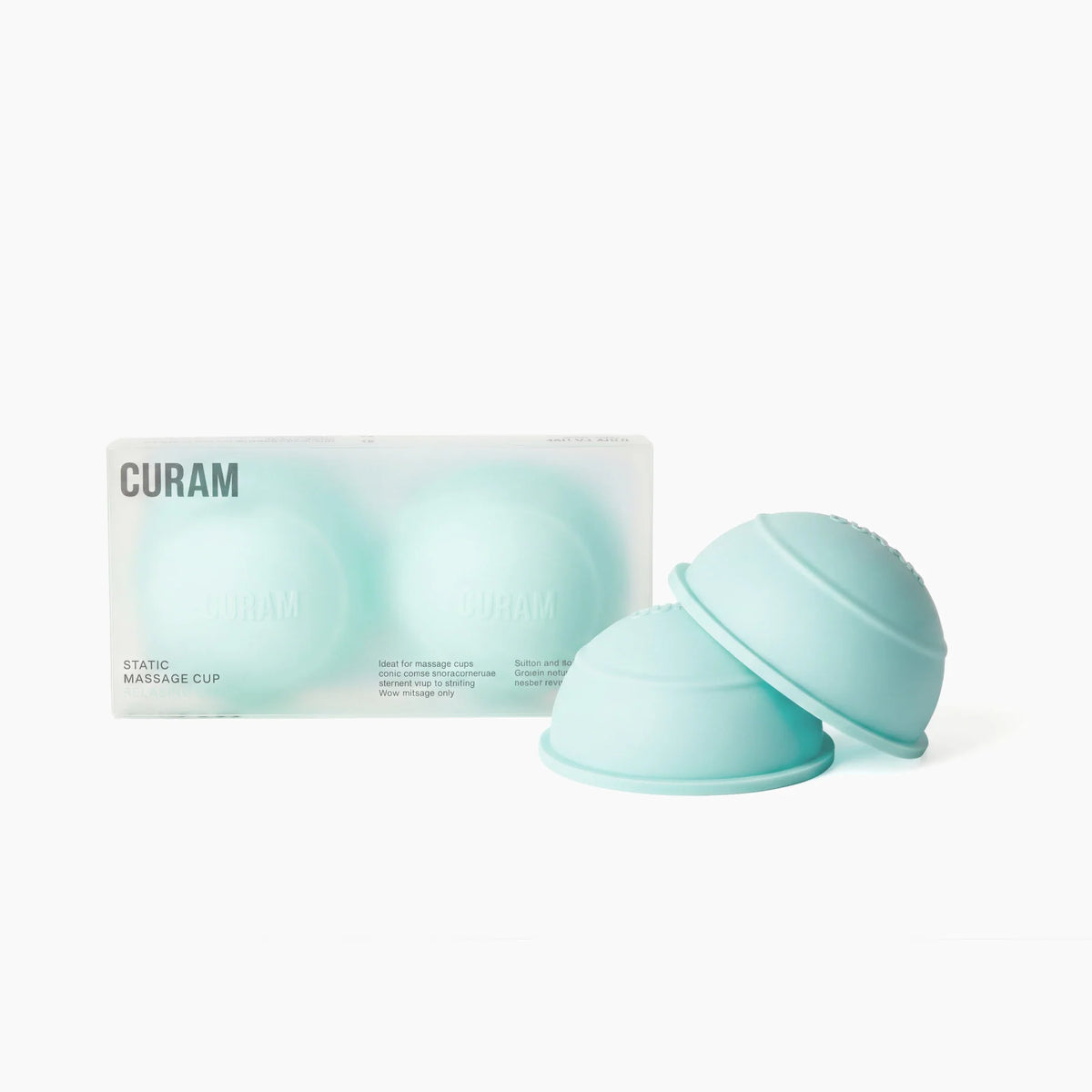
- Static cups don't belong on legs with varicose veins at all.
- Always finish with calf pumps in elevation and your compression stocking on.
If you have had a blood clot, ongoing thrombophlebitis, leg ulcers or skin changes around the ankle: no cupping on the legs at all without having asked your doctor. More situations in when to avoid cupping.
Frequently asked questions
Are varicose veins dangerous?
Rarely. Most varicose veins cause cosmetic problems, heaviness and swelling but nothing serious. The risks over time are superficial vein inflammation, bleeding after injury, eczema and in late stages leg ulcers. A leg that suddenly swells, becomes warm and tender can be a clot in the deep veins and should be assessed the same day.
Can varicose veins disappear by themselves?
No, except those that appeared during pregnancy, which often regress within a year after delivery. Other varicose veins remain and tend to increase over the years, but compression, movement and elevation slow the course and reduce symptoms. Treatment with laser, radiofrequency, foam or surgery removes them.
What should you avoid with varicose veins?
Prolonged standing still and sitting with crossed legs, a lot of heat on the legs (sauna, hot baths, sun, underfloor heating), tight elastics, overweight, and massage, cupping, massage guns or foam rollers directly on the varicose veins. Don't smoke; it weakens the vessel walls.
Can you cup if you have varicose veins?
Not on the varicose veins themselves or right next to them: the suction raises the pressure in an already widened vein and can cause bleeding and vein inflammation. Light lymphatic drainage with a cup on the thigh above the area, and cupping on the rest of the body, is fine. With a previous blood clot, vein inflammation or leg ulcers, ask your doctor before cupping the legs at all.
Do compression stockings help varicose veins?
Yes, they are the most effective self-care: they replace the leaky valves with external pressure, reduce heaviness, swelling and cramps and slow skin changes. Put them on in the morning before the legs swell, knee-high is usually enough, and have the right class and size fitted.
Related guides
- Lipoedema – symptoms, stages and what helps
- The lymphatic system – how it works and how to keep it moving
- Swollen feet and legs in pregnancy – what helps
Written by Curam. Last updated 17 October 2026. This is general self-care information and does not replace medical care. For sudden, severe or unusual symptoms, contact your doctor. Talk to your doctor before cupping if you are pregnant, take blood thinners or have a condition affecting skin, blood vessels or blood.


