


Lipoedema is a chronic disorder of the fat tissue, not an overweight or willpower problem: fat accumulates symmetrically on the hips, thighs, knees and lower legs (sometimes upper arms), with slim feet and hands (a distinct edge at the ankle, the "cuff"), the tissue is tender to pressure, bruises easily, feels heavy and tight toward evening, and does not respond to dieting and exercise the way the rest of the body does: the waist gets smaller but the legs stay. It affects almost only women, often starts at puberty, pregnancy or menopause, runs in many families, is estimated to affect several per cent of all women, but is diagnosed late because it is constantly mistaken for overweight. There is no cure, but much that reduces pain, swelling and progression: compression, movement (especially in water), strength training, manual lymphatic drainage, an anti-inflammatory diet, weight stability, and in selected cases lymph-sparing liposuction. Cupping can be used lightly and superficially as a way to do your own lymphatic drainage on lipoedema tissue, but never hard (the tissue is tender and bleeds easily) and never instead of compression and medical care. Here are the symptoms, the stages, the diagnosis and what helps.
Symptoms: how to recognise lipoedema
- Symmetrical fat accumulation on both legs (and sometimes arms) from hip to ankle, with a distinct boundary at the ankle or wrist; feet and hands are slim. The upper body is often proportionally smaller ("two bodies").
- Tenderness and pain: sore when you press, when someone sits on your lap, when the cat walks on your thighs; a dull heaviness and tightness that increases during the day and in heat.
- Bruises from small things you don't remember.
- The tissue feels like small grains or peas under the skin, later larger lumps, and the skin can be cold and uneven ("orange peel" is not the same thing but can coexist).
- Dieting doesn't work on the affected parts: face and waist get slimmer, legs don't.
- No pitting at first: pressing with the thumb leaves no lasting dent (unlike lymphoedema), and Stemmer's sign is negative (you can pinch a skin fold on the toe).
- Knock knees, changes in gait, hypermobile joints and lax connective tissue are common companions.
Lipoedema, lymphoedema or overweight?
| Lipoedema | Lymphoedema | Overweight | |
|---|---|---|---|
| Distribution | Symmetrical, hip to ankle, feet spared | Usually one leg or arm, foot/hand swollen | Whole body incl. abdomen, feet may be swollen |
| Tenderness, bruising | Yes, typical | No, rather tight | No |
| Pitting on pressure | No (early) | Yes (early), later hard | No |
| Stemmer's sign (skin fold on the toe) | Negative | Positive | Negative |
| Response to dieting | Waist yes, legs no | Unaffected | Yes, evenly |
| Elevation overnight | Little effect | Clear reduction | None |
| Who | Women, often hereditary, onset at puberty/pregnancy/menopause | After cancer treatment, infection, congenital | Anyone |
The conditions can coexist: untreated lipoedema can over the years overload the lymphatic system so that a lipo-lymphoedema develops (then the feet swell too and pitting appears), and many with lipoedema are also overweight, which makes the diagnosis harder but no less important. Own guide: lymphoedema, and if it is mainly about fluid: fluid retention in the body.
Stages and types
| Stage | What it looks like |
|---|---|
| Stage 1 | Smooth skin, evenly thickened subcutaneous tissue, small grains felt on pressure; tenderness and bruising already present |
| Stage 2 | Uneven skin with dents and lumps (larger fat nodules), a clearer "cuff" at the ankle |
| Stage 3 | Large, hanging tissue folds on the inside of thighs and knees that disturb walking and chafe, often with lipo-lymphoedema |
The types describe where: type I hips and buttocks ("saddlebags"), type II hips to knees, type III hips to ankles (most common), type IV arms, type V lower legs only. The stage doesn't say everything about the pain; many in stage 1 have a lot of pain.
How it is diagnosed, and where to go
The diagnosis is clinical: the doctor looks, feels and asks about onset, heredity, tenderness, bruising and how the body has responded to weight loss. There is no blood test; ultrasound or lymphoscintigraphy is sometimes used to rule out lymphoedema or venous disease. Start with your GP and say explicitly that you suspect lipoedema; ask for a referral to a lymphoedema therapist (often via physiotherapy or a lymphoedema clinic) and if needed to a vascular or plastic surgeon. Patient associations keep lists of knowledgeable clinics. Expect to have to stand your ground; many are told to "lose weight" for years before anyone examines their legs.
What helps (and what doesn't)
| Measure | What it does |
|---|---|
| Compression (flat-knit stockings or leggings in class 2, fitted by a lymphoedema therapist) | Reduces heaviness, pain and fluid, slows progression to lymphoedema; the single most important measure. Worn in the daytime, especially when standing, walking and training |
| Movement in water (swimming, aqua aerobics, pool walking) | Water pressure acts as compression and lymphatic drainage, the joints are unloaded, and it doesn't hurt; what most people with lipoedema tolerate best |
| Strength training and daily walking | The muscle pump drives the lymph; strong legs and glutes unload the knees. Bike, cross-trainer, leg exercises at home with compression on. Hard jumping and running often worsen the pain |
| Manual lymphatic drainage (with a therapist, and as self-care at home) | Reduces fluid, tightness and pain temporarily; combined with compression for the effect to last. Self-care in lymphatic massage at home and lymphatic drainage |
| Anti-inflammatory diet and weight stability | Lipoedema fat doesn't disappear with dieting, but inflammation and swelling decrease with less sugar and fast carbohydrates, more vegetables, fish, legumes and olive oil; weight gain worsens it and weight loss helps the rest of the body and the joints. No specific "lipoedema diet" has proven effect |
| Pain management and psychological support | Chronic pain, shame and years of wrong advice wear you down; a patient association, counselling and a healthcare contact who understands the diagnosis make a big difference |
| Liposuction (lymph-sparing, water-assisted or tumescent) | Removes diseased fat tissue, reduces pain and improves gait in studies; done in several rounds by an experienced surgeon; often privately funded. Not a solution for everyone and doesn't replace compression and movement afterwards |
| Doesn't help: | Diuretic tablets (dehydrate without reaching the lipoedema fat), crash diets, hard massage, "lymph cleansing" cures and supplements |
Cupping with lipoedema: light, superficial and never instead of compression
Lipoedema tissue is tender, inflamed and bruises easily, which means ordinary cupping with medium or strong suction is wrong: it causes bruising, more pain and no benefit. However, many with lipoedema use very light, superficial lymphatic drainage with a cup as a way to do themselves what the lymphoedema therapist does: suction that barely lifts the skin, slow strokes toward the nearest lymph node station, always after the "stations" have been opened. The aim is to move fluid and reduce tightness, not to work the fat; cupping does not reduce lipoedema fat. Discuss the approach with your therapist, and skip it if the tissue is broken, has eczema, is warm and red (infection, erysipelas) or if you have deep vein thrombosis, severe heart failure or untreated stage 2–3 lymphoedema.
- Open the stations without the cup: deep belly breaths, light circles with the fingers in the groin creases (20 times), behind the knees and above the collarbones.
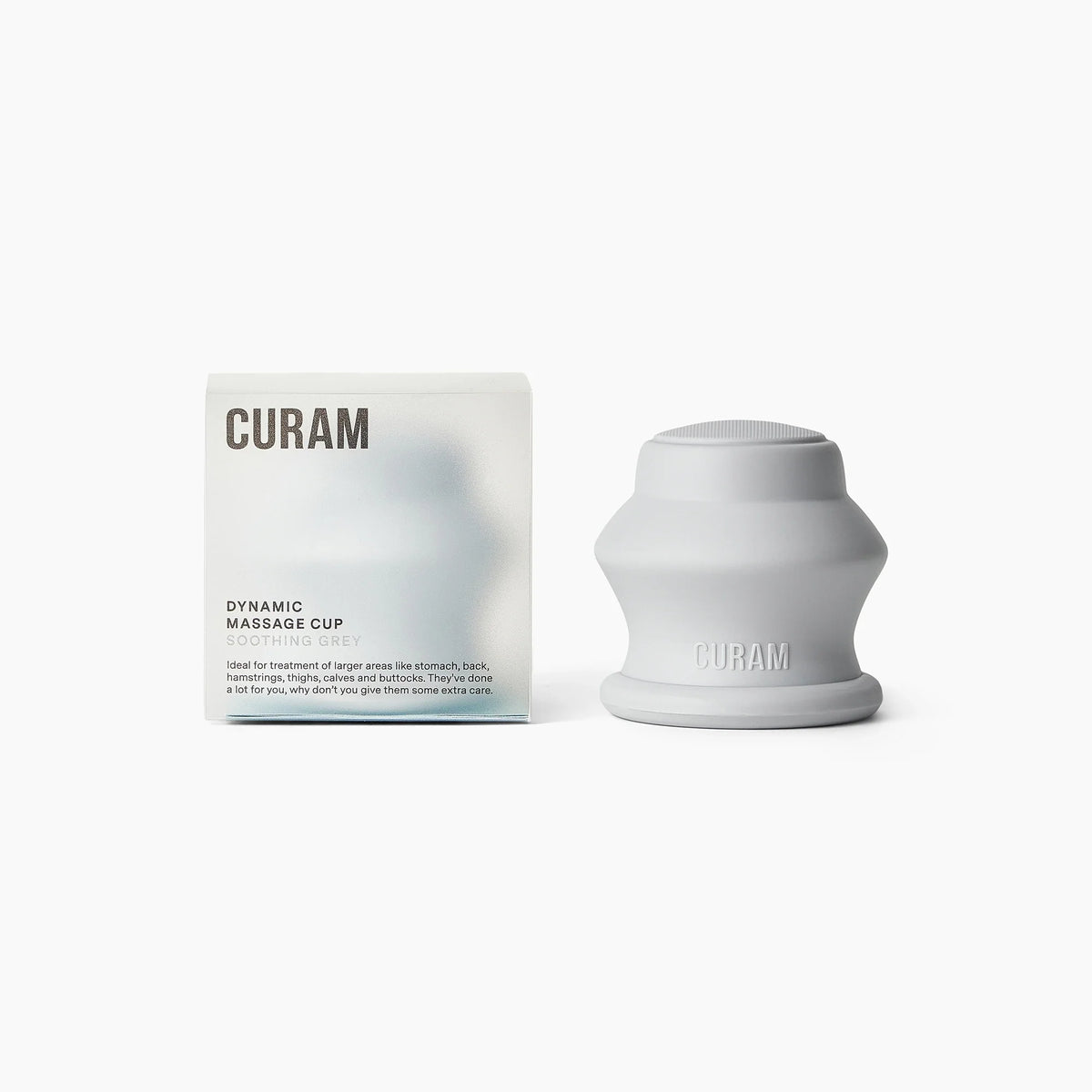
- Lowest suction on the dynamic cup with plenty of oil; the cup should glide without pulling the skin. If it feels tender, the suction is too strong.
- Thigh: slow strokes from the knee up toward the groin, inside, front, outside and back, 5–8 strokes per path. 2–3 minutes per thigh.
- Lower leg: strokes from the ankle up toward the back of the knee, then empty the back of the knee with the fingers toward the groin. 2 minutes per leg.
- Finish with 20 calf pumps lying with the legs raised and put your compression on straight away; without compression the fluid returns within an hour or so.
Two to three times a week is enough; the full approach is in lymphatic massage at home, and in the cupping programme for oedema. If you bruise from the lowest suction: stop using the cup and do the drainage with your hands.
Daily life with lipoedema: what makes a difference over time
- Compression on the days you stand, walk and train, and always when travelling and in heat.
- Move every day but choose what doesn't hurt: water, bike, walking, strength; save jumping and running for days you feel good, with compression.
- Skin care: moisturiser daily to avoid cracks and infection in skin folds; dry carefully between toes and in folds.
- Shoes with good support and cushioning; knees and feet take a beating from both weight and gait changes.
- Follow up: weight, circumference measurements every three months, photos in the same light; it shows whether the approach keeps the swelling in check.
- Find others with the diagnosis: patient associations and lipoedema groups are where many first feel believed.
Frequently asked questions
How do I know if I have lipoedema or just overweight?
Lipoedema sits symmetrically on hips, thighs and lower legs with slim feet and a distinct edge at the ankle, is tender to pressure, bruises easily and doesn't respond to dieting (the waist gets slimmer, the legs don't). Overweight is distributed over the whole body including abdomen and feet, doesn't hurt on pressure and decreases evenly with weight loss. Many have both; ask your doctor to examine your legs and refer you to a lymphoedema therapist.
Can lipoedema be cured or dieted away?
No. Lipoedema is chronic and the fat can't be dieted away, but pain, swelling and progression can be influenced with compression, movement (especially in water), strength training, lymphatic drainage, an anti-inflammatory diet and weight stability. Lymph-sparing liposuction can remove diseased tissue and reduce pain in selected patients.
Do lymphatic massage and cupping help lipoedema?
Manual lymphatic drainage reduces fluid, tightness and pain temporarily and is part of standard treatment together with compression. Very light, superficial lymphatic drainage with a cup can be used as self-care in the same way, but ordinary cupping with medium or strong suction causes bruising and more pain on lipoedema tissue and should be avoided. Neither method reduces the fat.
What exercise is best with lipoedema?
Movement in water (swimming, aqua aerobics, pool walking) is tolerated best and acts as compression and lymphatic drainage at the same time. Then cycling, walking, cross-trainer and strength training for legs and glutes, with compression on. Jumping and hard running often worsen pain and swelling.
What is the difference between lipoedema and lymphoedema?
Lipoedema is fat tissue accumulating symmetrically on both legs with spared feet, tenderness and bruising, and no pitting on pressure. Lymphoedema is fluid collecting because the lymphatic system can't cope, usually in one leg or arm including the foot or hand, with early pitting and a positive Stemmer's sign. Untreated lipoedema can over time produce a lipo-lymphoedema where both are present.
Related guides
- The lymphatic system – how it works and how to keep it moving
- Varicose veins – what helps, and cupping
- Support stockings and compression stockings – difference, classes, when and how
Written by Curam. Last updated 17 October 2026. This is general self-care information and does not replace medical care. For sudden, severe or unusual symptoms, contact your doctor. Talk to your doctor before cupping if you are pregnant, take blood thinners or have a condition affecting skin, blood vessels or blood.


