


Support stockings and compression stockings do the same thing with different force: they squeeze the leg most at the ankle and decreasingly upward (graduated compression), which helps the veins return blood toward the heart, prevents fluid from leaking into the tissue and supports lymph flow. Support stockings are light (under 15–18 mmHg at the ankle), sold over the counter in clothing sizes and suit tired, mildly swollen legs from standing, sitting, travel and pregnancy. Medical compression stockings have defined compression in classes (class 1: 15–21 mmHg, class 2: 23–32, class 3: 34–46), are measured to the leg's circumference and are used for symptomatic varicose veins, after a blood clot, for venous leg ulcers, lymphoedema and lipoedema, and are often prescribed with a subsidy. Used correctly, that is the right class, the right size, on in the morning before the legs swell and off in the evening, they are more effective than any cream, tablet or device against swollen legs, and they are what makes the effect of lymphatic massage and cupping last. Used wrongly (too small, rolled, creased behind the knee, with poor arterial circulation) they can do harm. Here are the classes, who needs what, how to put them on and common mistakes.
Support stocking or compression stocking? The classes
| Type | Pressure at the ankle | Suits | Where |
|---|---|---|---|
| Support stocking (travel stocking, "flight sock") | 10–18 mmHg | Tired, heavy, mildly swollen legs from standing and sitting work, long journeys, uncomplicated pregnancy, prevention in healthy people | Pharmacy, sports shop, online; clothing size, no fitting |
| Compression class 1 | 15–21 mmHg | Mild varicose veins, evening swelling, pregnancy with varicose veins, after sclerotherapy, travel with increased thrombosis risk | Pharmacy or medical supplier; circumference measurement recommended |
| Compression class 2 | 23–32 mmHg | Varicose veins with clear symptoms, after deep vein thrombosis (at least a year), venous insufficiency with skin changes, healed leg ulcers, lymphoedema and lipoedema (often flat-knit), after vein surgery | Prescribed by a doctor or lymphoedema therapist, fitted by a medical supplier; subsidised in many systems |
| Compression class 3 | 34–46 mmHg | Pronounced lymphoedema, severe venous insufficiency, recurring leg ulcers; always on prescription | Prescription and fitting |
Length: a knee-high is enough for most (the swelling usually sits in the lower leg and the stocking stays up best); a thigh-high or tights for varicose veins or swelling above the knee, lymphoedema of the whole leg and after surgery near the hip. Circular or flat knit: circular-knit (ordinary) are thinner and elastic and suit legs of normal shape; flat-knit with a seam are stiffer, hold their shape on legs with pronounced swelling, folds or lipoedema and don't fold into skin creases. Open or closed toe: open toe if the feet get too warm, with toe problems or to get the stocking on with a slip sock.
Who should wear compression, and when?
| Situation | Recommendation |
|---|---|
| Standing or sitting work, heavy legs in the evening | Support stocking or class 1 knee-high in the daytime; together with calf pumps and walking. See swollen legs and feet |
| Flight or car journey over 4 hours | Support stocking or class 1 on for the whole journey, especially with the pill, pregnancy, overweight, previous blood clot or recent surgery; plus water, calf pumps and walking every hour |
| Pregnancy | Support stocking or class 1 from the morning, maternity tights or knee-highs; class 2 with varicose veins or on the midwife's advice. See swollen feet in pregnancy |
| Varicose veins | Class 1 for mild, class 2 with symptoms, skin changes or before and after treatment. See varicose veins |
| After a blood clot in the leg | Class 2 knee-high in the daytime for at least one to two years according to the doctor, to reduce the risk of post-thrombotic syndrome |
| Lymphoedema and lipoedema | Class 2 (sometimes 3), often flat-knit, fitted by a lymphoedema therapist, daily; the foundation of treatment together with lymphatic drainage, movement and skin care. See lymphoedema and lipoedema |
| After surgery (knee, hip, vein) | As prescribed by the clinic, often class 1–2 for two to six weeks. See rehab after joint replacement |
| Training and running | Calf compression gives no measurably better result during the race, but many feel less calf vibration and faster recovery; most benefit afterwards and on the journey home. See recovery |
| Bedridden, hospital | White anti-embolism stockings (low pressure) as directed by healthcare; not the same as compression stockings for walking |
When not to use compression without asking a doctor first
- Reduced circulation in the leg arteries (intermittent claudication, cold pale feet, sores on toes and heel, diabetes with vascular involvement): compression can choke what blood flow there is; the ankle-brachial index should be measured before class 2 or higher.
- Untreated heart failure with swollen legs: the fluid pushed back loads the heart.
- Acute deep vein thrombosis before treatment is started, erysipelas or other skin infection, weeping eczema or wounds without a dressing.
- Reduced sensation in the legs (neuropathy) requires extra skin checks, since pressure damage isn't felt.
- Swelling in one leg that is new, warm and tender: assessment for a blood clot first, not a stocking.
Measuring, putting on and care
- Measure in the morning before the swelling, with a tape measure: the narrowest point above the ankle bones, the widest on the calf, and for a thigh-high the widest on the thigh, plus the length from floor to back of the knee. Size charts differ between brands; re-measure when your weight has changed.
- Put on straight away in the morning, ideally before you have stood up, on dry skin (no cream just before, or let it absorb). Off in the evening or when you go to bed; don't sleep in them without instruction.
- Donning technique: turn the stocking inside out down to the heel, slip it over the foot and position the heel correctly, then pull up bit by bit without pulling on the top band, and smooth out creases with the palms. Rubber gloves (washing-up or special ones) give grip and protect the stocking. Aids: a silk slip sock for open toe, a metal donning frame (can be prescribed), a roll-on aid; they make the difference between used and unused stockings for many older people.
- Correct fit: no crease behind the knee or at the ankle (causes pressure damage), the top band is never rolled down (double pressure that chokes), a knee-high ends two fingers below the back of the knee, no wrinkles over the instep.
- Washing: every day or every other at 40 degrees with mild detergent without fabric softener, dry flat or hanging, never in a tumble dryer or on a radiator (the elasticity is destroyed). Two pairs to alternate. Replace every three to six months; when the stocking slides on easily without effort it has lost its compression.
- Skin: moisturise the legs in the evening when the stocking is off, check the skin daily with reduced sensation, and trim the toenails so they don't snag.
Common mistakes
- Putting the stocking on in the afternoon when the legs have already swollen: then it is too tight and does less good.
- Buying too small a size "for more effect": causes pressure damage, numbness and rolling.
- Using ordinary support stockings for lymphoedema, leg ulcers or after a blood clot, where class 2 is needed.
- Giving up after a week because they are warm or hard to put on: switch to open toe, thinner material or donning aids instead.
- Sleeping in them: at night no compression is needed when lying flat, and the pressure can impair circulation.
- Rolling down the top band or folding a knee-high: double pressure that chokes like a tourniquet.
Combining stockings with lymphatic massage and cupping
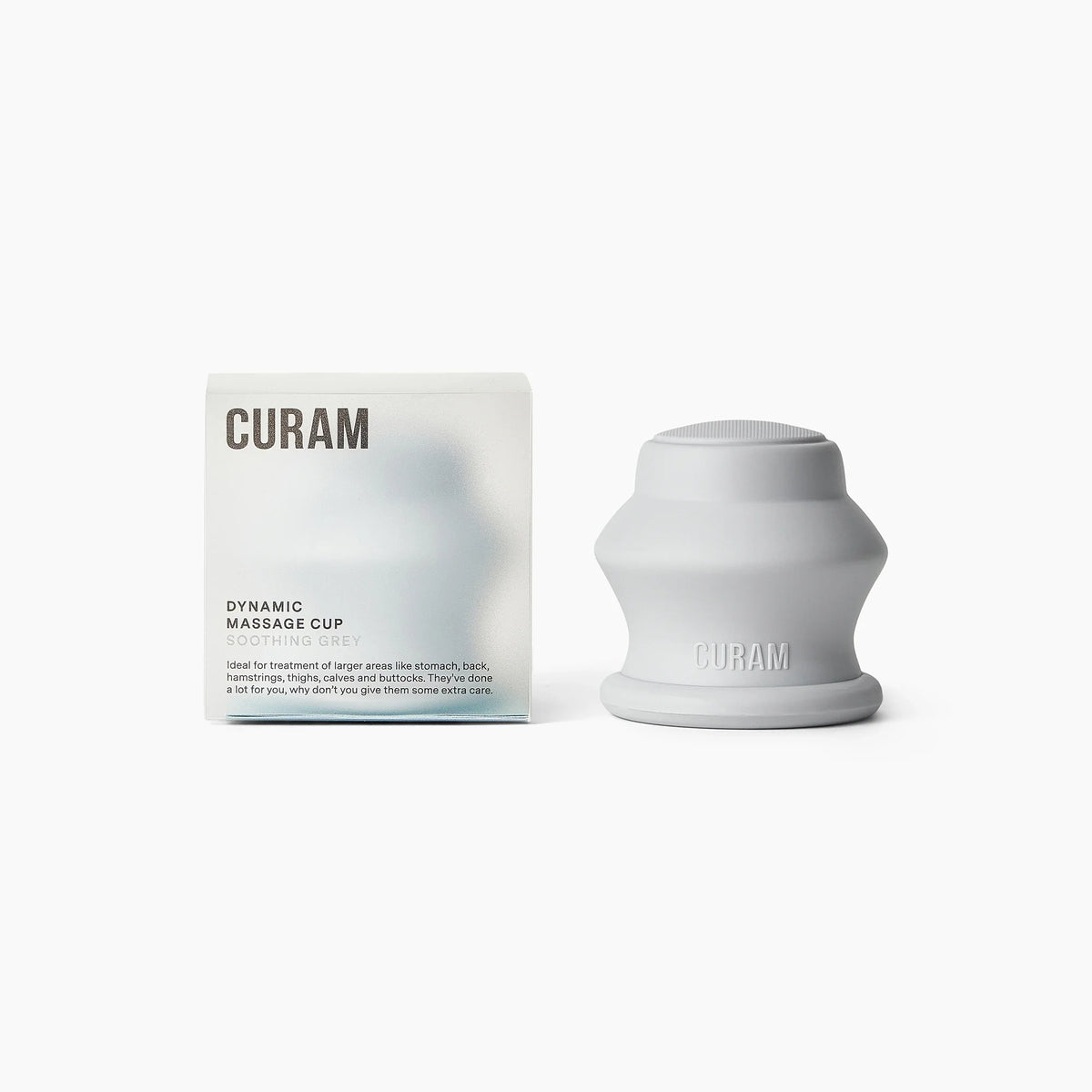
Lymphatic massage and light dynamic cupping move fluid from the legs toward the groin, but without compression afterwards it flows back within a few hours; the stocking is what holds the result. The routine that works: in the evening, when the stocking is off, light lymphatic massage with the hands or the dynamic cup on the lowest suction with oil, from the foot toward the back of the knee and from the knee toward the groin, 5 minutes per leg, followed by elevation (technique in lymphatic massage at home); in the morning the stocking on straight away, before the legs swell. With lymphoedema and lipoedema: according to your therapist's plan, with a stocking or bandage straight after drainage. Never cup over varicose veins, with a blood clot, over wounds or erysipelas, and not hard on legs that need compression; more in lymphatic drainage, fluid retention and when to avoid cupping.
Frequently asked questions
What is the difference between support stockings and compression stockings?
Support stockings have low pressure (10–18 mmHg), are sold over the counter in clothing sizes and suit tired, mildly swollen legs, travel and pregnancy. Medical compression stockings have defined compression in classes 1–3 (15–46 mmHg), are measured to the leg's circumference and are used for symptomatic varicose veins, after a blood clot, for leg ulcers, lymphoedema and lipoedema, often on prescription.
Which compression class should I have?
A support stocking or class 1 for heavy legs, travel, pregnancy and mild varicose veins; class 2 for symptomatic varicose veins, after a blood clot, with skin changes, lymphoedema and lipoedema, on a doctor's or lymphoedema therapist's prescription; class 3 for pronounced lymphoedema and severe venous disease, always fitted. With poor arterial circulation, the circulation should be measured before class 2.
How long should you wear compression stockings?
From the morning before the legs swell until the evening; not at night without instruction. On journeys for the whole journey. After a blood clot daily for at least one to two years according to the doctor, with lymphoedema lifelong. Replace stockings every three to six months when the compression has faded.
How do you get compression stockings on more easily?
Put them on straight away in the morning on dry skin, turn the stocking inside out to the heel, position the heel first and pull up bit by bit with rubber gloves without pulling on the top band. A slip sock for open toe, a donning frame (can be prescribed) or a roll-on aid make it possible even with a stiff back or weak hands. Smooth out all creases, especially behind the knee.
Do lymphatic massage and cupping help together with support stockings?
Yes, they complement each other: lymphatic massage and light cupping in the evening move the fluid toward the groin, and the stocking in the morning stops it coming back. Without compression the effect of the massage lasts only a few hours. Never cup over varicose veins, with a blood clot or over wounds.
Related guides
Written by Curam. Last updated 17 October 2026. This is general self-care information and does not replace medical care. For sudden, severe or unusual symptoms, contact your doctor. Talk to your doctor before cupping if you are pregnant, take blood thinners or have a condition affecting skin, blood vessels or blood.


