


Swollen feet, ankles and lower legs are one of pregnancy's most common complaints: eight in ten get it, usually from week 25–30 onward, worse in heat, after standing and sitting and toward evening, and most in the final weeks. The cause is a combination: blood volume increases by almost half, the hormones (progesterone and relaxin) soften the vessel walls so fluid leaks more easily into the tissue, and the uterus presses on the large veins and lymph vessels in the pelvis so blood and lymph from the legs have a harder time returning to the heart; in addition the body retains more salt and water. The result is fluid collecting where gravity takes it: feet, ankles, lower legs, and sometimes hands. It is harmless and disappears within one to two weeks after delivery (often after a period of urinating and sweating a lot). But swelling that comes suddenly, sits in the face and hands, is accompanied by headache, visual disturbance, pain under the right ribs or nausea, or sits in one leg that is warm and tender, are signs of pre-eclampsia or a blood clot and should be assessed the same day. Here is what is normal, what is not, what helps and how to do light lymphatic massage.
Normal swelling or warning sign?
| Normal pregnancy swelling | Seek care the same day (call your midwife, maternity unit or doctor) |
|---|---|
| Both feet and lower legs, equally | One leg more swollen than the other, especially if it is warm, red, tender or painful in the calf (suspected blood clot; pregnancy raises the risk several-fold) |
| Comes gradually, worse toward evening, better in the morning and after elevation | Swelling that comes suddenly over a few hours or a day |
| Feet, ankles, hands that feel swollen (rings tight) | Swelling of the face (especially around the eyes) and hands together with headache, flickering or blurred vision, pain high in the abdomen under the ribs on the right, nausea, or feeling generally unwell (pre-eclampsia) |
| No other symptoms | Swelling with breathlessness, chest pain or palpitations at rest |
| Blood pressure normal at check-ups | High blood pressure or protein in the urine at a check-up, or swelling together with reduced fetal movements |
When in doubt: always call your midwife or maternity unit; they would rather hear from you once too often.
What helps swollen feet in pregnancy
- Movement every day: a 20–30 minute walk, swimming or aqua aerobics (the water pressure pushes the fluid back; many describe it as the legs being "emptied"), an exercise bike. The muscle pump in the calves is what moves the fluid upward.
- Calf pumps and ankle circles 20 times every half hour when you sit or stand; get up and walk a few steps every hour at work.
- Elevation: feet above heart level for 20 minutes two to three times a day, and a pillow under the foot end of the mattress at night.
- Lie on your left side when resting and sleeping: the uterus then presses less on the large vein on the right side, and blood from the legs flows back more easily.
- Compression stockings (class 1–2, knee-high or maternity tights) in the morning before the legs swell; the single most effective measure for standing work, travel and heat. Ask your midwife or pharmacy about fitting.
- Water and less salt: drinking less makes swelling worse, not better; drink evenly through the day and cut down on salty food (crisps, cured meats, ready meals). Diuretic tablets and herbs should not be used in pregnancy.
- Cooling: cold foot baths, cool showers on the legs, avoid hot baths, sauna and direct sun on the legs; heat widens the vessels.
- Clothes and shoes: no socks with hard elastic below the knee, no tight trousers over the stomach, roomy shoes with a low heel (feet often grow half a size).
- Don't stand still for long and don't sit with crossed legs; change position often.
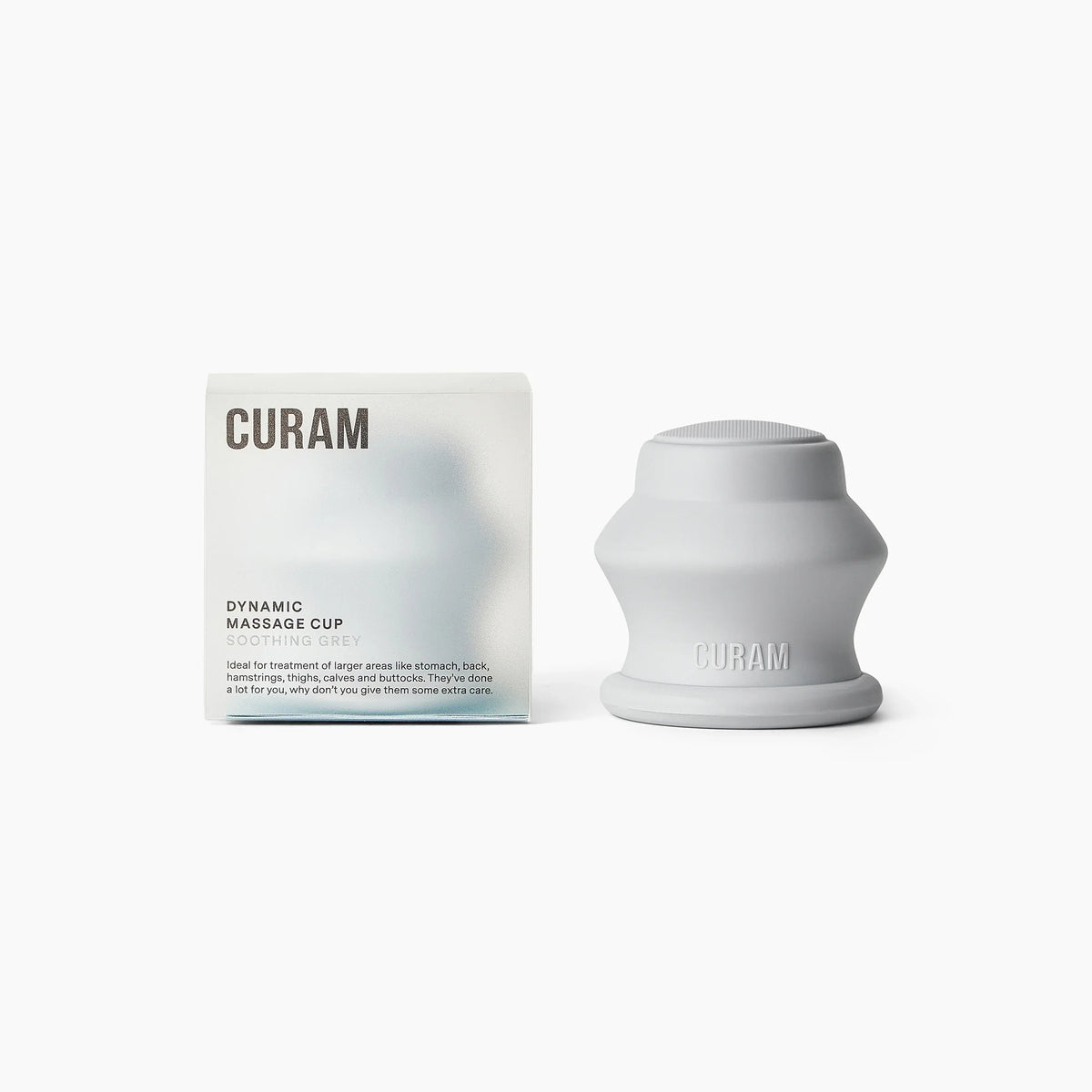
- Light lymphatic massage of the legs as below, with the hands or a cup on the lowest suction.
Light lymphatic massage on the legs: with the hands or a cup on the lowest suction
Lymphatic massage moves fluid from the lower legs toward the groin where the lymph nodes receive it, and is one of the few ways to get swelling down quickly in the evening; the effect lasts better if you put compression stockings on afterwards or elevate the legs. Talk to your midwife first, especially if you have had complications, and skip the massage if any of the warning signs above is present. In pregnancy the rules are: lowest suction, slowly, only on the legs (never on the stomach, lower back or inner thigh near the groin), and stop if it feels uncomfortable or if you get contractions. Read cupping during pregnancy and breastfeeding for the full set of rules.
- Open the stations: sit or half-lie on your left side with the legs raised. Light circles with the fingers in the hollow above the collarbones (10 times), then in the groin creases (10 times) and behind the knees (10 times). Deep, calm belly breaths.
- Thigh first: stroke with the palms or with the dynamic cup on the lowest suction and plenty of oil from the knee up toward the groin on the front and outside of the thigh, 5–8 slow strokes; this clears the path upward. Stop a hand's width from the groin.
- Lower leg: from the ankle up toward the back of the knee on the back of the calf and the sides of the lower leg, 5–8 strokes per path. Then empty the back of the knee with the fingers in light circles.
- Foot: stroke from the toes toward the ankle over the top of the foot with the thumbs, 10 times, and around the ankle bones.
- Finish with 20 calf pumps in elevation and the compression stockings on if it is daytime, or feet up if it is evening.
Five to ten minutes per leg is enough, every evening during the swollen weeks. If you have varicose veins: skip the varicose veins themselves (varicose veins). The full technique: lymphatic massage at home; more tips for swollen legs in swollen legs and feet and if the fluid sits in the whole body fluid retention in the body. If you also have pelvic or back pain: pelvic girdle pain.
After delivery
In the first days after delivery the swelling can temporarily get worse, especially after IV fluids and caesarean section, and then disappears within one to two weeks as the body gets rid of the fluid (you urinate and sweat a lot). Walks, calf pumps, elevation and compression stockings help now too. Swelling that increases after delivery together with headache, visual disturbance or high blood pressure can be pre-eclampsia starting afterwards (up to six weeks) and should be assessed immediately; a leg that swells and hurts in the first weeks after delivery should always be assessed for a blood clot.
Frequently asked questions
Is it normal to have swollen feet when pregnant?
Yes, eight in ten get swollen feet, ankles and lower legs, mostly in the third trimester, in heat and toward evening. It is due to more fluid in the body, softer vessels and the uterus pressing on the veins. Swelling in both legs that comes gradually and is better in the morning is normal.
When should you seek care for swelling in pregnancy?
The same day for sudden swelling, swelling of the face and hands with headache, visual disturbance, pain under the right ribs or nausea (pre-eclampsia), for one leg that is more swollen, warm and tender than the other (blood clot), or for breathlessness and chest pain. Call your midwife, maternity unit or doctor.
What helps swollen feet in pregnancy quickly?
Legs raised above heart level for 20 minutes, left side-lying, calf pumps, a cool foot bath and light lymphatic massage from the ankle up toward the knee and on toward the groin. Longer term: a daily walk or swim, compression stockings from the morning, water evenly through the day and less salt.
Can you do lymphatic massage and cup the legs when pregnant?
Light lymphatic massage of the legs with the hands or a cup on the lowest suction is fine for most after the midwife's go-ahead: slowly, only on the legs, never on the stomach, lower back or inner thigh near the groin, and not if any warning sign is present. Skip varicose veins. Stop if it feels uncomfortable or causes contractions.
Does drinking less water help the swelling?
No, the opposite: too little fluid makes the body retain water and salt, and the swelling gets worse. Drink evenly through the day, cut down on salty food instead, and never use diuretic tablets or herbs in pregnancy.
Related guides
- Exercising with a cold – the neck rule and when to rest
- Support stockings and compression stockings – difference, classes, when and how
Written by Curam. Last updated 17 October 2026. This is general self-care information and does not replace medical care. For sudden, severe or unusual symptoms, contact your doctor. Talk to your doctor before cupping if you are pregnant, take blood thinners or have a condition affecting skin, blood vessels or blood.


