


Train or rest when you have a cold? Use the neck rule: if the symptoms are above the neck (runny or blocked nose, sneezing, mild sore throat, mild headache) and you have no fever, you can train lightly to moderately, and many feel better for it; a blocked nose often clears when the pulse goes up. If the symptoms are below the neck (chest cough, aching muscles, fatigue, fever, chills, stomach bug, swollen lymph nodes) you should rest completely. Fever is an absolute stop, and it is not a question of performance: a virus present in the blood can, under hard exertion, settle in the heart muscle (myocarditis) or the pericardium, which is rare but one of the most common causes of sudden cardiac death in young athletes, and that is why every sports body and doctor says the same thing: no training with a fever and not until you have been fever-free and free of feeling unwell for at least one to two days, followed by a calm build-up. A week of rest costs almost no fitness; myocarditis costs months. Cupping follows the same logic: nothing with fever or feeling ill, but light cupping of the chest and upper back can ease breathing and tension at the tail end of a cold. Here are the rule, the warning signs, the return and the cupping.
The neck rule in detail
| Symptoms | Train? | How |
|---|---|---|
| Runny nose, sneezing, blocked nose, mild sore throat, mild headache, no fever | Yes, light to moderate | Walk, easy jog, bike, light strength, yoga; half the intensity and duration of normal; stop if you feel worse during the session. No intervals, heavy max lifts or long sessions |
| Sore throat with pain on swallowing, swollen lymph nodes in the neck, hoarseness | No or very light | Walking. A severe sore throat can be tonsillitis or glandular fever; with glandular fever no contact sport for at least four weeks because of the spleen |
| Chest cough, phlegm, chest tightness, wheezing | No | Rest until the cough is dry and shallow and you can take a deep breath without a cough reflex; then walks |
| Fever (over 38), chills, body aches, fatigue, feeling ill | Absolutely not | Complete rest until fever-free without antipyretics for one to two days and energy is back; then build up as below |
| Stomach bug (vomiting, diarrhoea) | No | Rest and fluids; training at the earliest a day after the last symptom, light the first week; the risk of dehydration and cramp is high |
| Covid, influenza | No | As for fever; with covid at least a week's rest from symptom onset and a gradual return over one to two weeks is recommended even with mild symptoms, and medical assessment for chest pain, breathlessness or palpitations afterwards |
Seek care for fever over 39 that doesn't come down, breathlessness, chest pain, palpitations at rest, fainting or severe fatigue lasting weeks after an infection; and always for chest pain, an irregular pulse or breathlessness when you start training again after illness, which can be myocarditis.
Why does light exercise help with a sniffle but harm with a fever?
Regular moderate exercise strengthens the immune system over time: people who train moderately have fewer and shorter colds than both sedentary people and those who train very hard. During a mild cold, light exercise increases circulation, opens the nose temporarily and makes you feel better, without worsening the course in studies where volunteers were deliberately infected. But hard training lowers the immune system temporarily in the hours afterwards ("the open window"), and with an active infection with fever the body is already in full battle: the pulse is high, fluid balance is disturbed, and the virus can reach the heart. Myocarditis often causes only fatigue, mild chest discomfort and palpitations, and is detected late; that is why the rule is strict even though the risk for any individual is small.
How to return after illness
- Wait until you have been fever-free without antipyretics for one to two days, your energy is back in daily life, your morning resting pulse is normal again (measure it a few days in a row; a raised resting pulse is the body's way of saying the infection isn't over), and you have no chest cough.
- As many light days as you were ill: if you were ill for five days, train lightly for five days: walks, easy cycling or jogging at conversation pace, light strength with half the weight. If you feel good afterwards and the next day: next step.
- Build up to normal duration first, then normal intensity; intervals and max lifts last, at the earliest a week after you are fully well.
- Step back if fever, cough or fatigue returns; then it was too early, and another calm week is cheaper than falling ill again.
- Fitness: a week without training is barely noticeable (aerobic fitness drops a few per cent, strength almost not at all); two to three weeks is noticeable but regained in as long. Worry about lost fitness is the most common reason people start too early, and it is unfounded.
Sleep, food with protein and vegetables, fluids and keeping warm are what shorten a cold; vitamin C, zinc and herbs have weak or no evidence except zinc within a day of the first symptom in some. Read more about recovery and about fatigue that lingers after infection.
Training without infecting others
If you are sniffly and choose to train: train at home or outside rather than at the gym in the first days when you are most contagious, cough and sneeze into your elbow, wipe down equipment, wash your hands, and skip group classes. A cold is most contagious in the first two to three days and spreads via hands and surfaces as much as through the air.
Cupping with a cold: what works and what doesn't
Cupping is not a treatment for a cold and doesn't shorten it; the studies on cupping for respiratory complaints are small and weak. But at the tail end of a cold, when the fever is gone and what remains is a blocked nose, a heavy chest, a cough that tightens the back and a generally stiff body after days in bed, many find that light cupping of the front of the chest and the upper back makes breathing freer and releases the tension in muscles that have been coughing for days. The rules are the same as for training: no cupping with fever, chills, feeling ill, body aches or an active infection; the body needs all its energy for the immune system, and cupping loads the circulation and can raise the temperature. Nor with swollen, tender lymph nodes in the neck (never cup the neck) or with a cough with breathlessness and wheezing (get assessed first).
- When: at the earliest once you have been fever-free for a day and can be up and about as usual. When in doubt, wait another day.
- Upper back: static cups either side of the spine between the shoulder blades, light suction, 3–5 minutes, sitting leaning forward; releases the muscles tightened by coughing.
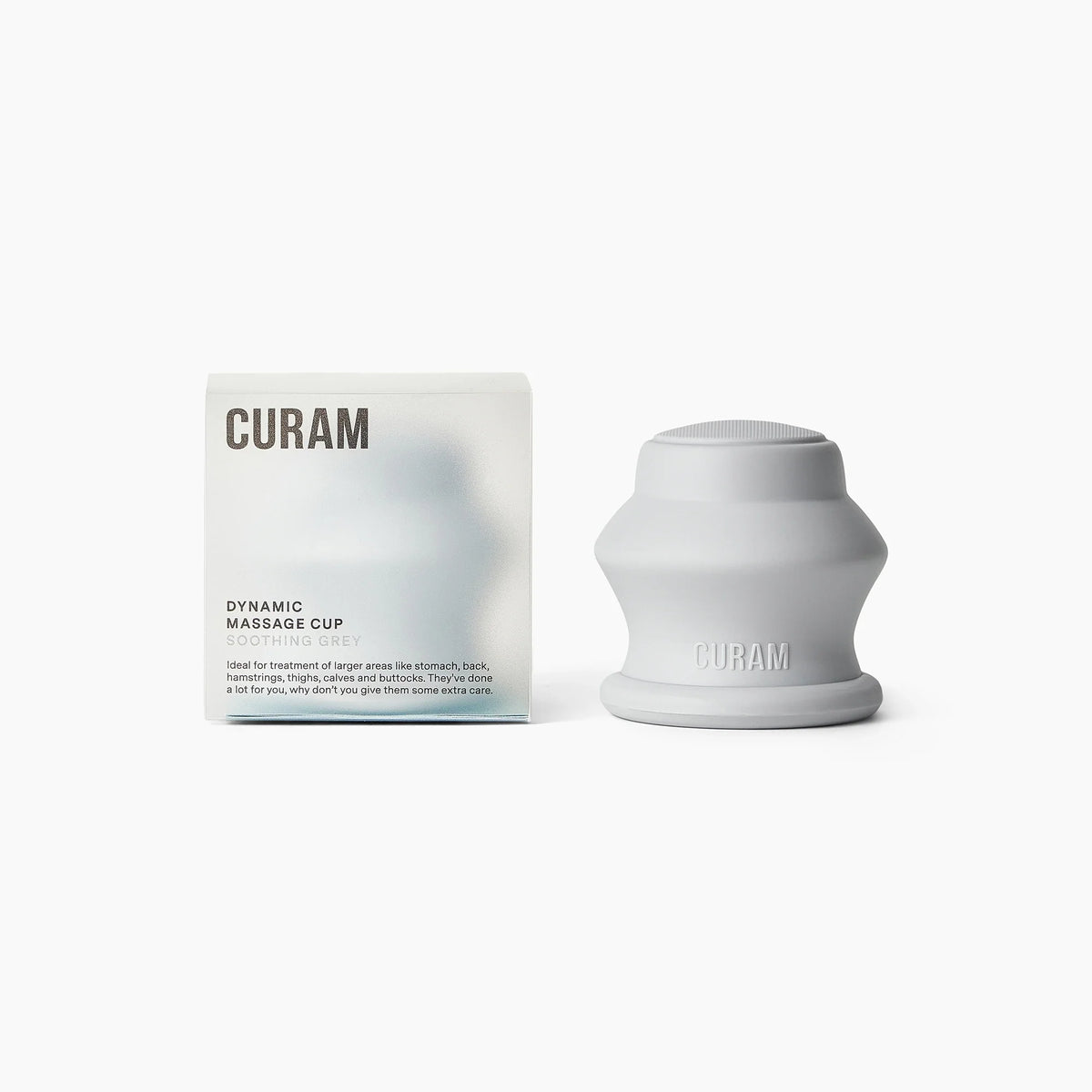
- Chest: the dynamic cup with oil and light suction, slow strokes from the breastbone out below the collarbone toward the shoulder, 1–2 minutes, with long exhalations. Not over breast tissue, not on the breastbone.
- Neck and jaw for a blocked nose and sinuses: light cupping along the back and sides of the neck down toward the shoulder (never the front of the neck), and the small face cup on the lowest suction over the cheekbones from the nose out toward the ears, 30 seconds per side; more in blocked nose and sinuses.
- Finish with five minutes of calm breathing (the cupping programme for breathing and sinuses), drink water and rest. Keep it short: five to ten minutes in total the first few times.
More situations where you should abstain are in when to avoid cupping.
Frequently asked questions
Can you exercise when you have a cold?
Yes, if the symptoms sit above the neck (runny nose, sneezing, blocked nose, mild sore throat) and you have no fever: light to moderate training at half intensity is fine and often feels better. With a chest cough, body aches, fatigue, fever or a stomach bug you should rest.
Why shouldn't you exercise with a fever?
Because a virus present in the blood can, under hard exertion, settle in the heart muscle and cause myocarditis, which is rare but serious and one of the most common causes of sudden cardiac death in young athletes. Rest until you have been fever-free without antipyretics for one to two days, then build up calmly.
How long should you wait to train after a cold?
Until you have been fever-free for one to two days, your energy and resting pulse are normal and the cough isn't in the chest. Then train lightly for as many days as you were ill, increase to normal duration, then intensity, with intervals and max lifts last. If symptoms return, it was too early.
Do you lose much fitness from a week of illness?
No. A week without training lowers aerobic fitness by a few per cent and strength almost not at all; two to three weeks is noticeable but regained in as long. Starting too early and falling ill again, or getting myocarditis, costs far more.
Can you cup when you have a cold?
Not with fever, chills, body aches or feeling ill, and never on the neck with swollen lymph nodes. Once the fever has been gone for a day and you can be up and about, light cupping of the upper back and chest can release cough tension and make breathing freer; keep it short and light. Cupping doesn't shorten a cold.
Related guides
- Inflammation in the body, muscles and tendons – what helps
- Swollen lymph nodes – causes, when to seek care and what you can do
Written by Curam. Last updated 17 October 2026. This is general self-care information and does not replace medical care. For sudden, severe or unusual symptoms, contact your doctor. Talk to your doctor before cupping if you are pregnant, take blood thinners or have a condition affecting skin, blood vessels or blood.


