


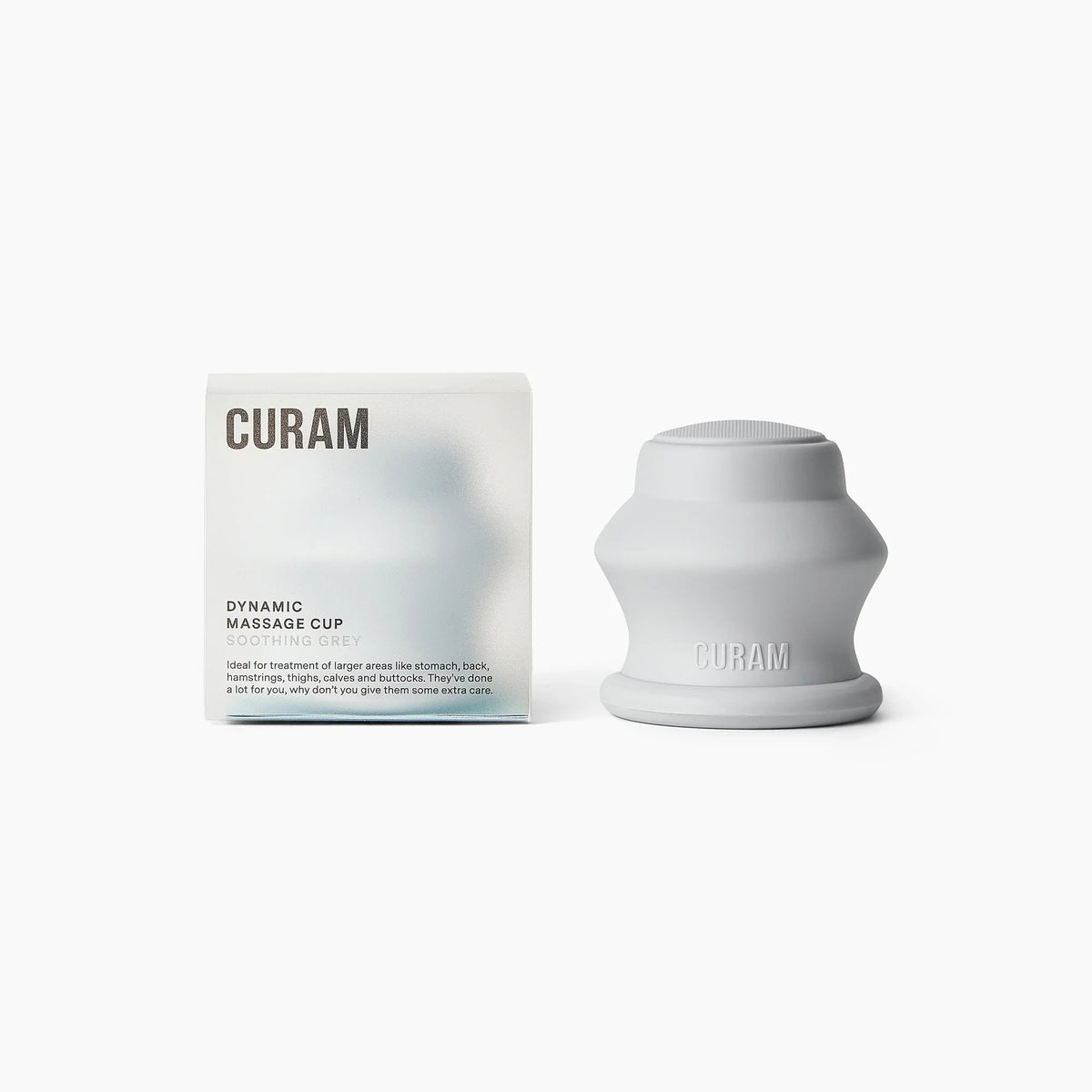
Knee and hip replacements are performed in huge numbers every year, almost always because of osteoarthritis, and nine in ten people are satisfied a year later. But the prosthesis is only half the job: how well the knee or hip works in a year depends on the first twelve weeks of rehab, above all on regaining full extension and sufficient flexion in the knee, strength in thigh and glutes, and walking and loading from day one. A hip replacement generally heals faster and hurts less; a knee replacement is more stubborn, swells for longer, hurts more at night and requires daily mobility work for several months. Swelling, warmth, stiffness and night aching are normal for weeks; increasing pain, fever, spreading redness, fluid from the wound, a swollen warm calf or chest pain and breathlessness are not normal and should be assessed immediately. The scar and the muscles around the joint benefit from massage once the wound has healed, and light cupping of thigh, calf and hip muscles can be used from a few weeks after surgery with the surgeon's go-ahead, never directly on the scar or the prosthesis in the first weeks. Here are the course, the exercises, the milestones, the warning signs and scar care.
Week by week: this is normal
| Time | Knee replacement | Hip replacement |
|---|---|---|
| Days 0–3 (hospital) | Up and walking with a frame or crutches the same day or the day after; full weight-bearing allowed; quadriceps setting, ankle pumps, heel slides from day one; pain relief on a schedule, cold and elevation | The same; usually home after 1–3 days; movement rules according to the surgeon depending on the approach (see below) |
| Weeks 1–2 | A swollen, warm and stiff knee is the rule; the goal is full extension (knee flat on the surface) and flexion to 90 degrees; night pain is common; blood thinners as prescribed; stitches or staples out day 12–14 | Walk short distances several times a day with crutches, increasing gradually; swelling in the thigh and down toward the knee and foot is common; sleep on your back or on the good side with a pillow between the legs |
| Weeks 3–6 | Flexion toward 100–110 degrees, one crutch outdoors, none indoors once the gait is even; exercise bike once flexion allows (about 100 degrees); swelling still present but decreasing; many are disappointed with the pace here, that is normal | From two crutches to one to none, usually weeks 3–6; stairs with a rail; driving when you can do an emergency stop (about 4–6 weeks, longer for the right side); most back at sedentary work |
| Weeks 6–12 | Flexion toward 120 degrees, walking without aids, longer walks, stairs step over step, strength training in a gym or at home; driving when you can brake hard without hesitation; swimming once the wound is fully healed | Normal gait, longer walks, cycling, swimming, light strength training; sleeping on the operated side when it feels fine (often weeks 6–8); the movement rules are eased according to the surgeon |
| 3–12 months | Swelling and warmth can remain for 6–12 months, especially after activity; strength builds for a year; kneeling is often uncomfortable for a long time but not dangerous; the final result is judged after a year | Most are fully recovered in 3–6 months; limping disappears with strength in the outer hip; golf, cycling, hiking, swimming and cross-country skiing are suitable; avoid jumping and contact sports |
Warning signs: seek care immediately
- Infection: fever over 38, increasing redness, warmth or swelling around the wound, fluid or pus from the wound, the wound opening, or pain that increases instead of decreasing after the first weeks. A prosthetic infection is best treated early; call the surgical unit the same day.
- Blood clot: a swollen, warm and tender calf or a whole leg that becomes heavier, especially if it comes suddenly; sudden breathlessness, chest pain or coughing blood (pulmonary embolism) is an emergency.
- Hip dislocation: sudden severe pain, the leg looks shorter or turned out, you can't bear weight; emergency department immediately.
- Other: new numbness or weakness in the foot, a knee that locks or gives way repeatedly, or a knee that suddenly swells heavily and becomes warm after having been heading the right way.
Always follow your own clinic's instructions over general advice.
The exercises that make a difference
| Phase | Knee replacement | Hip replacement |
|---|---|---|
| Weeks 1–2 (several times daily) | Ankle pumps 20 × every waking hour (against blood clots and swelling); quadriceps setting 10 × 10 s; extension: lie with the heel on a pillow and let the knee sink toward the surface, 5–10 min, 3 times/day (the most important of all); heel slides for flexion, 10–15 ×; straight leg raises 10 ×; walk short distances often | Ankle pumps; glute squeezes 10 × 10 s; quadriceps setting; standing hip flexion with support (lift the knee toward 90 degrees); leg out to the side standing; short walks often; sit on a high chair |
| Weeks 3–6 (daily) | Continued extension and flexion (sit on a chair, pull the foot back under the chair, hold 20 s); exercise bike 10–15 min with a high saddle; step-ups on a low step; squats to a chair; wall sit 20–30 s; single-leg balance with support | Exercise bike; hip bridges 3 × 10; side-lying leg raises on the good side when the surgeon allows; side steps with support; squats to a chair; single-leg balance with support; stairs with a rail |
| Weeks 6–12 (3 times/week + daily walk) | Leg press or squats with weight, higher step-ups, short lunges, hamstrings with a band, calf raises, bike 20–30 min; see leg and glute exercises at home | The outer hip with a mini band (side steps, side-lying leg raises, what removes the limp), single-leg hip bridges, step-ups, squats, single-leg balance without support; see hip pain for the hip exercises |
| After 12 weeks | Strength twice a week all year; the knee tolerates most things except jumping and contact sports; cycling, swimming, hiking, golf, cross-country skiing | The same; balance training to avoid falls |
The pain rule: the exercises may hurt up to 3–4 out of 10 during and a little afterwards, but the knee or hip shouldn't be more swollen or tender the next morning. If it is, do fewer repetitions, not fewer exercises. The physiotherapist at the clinic or your doctor's gives an individual programme; this is the framework.
The hip replacement movement rules
Depending on the surgical approach, restrictions apply for 6–12 weeks so the prosthesis doesn't dislocate: with a posterior approach (most common): don't bend the hip more than 90 degrees (no low chairs, no leaning forward when sitting, no tying shoes bent over), don't cross the legs, don't turn the operated leg inward; use a grabber, a sock aid, a raised toilet seat and sit on high chairs. With an anterior approach there are fewer rules: avoid extending the leg far back and turning it outward at the same time. Sleep on your back or on the good side with a thick pillow between the knees until the surgeon says otherwise. The rules are eased gradually; ask at the follow-up.
Swelling, pain, sleep and the scar
- Swelling: elevation (leg above heart level) 20 minutes several times a day, cold 15–20 minutes after exercises in the first weeks, a compression stocking as prescribed, ankle pumps, and light lymphatic drainage with the hands from the foot up toward the groin around (not over) the surgical area once the wound has healed (lymphatic massage at home). Swelling after a knee replacement can last months; measure the circumference above the kneecap once a week to see the trend.
- Pain: take the pain relief on a schedule in the first weeks so you can do the exercises, not only when it hurts; taper according to the doctor's plan. Night aching after a knee replacement is common for 6–8 weeks: a pillow under the heel (not under the knee, which prevents extension), cold before bed, a dose of pain relief at bedtime.
- Sleep: on your back or on the good side with a pillow between the knees; on the operated side when it feels fine (hip often weeks 6–8, knee when it doesn't hurt). See sleeping position.
- The scar: keep dry and clean until fully healed (usually two to three weeks); then daily moisturiser and scar massage: pressure and small circles along and across the scar with the fingertips, 2–3 minutes, to soften and free the scar from the underlying tissue, and sunscreen for a year. More in scars and scar tissue.
When cupping can start, and how
Cupping isn't used on a newly operated knee or hip: the wound must be fully healed, the swelling on its way down and the surgeon must have given the go-ahead, which usually means at the earliest three to four weeks after surgery, and longer if there is the slightest sign of infection. After that, light cupping does three things: releases the muscles around the joint that have tightened over weeks of protective walking (front and outer thigh, hamstrings, calf for the knee; glutes, outer hip and hip flexors for the hip), helps the swelling drain, and softens the scar once it has matured (from six to eight weeks). Never cup directly over the joint or the prosthesis, never over the scar in the first six weeks, never with warmth, redness or a suspected infection or blood clot, and always ask a doctor if you take blood thinners (which most do in the first weeks).
- Weeks 3–6 (with go-ahead): the dynamic cup with oil, lowest suction, long strokes toward the heart on the thigh a hand's width from the scar (knee: from above the knee toward the hip; hip: from the knee up toward the hip on the front and outside of the thigh, not over the incision), and on the calf from the heel toward the back of the knee, 1–2 minutes per area. The aim is drainage and circulation.
- Weeks 6–12: light to medium suction on the front thigh, the outside (ITB), hamstrings, glutes and outer hip, 2 minutes per area; a static cup on the most tender point in the thigh or buttock for 3 minutes, never on the joint. The scar: short, light strokes across the scar with the small cup on the lowest suction, 30–60 seconds, after the scar massage with the fingers.
- After 12 weeks: as part of recovery after training and walks according to recovery after training; the knee or hip itself needs no cupping, the muscles around it do.
- Always finish with the exercises for extension, flexion and strength while the muscles are warm, and elevation.
Programme for sensitive knees: the cupping programme for sensitive knees. More situations in when to avoid cupping. For knee problems without a prosthesis: knee osteoarthritis and knee pain.
Frequently asked questions
How long does rehab take after a knee replacement?
The first twelve weeks are decisive: extension and flexion to 90 degrees in the first two weeks, crutches gone in weeks 3–6, bike and stairs in weeks 6–12. Swelling and warmth can remain for six to twelve months and strength builds for a year; the final result is judged after a year. A knee replacement takes longer and hurts more than a hip replacement.
When can you walk without crutches after a hip replacement?
Usually from two crutches to one in weeks 2–4 and without aids in weeks 4–6, once the gait is even and without a limp; one crutch outdoors somewhat longer. Driving when you can do an emergency stop, usually 4–6 weeks (longer for the right side), and sleeping on the operated side when it feels fine, often weeks 6–8.
How much swelling is normal after a knee replacement?
A swollen, warm and stiff knee for several weeks is the rule, and mild swelling after activity can be present for six to twelve months. Elevation, cold after exercises, ankle pumps and a compression stocking keep it down. Swelling that increases together with warmth, redness, fever or fluid from the wound, or a swollen tender calf, should be assessed immediately.
Can you massage and cup after a knee or hip replacement?
Scar massage with the fingers once the wound is fully healed (two to three weeks), and light cupping of the muscles around the joint (thigh, calf, glutes) at the earliest three to four weeks after surgery with the surgeon's go-ahead, never directly over the joint or the prosthesis, never over the scar in the first six weeks, and not with signs of infection or a blood clot. Blood thinners: ask your doctor.
Which exercises are most important after a knee replacement?
Extension (heel on a pillow, knee toward the surface, several times daily), flexion (heel slides, seated foot pulls backward), quadriceps setting and straight leg raises in the first weeks; then the exercise bike, step-ups, squats to a chair and strength for thigh, glutes and calf three times a week. Full extension is what decides how well you walk afterwards.
Related guides
Written by Curam. Last updated 17 October 2026. This is general self-care information and does not replace medical care. For sudden, severe or unusual symptoms, contact your doctor. Talk to your doctor before cupping if you are pregnant, take blood thinners or have a condition affecting skin, blood vessels or blood.


