


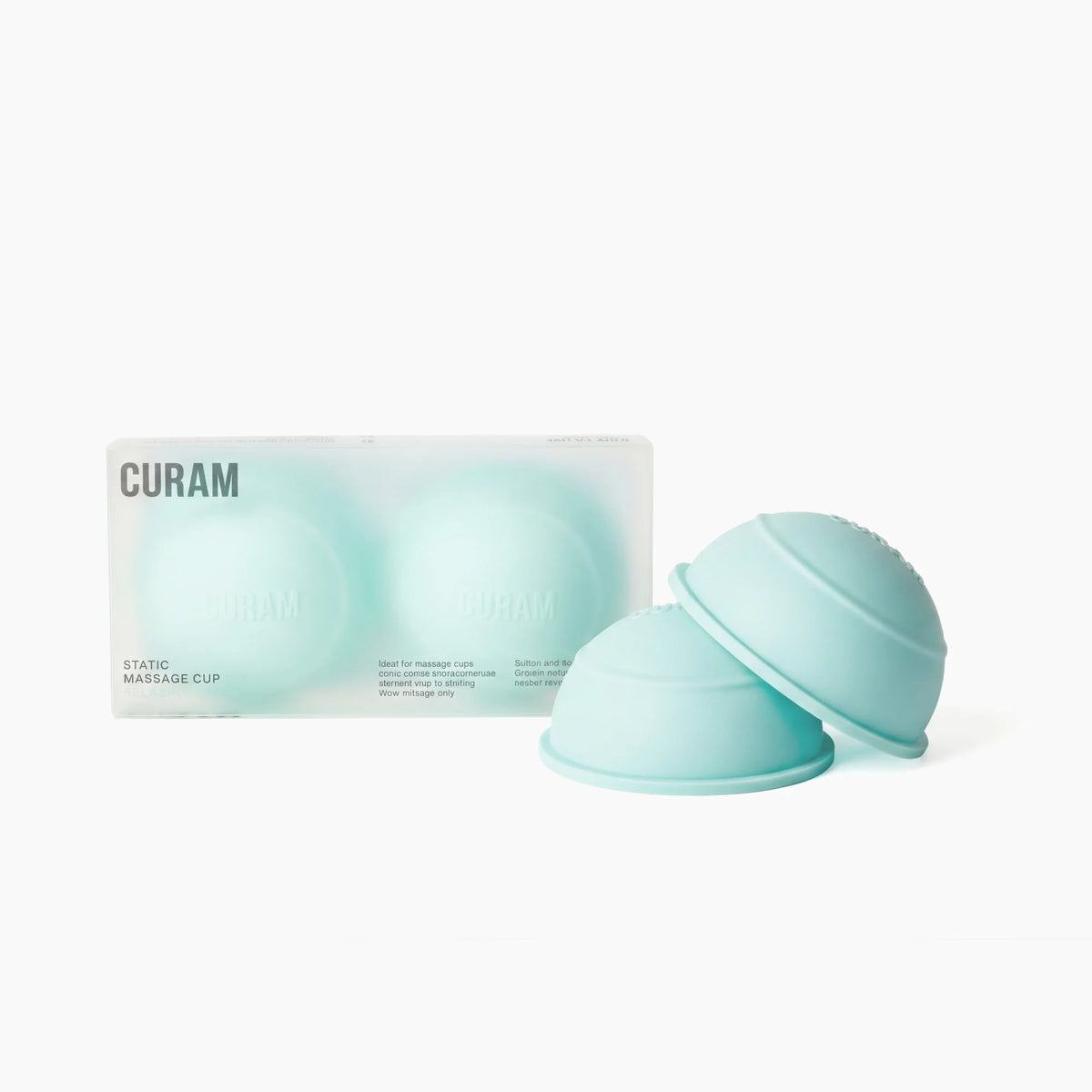
TENS stands for transcutaneous electrical nerve stimulation: a pocket-sized device sends weak, pulsing currents through adhesive electrodes on the skin, and the current does two things depending on the setting. High-frequency TENS (80–120 Hz, low intensity, feels like tingling) activates the thick touch nerves that "close the gate" for pain signals in the spinal cord, with rapid relief that lasts during the treatment and for a while after. Low-frequency TENS (2–4 Hz, higher intensity, feels like rhythmic muscle twitches) releases the body's own endorphins with an effect that comes after 20–30 minutes and can last for hours. The method is harmless for most people, non-addictive, can be used several times a day and is used in healthcare for chronic pain, period pain, during labour and after surgery; a good home device costs relatively little. Research shows clear pain relief during and shortly after treatment for many pain conditions, but weaker evidence that TENS changes pain long term; it is a tool for getting through the day, sleeping and being able to train, not a treatment of the cause. Cupping does something else: it affects muscles, fascia and circulation mechanically. For muscle tension and stiffness cupping does more; for nerve pain, period pain and pain where you can't reach with a cup TENS does more; and for chronic back and neck pain they complement each other. Here is how to use TENS correctly, where the electrodes go, what applies for safety and when to choose the cup instead.
High or low frequency: two modes, two effects
| High-frequency (conventional) TENS | Low-frequency (acupuncture-like) TENS | |
|---|---|---|
| Setting | 80–120 Hz, pulse width 50–200 µs, intensity so it tingles clearly but doesn't hurt | 2–4 Hz, pulse width 150–250 µs, intensity so the muscle twitches visibly but comfortably |
| Mechanism | Gate control: touch signals outcompete pain signals in the spinal cord | Release of endorphins and other endogenous pain-relieving substances |
| Effect | Rapid, within minutes; lasts during treatment and up to an hour or so after | Comes after 20–30 minutes; can last several hours |
| Treatment time | 30–60 minutes, can be repeated several times a day, even continuously when needed | 20–45 minutes, once or twice a day; the muscles tire with longer |
| Suits | Acute and chronic pain in back, neck, knee, shoulder; period pain; pain during activity; sensitive people | Deep, dull aching; chronic pain; when high-frequency gave too short an effect; osteoarthritis |
| Habituation | The nerves get used to it; increase the intensity slightly during the session or switch to "burst" mode (short bursts of high frequency at a low rate, a combination of both) | Less habituation |
Most devices have preset programmes; choose a high-frequency one to start, and try low-frequency or burst if the relief doesn't last.
Where do you place the electrodes?
The basic rule: the electrodes (at least two, often four) are placed around or along the painful area on healthy skin, 3–5 cm apart, so the current passes through or over the pain, or along the nerve's path above the pain (between the pain and the spine). Never over the spine itself without instruction, never on the front or sides of the neck, never across the chest over the heart, never on the head or face, never over damaged skin, and not where you can't feel (a numb area). Clean the skin, shave if needed, press the electrodes on fully; switch the device off before moving them.
| Problem | Placement |
|---|---|
| Lower back | Four electrodes in a rectangle either side of the spine, two above and two below the most tender spot, 3–5 cm from the vertebrae; for sciatica one electrode on the lower back and one on the buttock or back of the thigh along the pain path. See low back pain |
| Neck and shoulders | On the trapezius either side, or one on the upper back and one on the shoulder; not on the front or sides of the neck and not on the base of the skull without instruction. See stiff neck |
| Shoulder | One in front of and one behind the shoulder joint, or around the tender area on the deltoid. See shoulder pain |
| Knee (osteoarthritis, after surgery) | Two or four electrodes around the kneecap on the inside and outside, not on the kneecap; or on the front thigh above the knee. See knee osteoarthritis |
| Hip | Around the hip knob (trochanter) or on the buttock; large electrodes |
| Period pain | Two electrodes on the lower abdomen below the navel either side, or one on the abdomen and one on the lower back; high-frequency, for 30–60 minutes as needed. See period pain |
| Elbow, wrist, Achilles | The electrodes either side of the tender spot on the muscle, not directly on the tendon attachment or bone |
| Labour | Special obstetric TENS with a boost button, electrodes on the lower back; according to the midwife's instruction, from the first stage |
What research says
- During treatment: TENS gives measurable pain relief during and shortly after treatment for chronic back and neck pain, knee osteoarthritis, period pain, fibromyalgia, nerve pain and after surgery, in most reviews better than placebo TENS when the intensity is sufficient (a common reason for "it doesn't work" is too low an intensity).
- Long term: weaker evidence that pain is lower days or weeks later; TENS doesn't change the cause. Its value is that you can move, train and sleep, which in turn improves chronic pain.
- Dose decides: strong but comfortable stimulation, longer sessions, and increasing the intensity when the tingling fades give better effect than weak current for ten minutes.
- Healthcare uses TENS in pain clinics, during labour, after surgery and for period pain; physiotherapists can lend or prescribe devices for chronic pain.
When not to use TENS
- Pacemaker, ICD or other implanted electronics (including an insulin pump near the electrodes): ask your cardiologist; as a rule no.
- Pregnancy: not over the abdomen, lower back or pelvis except obstetric TENS under a midwife; neck and shoulders are fine.
- Epilepsy: not on the neck and head; ask a doctor.
- Over the front and sides of the neck (blood pressure reflex, larynx), across the chest, on the head, over the eyes.
- Over damaged skin, eczema, wounds, tumour, infection, blood clot, or a numb area where you can't feel the intensity.
- In the car, shower or bed during sleep; not when driving, and keep the device out of reach of children.
- Unexplained pain should be investigated before it is masked: new pain with fever, weight loss, night pain, numbness or weakness is a matter for a doctor, not for TENS.
Common mistakes that make TENS "not work"
- Too low an intensity: it should tingle clearly (high-frequency) or twitch visibly (low-frequency), not just feel faint.
- Too short a time: 30–45 minutes, not 10.
- Electrodes too close together, too old (the adhesive fails, the current concentrates and stings), or on the wrong side of the pain.
- The same programme every time without increasing the intensity once the nerves have habituated.
- Expecting the pain to be gone the next day; use TENS to manage activity and sleep, and do the exercises meanwhile.
TENS or cupping: what suits what, and how they are combined
| TENS | Cupping | |
|---|---|---|
| Acts on | The nervous system's pain signals and endogenous pain relief; no effect on the tissue | Muscles, fascia, skin and circulation mechanically; releases tension, increases blood flow, drains |
| Best for | Nerve pain (sciatica, nerve root), period pain, pain after surgery, osteoarthritis pain, fibromyalgia, pain in places you can't reach with a cup, pain that prevents sleep | Muscle tension and knots, stiff neck and back, muscle soreness, stiffness, swelling, posture-related aching, recovery |
| Feels | Tingling or twitching; neutral for most, unpleasant for some | Pull, warmth, relaxation; marks on the skin |
| Time and frequency | 30–60 min, several times a day as needed | 10–15 min, two to three times a week |
| Duration of effect | During and hours after | Hours to days on tension and mobility |
| Requires | A device, electrodes that are replaced, instruction the first time | Cups and oil; a technique learned in minutes |
Combine: for chronic back or neck pain with both muscle tension and a nerve component: cup first (static cups either side of the spine 5 minutes, dynamic cupping with oil along the muscles 5 minutes; see cupping on the back), do the exercises, and use TENS afterwards or in the evening for the pain that remains, with the electrodes on healthy skin beside the cupping marks (not on freshly cupped, reddened skin within the same hour). For sciatica: cupping of glutes and lower back for the tension, TENS along the pain path for the nerve pain (sciatica, nerve pain). For period pain: TENS on the abdomen and light cupping of the lower back. For an acute injury in the first days: TENS is fine, cupping waits. More comparisons: acupuncture and acupressure, massage gun; and when to avoid cupping.
Frequently asked questions
How does a TENS machine work?
It sends weak electrical pulses through electrodes on the skin. High-frequency TENS (80–120 Hz, tingling) activates touch nerves that close the gate for pain signals in the spinal cord and gives rapid relief during treatment; low-frequency TENS (2–4 Hz, twitching) releases the body's own endorphins with an effect that comes after 20–30 minutes and can last for hours.
Where should you place the TENS electrodes?
Around or along the painful area on healthy skin, 3–5 cm apart, so the current passes over the pain, or along the nerve's path between the pain and the spine. Lower back: four electrodes either side of the vertebrae; neck: on the trapezius; knee: around the kneecap; period pain: the lower abdomen. Never on the front of the neck, over the heart, on the head or over damaged or numb skin.
How long and how often can you use TENS?
High-frequency 30–60 minutes, several times a day as needed; low-frequency 20–45 minutes once or twice a day. The intensity should tingle clearly or give visible twitches, and be increased when the sensation fades. Replace electrodes when the adhesive fails. Don't use TENS while sleeping, in the shower or in the car.
Who shouldn't use TENS?
Anyone with a pacemaker or other implanted electronics (ask a cardiologist), pregnant women over the abdomen, lower back and pelvis (except obstetric TENS), people with epilepsy on the neck and head, and no one over the front of the neck, across the chest, on the head, over damaged skin, tumour, blood clot or numb areas. Unexplained pain should be investigated first.
Which is best, TENS or cupping?
Different things: TENS dampens pain signals and suits nerve pain, period pain, osteoarthritis, pain after surgery and pain that prevents sleep best; cupping releases muscles, fascia and circulation and suits tension, stiffness, muscle soreness and swelling best. For chronic back and neck pain they are combined: cup and train first, TENS afterwards for what remains.
Related guides
- Acupressure mat – effect, how long, and mat or cupping
- Kinesiology tape – how to tape knee, shoulder and back, and tape or cupping
Written by Curam. Last updated 17 October 2026. This is general self-care information and does not replace medical care. For sudden, severe or unusual symptoms, contact your doctor. Talk to your doctor before cupping if you are pregnant, take blood thinners or have a condition affecting skin, blood vessels or blood.


