


Tinnitus is not a disease but a symptom: the brain generates a sound (ringing, hissing, buzzing, humming, sometimes pulsing) without anything sounding outside. The most common cause is a hearing injury, from noise or age, which gives the auditory pathways less signal so they turn up their own activity; that is why many hear tinnitus most clearly in silence. But in roughly two out of three people the sound is affected by the neck, jaw and stress: it changes when you clench, press on the neck or turn the head (somatosensory tinnitus), gets worse with stress, poor sleep and a tense jaw, and eases with relaxation. That is the part you can influence yourself, and that is where cupping of the neck, jaw and shoulders comes in, together with sound enrichment, sleep, stress management and, when needed, CBT and hearing aids. Tinnitus that comes on suddenly, only on one side, pulses with the heartbeat or comes with dizziness and hearing loss should be examined by a doctor. Here are the causes, the test, what helps and how to cup.
The causes of tinnitus
| Cause | Recognised by |
|---|---|
| Noise damage or age-related hearing loss | High-pitched ringing, often on both sides, after a concert, work in noise, shooting, or gradually with the years; hearing loss is almost always present, even if you haven't noticed it |
| Neck and jaw (somatosensory) | The sound changes when you clench, open wide, press on the neck or jaw joint, turn the head; stiff neck, teeth grinding, jaw clicking, tension headache; often after whiplash or a period of heavy screen work |
| Stress, sleep deprivation, exhaustion | Tinnitus that appears or worsens during a stressful period, worst in the evening and at night, with a tense jaw and shoulders; a stressed person monitors the sound more, which amplifies it |
| Earwax, ear infection, otosclerosis | Blocked feeling, reduced hearing, pain; wax is removed at the doctor's and tinnitus often disappears |
| Medication | High doses of aspirin, certain antibiotics, diuretics and chemotherapy; ask your doctor about alternatives |
| Pulsatile tinnitus | Thumping in time with the pulse; usually harmless (turbulent blood flow, high blood pressure) but should always be examined because it can be vascular |
| Ménière's disease, vestibular schwannoma | One-sided tinnitus with vertigo attacks, pressure and fluctuating hearing, or one-sided gradual hearing loss; uncommon but must be investigated |
The test: is your tinnitus affected by jaw and neck?
Sit in a quiet room and listen to your tinnitus. Then do each of the following for five seconds and note whether the sound gets louder, softer or changes pitch: clench hard; open wide; push the lower jaw forward; press the forehead against your hand without moving the head; press the back of the head against your hand; turn the head fully each way; press with the fingers on the muscle at the jaw joint and on the neck muscle attachments at the base of the skull. If any of this changes the sound, you have a somatosensory component, which means the nerves of the neck and jaw feed into the auditory pathways; then treatment of neck and jaw (exercises, relaxation, a bite splint, cupping, physiotherapy) usually gives noticeable relief. If it doesn't change at all, hearing and the brain's habituation are what to work on.
When should you seek care?
- Quickly (within a day): sudden tinnitus together with sudden hearing loss in one ear (sudden deafness is treated with cortisone, early), tinnitus after a head injury, or with severe vertigo, facial paralysis or speech difficulty.
- Book your doctor: tinnitus that is one-sided, pulsatile, came with hearing loss or dizziness, has lasted more than a few weeks, disturbs sleep or concentration, or lowers your mood. The doctor looks in the ears, removes wax, and refers you to audiology or ENT for a hearing test and if needed an MRI (one-sided tinnitus). For major impact there are tinnitus clinics with CBT and sound therapy.
What helps, according to research
| Measure | Why and how |
|---|---|
| Sound enrichment | Tinnitus is heard most in silence. Low background sound around the clock (fan, nature sounds, noise via an app or a sound pillow at night) reduces the contrast and helps the brain habituate. Never total silence, never so loud that it masks completely |
| CBT and tinnitus therapy (TRT, ACT) | The best evidence for bothersome tinnitus: doesn't reduce the sound but the suffering, the monitoring and the sleep disturbance, often so that the sound drops out of awareness most of the day. Available at tinnitus clinics and as internet-based CBT |
| Hearing aids | With hearing loss (almost always present with tinnitus): gives the brain signal back so it stops amplifying; many get clearly less tinnitus |
| Sleep and stress | Sleep deprivation and stress raise tinnitus in almost everyone; a fixed daily rhythm, sleep routines, stress management, vagus exercises and daily winding down |
| Neck and jaw | With somatosensory tinnitus: neck exercises, posture, a bite splint for teeth grinding, jaw relaxation (tongue on the palate, teeth apart), physiotherapy, and cupping (below) |
| Exercise | Regular cardio and strength reduce stress and improve sleep and circulation; many notice less tinnitus on training days |
| Protect your hearing | Ear protection in noise and at concerts, a volume limit in headphones; every new noise injury can raise tinnitus permanently |
| Less caffeine, alcohol and nicotine | Helps some; try four weeks. Salt and dehydration affect a few |
| Doesn't help: | Ginkgo, zinc, B vitamins, magnesium and herbs have not shown effect in studies except with a proven deficiency; "tinnitus-curing" apps and devices without evidence |
Cupping the neck, jaw and shoulders for tinnitus
Cupping doesn't cure tinnitus and doesn't affect a hearing injury. What it does is release the muscles that, in somatosensory tinnitus, send interfering signals to the auditory pathways and keep the nervous system revved up: the short neck muscles at the base of the skull, the trapezius, the sides of the neck (sternocleidomastoid), the chewing muscles (masseter and temporalis) and the shoulders. Many with jaw- and neck-related tinnitus describe the sound dropping for hours after a session and the baseline getting lower with regular use. Do the test above before and after to see whether it is worth your time. Three times a week, in the evening.
- Shoulders and upper back: static cups on the upper trapezius, one per side, 3–5 minutes with light to medium suction; sit leaning forward and breathe slowly.
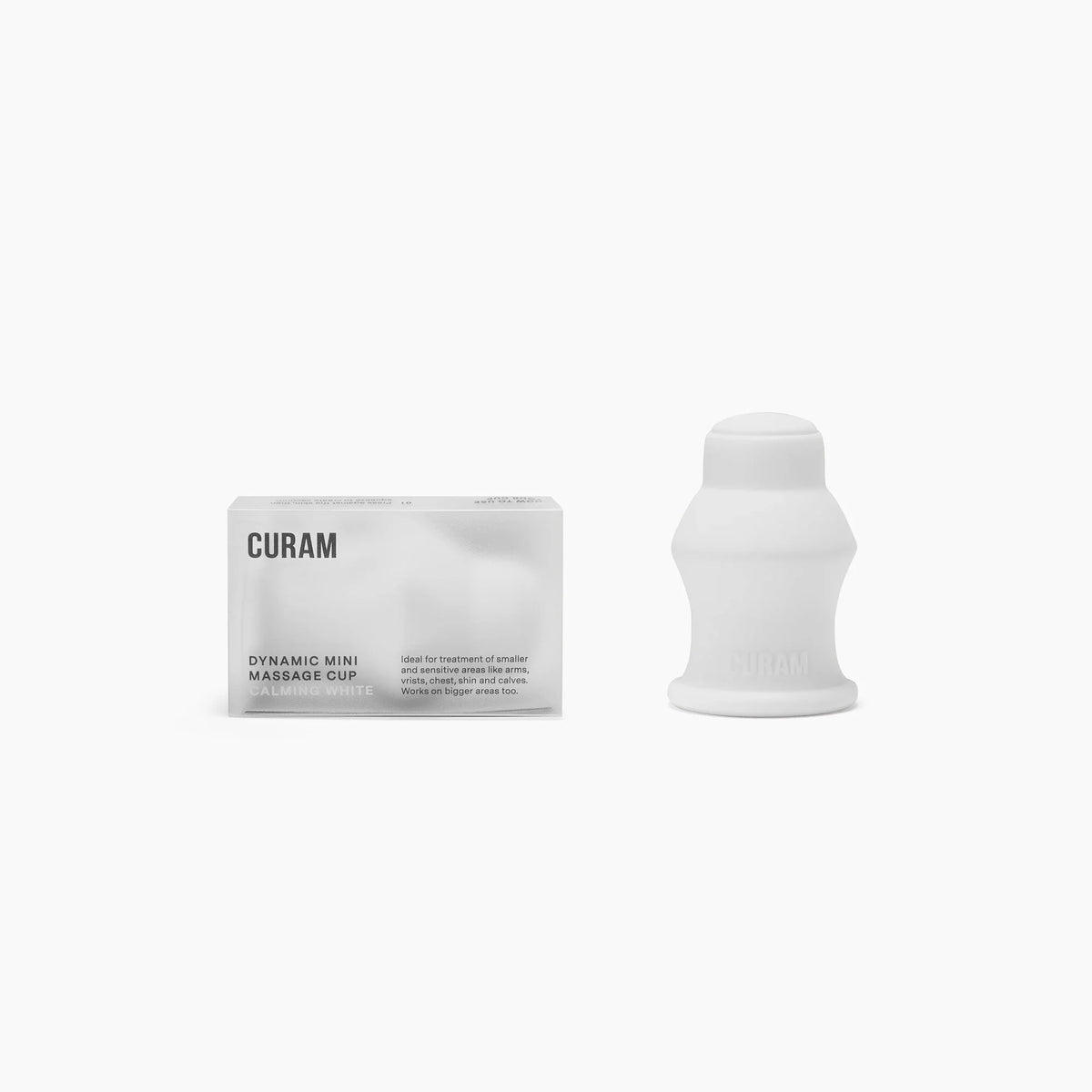
- Neck: the small dynamic cup with face oil, light suction, slow strokes from the base of the skull down the back and sides of the neck to the shoulder, 2 minutes per side. Never on the front of the neck (vessels, larynx) and never over the vertebrae themselves.
- Base of the skull: let the small cup rest with light suction on the muscle attachments just below the skull, two centimetres out from the midline, 30–60 seconds per side; a spot that often gives an immediate feeling of relief in the head.
- Jaw: the small cup on the lowest suction on the chewing muscle (masseter) between the cheekbone and the angle of the jaw, small circles and short strokes down toward the jaw angle, 1 minute per side, and on the temple (temporalis) above the ear, short strokes backward, 30 seconds per side. Not over the jaw joint in front of the ear, not on the neck.
- Finish with the jaw relaxed (tongue on the palate, teeth apart, lips together), ten slow breaths and three calm neck rotations. Programme: meditation and relaxation.
Don't cup in the ear or right around the ear opening, not with an ear infection, not on the front of the neck, and not if the tinnitus gets clearly worse from the treatment (then the neck is probably not the cause). With pulsatile tinnitus: have it examined before cupping the neck. Blood thinners: ask your doctor.
Living with tinnitus: what makes the biggest difference
- Stop measuring and comparing the sound; every check strengthens the monitoring. Let it sit in the background like traffic noise.
- Sound on in quiet environments, especially when falling asleep.
- Sleep first: the tinnitus of a bad night is almost always worse.
- Move every day and have a wind-down routine every evening.
- Protect your hearing for the rest of your life.
- Seek help early if tinnitus takes up space in your thoughts, disturbs sleep or lowers your mood; treatment exists and works.
Frequently asked questions
Can tinnitus come from the neck or jaw?
Yes, in about two out of three people tinnitus is affected by the neck and jaw (somatosensory tinnitus): the sound changes when you clench, open wide, press on the neck or turn the head. Then treatment of neck and jaw helps: exercises, posture, a bite splint, relaxation, physiotherapy and cupping of the neck, jaw and shoulders.
Can stress cause tinnitus?
Stress rarely triggers tinnitus from nothing, but worsens it in almost everyone: a tense jaw and neck, worse sleep and a nervous system that monitors the sound make it louder. Tinnitus that appears during a stressful period usually decreases when the stress, sleep and tension are treated.
When should you seek care for tinnitus?
Quickly for sudden tinnitus with sudden hearing loss in one ear, after a head injury or with severe vertigo. Book your doctor for one-sided or pulsatile tinnitus, tinnitus with hearing loss or dizziness, lasting more than a few weeks or disturbing sleep, concentration and mood.
What helps tinnitus?
Sound enrichment (never silence), CBT or tinnitus therapy when it bothers you, hearing aids with hearing loss, sleep, stress management, exercise and hearing protection. With neck- and jaw-related tinnitus also neck exercises, a bite splint and cupping of the neck, jaw and shoulders. Supplements such as ginkgo and zinc have not shown effect.
Does cupping help tinnitus?
Cupping doesn't affect the hearing injury but can reduce tinnitus driven by tense neck and jaw muscles: static cups on the shoulders, light cupping along the neck and base of the skull and very light on the chewing muscles. Do the test of clenching and pressing on the neck; if the sound changes, the chance is good that cupping will be noticeable. Never in or around the ear or on the front of the neck.
Related guides
- Numbness and tingling in the hands – causes and exercises
- Headache – types, where it hurts, when to seek care and what helps
- Jaw pain and jaw joint pain – causes, exercises and what helps
Written by Curam. Last updated 17 October 2026. This is general self-care information and does not replace medical care. For sudden, severe or unusual symptoms, contact your doctor. Talk to your doctor before cupping if you are pregnant, take blood thinners or have a condition affecting skin, blood vessels or blood.


