


Teeth grinding (bruxism) means you grind or clench your teeth together, usually in your sleep without knowing it, sometimes during the day when you concentrate or are stressed. The chewing muscles are the strongest in the body relative to their size, and when they work for hours every night the result is sore, tight jaws in the morning, headaches in the temples, worn or sensitive teeth, clicking in the jaw joint and sometimes earache. The causes are mainly stress and tension, sleep disturbances (including snoring and sleep apnoea), certain medicines, nicotine, caffeine and alcohol, and the habit of clenching during the day. What helps is a night guard from the dentist to protect the teeth, learning to keep the jaw relaxed during the day, better sleep and less stress, and relaxing the chewing muscles with heat, massage or cupping. Here is how to recognise bruxism, what helps, when to see a doctor and how to cup the jaw and temple muscles.
What is teeth grinding, and how do you know you do it?
There are two forms: sleep bruxism, which is driven by brain activity during sleep and is linked to micro-arousals, stress, snoring and sleep apnoea, and awake bruxism, which is usually clenching (not grinding) when you concentrate, drive, train or are tense. Many people have both. Signs: you wake with sore jaws or headaches in the temples, your teeth are sensitive or have worn edges, your partner hears grinding, your dentist sees wear or cracks, your chewing muscles feel hard and large, there are tooth imprints on the edges of your tongue, and clicking or locking in the jaw joint. Jaw joint problems (TMD) and tension headache are close relatives; read Headache and tension headache.
When to see a doctor
Book a dentist if you suspect teeth grinding; the dentist assesses the wear, fits a night guard and excludes other causes of tooth sensitivity. See a doctor if you snore heavily, have pauses in breathing during sleep, are abnormally tired during the day or wake with a headache every morning (sleep apnoea), if the jaw locks so that you cannot open or close your mouth, if you have swelling or fever at the jaw, if jaw pain radiates towards the chest or arm (heart, call emergency services), or if the problems started after a new medicine or a blow to the jaw. Children often grind their teeth and usually grow out of it, but mention it to the dentist.
Self-care that helps
- A night guard, fitted by a dentist. It does not stop the grinding but protects the teeth and reduces the load on the jaw joint. Over-the-counter guards from pharmacies fit less well and can sometimes make things worse.
- Teach the jaw to rest during the day. Resting position: lips together, teeth apart, tongue resting on the palate behind the front teeth. Set reminders (a sticky note on the screen, every time you check your phone) and check: am I clenching? It is the most important habit to change in awake bruxism.
- Stress and sleep. Winding down before bed, regular sleep times, less caffeine after lunch, less alcohol and nicotine in the evening, and breathing exercises or relaxation. With sleep apnoea: treatment through healthcare often reduces the grinding.
- Heat and massage. A warm towel or heat pad over the jaws in the evening, followed by gentle massage in circles over the chewing muscle (masseter, in front of the ear at the angle of the jaw) and the temple muscle (temporalis, above the ear) for two to three minutes per side.
- Exercises: open the mouth slowly as far as it goes without pain with the tongue kept on the palate, ten times; move the jaw sideways and forwards; light resistance with the hand under the chin as you open, five seconds, five times. Daily.
- Avoid what overloads: chewing gum, nails, pens, chewy sweets, big bites, and opening wide during a period of sore jaws.
- Medical options for severe problems: the dentist's occlusal treatment, physiotherapy for jaw and neck, CBT or biofeedback for stress-related bruxism, in some cases botulinum toxin in the chewing muscles.
Cupping the jaw and temple muscles, step by step
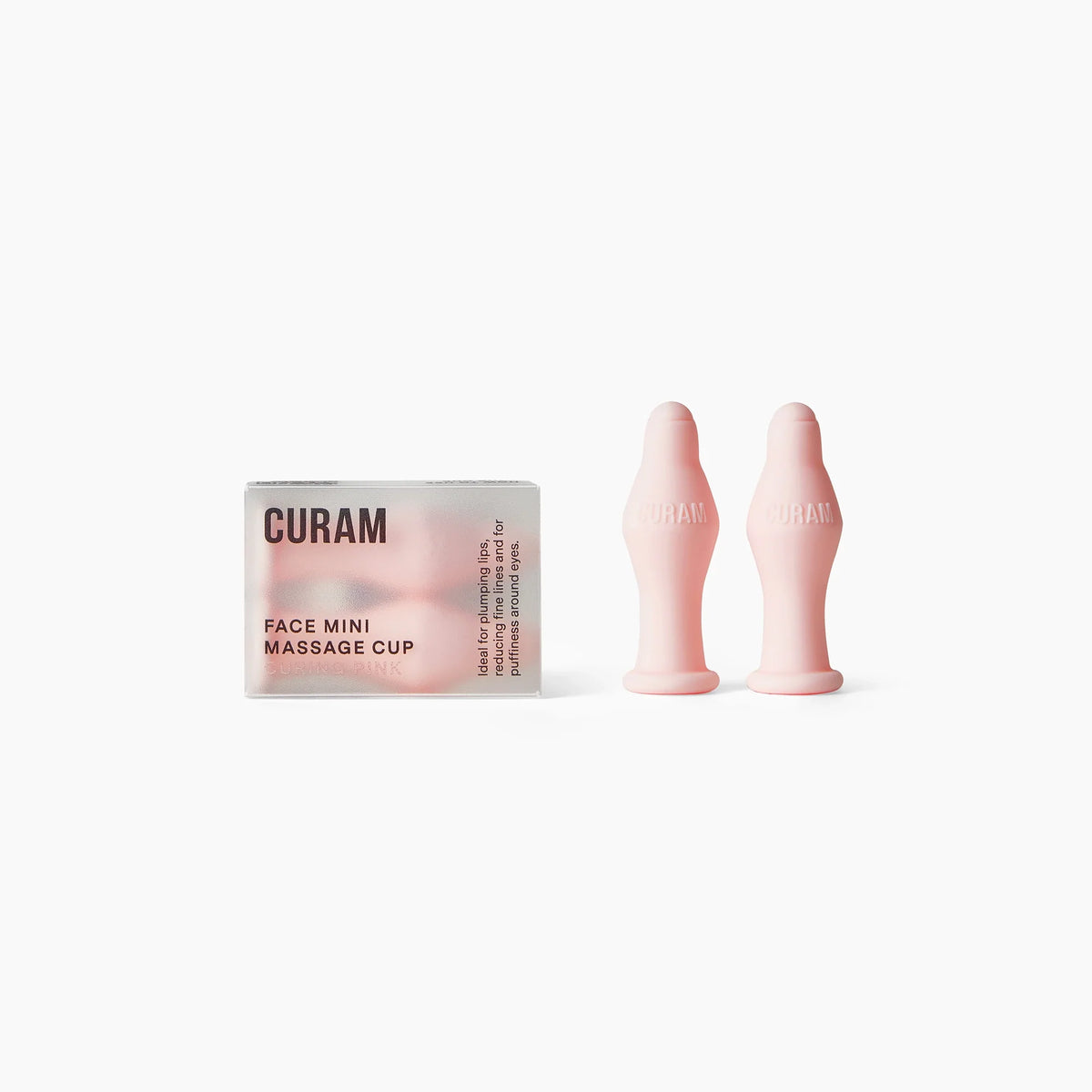
The chewing muscles are superficial and easy to reach, and gentle cupping is a pleasant way to get them to let go in the evening before the night guard goes in. You need the mini face cup (small cup, light suction) and face oil. The suction should be light and the cup should always be moving; the jaw and temple have thin skin and marks show.
- Warm the jaws with a warm towel for five minutes.
- Find the muscles. Clench lightly: the chewing muscle (masseter) bulges in front of the ear above the angle of the jaw, the temple muscle (temporalis) above and in front of the ear. Then relax with the teeth apart throughout the cupping.
- Oil the angle of the jaw, the cheek in front of the ear and the temple.
- Chewing muscle. Glide the mini cup with light suction in slow strokes from the angle of the jaw upwards towards the cheekbone along the muscle, five to eight strokes per side, and in small circles over the middle of the muscle.
- Temple muscle. Strokes from the outer end of the eyebrow backwards and upwards over the temple towards the hairline, five strokes per side. Not over the temporal artery with strong suction.
- Jaw joint. Very light circles just in front of the ear cartilage, where the jaw joint moves when you open your mouth, ten seconds. Skip this if it clicks or hurts.
- Neck and trapezius. The jaw and neck are connected; finish with light strokes from the base of the neck out towards the shoulders with the dynamic mini cup if you have one, see Stiff neck and tight shoulders.
- Finish with the opening exercises and the resting position: lips together, teeth apart, tongue on the palate.
Five minutes in the evening, daily during a period of sore jaws, then a few times a week. How facial cupping works in principle is in Face cupping, and the role of the jaws in headaches in Headache and tension headache.
When not to cup
Not with swelling, warmth or fever at the jaw, not over the jaw joint if it locks or is acutely inflamed, not on active acne, eczema or wounds, not over fillers or botox in the first two weeks, not with strong suction on the face, not over the temporal artery, and not without medical advice if you take blood thinners or bruise easily. If the jaw pain increases, stop.
Frequently asked questions
How do I know if I grind my teeth at night?
Common signs are sore jaws or headaches in the temples in the morning, sensitive or worn teeth, hard chewing muscles, tooth imprints on the edges of the tongue and a partner hearing grinding. The dentist sees the wear and can confirm it.
Does a night guard help with teeth grinding?
It protects the teeth and offloads the jaw joint, which is the main purpose, but it rarely stops the grinding itself. Combine it with relaxing the jaw during the day, better sleep, less stress and relaxation of the chewing muscles.
Does cupping help with a tight jaw?
Gentle cupping of the chewing muscle and temple muscle can get them to let go, increase circulation and reduce soreness, especially as an evening routine together with heat and opening exercises. It does not treat the cause of the grinding, but relieves the consequences.
Why does my jaw hurt in the morning?
Because the chewing muscles have been working during the night. Sleep bruxism can mean clenching the teeth with great force in short bursts many times a night, and the muscles become sore as after a training session.
Can stress cause teeth grinding?
Yes, stress and worry are the most common triggers for both sleep and awake bruxism. Winding down, sleep routines, relaxation and learning to keep the jaw relaxed during the day often reduce the problem considerably.
Sources
- 1177 Vårdguiden (Swedish national health guide), search for "tandgnissling" for medical information and when to seek care.
- Curam's FAQ and facial cupping programmes, developed together with trained massage and skin therapists.
Written by Curam. Last updated 17 October 2026. This is general self-care information and does not replace medical care. For sudden, severe or unusual symptoms, contact your doctor. Talk to your doctor before cupping if you are pregnant, take blood thinners or have a condition affecting skin, blood vessels or blood.


