


The vagus nerve is the body's longest nerve and runs from the brainstem down through the neck to the heart, lungs, stomach and gut. It is the main pathway of the parasympathetic nervous system, the mode the body is in when it rests, digests food, sleeps and repairs itself. When the vagus nerve is active the pulse falls, breathing becomes calm and deep, digestion starts and stress hormones decrease; when stress and alertness dominate, vagal activity is low, and that shows as a high resting pulse, shallow breathing, a restless stomach and difficulty winding down. Vagal activity can be influenced, above all through breathing with a long exhale, which is the best-documented method, and through cold on the face, singing and humming, movement, sleep and social contact. It is not possible to "train up the vagus nerve" like a muscle, and many claims about vagal toning are exaggerated, but the simple exercises work and are harmless. Here is what the nerve does, what has evidence, seven exercises, the myths and how static cupping with breathing is used as a way to wind down.
What the vagus nerve does
- The heart: lowers the pulse between beats; high vagal activity shows as high heart rate variability (HRV), the measure many watches display.
- Breathing: interacts with the diaphragm; a long, calm exhale increases vagal activity, fast shallow breathing decreases it.
- The stomach and gut: starts digestion, the movements of the gut and the production of stomach acid and enzymes. Stress switches it off; a "nervous stomach" and sluggish bowels are often linked to low vagal activity, see the guide to sluggish bowels.
- Inflammation: dampens inflammatory signals via the so-called cholinergic anti-inflammatory pathway.
- The voice, swallowing and throat: controls the vocal cords and pharynx, which is why singing, humming and gargling affect the nerve.
- Emotions: relays signals from the body to the brain about safety or danger; much of the "gut feeling" travels via the vagus.
What research says
The best evidence is for slow breathing with a prolonged exhale, around six breaths per minute: it increases HRV and lowers blood pressure and perceived stress in many studies. Cold on the face (the diving reflex) lowers the pulse clearly and acutely. Singing, humming and chanting increase HRV measurably. Regular cardio training, enough sleep, meditation and yoga raise vagal activity in the long term. Electrical stimulation of the vagus nerve is used in healthcare for epilepsy and depression. There is, however, no evidence that single "vagus exercises" cure diseases, for many of the supplements sold for the vagus nerve, or that a nerve can be "trained up" structurally. See vagal activity as a thermostat you can turn in the moment, and which is set higher by a lifestyle with sleep, movement, recovery and relationships.
Signs of low vagal activity
A high resting pulse and low HRV, shallow breathing high in the chest, difficulty winding down and falling asleep, a restless or sluggish stomach, palpitations with small efforts, being easily overwhelmed by noise and impressions, and finding it hard to calm down after being stressed. It is the same picture as with long-term stress, see the guide to stress; feeling faint, palpitations at rest, chest pain or shortness of breath should, however, be assessed by a clinician, and diffuse complaints can have other causes (thyroid, anaemia, depression).
Seven exercises that increase vagal activity
- Long exhale (4–6 or 4–8). Breathe in through the nose for four seconds, out through the nose or with pursed lips for six to eight, five minutes. The single best-documented exercise; do it two to three times a day and always before sleep. More breathing exercises in the guide to breathing exercises.
- Physiological sigh. Two inhales through the nose (one long, one short on top) and a long exhale through the mouth, three times. The fastest possible calming, good in the middle of a stressful situation.
- Humming or singing. Hum a note with the mouth closed so it vibrates in the throat, two to five minutes; the vibration and the long exhale stimulate the nerve via the vocal cords. Sing in the car or the shower.
- Cold on the face. Hold your breath and dip your face in cold water for 15–30 seconds, or place a cold towel over the eyes and cheeks; the pulse drops immediately. A cold shower for the last 30 seconds works too. Not with heart disease without asking your doctor.
- Gargling. Gargle water vigorously for 30 seconds, twice a day; activates the throat muscles the vagus controls. Easy to add to tooth brushing.
- Movement and sleep. Thirty minutes of walking or calm cardio most days, yoga or tai chi, and seven to nine hours of sleep raise the baseline; see the guide to sleep problems.
- Touch and social contact. Massage, a hug, a calm conversation and laughing increase vagal activity; it is a nerve that responds to safety. Massage and static cupping belong here, see below.
Static cupping with breathing: a tool for winding down
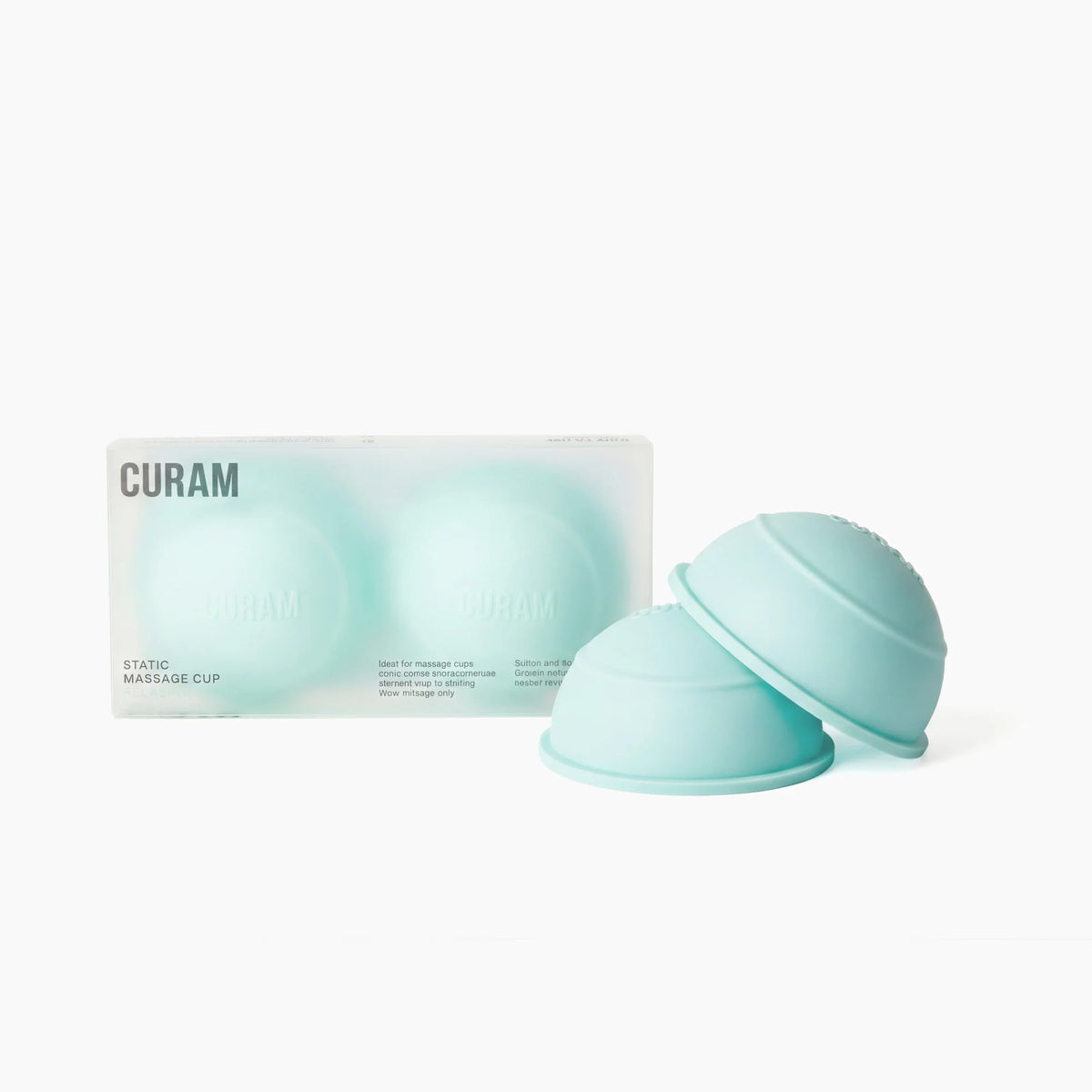
Static cups on the chest are used as a way to make the breathing exercise tangible: the cups give a clear, calm touch and a place to "breathe into", so the exhale becomes longer and attention stays in the body instead of in the thoughts. The calm touch and the slow breath are what affect the vagus; the cups themselves do not stimulate the nerve, but they make the exercise easier to do for longer and correctly, especially for those who find it hard to relax. Many use it as an evening routine.
- Lie on your back in dim light. Apply a little oil below the collarbones and on the sides of the ribs.
- Place two static cups with light suction just below the collarbones. Breathe in for four seconds so the cups lift, out for six to eight. Ten breaths.
- Move the cups to the sides of the ribs level with the lowest ribs; breathe sideways into them, ten breaths. That trains diaphragmatic breathing.
- Finish with one cup on the belly below the navel, breathe down into the belly, ten breaths; add humming on the exhale if you like.
- Stay lying for a minute without cups and feel your pulse. Five to ten minutes in total, daily for two weeks to notice a difference in sleep and resting pulse.
Guided routines: the cupping program for breathwork, meditation and relaxation and body scanning. The method as a whole is described in the Curam Recovery method. Do not cup the front of the throat, where the vagus nerve and the carotid artery run; the nerve is affected via breathing, not via pressure on the throat.
Common myths about the vagus nerve
- "The vagus nerve can be trained like a muscle." No, but its activity can be raised in the moment with breathing and cold, and the baseline is raised by sleep, movement and recovery.
- "Massaging the throat stimulates the vagus." Pressure on the front of the throat can affect the carotid artery and is not something to experiment with; the nerve is reached safely via breathing, voice, cold on the face and calm touch elsewhere.
- "Supplements for the vagus nerve." No evidence.
- "Vagus exercises cure anxiety, IBS or inflammation." They relieve symptoms and are a good complement, but do not replace treatment.
Frequently asked questions
What is the vagus nerve?
The body's longest nerve, from the brainstem to the heart, lungs, stomach and gut, and the main pathway of the parasympathetic nervous system: rest, digestion, sleep and recovery. High vagal activity gives a calm pulse, deep breathing and a working stomach; low activity is linked to stress.
Which exercises activate the vagus nerve?
A long exhale (in 4, out 6–8) for five minutes is best documented; in addition the physiological sigh, humming and singing, cold on the face, gargling, calm movement, sleep and calm touch. Static cups with breathing make the exhale exercise easier to do for longer and correctly.
Does cupping help the vagus nerve?
Indirectly: it is the calm touch and the slow breath that increase vagal activity, and static cups on the chest make the breathing exercise tangible and easier to keep up. The cups do not stimulate the nerve in themselves, and they should never be placed on the front of the throat.
How do I know if my vagus nerve is "weak"?
There is no home test, but a high resting pulse, low HRV, shallow breathing, a restless stomach and difficulty winding down suggest low activity and high stress. HRV in a watch gives a rough picture over time. Palpitations at rest, fainting or chest pain should be assessed by a clinician.
How long before vagus exercises have an effect?
The pulse drops within minutes of a long exhale or cold on the face. Better sleep, a calmer stomach and a lower resting pulse are usually noticed after two to four weeks of daily practice, and the baseline keeps rising with movement and sleep over months.
Sources
- 1177 Vårdguiden (Swedish national health guide), search for "stress" and "avslappning" for general information and when to seek care.
- Curam's FAQ and cupping programs, developed with trained massage therapists.
Related guides
- Sauna, cold plunge and ice baths – recovery that works
- Bloated stomach and gas – causes and what helps
- Fatigue – causes, blood tests and what helps
- Exhaustion disorder (burnout) – symptoms, stages and recovery
- Anxiety and panic attacks – symptoms in the body and what helps
Written by Curam. Last updated 17 October 2026. This is general self-care information and does not replace medical care. For sudden, severe or unusual symptoms, contact your doctor. Talk to your doctor before cupping if you are pregnant, take blood thinners or have a condition affecting skin, blood vessels or blood.


