


Headache is one of the most common symptoms there is: almost everyone has it sometimes, one in ten every week, and three to four percent have headache on more days than not. The brain itself feels no pain; what hurts is the meninges, the blood vessels, the nerves, the muscles of head, jaw and neck, and the sinuses. Primary headache, where the headache itself is the condition, accounts for over 90 percent: tension headache (the everyday one, a pressing band around the head), migraine (in attacks, usually one-sided, throbbing, with nausea and light sensitivity, often with warning signs) and the uncommon but extremely painful cluster headache (behind one eye, in periods, mostly in men). Secondary headache has another cause, usually harmless: too many painkillers, dehydration, lack of sleep, caffeine withdrawal, colds and sinuses, a tight neck and jaw, uncorrected vision and screen work, high blood pressure, menopause; rarely serious, but it is the rare cases (bleeding, meningitis, tumour, temporal arteritis) that the warning signs below exist for. Here is how to read your headache, when to seek care, and what helps.
The types of headache
| Type | How it feels | Duration and pattern | What helps |
|---|---|---|---|
| Tension headache | Pressing, dull, like a band or helmet around the head, both sides, often forehead and back of the head; mild to moderate; tender neck and shoulder muscles; no nausea | 30 minutes to several days; comes in the afternoon and evening, with stress and screen work | Movement, water, breaks, neck exercises, heat, relaxation, cupping of neck and shoulders; painkillers at most 2 days a week. Read tension headache and tight jaw |
| Migraine | Throbbing, moderate to severe, usually one side, worse with movement; nausea, light and sound sensitivity; in one in four an aura with flickering or visual loss for 20–60 minutes before | 4–72 hours; attacks from a few per year to several per month; triggers: changed sleep, stress (especially when it lets go), periods, skipped meals, alcohol, certain smells | Dark quiet room, cold on the forehead, painkiller early in the attack; with more than 2–3 attacks per month: your doctor for migraine-specific and preventive treatment. Cupping preventively between attacks, never during |
| Cluster headache | Extremely severe, boring pain behind or around one eye; the eye waters and reddens, the nose runs on the same side; restlessness, can't lie still | 15–180 minutes, one to several times a day, often the same time at night, in periods of weeks; mostly men 20–50 | Always a doctor: oxygen and specific medicines help quickly, ordinary painkillers not at all |
| Neck-related (cervicogenic) | Starts in the neck and spreads up over the back of the head towards the forehead and behind the eye, one-sided, worse with neck movements and certain head positions; stiff neck | Hours to days, often after sleeping in a poor position, long screen work, whiplash | Neck exercises, posture, heat, cupping of neck and shoulder blades, physiotherapist; see neck exercises and wry neck |
| Medication overuse | Dull daily headache present on waking and temporarily relieved by the tablets that cause it | At least 15 days a month in someone taking painkillers 10–15 days a month or more for over three months | Taper the tablets with your doctor's support; often worse for two weeks and then clearly better |
| Sinus headache | Pressure and ache in the forehead, cheeks, around the nose, worse when bending forward; congestion, runny nose, often after a cold | Days to weeks with the cold | Nasal rinse, steroid spray, steam, lymphatic massage of the face; fever and severe pain: your doctor. See blocked nose and sinuses |
| Exertion and sex headache | Pounding headache that comes suddenly with heavy exertion, coughing or orgasm | Minutes to hours | Usually harmless but should be examined the first time (rule out bleeding) |
Where it hurts, and what it usually means
| Location | Most common | Also consider |
|---|---|---|
| Forehead and temples, both sides | Tension headache, screen fatigue, dehydration, caffeine withdrawal | Sinuses (with runny nose), vision (new prescription), teeth grinding (tender jaw muscles in the morning); in people over 50 with a tender, swollen temple: temporal arteritis, seek care the same day |
| Back of the head and neck | Tension headache, neck-related headache, poor sleeping position, pillow | High blood pressure (measure), wry neck; sudden severe pain in the back of the head: urgent |
| One side, throbbing | Migraine | Neck-related (starts in the neck), cluster headache (behind the eye, extremely severe) |
| Behind or around one eye | Migraine, cluster headache, tired eyes | Sinusitis; sudden with red eye, reduced vision and nausea: acute glaucoma, emergency |
| Top of the head, "like a helmet" | Tension headache, stress | – |
| Whole head, on waking | Medication overuse headache, sleep apnoea, teeth grinding, alcohol, too little or too much sleep | Headache that wakes you or is worst in the morning and worse when bending forward, with nausea: get examined |
Pain in the temple: the jaw, the tension, the eyes and what should be examined
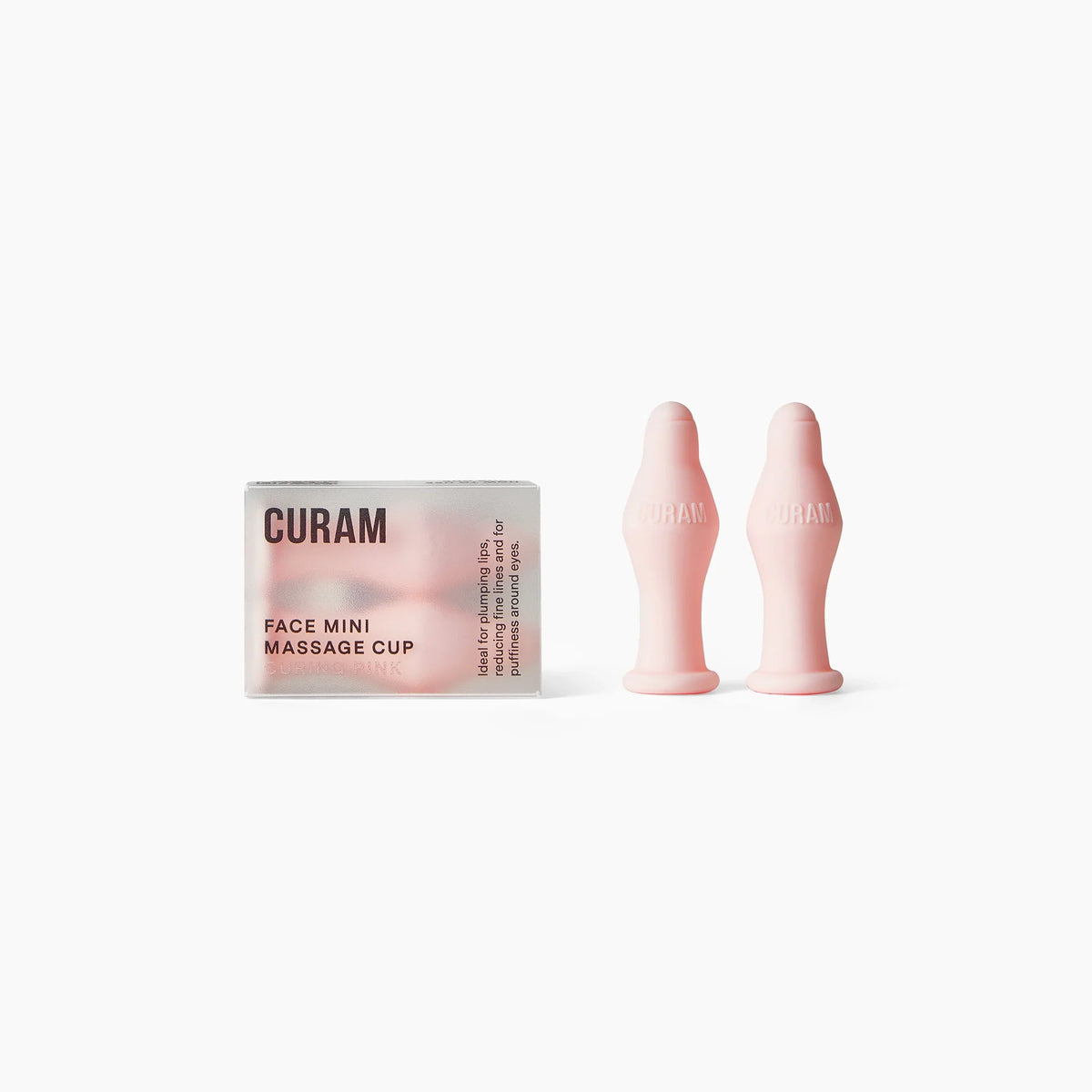
The temple is one of the most common sites of headache, and almost always the pain comes from the muscles: the temporalis, the chewing muscle that covers the temple, is tensed by teeth grinding, clenching and stress and gives a dull ache worsened by chewing and tender to pressure; the upper trapezius and the muscles under the skull base send pain forward around the ear to the temple; and screen work with strained eyes gives ache in the temples and forehead towards evening. Migraine often sits in one temple and throbs. How to relieve it: jaw in resting position (lips together, teeth apart, tongue on the palate), a warm towel over temple and jaw, circle with two fingers over the temple and the chewing muscle on the cheek for a minute per side, chin tucks and neck stretches, the 20-20-20 rule at the screen, and light cupping with the face cup mini over the temple from the end of the eyebrow diagonally up and back towards the hairline, 5–8 strokes per side with minimal suction, never over the pulsating artery. The whole jaw part is in jaw pain and jaw joint pain. Seek care the same day if you are over 50 and have new pain in the temple with a tender, swollen or lumpy temporal artery, chewing fatigue, general malaise or visual disturbance: temporal arteritis is an inflammation of the artery that can damage the sight and is treated with cortisone immediately. Sudden severe pain in the temple with a red eye and blurred vision is acute glaucoma (emergency).
Headache every day
Daily or near-daily headache almost always has one of five causes: too many painkillers (the most common, from as few as ten days a month), chronic tension headache from stress and a tight neck, chronic migraine that has crept up, lack of sleep or sleep apnoea, or too much caffeine with withdrawal in between. Less often high blood pressure, uncorrected vision, depression and anxiety, or menopause. The first step is always a headache diary for four weeks: when, where, how long, how bad (1–10), what you took, sleep, periods, stress. It usually shows the pattern, and it is what the doctor wants to see. The second step is to go tablet-free for two to four weeks with your doctor's support if you've been taking painkillers more than two days a week. New daily headache that started suddenly and doesn't resemble anything you've had before should always be examined.
When to seek care
Call emergency services for:
- Headache that comes like lightning and is at its worst within a minute ("thunderclap headache", the worst you've had).
- Headache with fever, stiff neck (can't put chin to chest), light sensitivity, skin bleeding or confusion.
- Headache with paralysis, numbness on one side of the body, speech difficulty, double vision, visual loss, seizures or altered consciousness.
- Headache after a blow to the head, especially with vomiting, drowsiness or if you take blood thinners.
- Sudden severe headache with red eye and reduced vision.
Your doctor within days to weeks for: new headache after age 50; headache that steadily worsens over weeks; headache that wakes you at night or is worst in the morning with nausea; headache worse with coughing, straining or bending forward; headache with a tender, swollen temple, jaw pain on chewing or visual disturbance over 50; headache with weight loss or in someone with cancer or a weakened immune system; migraine more than two to three times a month; headache more than 15 days a month; headache making you take painkillers more than two days a week; first-time exertion headache; children with recurrent headache.
What helps the common headache
Habits that remove half the problem
- Regularity: the same sleep times even at weekends (too little and too much sleep trigger both migraine and tension headache), regular meals, not skipping breakfast.
- Water: mild dehydration is one of the most common triggers; 1.5–2 litres evenly through the day, more in heat and training.
- Caffeine: an even, moderate dose is better than a lot on weekdays and none at the weekend (weekend headache is often caffeine withdrawal). Reduce slowly if you want to taper.
- Screen and vision: the 20-20-20 rule, screen at eye level, an eye test if you haven't had one in two years; see tired eyes and screen fatigue.
- Painkillers sparingly: at most two days a week, early in the attack when you do take them.
- Movement: a 30-minute walk or cardio most days reduces both frequency and intensity of tension headache and migraine in studies, on a par with preventive medication.
Neck, jaw and shoulders
Tension headache and neck-related headache start in the muscles: the small muscles under the base of the skull, the trapezius, the neck extensors and the jaw muscles send pain up over the head and towards the forehead via the nerves that pass through them. Five minutes of neck exercises twice a day (chin tucks, shoulder rolls, side bends, stretching the upper trapezius and the muscles under the skull base), a workstation with the screen at eye level, breaks every half hour, and stopping clenching the jaw (tongue on the palate, lips together, teeth apart) do more than any pill for this kind of headache. The exercises are in neck exercises for a stiff neck and stiff neck and tight shoulders; the jaw in tension headache and tight jaw.
Relaxation and stress
Relaxation training, slow breathing and mindfulness have halved the number of headache days in tension headache in studies; together with regular exercise they are the best documented non-drug treatment. Start with five minutes of slow exhalation morning and evening; see relaxation and breathing exercises and stress and stress management.
Cupping for tension headache and neck-related headache
Cupping is an effective way to release exactly the muscles that send the pain: the skull base, the neck, the upper trapezius and the inner edges of the shoulder blades. Studies on cupping for chronic neck and shoulder pain and tension headache show moderate reduction in pain and number of headache days, best combined with exercises. How to: oil the skin, glide the dynamic cup with light pressure from the skull base down the sides of the neck to the shoulders and out towards the shoulder joints, 2–3 minutes per side, and in long strokes between the shoulder blades and the spine; then place static cups on the upper trapezius and above the inner edge of the shoulder blade for 5 minutes. For jaw and temples use the face cup mini with minimal suction in small strokes along the jaw muscle from the angle of the jaw towards the cheekbone and on the temple, one minute per side, never on the pulsating vessel of the temple itself. Finish with neck stretches. Don't cup during a migraine attack (increased sensitivity, often worsens it), not on the front of the neck, not with headache with fever or any of the warning signs above, and not as a replacement for examination of new or changed headache. Programmes: smoother forehead for forehead and temple, meditation and relaxation; the basics in the complete guide and when to avoid cupping.
Deeper guides
Tension headache, migraine and tight jaw, wry neck, dizziness and neck-related dizziness, tinnitus, sleep problems, snoring and sleep apnoea, cupping during menopause and cupping for people who sit a lot.
Frequently asked questions
How do I know which type of headache I have?
Pressing band around the whole head, mild to moderate, without nausea, often in the afternoon: tension headache. Throbbing, one-sided, moderate to severe, with nausea and light sensitivity, worse with movement, 4–72 hours: migraine. Extremely severe boring pain behind one eye with tears and runny nose, in periods: cluster headache, see a doctor. Starts in the neck and goes up over the back of the head, worse with neck movements: neck-related. A headache diary for four weeks shows the pattern.
When is a headache dangerous?
Call emergency services for headache that comes like lightning and is worst within a minute, headache with fever and stiff neck, with paralysis, numbness, speech difficulty, visual loss or seizures, after a blow to the head with vomiting or drowsiness, or sudden severe headache with red eye and reduced vision. See your doctor for new headache after 50, headache that steadily worsens, wakes you at night, is worse with coughing or bending forward, or comes with a tender temple, weight loss or visual disturbance.
Why do I have a headache every day?
Almost always one of five causes: painkillers more than ten days a month (medication overuse headache, most common), chronic tension headache from stress and a tight neck, chronic migraine, lack of sleep or sleep apnoea, or caffeine. Less often high blood pressure, uncorrected vision, depression or menopause. Keep a diary for four weeks and book your doctor; new daily headache that started suddenly should always be examined.
What helps quickly against a headache?
For tension headache: a large glass of water, a ten-minute walk or neck exercises, heat on the neck, five minutes of slow breathing, and a painkiller early if you haven't already taken tablets two days that week. For migraine: dark quiet room, cold on the forehead, painkiller or migraine medication as early as possible in the attack. Cupping of neck and shoulders helps tension headache, not during a migraine attack.
Does cupping help headaches?
For tension headache and neck-related headache, yes: cupping releases the muscles at the skull base, in the neck and upper trapezius that send pain up over the head, and studies show moderately fewer headache days, best combined with neck exercises. For migraine only preventively between attacks, never during one. Not for headache with fever or warning signs, and never instead of examination of new or changed headache.
Related guides
- Palpitations and extra heartbeats – causes, when to seek care and what calms them
- Neck pain – where does it hurt and what it can be
Written by Curam. Last updated 17 October 2026. This is general self-care information and does not replace medical care. For sudden, severe or unusual symptoms, contact your doctor. Talk to your doctor before cupping if you are pregnant, take blood thinners or have a condition affecting skin, blood vessels or blood.


