


The body keeps its core temperature at 37 degrees with the help of the metabolism (the heat formed when cells work, above all in muscles, liver and brown fat cells) and of the circulation, which distributes the heat and when needed shuts off the supply to the skin, hands and feet to save it for brain and organs. You feel cold when one of the two systems isn't enough: too little heat production (low metabolism, little muscle, too little food, an underactive thyroid, sleep deprivation), too poor transport (iron deficiency giving fewer oxygen-carrying red blood cells, reduced circulation, Raynaud's phenomenon where the small vessels in the fingers constrict too hard, low blood pressure), or a thermostat that is set wrong (stress and anxiety, which constrict the skin's vessels and make you feel cold despite a normal temperature; chronic pain; hormone swings around periods, pregnancy and menopause, where oestrogen makes the vessels more reactive). Women feel cold more often than men for several reasons at once: lower muscle mass, more subcutaneous fat that insulates the core but makes the skin colder, oestrogen's effect on the vessels, and more often iron deficiency. Feeling cold easily is not dangerous in itself, but it is often the first sign of something that should be treated, and something can almost always be done about it.
Why am I cold? The cause table
| Cause | How to recognise it | What to do |
|---|---|---|
| Iron deficiency (with or without anaemia) | Cold, tired, pale, palpitations, breathless on stairs, restless legs, hair loss, brittle nails; heavy periods, vegetarian diet, pregnancy | Your doctor: haemoglobin, ferritin, transferrin saturation. Ferritin below 30 (some say 50) is treated even with normal haemoglobin |
| Underactive thyroid (hypothyroidism) | Cold, tired, weight gain, sluggish bowels, dry skin, dry hair, low mood, puffy, hoarse, slow pulse | Your doctor: TSH, free T4; treated with levothyroxine, the coldness disappears in a few months |
| Low weight, little muscle, too little food | BMI under 19, recent weight loss, skipping meals, training a lot without eating in proportion; always cold, cold hands and feet | Eat enough (especially carbohydrates and protein), strength training that builds radiators; seek help for an eating disorder |
| Reduced circulation | Cold, pale or bluish hands and feet, white fingers in the cold (Raynaud's), ache in the calves when walking (atherosclerosis), smoker, diabetes | See poor blood circulation and cold feet and hands; stop smoking, movement, cupping |
| Stress, anxiety, sleep deprivation | Cold in periods of worry, with sleep deprivation, after sick leave for burnout; cold hands when nervous; cold but normal temperature | Sleep, stress management, breathing, movement; see stress and burnout |
| Hormones | Cold the week before a period, during pregnancy, in perimenopause (alternating with hot flushes), on the pill | Usually harmless; a test if new and marked; see perimenopause |
| Low blood pressure | Cold, dizzy when standing up, tired; often a slim young woman | Fluids, salt, movement, compression stockings; a test if new |
| Medicines | Beta-blockers (cold hands and feet), some migraine medicines, ADHD medication, some antidepressants | Ask for a review, never switch yourself |
| B12 deficiency, diabetes, kidney disease, anorexia, an infection coming on, low body fat in athletes | Varies; coldness is one of several symptoms | Your doctor if suspected |
| Age | From 65–70: lower metabolism, less muscle, thinner skin, poorer vessel reactions | Heat, movement, protein, a check of thyroid and iron |
When to get tested, and which tests
Book your doctor if you feel cold more than others and have any of: tiredness you can't sleep off, pallor, palpitations, breathlessness, weight change without cause, sluggish bowels, dry skin and dry hair, low mood, heavy periods, hair loss, numbness, dizziness, or white fingers in the cold. Ask for: haemoglobin, ferritin, transferrin saturation (iron), TSH and free T4 (thyroid), B12 and folate, blood sugar, blood pressure, and with cold feet and calf ache on walking an ankle pressure. Ferritin is the key: many with a "normal blood count" have iron deficiency, and the coldness disappears once the stores are refilled. Seek care soon if you have white or blue fingers that hurt, sores on fingers or toes, coldness with fever or chills, or marked weight loss.
What really helps
- Treat the cause: iron to a ferritin above 50 (tablets every other day with vitamin C, or an infusion), thyroid hormone, food, sleep. It takes one to three months for the coldness to release, and then it releases.
- Build muscle: muscles account for a large part of resting heat; strength training two to three times a week raises the metabolism and warms for hours afterwards. See strength training at home.
- Move often: a ten-minute brisk walk or stairs warms the body for an hour; never sit still for more than 30–45 minutes; clench and stretch hands and feet, roll the shoulders, stand up. The calf pump is what drives blood back from the feet.
- Eat enough and regularly: every meal raises body temperature (the thermic effect of food); skipped meals and long-term low-calorie diets lower the metabolism and give cold hands within days. Protein and wholegrains, hot food, hot drinks (ginger, cinnamon and chilli have a small but real effect).
- Sleep: seven to nine hours; sleep deprivation lowers body temperature and metabolism and makes you cold the next day.
- Layered clothing and the right materials: wool or synthetics next to the body (cotton turns cold when it gets damp), layers on the trunk (a warm core gives warm hands), a hat (the head leaks heat), wool socks, and dry feet; the heat should be kept in, not created by thick garments.
- External heat in the right places: warmth on the trunk, neck and groins (where large vessels lie superficially) warms the whole body; warm footbaths in the evening; a heat pad on the back at the desk. But not too warm a bedroom: 17–19 degrees with a warm duvet gives the best sleep.
- Nicotine and alcohol: nicotine constricts the vessels and gives cold hands for an hour per cigarette; alcohol gives a false feeling of warmth by opening the skin's vessels but lowers core temperature.
- Contrast showers and cold baths train the vessels' reactions and make you tolerate cold better over time, but don't help coldness due to iron or thyroid; see sauna and cold baths.
- Stress: breathing with a long exhalation, relaxation and movement open the skin's vessels; cold hands when nervous are the nervous system, not the circulation, and respond to what calms.
Cupping and circulation when you are cold
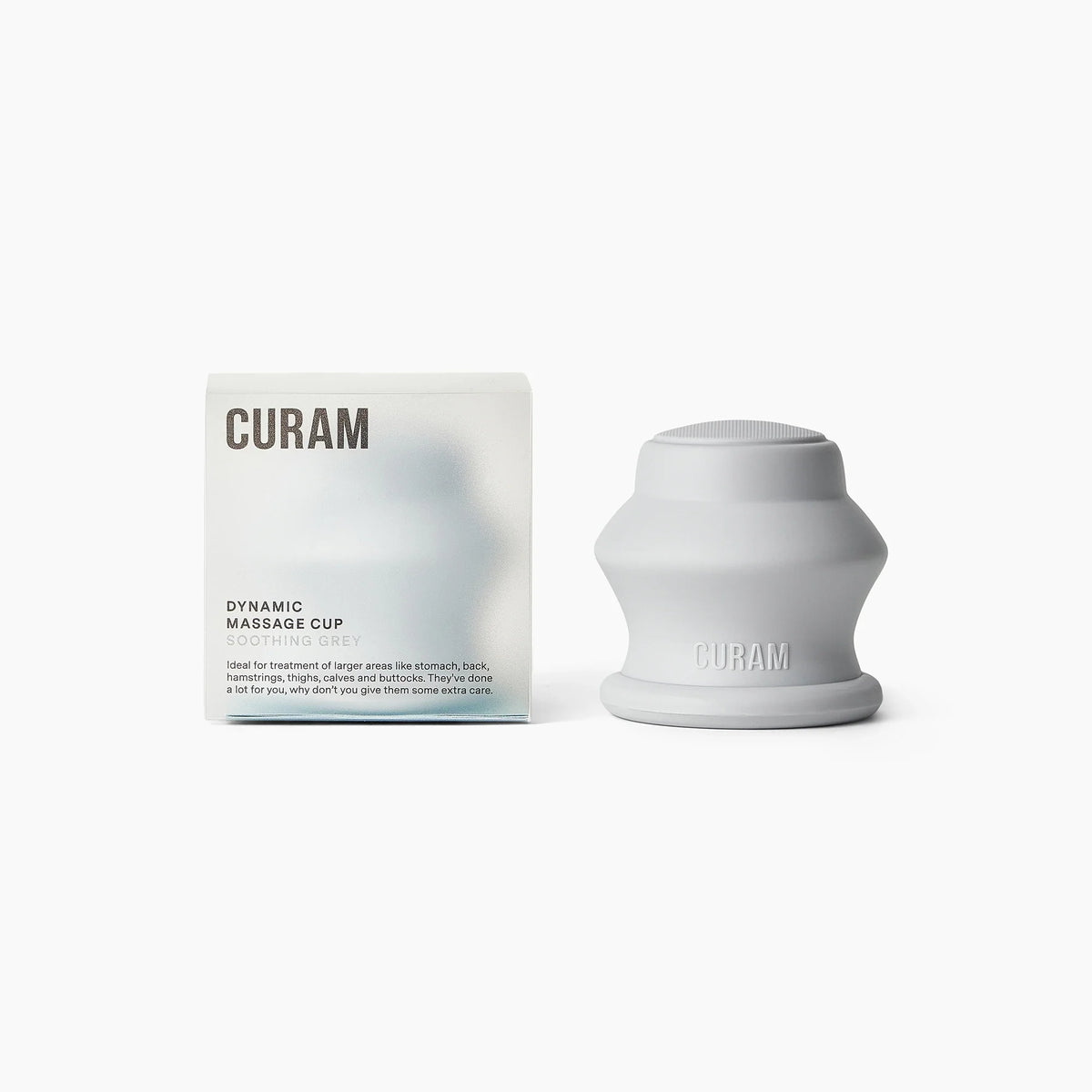
Cupping increases blood flow in the skin and muscles where the cup is used several times over, and the effect lasts for hours: the skin becomes warm and rosy, and the blood flowing to the area comes from the central circulation. That makes cupping one of the most effective ways to warm cold legs and feet in the evening, and regular cupping of calves and thighs improves the vessels' ability to dilate over time. It doesn't cure the cause of the coldness (it does nothing for iron or thyroid), but it makes evenings and nights warmer while the treatment works, and it lowers stress, which in itself makes you cold. How to: oil the skin, glide the dynamic cup with moderate suction from the ankle up towards the back of the knee on the calf, 15 strokes per leg, from the knee up towards the groin on the front and back of the thigh, ten strokes, and from the wrist towards the elbow and armpit on the arms, ten strokes; then the back along the muscles on each side of the spine from the bottom up, ten strokes, and place static cups on the lower back and between the shoulder blades for five minutes. The feet and hands themselves: light suction with the mini cup on the sole and palm, ten strokes, or instead a warm footbath and hand massage; never cup white or blue fingers during a Raynaud's attack, not with atherosclerosis in the legs with sores or rest pain, not over varicose veins, and not with strong suction if you have iron deficiency and bruise easily. Ten to fifteen minutes in the evening, three to four times a week, followed by wool socks. More in cold feet and hands and poor blood circulation.
Read more
Cold feet and cold hands, poor blood circulation, fatigue, iron deficiency, vitamin D deficiency, stress, sauna and cold baths and perimenopause.
Frequently asked questions
Why do I feel cold easily when others don't?
Because your body produces too little heat or distributes it too cautiously: iron deficiency (most common in women, even with a normal blood count), an underactive thyroid, low weight or little muscle, too little food, sleep deprivation and stress, reduced circulation, hormone swings, low blood pressure, certain medicines and age. Women feel cold more often for physiological reasons. If you are colder than others and tired, pale or have palpitations: get tested.
Which tests should you have when you are cold all the time?
Haemoglobin, ferritin and transferrin saturation (iron), TSH and free T4 (thyroid), B12 and folate, blood sugar, and blood pressure. Ferritin is the key: many with a normal blood count have empty iron stores, and values below 30–50 should be treated. Seek care soon for white or blue fingers that hurt, sores on toes or fingers, coldness with fever, or marked weight loss.
Can iron deficiency make you feel cold?
Yes, it is the most common treatable cause in women: iron is needed for the red blood cells' oxygen transport and for thyroid hormone to work, and with deficiency heat production falls and blood is steered away from the skin. Coldness, tiredness, pallor, palpitations, restless legs and hair loss together strongly suggest iron deficiency. Ferritin shows the stores; the coldness releases one to three months after the iron has been replenished.
What can I do myself to stop feeling cold?
Treat the cause first (iron, thyroid). Then: strength training that builds muscle, movement every half hour, regular meals with protein and hot food, seven to nine hours of sleep, layered clothing with wool next to the body and a hat, warmth on the trunk and neck rather than on the hands, warm footbaths, no nicotine, less alcohol, and cupping of calves, thighs and back in the evening that warms for hours. Contrast showers train the vessels over time.
Does cupping help against feeling cold?
For cold legs, feet and hands in the evening, yes: cupping increases blood flow in the skin and muscles several times over and warms for hours, and regular cupping improves the vessels' ability to dilate. It doesn't cure iron deficiency or a thyroid disorder, but makes the evenings warmer while treatment works. The dynamic cup on calves, thighs, arms and back plus static cups on the back, ten to fifteen minutes, three to four evenings a week. Not during a Raynaud's attack, over varicose veins or with vascular disease with sores.
Written by Curam. Last updated 17 October 2026. This is general self-care information and does not replace medical care. For sudden, severe or unusual symptoms, contact your doctor. Talk to your doctor before cupping if you are pregnant, take blood thinners or have a condition affecting skin, blood vessels or blood.


