


Endometriosis is a chronic, oestrogen-dependent inflammatory disease where tissue resembling the lining of the womb (the endometrium) is found outside the womb: on the peritoneum, the ovaries (where it can form cysts, endometriomas), the outside of the bowel and bladder, in the ligaments behind the womb, in a caesarean scar, and rarely elsewhere. The tissue responds to the cycle's hormones, swells and bleeds at the period, but the blood has nowhere to go, so there is inflammation, adhesions and scar tissue, and over time a pain system that is hypersensitive even between periods. About one in ten who menstruate has endometriosis, usually with onset in the teens, and the severity on imaging correlates poorly with the severity of the pain: small lesions can hurt unbearably, large ones can be silent. The closely related adenomyosis, where the tissue grows into the muscle wall of the womb, gives similar symptoms plus heavy bleeding. The cause is not established (retrograde menstruation, immune system, heredity, hormones), it can't be prevented, and it is not something you caused. It can however be treated, and the earlier the better: untreated endometriosis can cause adhesions, affect fertility and build in a chronic pain that becomes harder to treat the longer it continues.
The symptoms: this is not normal period pain
| Symptom | Normal period pain | Suggests endometriosis |
|---|---|---|
| Period pain | The first one to two days, helped by over-the-counter painkillers, you function | Starts days before the period and continues after, painkillers aren't enough, you vomit, faint, stay home, miss school or work; worse with the years |
| Pain during sex | No | Deep pain during or after sex, often worse on certain days of the cycle |
| Bowel and bladder | A slightly looser stomach during the period is common | Pain when you open your bowels or urinate during the period, cyclical diarrhoea or constipation, bloating ("endo belly"), sometimes blood in stool or urine at the period |
| Between periods | Pain-free | Chronic pelvic pain, pain at ovulation, lower back pain and pain radiating down the legs cyclically |
| Tiredness | A little more tired during the period | Marked tiredness and feeling unwell, especially around the period |
| Fertility | Unaffected | Difficulty getting pregnant (up to half of those with involuntary childlessness have endometriosis) |
| Bleeding | Normal | Heavy or prolonged bleeding (especially with adenomyosis), spotting before the period |
| Other | Pain in a caesarean scar at the period, pain in the shoulder or chest at the period (uncommon), recurrent urinary infection-like symptoms with negative tests, a mother or sister with endometriosis |
Two or more in the right-hand column: ask for an endometriosis work-up, in those words. Seek urgent care for sudden, severe abdominal pain with fever or vomiting (a ruptured or twisted cyst), heavy bleeding with dizziness, and a positive pregnancy test with pain and bleeding.
Why the diagnosis is delayed, and how to get it investigated
The average time from first symptoms to diagnosis is seven to ten years, because period pain is normalised ("that's what being a woman is like"), because the symptoms resemble IBS, urinary infection and pelvic floor pain, because endometriosis doesn't show on routine tests or always on ultrasound, and because many first seek help when they don't get pregnant. Here is what to do: keep a pain diary for two cycles (day, pain 0–10, what you took, what you missed, sex, bowel, bladder); book your doctor or a gynaecologist and say "I want to be investigated for endometriosis"; bring the diary and the list above; ask for a gynaecological examination and transvaginal ultrasound by someone experienced in endometriosis (sees endometriomas and deep endometriosis, but not superficial lesions); if it is suspected you should have treatment started (hormonal treatment plus pain relief) without waiting for keyhole surgery, since the treatment response itself supports the diagnosis; keyhole surgery (laparoscopy) is done when treatment isn't enough, in fertility work-up or when the diagnosis needs confirming. Endometriosis teams exist at university hospitals and several regional hospitals: with severe pain, deep endometriosis or bowel and bladder involvement you should be referred there. If you are dismissed: ask for a second opinion or change doctor. You have the right to be investigated.
The treatment available
- Hormonal treatment is the foundation: it removes or dampens menstruation so the lesions aren't activated. Combined pills taken continuously without a break, progestins (tablets, hormonal IUD, implant, injection), and if the effect is insufficient GnRH analogues or antagonists with add-back hormones via a specialist. It often takes two to three attempts to find what suits; give each preparation three months if the side effects are manageable.
- Pain relief: anti-inflammatories (naproxen, ibuprofen) started one to two days before the period is expected, at full dose regularly for the first days, combined with paracetamol; medicines for nerve pain (amitriptyline, gabapentin) when the pain has become chronic; opioids are avoided. For severe, long-standing pain: a pain clinic with multimodal rehabilitation (physiotherapist, psychologist, doctor), which has the best support for chronic pelvic pain.
- Surgery: keyhole surgery where lesions and adhesions are removed, by a surgeon experienced in endometriosis; gives pain relief in most but the lesions can return without hormonal treatment afterwards. Deep endometriosis in bowel or bladder is operated in an endometriosis team. Removing the womb doesn't cure endometriosis (the lesions sit outside) but can help with adenomyosis.
- Fertility: endometriosis reduces the chance of getting pregnant but most do; with difficulty, referral to a fertility clinic early (after six months of trying if you know you have endometriosis), where surgery or IVF is chosen depending on the situation.
- Physiotherapy focused on the pelvic floor: with endometriosis the pelvic floor muscles are often chronically tense from the pain, which gives its own pain, pain during sex and difficulty emptying the bladder; the treatment is relaxation, not strengthening. See pelvic floor (the section on a tight pelvic floor).
- Psychological support: CBT and ACT for pain reduce the pain's impact on life; depression and anxiety are common and treatable, not a sign that the pain is "in your head".
Self-care for the pain
- Heat: a heat pad or wheat bag on the lower belly and lower back, a hot bath, a hot shower on the back; as effective as ibuprofen for period pain in studies. Heat patches under clothes at work.
- Plan the medicines: anti-inflammatories one to two days before the expected period, regularly, not "when it starts to hurt".
- Movement: regular moderate exercise (walking, swimming, cycling, yoga) lowers inflammation and pain sensitivity over time; on the worst days, calm movement and stretching instead of the sofa if possible. Yoga programmes for endometriosis (hip openers, forward folds, child's pose, legs up the wall) have support in small studies.
- Pelvic floor relaxation: lie on your back with bent knees, breathe into the belly and let the pelvic floor "drop" down and out on the in-breath, release on the out-breath; ten breaths, several times a day; a warm shower on the perineum; avoid clenching preventively.
- TENS: electrodes on the lower back or lower belly, high frequency, as strong as you can tolerate; has support for period pain and can be used all day. See TENS.
- Diet: nothing cures, but some get less pain and less "endo belly" from more omega-3 (oily fish, linseed), more vegetables and fibre, less red meat, alcohol and caffeine, and from trying a period with less gluten or FODMAP since IBS-like symptoms are common; see IBS. Try one change at a time for six to eight weeks.
- Sleep and stress: pain disturbs sleep and sleep deprivation lowers the pain threshold; prioritise regular sleep, and reduce what can be reduced during the period week. See stress.
- During sex: positions where you control the depth, lubricant, heat and pelvic floor relaxation beforehand, plan for days in the cycle that hurt less, and talk about it: pain during sex should not be endured, it is a symptom that should be treated.
- Networks: endometriosis associations and patient groups give knowledge, tips and the right not to be alone.
Cupping for endometriosis: lower back, buttocks and thighs
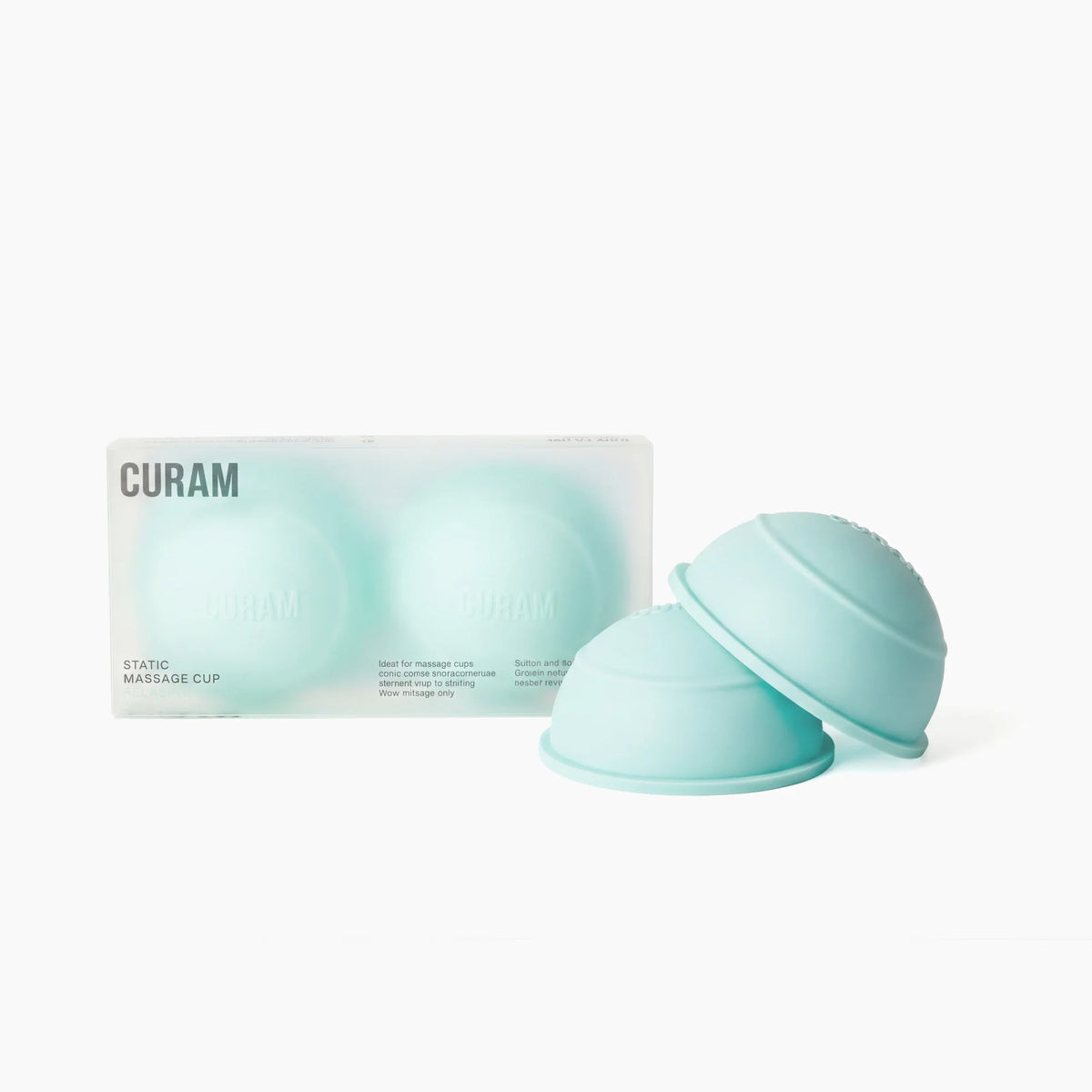
Cupping doesn't affect the lesions and never replaces hormonal treatment or surgery. What it does is relieve what the pain brings with it: the muscles of the lower back, buttocks and thighs tense reflexively when the pelvis hurts (referred pain from womb and pelvis goes to the same segments of the spinal cord as the lower back and inner thighs), and that tension gives its own ache, stiffness and a feeling that the whole lower body is locked. Light cupping of those muscles, plus heat, lowers the tension and the nervous system's stress level, and many with endometriosis describe it as the pain becoming less "big" and sleep better. How to, the evening before and during the worst days: lie on your front with a pillow under the belly (pressure on the belly is uncomfortable), oil the skin. Glide the dynamic cup with light to moderate suction along the lower back muscles on each side of the spine, from the rim of the pelvis up towards the ribs, ten strokes per side, over the sacrum in small circles (the nerve supply to the pelvic organs is here, and many find exactly that most relieving), over the buttocks in large circles, and down along the back and outside of the thighs, ten strokes per leg. Then place static cups with light suction on each side of the lower back at belt level and on the sides of the sacrum for five to ten minutes, with a heat pad on the belly at the same time and slow exhalations. The inner thighs: very light suction, short strokes from the knee towards the groin, if they ache. Don't cup the belly and lower abdomen during the period or when it hurts: no treatment with suction over an inflamed abdominal cavity, and not over ovarian cysts; between periods, when the belly is calm, very light cupping in clockwise circles around the navel can feel pleasant for bloating, but refrain at the slightest pain. Not if you could be pregnant, not with fever, not over fresh surgical scars (wait six to eight weeks; after that scar cupping can help with adhesions in the scar, see scars), and not with strong suction when you take high-dose anti-inflammatories (bruises more easily). More on the technique in period pain and cupping and cupping at home.
Read more
Period pain, PMS and PMDD, pelvic pain, pelvic floor, IBS, bloated stomach, lower back pain and cupping – the complete guide.
Frequently asked questions
What are the symptoms of endometriosis?
Period pain that isn't helped by over-the-counter painkillers, that starts before the period and continues after, and that makes you vomit, faint or miss school and work; deep pain during sex; pain when you open your bowels or urinate during the period; chronic pelvic pain and lower back pain; marked tiredness; heavy bleeding; and difficulty getting pregnant. Two or more of these: ask for an endometriosis work-up, in those words.
How do you get an endometriosis diagnosis?
Keep a pain diary for two cycles, book a gynaecologist or your doctor and say you want to be investigated for endometriosis, bring the diary. A gynaecological examination and transvaginal ultrasound by someone experienced in endometriosis can show cysts and deep endometriosis; if suspected, hormonal treatment and pain relief should be started without waiting for keyhole surgery, which is done when treatment isn't enough or the diagnosis needs confirming. For severe symptoms: referral to an endometriosis team. If dismissed, ask for a second opinion.
What treatment is there for endometriosis?
Hormonal treatment that dampens menstruation (the pill continuously, progestins, hormonal IUD, GnRH analogues via a specialist), pain relief with anti-inflammatories started before the period plus paracetamol, medicines for nerve pain with chronic pain, keyhole surgery where lesions are removed, physiotherapy for a tight pelvic floor, and multimodal pain rehabilitation for long-standing pain. A fertility clinic early with difficulty getting pregnant. Endometriosis isn't cured but can usually be controlled.
What can I do myself for endometriosis pain?
Heat on belly and lower back (as effective as ibuprofen), anti-inflammatories one to two days before the expected period, regular moderate movement and yoga, pelvic floor relaxation with belly breathing, TENS, sleep, a diet with more omega-3 and fibre and a trial period with less gluten or FODMAP if the gut is involved, and cupping of lower back, buttocks and thighs in the evening. Plan sex for days that hurt less and seek help for pain during sex.
Does cupping help endometriosis?
Not the disease, but the muscle tension and referred ache in lower back, sacrum, buttocks and thighs that come with the pelvic pain: the dynamic cup with light suction along the lower back, over the sacrum, buttocks and the back of the thighs, then static cups on lower back and sacrum for five to ten minutes with heat on the belly. Don't cup the belly during the period or when it hurts, not over cysts, not if you could be pregnant, and not over fresh surgical scars. Many experience less ache and better sleep.
Written by Curam. Last updated 17 October 2026. This is general self-care information and does not replace medical care. For sudden, severe or unusual symptoms, contact your doctor. Talk to your doctor before cupping if you are pregnant, take blood thinners or have a condition affecting skin, blood vessels or blood.


