


PMS is physical and psychological symptoms that recur in the luteal phase, the time between ovulation and the period, and that disappear within a few days of the period starting, followed by at least one symptom-free week. It is the timing that defines PMS, not the symptoms themselves: the same swelling, low mood or headache present all month is something else. The cause is not a hormone disorder, hormone levels in those with PMS are normal, but a sensitivity in the brain to progesterone's breakdown product allopregnanolone, which acts on the same GABA system as sedative medicines, and to the fall in oestrogen, which affects serotonin. In most it gives moderate symptoms for three to seven days. In three to eight per cent it gives PMDD: such severe low mood, irritability, anxiety or mood swings that daily life doesn't work, often with the feeling of losing control, for up to two weeks every cycle. PMDD is a diagnosis in its own right, heritability is high, the risk increases after trauma and with other mental ill-health, and it is underdiagnosed because many are told that "everyone has PMS". Both PMS and PMDD often worsen in perimenopause, when the hormone swings become larger, and disappear after menopause. And unlike how it feels, both can be treated.
The symptoms, and how to tell PMS from PMDD
| PMS | PMDD | |
|---|---|---|
| Body | Swelling in belly, breasts, hands and feet; tender breasts; bloating; headache or migraine; pain in lower back and thighs; tiredness; sugar cravings and increased appetite; sleep problems; acne; joint pain | The same, but the body symptoms are not what defines the diagnosis |
| Mood | Irritability, low mood, tearfulness, worry, difficulty concentrating; moderate, you function | At least one of: severe low mood or hopelessness, marked anxiety or tension, sudden mood swings, anger and conflicts you don't recognise yourself in; plus at least four more of the symptoms above; difficulty functioning at work, in relationships, in daily life |
| When | 3–7 days before the period, gone within 1–3 days of it starting | Up to 14 days before the period, gone within a few days of it starting, at least one symptom-free week |
| Prevalence | Three in four to some degree, one in four so that it interferes | 3–8 per cent |
| Treatment | Lifestyle, calcium, movement, cupping and lymphatic massage, if needed the pill or an SSRI on those days | SSRI (often only in the luteal phase), CBT, the pill with drospirenone, in severe cases hormonal treatment via a specialist |
What is not PMS: symptoms present all cycle that only worsen before the period (premenstrual exacerbation of depression, anxiety, migraine, IBS, asthma); low mood without a symptom-free week (depression); tiredness, weight gain and feeling cold all month (thyroid); severe period pain that starts before the period and lingers (endometriosis); mood swings with irregular periods after 40 (perimenopause, which often worsens PMS). That is why the calendar is decisive.
The symptom calendar: two cycles that give the answer
The diagnosis of PMS and PMDD is not made with tests but with a daily symptom rating over at least two cycles. Write every evening, in an app or on paper: day of the cycle, the three to five symptoms that bother you most (for example irritability, low mood, swelling, breast tenderness, headache) rated 0–3, and whether you could function as usual. After two months you see the pattern: a peak in the week before the period and clear relief within a few days of it starting means PMS or PMDD; symptoms all month mean something else needs treating first. Bring the calendar to your doctor or gynaecologist: it makes the difference between being believed and being dismissed.
What helps, according to research
- Regular exercise all cycle: 30 minutes of pulse-raising movement three to five days a week reduces both body symptoms and mood symptoms in studies, more than most other things you can do yourself. Walking counts.
- Sleep: seven to nine hours, regular times; sleep deprivation in the luteal phase multiplies irritability. See sleep problems.
- Calcium 1,000–1,200 mg a day (diet plus supplement) has the best support of all supplements for PMS, with reduced swelling, ache and low mood after two to three cycles. B6 in moderate dose (max 50 mg) and magnesium have weaker support; the pattern is that they help some, not all.
- Diet on those days: less salt (the swelling), less alcohol (mood and sleep), less caffeine (breast tenderness and anxiety), regular meals with wholegrains and protein against the cravings and blood sugar dips, more water.
- CBT focused on PMS and PMDD reduces mood symptoms as much as medicines in several studies, with a lasting effect.
- SSRIs (sertraline, fluoxetine, escitalopram) are first-line treatment for PMDD and severe PMS, and work here within days, not weeks, so it is often enough to take them from ovulation to the period. Discuss with a doctor.
- The pill with drospirenone, or continuous use without a break, helps some by evening out the hormone swings; in others the mood worsens. Try three cycles.
- For severe PMDD that doesn't respond: GnRH analogues or other hormonal treatment via a gynaecologist.
- No or weak effect: vitex/chasteberry (mixed results, can be tried for three cycles), evening primrose oil (no effect on breast tenderness in controlled studies), diuretics (only for marked swelling, via a doctor), "hormone-balancing" supplements.
The seven days: a routine that reduces swelling, ache and tension
The body symptoms are largely due to progesterone and oestrogen making the body retain fluid and salt, prostaglandins increasing before the period (back pain, thigh pain, headache) and muscle tension in lower back, buttocks, neck and jaw rising with the stress. That can be influenced the same day. Morning: a glass of water, ten minutes of walking or light movement, fist and pump movements with hands and feet if they are swollen. Day: less salt, pause caffeine after lunch, stand up every half hour. Evening: a hot shower or heat pad on lower back and belly for 15 minutes, then lymphatic massage and cupping as below, then bed at the same time. For headache: see headache; for bloating: bloated stomach; for swollen hands: swollen hands.
Lymphatic massage and cupping the week before your period
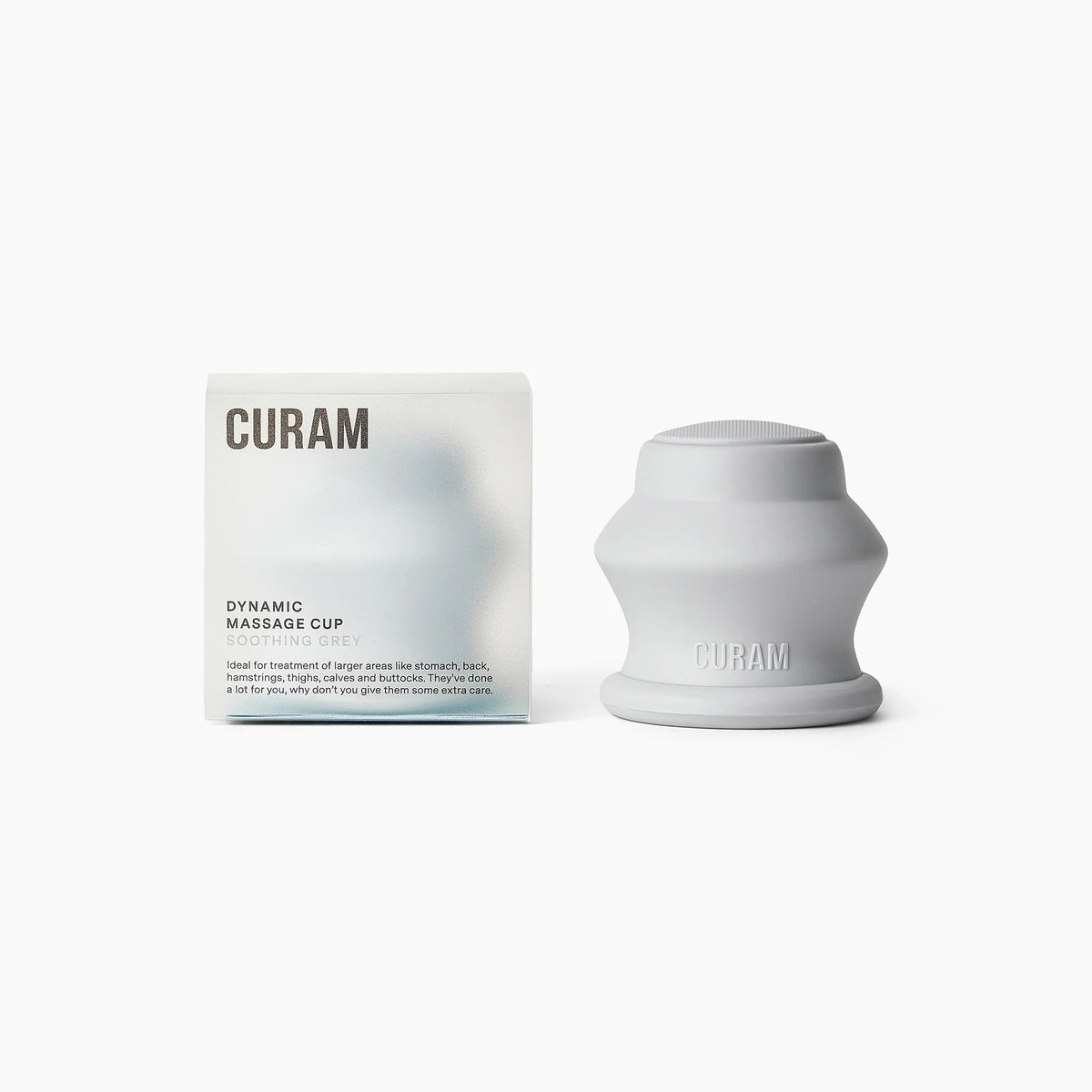
Lymphatic massage moves the fluid the hormones hold on to back into the circulation so the kidneys can get rid of it, and cupping with light suction does the same over a larger area while releasing the muscles that tense up. How to, in the evening, ten minutes: lie on your back, oil the skin. Start by pressing gently in the groins and armpits ten times (the lymph nodes that will receive). Glide the dynamic cup with light suction from the knees up towards the groins on the front and inside of the thighs, ten strokes per leg, and over the belly in slow clockwise circles around the navel, three minutes, without pressing: the lower belly is tender on these days, and it should feel pleasant, not like treatment. For breast tenderness: do not cup the breasts; instead stroke with the palm from the outside of the breast towards the armpit ten times per side, very lightly, and from the collarbone down towards the armpit. Then turn onto your front: the dynamic cup with moderate suction along the lower back muscles on each side of the spine, from the pelvis up towards the ribs, ten strokes, and over the buttocks in circles; finish with static cups with light suction on the lower back for five minutes while you breathe out slowly. That reduces the back pain, thigh ache and general tension, and many fall asleep more easily. Neck and jaw if tension headache is part of the picture: see tension headache. Continue on the first period days with the focus on lower back and buttocks; see period pain. Don't cup the belly if you could be pregnant, not with fever or acute abdominal pain, not with strong suction anywhere on these days (the skin bruises more easily in the luteal phase), and the face only with the lightest suction if the skin is unsettled. The full technique in lymphatic massage at home.
When to seek care
When the mood symptoms before your period mean you can't function at work or at home, when you have thoughts of harming yourself or that life isn't worth living (seek urgent help, the PMDD days are a known risk period), when the symptoms don't disappear after the period, when periods have become irregular or heavier, when the swelling is severe or one-sided, or when self-care over three cycles isn't enough. Your doctor or gynaecologist, with your calendar. PMS and PMDD are real, common and treatable.
Read more
Period pain, menopause, fluid retention in the body, lymphatic massage at home, stress, anxiety in the body, hormonal acne and cupping – the complete guide.
Frequently asked questions
What are the symptoms of PMS?
Swelling in belly, breasts, hands and feet, tender breasts, bloating, headache, pain in lower back and thighs, tiredness, sugar cravings, sleep problems and acne in the body; irritability, low mood, tearfulness, worry and difficulty concentrating in the mood. What makes it PMS is the timing: the symptoms come three to seven days before the period, disappear within a few days of it starting, and are followed by at least one symptom-free week.
What is the difference between PMS and PMDD?
The degree of mood symptoms and how they affect life. In PMDD the low mood, anxiety, anger or mood swings are so severe that work, relationships and daily life don't function for up to two weeks every cycle, often with the feeling of losing control. PMDD affects three to eight per cent, is a diagnosis in its own right and is treated first with SSRIs (often only in the luteal phase), CBT or the pill with drospirenone. The diagnosis is made with a symptom calendar over two cycles.
Why do you get PMS?
Not from too much or too little hormone, the levels are normal, but from an unusually strong sensitivity in the brain to the normal fluctuations after ovulation: progesterone's breakdown product acts on the brain's calming GABA system and the fall in oestrogen affects serotonin. Heritability is high, stress, sleep deprivation and trauma increase the sensitivity, and perimenopause often worsens it because the swings become larger.
What helps PMS?
Regular exercise all cycle, sleep, calcium 1,000–1,200 mg a day, less salt, alcohol and caffeine on those days, regular meals, CBT, and if needed an SSRI from ovulation to the period or the pill with drospirenone. For the body symptoms: heat, lymphatic massage and light cupping of thighs, belly, lower back and buttocks in the evening. Keep a calendar for two cycles and bring it to your doctor. Evening primrose oil and "hormone-balancing" supplements have no support.
Do cupping and lymphatic massage help PMS swelling?
Yes, for swelling, back pain, thigh ache and muscle tension on those days: light cupping from the knees towards the groins, slow clockwise circles over the belly, strokes along the lower back muscles and over the buttocks, and static cups on the lower back for five minutes, ten minutes in the evening. Don't cup the breasts (stroke lightly towards the armpit instead), not the belly if you could be pregnant, and never with strong suction in the luteal phase when the skin bruises more easily. For the mood symptoms you need exercise, sleep, CBT and if needed medicines.
Related guides
Written by Curam. Last updated 17 October 2026. This is general self-care information and does not replace medical care. For sudden, severe or unusual symptoms, contact your doctor. Talk to your doctor before cupping if you are pregnant, take blood thinners or have a condition affecting skin, blood vessels or blood.


