


A spot forms in a hair follicle: sebum and dead skin cells block the opening, the bacterium Cutibacterium acnes, which everyone has, multiplies in the oxygen-poor environment, and the immune system responds with inflammation. In teenagers the sex hormones drive sebum production; in adults it is more often fluctuations in hormones (before a period, when stopping the pill, after pregnancy, in perimenopause), stress (cortisol increases sebum and inflammation; that is why the spots come the week before a deadline), skincare that clogs (heavy creams, oils with coconut, hair products that run down, too many actives that destroy the barrier so the skin overcompensates with sebum), friction and occlusion (face masks, the phone against the cheek, the bike helmet strap, pillowcases that aren't changed, hands on the face), shaving (razor bumps and ingrown hairs in men and sometimes women), diet with a high glycaemic index and large amounts of milk and whey protein (moderate effect but real in some), medicines (cortisone, some progestin-only contraceptives, lithium, high-dose B12, anabolic steroids) and PCOS (polycystic ovary syndrome: acne with irregular periods, increased hair growth and weight gain, should be investigated). Adult acne typically sits on the jawline, chin and neck (the "hormonal triangle"), is often deeper and more tender than teenage acne, with fewer blackheads, and leaves marks more easily because the skin heals more slowly. It is not caused by poor hygiene, and it doesn't get better by being washed away: over-cleansing is one of the most common aggravators.
Types of spots and what they mean
| Type | What it looks like | What is happening | What helps best |
|---|---|---|---|
| Blackhead (open comedone) | Black dot in a widened pore, no inflammation | Sebum plug oxidised by air (not dirt) | Salicylic acid (BHA), retinoid, don't squeeze |
| Whitehead (closed comedone) | Skin-coloured small bump under the skin | Blocked pore below the surface; often becomes a spot | Retinoid, BHA, azelaic acid; never squeeze (it won't work) |
| Papule | Red, tender bump without pus | Inflammation has started | Benzoyl peroxide, azelaic acid, spot treatment, leave alone |
| Pustule | Red bump with a white pus-filled top | Inflammation with pus | Benzoyl peroxide; usually drains itself within a day; warm compress |
| Nodule / cyst | Large, deep, hard or fluid-filled tender lump that lasts weeks | Deep inflammation, risk of scarring | Doctor: cortisone injection, tablets; never squeeze |
| Razor bumps / ingrown hairs | Small red bumps and pustules where you shave | Hairs growing inwards, irritation | Shave with the grain, sharp blade, BHA, let the beard grow a few days |
| Fungal "acne" (malassezia) | Many small, uniform, itchy bumps on forehead, chest, back | Yeast in the follicles, worse with sweat and antibiotics | Antifungal shampoo as a mask (ketoconazole), not acne products |
| Rosacea | Red bumps on flushing skin in the centre of the face, no blackheads | A vascular and inflammatory disease, not acne | See rosacea |
What actually helps
Over the counter, in order of evidence
- Benzoyl peroxide 2.5–5% in the evening (higher strength gives no more effect, only more irritation): kills the bacterium without resistance, best against red spots. Bleaches fabrics; white towel and pillowcase.
- Adapalene 0.1% (over-the-counter retinoid): normalises the skin's shedding so the pores don't clog, best against blackheads and for prevention. Start every other evening, a pea-sized amount over the whole face (not spot-wise), four to twelve weeks before effect, the first weeks can get worse. Not in pregnancy.
- Azelaic acid 10–20%: anti-inflammatory, antibacterial, fades marks, tolerated by sensitive skin and fine in pregnancy. The best choice for adult, sensitive acne with pigment marks.
- Salicylic acid (BHA) 0.5–2% as a toner or cleanser: dissolves sebum in the pores, for blackheads and an oily T-zone.
- Niacinamide 4–5%: reduces sebum and redness, strengthens the barrier; a good complement.
- Spot treatment: a hydrocolloid patch over the night's pustule draws out pus and stops you picking; benzoyl peroxide on individual papules.
On prescription, via your doctor or a dermatologist
Combination creams (adapalene + benzoyl peroxide, clindamycin + benzoyl peroxide), tretinoin, tetracycline tablets for three months (always together with benzoyl peroxide to avoid resistance), combined contraceptive pills with an anti-androgenic progestin for women with hormonal acne, low-dose spironolactone (increasingly used for adult acne in women, via a dermatologist), and isotretinoin for severe, scarring or treatment-resistant acne, which cures most but requires follow-up and reliable contraception. Seek care when you have nodules and cysts, scars starting to form, acne that affects your wellbeing, no effect from over-the-counter products in twelve weeks, or signs of PCOS.
What makes spots worse
- Squeezing, picking and poking: pushes the inflammation deeper, causes scars and pigment marks that last for months. A pustule with a clear white top can be drained carefully with two cotton buds after a shower; everything else is left alone.
- Over-cleansing and scrubs: washing more than twice a day, alcohol toners and physical scrubs damage the barrier and increase sebum.
- Too many actives at once: retinoid, acids, vitamin C and benzoyl peroxide all together give a burnt, red, flaking skin that gets more spots, not fewer.
- Clogging products: heavy creams, coconut oil, cocoa butter, lanolin, hair oil and wax that reach the forehead. Look for "non-comedogenic" and test for two weeks.
- Friction and dirt against the skin: the phone (wipe it), the pillowcase (change twice a week), face masks (change often, skip make-up underneath), helmet straps, the hand under the chin.
- Sleep deprivation and stress: cortisol drives sebum and inflammation; see stress.
- Diet: in some: fast carbohydrates, large amounts of milk (especially skimmed) and whey protein. Try four weeks without; chocolate and fat in themselves are not the culprit.
- Stopping too early: all acne treatment takes eight to twelve weeks, and it often gets worse in the first two to four weeks with retinoids. Hold on, and continue with maintenance once it is good.
A routine for adult acne
- Morning: mild cleanser (or just water), niacinamide or azelaic acid serum, light gel cream, oil-free sunscreen SPF 30–50 (the sun doesn't clear acne, it darkens the pigment marks and thickens the skin so more pores clog).
- Evening: mild cleanser (double cleanse only if you have worn make-up or sunscreen), adapalene or azelaic acid over the whole affected area, light moisturiser with ceramides, benzoyl peroxide spot-wise on red spots or every other evening over the whole area if you can't tolerate adapalene the same evening.
- Once or twice a week: BHA toner on the T-zone instead of the retinoid. No scrub.
- Men: shave after a shower with a sharp blade in the direction of the hair, alcohol-free shaving gel, BHA or azelaic acid afterwards, let the beard rest two days a week; see skincare for men.
- Change the pillowcase twice a week, wipe the phone daily, keep hands off the face, and give the routine twelve weeks.
Face oil with acne: light oils such as squalane, jojoba or hemp seed oil don't clog and can calm a dry, treated skin; coconut, wheatgerm and cocoa butter should be avoided. See face oil.
Avoid scars and pigment marks
Red and brown marks after spots (post-inflammatory erythema and hyperpigmentation) are not scars and fade in three to twelve months, faster with daily sunscreen, azelaic acid, niacinamide and a retinoid. Real scars, pits and raised scars, form when the inflammation has reached deep, most often after squeezing or untreated cysts, and they don't disappear with creams: then it is microneedling, laser or fillers at a dermatologist, once the acne is calm. The best way to avoid scars is to treat the acne early and powerfully enough, and not to squeeze. More on scars in scars and scar tissue.
Face cupping with spots and acne: when it is okay and when it should wait
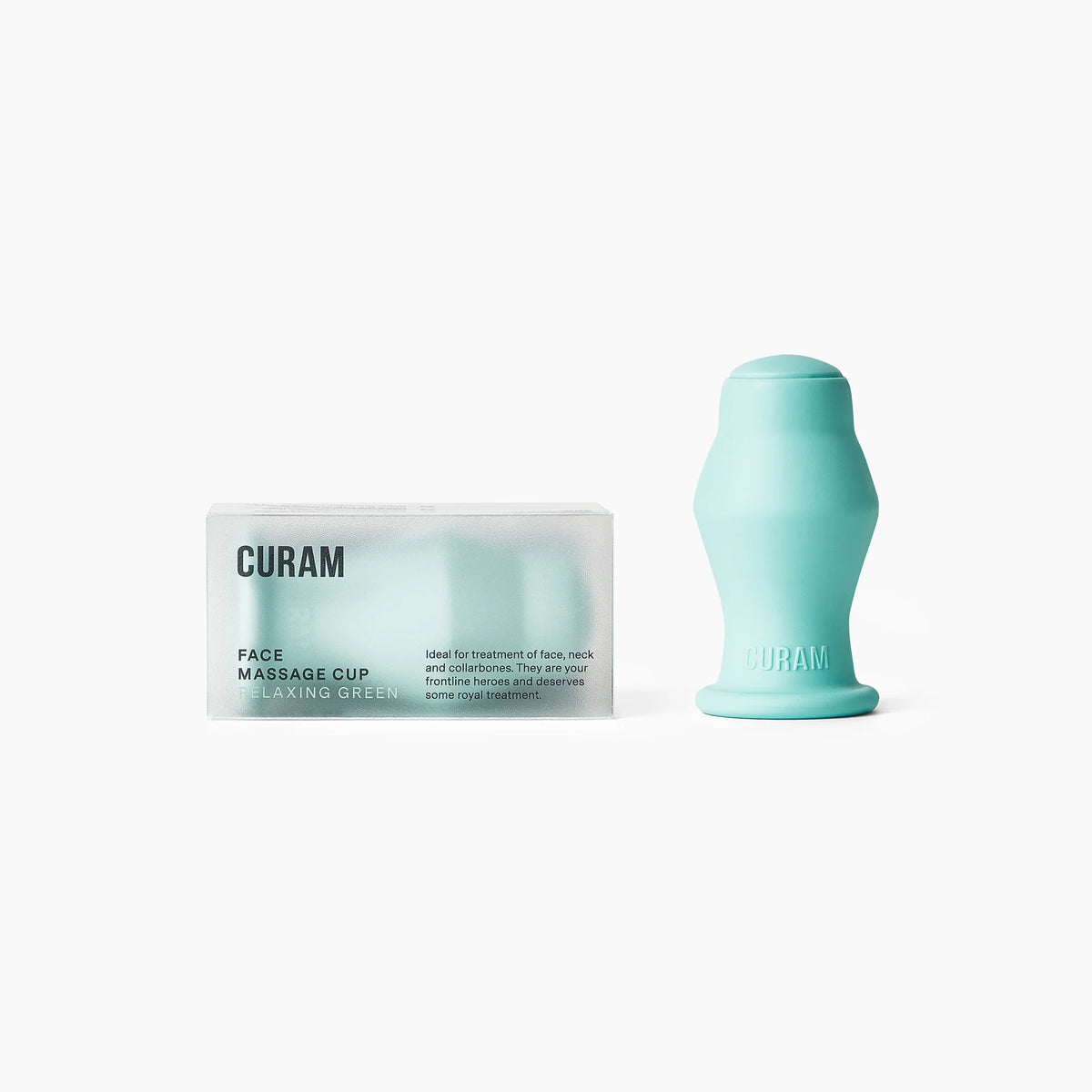
Face cupping increases blood flow and lymph flow in the skin and releases tension in the jaw and forehead, and many with sporadic spots use it without problems. But there are clear rules. Never cup over an active spot, pustule, cyst or broken skin: the suction can rupture it under the surface, spread bacteria and inflammation sideways and cause more spots and scars. Don't cup at all during an active breakout with many inflamed spots, with nodulocystic acne, during treatment with isotretinoin (the skin is fragile for months, wait six months after finishing the course), during the first weeks with a new retinoid when the skin flakes, or with razor bumps and ingrown hairs in the area. When the acne is calm, with occasional spots, you can cup around them: mild cleansing first, clean hands, a clean cup (wash the cup with soap and water before and after every use, and preferably keep one cup just for the face), a light oil such as squalane or jojoba instead of a heavy one, the lightest suction with the face cup, and strokes that steer away from the affected areas, never over them. Three to four times a week, briefly, and wash the face afterwards if you have used oil. What cupping can help with in adult acne is indirect: stress and jaw tension that go with hormonal acne along the jawline (see tight jaw), lymph congestion that makes the skin dull and puffy, and blood circulation in skin that heals slowly after spots, once they have healed. What it does not do is treat the acne: that is done by benzoyl peroxide, retinoids, azelaic acid and, if needed, the doctor. If the skin gets redder, more spots or stings the day after cupping: stop, and pick up the routine again when the acne is under control. The full technique in face cupping and the skincare in skincare routine.
Read more
Skincare routine, large pores, rosacea, skincare for men, face oil, scars, stress and face cupping.
Frequently asked questions
Why do I get spots as an adult?
Most often hormone fluctuations (before a period, after the pill, after pregnancy, perimenopause), stress and cortisol, skincare that clogs or damages the barrier, friction from phone, masks and pillowcases, shaving, a diet with fast carbohydrates and a lot of milk in some, certain medicines, and sometimes PCOS. Adult acne typically sits along the jawline and chin, is deeper and more tender, and leaves marks more easily. It is not due to poor hygiene.
What helps best against spots?
Over the counter: benzoyl peroxide 2.5–5% against red spots, adapalene (retinoid) against blackheads and for prevention, azelaic acid for sensitive skin, pregnancy and pigment marks, salicylic acid for an oily T-zone, niacinamide as a complement. Give it twelve weeks. If it doesn't help, or you have cysts and scars: your doctor or a dermatologist for combination cream, tablets, hormonal treatment or isotretinoin.
Should you squeeze spots?
No. Squeezing pushes the inflammation deeper, causes more spots around it and is the most common cause of scars and pigment marks. The exception: a pustule with a clear white top can be drained with light pressure from two cotton buds after a shower, then benzoyl peroxide or a hydrocolloid patch. Whiteheads, papules and cysts cannot be squeezed out; they are treated with a retinoid, azelaic acid or by a doctor.
How do I get rid of marks after spots?
Red and brown marks are not scars and fade in three to twelve months, faster with daily sunscreen, azelaic acid, niacinamide and a retinoid. Pits and raised scars don't fade with creams: then it is microneedling, laser or fillers at a dermatologist once the acne is calm. Best prevention: treat early and don't squeeze.
Can I do face cupping if I have spots?
With occasional spots and calm skin: yes, around them and never over them, with a clean cup, clean hands, a light oil and the lightest suction, strokes away from the affected areas. During a breakout, with cysts, isotretinoin treatment, flaking skin from a new retinoid or razor bumps: no, wait until the skin is calm. Cupping doesn't treat acne, but can help indirectly with jaw tension, lymph congestion and circulation in healed skin. If it is worse the day after: stop.
Related guides
Written by Curam. Last updated 17 October 2026. This is general self-care information and does not replace medical care. For sudden, severe or unusual symptoms, contact your doctor. Talk to your doctor before cupping if you are pregnant, take blood thinners or have a condition affecting skin, blood vessels or blood.


