


Rosacea is a chronic inflammation of the facial skin and its superficial blood vessels. The vessels react too easily and for too long to heat, sun, alcohol, spices and emotions, the skin's immune system is overactive, and the skin barrier is weakened, so the skin stings and burns from products others tolerate. The hair follicle mite Demodex, which everyone has, is present in greater numbers and contributes to the spots. Four types are distinguished, which often overlap: the redness type (persistent redness on cheeks, nose, chin and forehead with easily triggered flushing and visible small vessels), the papulopustular type (red bumps and pustules on reddened skin, but without blackheads, which separates it from acne), the thickening type (skin that becomes thick and lumpy, most often on the nose, rhinophyma, more common in men) and the ocular type (red, dry, stinging eyes, inflamed eyelid margins, styes, in about half of all with rosacea and sometimes before the skin symptoms). Rosacea usually begins between 30 and 50, is more common in women but more severe in men, and is more common in families and in fair-skinned people of Celtic or Nordic descent. It is not caused by alcohol or poor hygiene, it is not contagious, and it is not acne, even if it can look like it. It can be treated effectively, but that requires avoiding triggers, rebuilding the skin barrier and using the right medicine for the right type.
Symptoms: rosacea or something else?
| Rosacea | Acne | Seborrhoeic dermatitis | Sensitive skin / sun damage | |
|---|---|---|---|---|
| Where | Centre of the face: cheeks, nose, chin, forehead; spares the skin around the eyes | Whole face, back, chest | Sides of the nose, eyebrows, hairline, behind the ears | Varies |
| Redness | Persistent, flushes easily, visible vessels | Only around the spots | Pink-yellow with scales | Temporary, without vessels |
| Spots | Red bumps and pustules, no blackheads | Blackheads, spots, cysts | None | None |
| Feeling | Burns, stings, hot, dry and tight | Oily skin | Itches, flakes | Stings from products |
| Eyes | Often dry, red, stinging | No | Sometimes eyelid scales | No |
| Age | 30–60 | Teens–30 | All | All |
Sudden redness with fever, swelling, a butterfly rash over nose and cheeks that spares the nasolabial folds, joint pain or hair loss should be assessed by a doctor (lupus and other diseases can resemble rosacea). Redness with hot flushing attacks, palpitations and diarrhoea likewise.
Triggers: find yours
Not everyone with rosacea has the same triggers, and it pays to keep a diary for three weeks. The most common, in rough order: sun (the single biggest, even in winter and cloud), heat (warm rooms, sauna, hot showers, hairdryer, the stove), emotions and stress, alcohol (especially red wine), spicy food, hot drinks (the temperature, not the caffeine), wind and cold with rapid warming afterwards, hard exercise (the heat), skincare products with alcohol, fragrance, menthol, eucalyptus, witch hazel, strong acids, physical scrubs and retinoids in too high a dose, certain medicines (vasodilators; steroid cream on the face causes "steroid rosacea" and should never be used there for long), histamine-rich food (aged cheese, cured meats, tomato, chocolate) in some, and menopausal hot flushes. What you can't avoid (exercise, emotions) you can dampen: train cool and early, cool the face with cold water or a cold towel on the neck afterwards, and always carry a flask of cold water.
Treatment that has support
- The foundation for everyone: SPF 30–50 every day all year round, preferably mineral filters (zinc oxide, titanium dioxide) which irritate less; barrier-strengthening skincare (below); trigger control.
- Redness and flushing: brimonidine or oxymetazoline gel constricts the vessels for 8–12 hours (prescription; test on a small area first, some get rebound redness); vascular laser or IPL at a dermatologist is what lastingly removes visible vessels and reduces the background redness, usually two to four treatments; low-dose beta-blockers for severe flushing.
- Spots: ivermectin cream (acts on Demodex and the inflammation, best support), metronidazole gel or azelaic acid 15–20% (also available over the counter in lower strength); for moderate to severe forms tetracycline tablets in a low anti-inflammatory dose for two to three months; low-dose isotretinoin via a dermatologist for severe or treatment-resistant rosacea.
- Thickening (rhinophyma): isotretinoin early, laser or surgical shaving for established thickening.
- Eyes: eyelid hygiene twice a day (warm compress, clean the lid margins), artificial tears, omega-3, tetracycline if needed; see an eye doctor for light sensitivity, visual change or pain.
- What doesn't work: steroid cream (worsens after an initial improvement), acne treatment with high-strength benzoyl peroxide and strong acids (burns), scrubs and brushes, "detox" diets.
A skincare routine for rosacea
- Cleansing: morning and evening with a mild, fragrance-free, pH-balanced cleanser without sulphates, lukewarm (not hot) water, fingertips, pat dry with a towel. Never a cleansing brush, never micellar water left on, never double cleansing with oils containing essential oils.
- Treatment: the medicine you have been given (ivermectin or azelaic acid in the evening, a vasoconstrictor in the morning if needed). Niacinamide 4–5% is the over-the-counter active with the best support: reduces redness and strengthens the barrier.
- Moisture and barrier: a fragrance-free cream with ceramides, glycerin, squalane, panthenol, allantoin or centella; morning and evening. Thermal water spray in the fridge for flushes.
- Sun protection: mineral filter SPF 30–50 every morning, even indoors by windows, a hat and shade in summer.
- Introduce one new product at a time, test behind the ear for three days, wait two weeks before the next. Less is more: three to four products in total.
- Make-up: a green colour-correcting primer neutralises redness, mineral foundation is often best tolerated, remove it with mild cleansing, not rubbing.
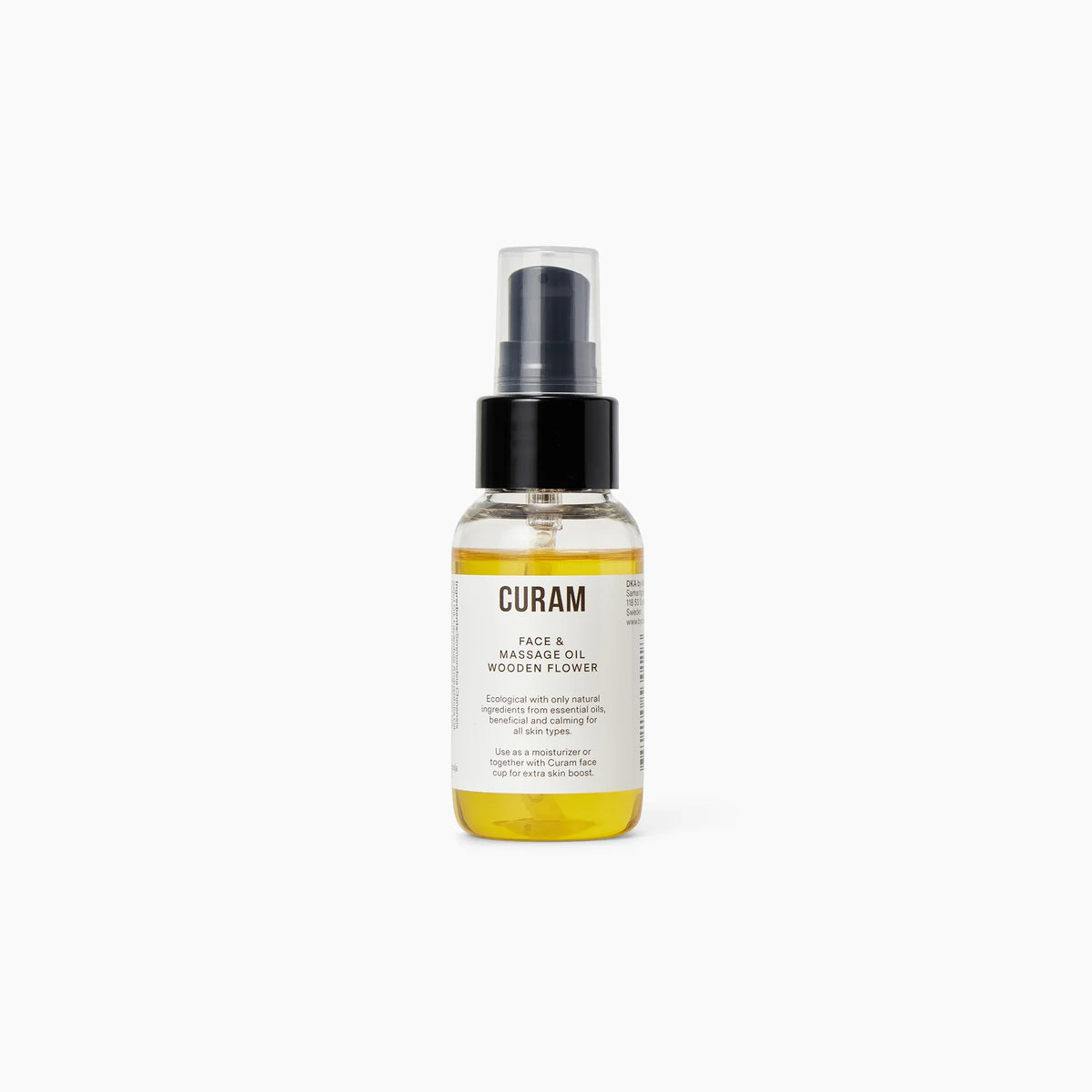
Face oils: pure squalane, jojoba or a calming oil without essential oils can work as barrier support in the evening for dry rosacea skin; see face oil. Always test on a small area first. Oils with fragrance, citrus, mint or cinnamon: no.
Face cupping, gua sha and massage with rosacea: honestly
We sell face cups, and we still say: with active rosacea you should not do face cupping on the affected areas. There are three reasons. Cupping deliberately increases blood flow, and rosacea is a disease where the vessels already dilate too easily and for too long: what gives others a healthy glow gives rosacea skin a flush that can last hours to days and, over time, more visible vessels. Cupping is friction and traction on the skin, and rosacea skin's barrier and nerves react to mechanical irritation with stinging and redness. And with the papulopustular type, suction over inflamed bumps can spread the inflammation and damage the skin. The same applies to gua sha, hard face rollers, cleansing brushes and vigorous facial massage. This is also in our list of when to avoid cupping. What can be okay, and what some with the mild redness type in a calm phase find soothing: very light manual lymphatic massage with the fingertips, cool skin, only strokes outwards and downwards towards the neck without the skin reddening, for a couple of minutes; cool cups (not warm) with the lightest conceivable suction only on the neck and jawline, never on cheeks, nose, forehead or chin; and using the cup on the body instead of the face, since rosacea only sits in the face. If so, test on a small area, evaluate the next day, and stop immediately if the skin flushes more than usual. If you have spots, swelling, open skin or ongoing treatment with laser, isotretinoin or strong medicines: no cupping or massage on the face at all. For those who want lymphatic drainage of the face, light manual lymphatic massage with cool hands is the alternative, and for redness that bothers you, vascular laser at a dermatologist is the treatment that actually makes a difference. An honest guide is worth more than a sold cup.
Read more
When to avoid cupping, skincare routine, face oil, lymphatic massage for the face, stress, menopause, skincare for men and face cupping (for those without rosacea).
Frequently asked questions
How do I know if I have rosacea?
Persistent redness in the centre of the face (cheeks, nose, chin, forehead) that flares with heat, sun, alcohol, spices or emotions, often with visible small vessels, a skin that burns and stings from ordinary products, and sometimes red bumps and pustules without blackheads. Half also have dry, red, stinging eyes. Onset usually between 30 and 50. Acne has blackheads and also sits on back and chest; eczema flakes and itches. Unsure: a dermatologist or your doctor, the diagnosis is made on appearance.
What triggers rosacea?
Sun is the biggest, then heat (warm rooms, sauna, hot showers, hairdryer), stress and emotions, alcohol (especially red wine), spicy food, hot drinks, wind and cold, hard exercise, skincare with alcohol, fragrance, menthol, strong acids and scrubs, steroid cream on the face, and in some histamine-rich food. Keep a diary for three weeks: not everyone has the same triggers, and the ones you can avoid make a big difference.
Which treatment helps rosacea?
SPF and trigger control for everyone. For spots: ivermectin cream, metronidazole or azelaic acid, for more severe forms low-dose tetracycline or isotretinoin via a dermatologist. For redness and vessels: vasoconstricting gel for the day, vascular laser or IPL for a lasting effect. For eye symptoms: eyelid hygiene and artificial tears. Over the counter with the best support: niacinamide, low-strength azelaic acid, barrier-strengthening cream. Steroid cream worsens it and should be avoided.
Which skincare should I use with rosacea?
A mild fragrance-free cleanser with lukewarm water, one treatment step (your medicine or niacinamide), a barrier cream with ceramides, glycerin, squalane or panthenol, and mineral sunscreen SPF 30–50 every morning. Three to four products, one new at a time, tested behind the ear. Avoid alcohol, fragrance, menthol, witch hazel, strong acids, scrubs, brushes and hot water.
Can I do face cupping if I have rosacea?
Not on the affected areas with active rosacea: cupping increases blood flow and irritates the skin mechanically, which is exactly what rosacea skin can't tolerate, and can cause flushing and over time more visible vessels. The same applies to gua sha and vigorous massage. With mild rosacea in a calm phase, light manual lymphatic massage with cool fingertips can work, and cool cups with the lightest suction only on the neck; test on a small area and stop if the skin flushes. With spots, swelling or ongoing laser or drug treatment: no cupping on the face at all.
Related guides
- Pigment spots and melasma – causes and what helps
- Eczema in adults – types, what helps and cupping
- Psoriasis – symptoms, treatment and cupping
Written by Curam. Last updated 17 October 2026. This is general self-care information and does not replace medical care. For sudden, severe or unusual symptoms, contact your doctor. Talk to your doctor before cupping if you are pregnant, take blood thinners or have a condition affecting skin, blood vessels or blood.


