


Foot massage is simple, cheap and unusually effective for wellbeing: each foot has over 7,000 nerve endings, 26 bones and over 100 muscles and tendons that carry the body through thousands of steps a day, and ten minutes of massage increases circulation, softens the fascia of the arch, reduces swelling in the ankles and gets the whole nervous system to wind down in a way few other body parts do. Reflexology is foot massage according to a map where points on the foot are said to correspond to organs and body parts; research shows that reflexology is relaxing and pain-relieving in the moment, on a par with other calm massage, but gives no support for the points actually corresponding to organs, for diagnosing or for treating diseases. That doesn't make reflexology worthless: it is a structured, thorough foot massage that many feel very good from. Here you get both the ordinary foot massage and the reflexology techniques, for yourself and for someone else, with cupping of the sole and calf as an addition for tired feet, heel spur and swelling.
What foot massage does, and what it doesn't
| Has evidence | Doesn't have evidence |
|---|---|
| Relaxation and reduced stress: lower pulse, lower blood pressure during and after, better sleep the same night in several studies (in hospital patients, older people, pregnant women) | That points on the foot correspond to specific organs (liver, kidneys, bowel) and that pressure there affects the organ |
| Reduced perceived pain and anxiety during the treatment, including after surgery and during cancer treatment as a complement | That reflexology can diagnose through tender points; tenderness comes from the foot's own structures, shoes and loading |
| Reduced swelling in feet and ankles, especially in pregnancy and sedentary people, when the massage is done toward the heart | That it cures diseases, "clears toxins" or replaces medical treatment |
| A softer arch and Achilles, less morning stiffness with plantar fasciitis and tired feet | Clear differences between "real" reflexology and ordinary calm foot massage; the effects seem to come from the touch and the relaxation |
| Better balance and sensation in the feet in older people, with regular massage and movement |
The conclusion is practical: give and receive foot massage for relaxation, circulation and tired feet, by all means follow reflexology's systematic approach so no part of the foot is missed, but don't let anyone diagnose you through the sole.
Before you start
- Abstain with wounds, fungus or infection on the foot, a suspected blood clot in the leg (swollen, warm, tender calf), an acute injury (fracture, severe sprain), gout in an acute flare (don't massage a red, hot joint), and with diabetes with reduced sensation in the feet only very lightly and after checking the foot for wounds. Pregnant: light pressure, avoid firm pressure on the inside of the ankle and the Achilles in the first trimester if you are unsure, ask your midwife.
- Preparation: wash the feet, ideally a warm foot bath for five minutes (heat softens the tissue), a towel under the foot, a mild massage oil or foot cream.
- Pressure: firm but pleasant; the sole tolerates more than the top of the foot. Avoid pressing directly on bony prominences and on the inside of the ankle where vessels and nerves run.
Foot massage on yourself: 10 minutes
- Warm up (1 min): sit with one foot over the opposite knee. Rub the whole foot between the hands, bend and stretch the toes, circle the ankle both ways ten times.
- The sole with the thumbs (2 min): press with both thumbs from the heel toward the toes in three paths (inside, middle, outside), slowly, and pause 5 seconds on tender points. This is the fascia of the arch; with heel spur extra slowly near the heel.
- The knuckles (1 min): make a fist and roll the knuckles over the sole from heel to ball with firm pressure, 10 strokes.
- The ball and the toes (2 min): press and circle with the thumb under the base of each toe, then pull each toe lightly and twist gently; massage between the metatarsals from the top with the thumb (good for Morton's neuroma and forefoot pain).
- The heel and the Achilles (1 min): squeeze the heel from the sides, circle around the heel bone, and pinch the Achilles between thumb and index finger from the heel up toward the calf.
- The top of the foot and the ankle (1 min): stroke with the fingers from the toes toward the ankle between the tendons, light pressure (the top of the foot is sensitive), and circle around the ankle bones; draws swelling upward.
- The calf (1 min): knead the calf from the Achilles up toward the back of the knee; tired feet often start in the calf. See calf cramps.
- Finish (1 min): long strokes from the toes over the top of the foot and up along the lower leg, and a few seconds of stillness with the hand around the foot. Switch feet.
With a ball: roll a tennis ball or massage ball under the sole standing, 1–2 minutes per foot, with as much weight as you like; a chilled bottle for heel spur. More in massage ball or cupping.
Foot massage on someone else: reflexology's systematic approach
Have the person lie or half-sit with the feet in your lap on a towel. Always start by warming the whole foot, then work systematically through it so no area is missed, and finish with calm strokes. The reflexology map can be used as a working order without believing in the organ connection:
- The toes ("head and neck" on the map): press and small circles on each toe, pull lightly, massage the base of the toes; many with a tense neck find this the most pleasant.
- The ball ("chest"): thumb pressure across in rows, from outside to inside.
- The arch ("stomach and bowel"): slow, deep thumb circles over the whole arch, anticlockwise and clockwise, the area most often tender from loading.
- The heel ("pelvis and lower back"): firm pressure and circles, squeeze from the sides.
- The inside of the foot ("the spine"): thumb strokes along the inner edge of the foot from the big toe to the heel, several times; pleasant strokes for most.
- The outside and the top ("shoulder, hip, lymph"): light strokes between the tendons toward the ankle and around the ankle bones.
- Finish: hold the foot between the hands, strokes all the way up the lower leg, cover the foot with a towel and do the other foot. 15–20 minutes per foot is a full treatment; 5–10 is enough for relaxation.
Ask about the pressure, avoid tickling (firmer pressure tickles less than light), and explain that tender points are common and say nothing about the organs.
Cupping the sole and calf: tired feet, heel spur and swelling
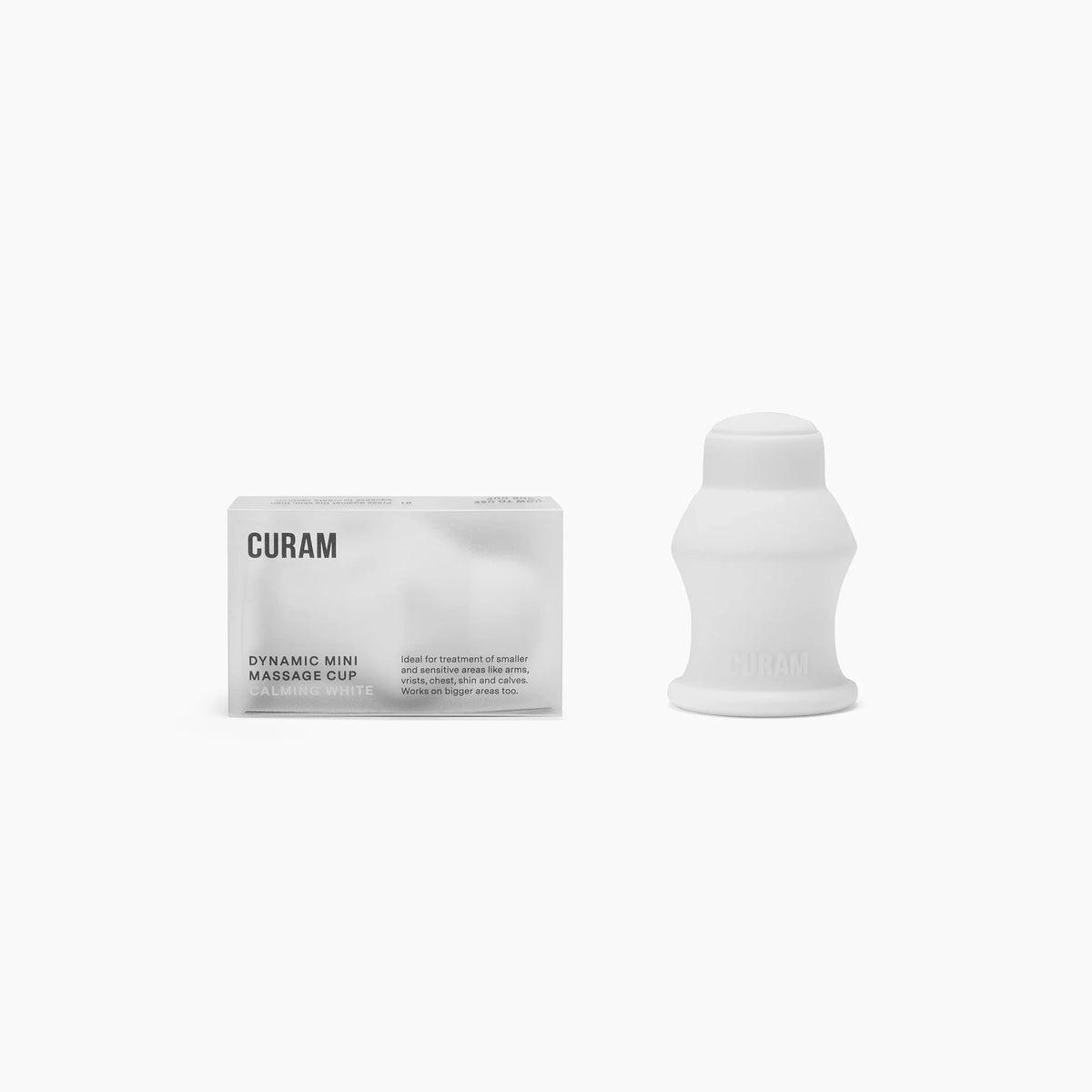
The cup reaches what the thumbs tire of: the fascia of the arch and the calf muscles, which together decide how the feet feel. Light suction on the sole lifts and softens the plantar fascia, dynamic cupping of the calf increases circulation and reduces the tension that pulls on the Achilles, and strokes toward the back of the knee drain swollen ankles. Three times a week, after a foot bath or shower.
- The sole: the small dynamic cup with oil, light to medium suction, slow strokes from the heel toward the toes along the arch, 1–2 minutes per foot; pause and rock gently on tender points. Not on the top of the foot (thin skin, visible vessels) and not over the toe joints.
- The heel and the Achilles: short strokes around the edges of the heel bone and either side of the Achilles up toward the calf, 30 seconds; not on the tendon attachment itself with acute heel spur.
- The calf: the dynamic cup, strokes from the Achilles up toward the back of the knee, 2 minutes per leg; with swollen feet on the lowest suction and always toward the back of the knee and on toward the groin (swollen legs and feet, lymphatic massage at home).
- Finish with calf raises and ankle circles; for heel spur and plantar fasciitis follow the programme in heel spur and plantar fasciitis and the cupping programme for the feet.
Don't cup over wounds, fungus, varicose veins on the lower leg, with a suspected blood clot, with diabetes with reduced sensation, or if you take blood thinners without having asked your doctor; more situations in when to avoid cupping.
Frequently asked questions
How do you give a good foot massage?
Warm the foot in the hands, then work systematically: thumbs along the sole from heel to toes in three paths, knuckles over the arch, pressure and circles under the toes, squeeze the heel and Achilles, light strokes over the top of the foot toward the ankle, knead the calf, and finish with long strokes upward. Firm but pleasant pressure, oil or cream, 10 minutes per foot.
Does reflexology work?
As relaxing, pain-relieving foot massage: yes, with evidence for lower stress, better sleep and less perceived pain in the moment. As a method where points on the foot correspond to organs, can diagnose or treat diseases: no, that lacks scientific support. Enjoy reflexology as a thorough foot massage, not as medicine.
Where are the zones on the foot?
On the reflexology map the toes correspond to head and neck, the ball to the chest, the arch to stomach and bowel, the heel to pelvis and lower back, the inside of the foot to the spine and the outside to shoulders and hips. The map is a good working order for massaging the whole foot, but there is no support for the zones actually affecting the organs.
Is foot massage good for swollen feet?
Yes, when it is done toward the heart: light strokes from the toes over the top of the foot toward the ankle, around the ankle bones and up along the calf toward the back of the knee, ideally with the legs raised, move fluid and clearly reduce swelling, especially in pregnancy and sedentary people. Swelling in only one leg with warmth and tenderness should be assessed for a blood clot first.
Can you cup the feet?
Yes, the sole and the calf: a small cup with light suction along the arch from the heel toward the toes softens the plantar fascia with heel spur and tired feet, and cupping the calf increases circulation and drains swelling. Not on the top of the foot, over the toe joints, wounds, fungus or varicose veins, and not with diabetes with reduced sensation.
Related guides
Written by Curam. Last updated 17 October 2026. This is general self-care information and does not replace medical care. For sudden, severe or unusual symptoms, contact your doctor. Talk to your doctor before cupping if you are pregnant, take blood thinners or have a condition affecting skin, blood vessels or blood.


