


The diaphragm is a thin, dome-shaped muscle that separates the chest from the abdomen and attaches around the whole lower rib margin, the tip of the breastbone and the lumbar vertebrae. When it contracts the dome flattens, the lungs fill from below, the abdominal contents are pushed down and the belly bulges out; when it relaxes it resumes its dome shape and the air goes out. It normally does 70–80 per cent of the breathing work, 20,000 times a day, and has three further jobs most people don't know about: it acts as a pump for lymph and venous blood from the abdomen and legs (the pressure changes draw fluid upward), it is part of the trunk's "pressure canister" together with the pelvic floor, deep abdominals and back muscles and stabilises the lower back when lifting, and it is linked to the vagus nerve so that slow, deep diaphragmatic breathing directly lowers pulse and stress activation. When the diaphragm is tight, short or underused, from stress, slumped posture, a drawn-in stomach, tight trousers or habit, the accessory muscles of the neck and chest take over: shallow breathing high in the chest, tense shoulders and neck, side stitch when running, a stiff upper back, poorer trunk stability and back pain, reflux and bloating, and a nervous system that struggles to wind down. Here are the signs, the self-test, the exercises and the cupping.
Signs of a tight or underused diaphragm
- You breathe high in the chest: the shoulders lift on inhalation, the belly barely moves. Put one hand on the chest and one on the belly: if only the upper one moves, you are breathing with the accessory muscles.
- Short breaths and sighing: you "have to" take deep sighs, yawn often without being tired, feel you can't get enough air despite normal lung function; common with anxiety and stress.
- Tense neck and shoulders that don't release despite massage; the accessory muscles (scalenes, sternocleidomastoid, upper trapezius) work 20,000 times a day at something they aren't built for. See stiff neck.
- Side stitch when running and tenderness under the rib margin when you press; the diaphragm's attachments are overloaded.
- Stiff upper back and ribs, difficulty taking a deep breath without it "stopping", pain between the shoulder blades (upper back pain).
- Low back pain and a weak trunk despite training; without the diaphragm in the pressure canister the back has to be stabilised by surface muscles that tire.
- Reflux, heartburn and bloating: a tight diaphragm holds the oesophageal opening less well and presses wrongly on the stomach; see bloated stomach.
- Difficulty winding down, falling asleep and relaxing; shallow breathing keeps the nervous system on alert.
Seek care for breathlessness at rest or on light exertion, breathlessness that came on suddenly, chest pain, wheezing, a cough for weeks, swollen legs together with breathlessness, or if you wake unable to get air; breathing problems should be investigated (asthma, heart, lungs, blood clot) before being interpreted as a tight diaphragm.
Self-test: are you using your diaphragm?
- The hand test: lie on your back with knees bent, one hand on the chest and one on the belly. Breathe normally for a minute. If the belly moves first and most, and the lower ribs widen to the sides, the diaphragm is working. If the chest moves first and the shoulders lift: the accessory muscles dominate.
- The rib test: place the hands on the lower ribs at the sides, thumbs backward. On inhalation the ribs should widen to the sides and backward like an umbrella, not just forward. No sideways movement: a stiff ribcage or tight diaphragm.
- Breathing rate: count breaths at rest for a minute without controlling them. 12–16 is normal; over 18 at rest is shallow breathing.
- The exhalation test: breathe in normally and out as slowly as you can with an "sss" sound. Under 20 seconds suggests poor control and a short diaphragm; over 30 is good.
Why belly breathing calms and helps the back
Every deep exhalation with the diaphragm stimulates the vagus nerve and the pressure receptors in the chest, which lowers the pulse and shifts the nervous system toward rest; six breaths a minute (four in, six out) is the rhythm with the greatest effect in studies and lowers blood pressure measurably within weeks. The diaphragm is also the trunk's lid: when you breathe in against a braced pelvic floor and deep abdominals, abdominal pressure rises and stabilises the lower back from the inside, which is why weightlifters "breathe into the belly" before a lift and why back patients who retrain their breathing have fewer recurrences. And every diaphragmatic breath pumps about half a litre of lymph and venous blood upward from the abdomen; that is why deep breathing is the first step in all lymphatic massage and why swollen legs often decrease with breathing exercises in elevation.
Five exercises that free and train the diaphragm
- Crocodile breathing (2 minutes): lie on your front with the forehead on the hands. Breathe in through the nose so the belly presses into the floor and the lower back rises, out slowly through the mouth. The floor gives feedback and makes chest breathing almost impossible. The best exercise for finding the diaphragm again.
- 90/90 breathing with exhalation (2 minutes): lie on your back with the lower legs on a chair, hips and knees at 90 degrees. Breathe in through the nose for four seconds (belly and lower ribs), out through the mouth for eight seconds until you feel the abdominals tighten lightly at the end, pause two seconds. The long exhalation restores the diaphragm's dome and teaches the trunk to find "neutral".
- Side breathing against a band (1 minute per side): lie on your side with a resistance band or towel around the lower ribs, breathe in against the band so the upper ribs widen to the side and backward. Opens the side that is often stiff (the right side in most people).
- Rib opener over a roller or pillow (1 minute): lie with a rolled towel across under the shoulder blades, arms overhead, breathe deeply into the upper chest. Frees the thoracic spine the diaphragm needs in order to move. More in stiff body.
- Diaphragm release (30 seconds × 3): stand or sit, place the fingertips under the right rib margin, breathe out fully and let the fingers slide gently in under the edge, hold while you breathe in slowly against the fingers, release on the exhalation. Switch sides. Softens the muscle attachments; should feel like a stretch, never pain. Skip in pregnancy and with stomach problems.
Do the exercises five minutes daily for three weeks, then as a warm-up before training and as a wind-down in the evening; see relaxation and breathing exercises and the vagus nerve. In daily life: let the belly go (a drawn-in stomach locks the diaphragm), sit upright on the sitting bones, loosen the belt, and breathe through the nose.
Cupping the chest, rib margins and upper back
Cupping doesn't reach the diaphragm directly (it lies inside the ribcage) but releases what restricts it: tight chest and intercostal muscles that lock the ribs, fascia along the rib margin where the diaphragm attaches, the accessory muscles in the neck that have taken over the breathing, and the upper back muscles that hold the ribcage in a slumped position. Many notice the breath going deeper straight afterwards. Ten minutes, two to three times a week, followed by crocodile breathing.
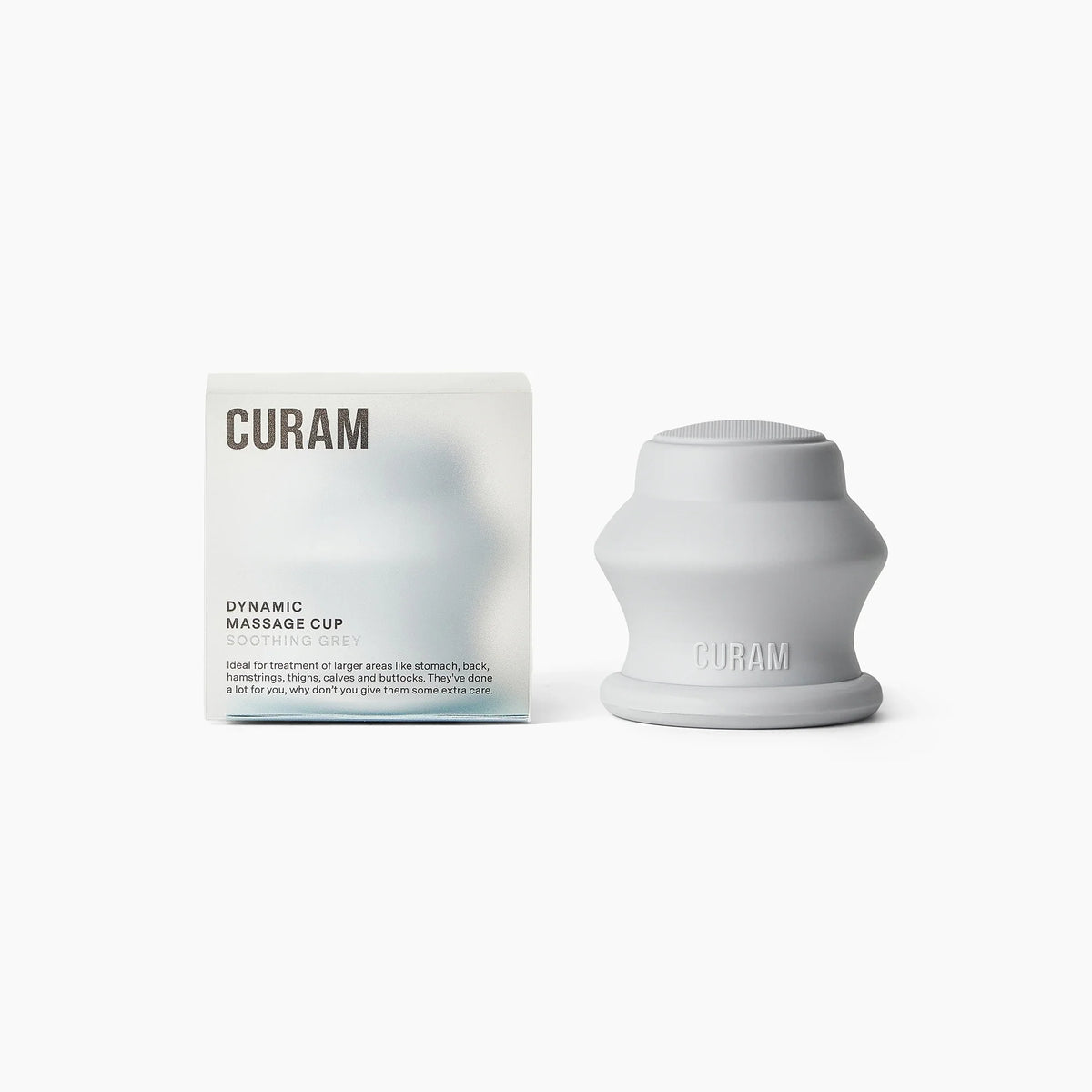
- Front of the chest: the dynamic cup with oil, light to medium suction, slow strokes from the breastbone out toward the shoulders below the collarbone and along the ribs out toward the sides, 2 minutes. Avoid breast tissue and the breastbone itself; women cup above and to the side of the breasts.
- Rib margins: light suction, short strokes along the edge of the lower rib margin from the tip of the breastbone out toward the sides, 1 minute per side, with long exhalations during the stroke; this is where the diaphragm attaches. Not on the soft belly, not in pregnancy.
- Sides of the ribcage: arm overhead, strokes from the armpit down along the ribs toward the waist, 1 minute per side; releases the side that doesn't widen in the rib test.
- Upper back and between the shoulder blades: static cups either side of the spine for 5 minutes, sitting leaning forward and breathing in against the cups; then dynamic strokes along the erector spinae and over the shoulder blades. See cupping on the back.
- The neck's accessory muscles: light cupping with the small cup along the sides of the neck from the base of the skull down toward the collarbone (never on the front of the neck or over the vessels), 1 minute per side.
- Finish with two minutes of crocodile breathing or the breathing programme.
Don't cup over the ribs with a suspected rib injury, during a respiratory infection with fever, over breast tissue, in pregnancy (only upper back and shoulders), or if you take blood thinners without having asked your doctor. More situations in when to avoid cupping.
Frequently asked questions
What does a tight diaphragm feel like?
Shallow breathing high in the chest with lifted shoulders, a need to sigh and yawn, a tense neck that doesn't release, tenderness under the rib margin, side stitch when running, a stiff upper back, difficulty taking a deep breath without it stopping, and difficulty winding down. Often reflux and low back pain too. Breathlessness at rest or on light exertion should always be investigated by a doctor first.
How do you breathe with your belly?
Lie on your back with knees bent, a hand on the belly. Breathe in through the nose for four seconds so the belly rises first and the lower ribs widen to the sides, without the shoulders lifting; breathe out slowly through the mouth for six to eight seconds until the belly sinks and the abdominals tighten lightly. Crocodile breathing on your front is the easiest way to find the movement if it is difficult.
Why is the diaphragm important for the back and the lymph?
It is the lid of the trunk's pressure canister: with the pelvic floor, deep abdominals and back muscles it creates the abdominal pressure that stabilises the lower back when lifting. And its pressure changes pump lymph and venous blood upward from the abdomen and legs; without deep breathing lymph moves more slowly, giving heavier legs and more swelling.
Which exercises help a tight diaphragm?
Crocodile breathing on the front, 90/90 breathing with a long exhalation, side breathing against a band around the ribs, a rib opener over a roller and a gentle diaphragm release under the rib margin; five minutes daily for three weeks. Plus letting the belly go, sitting upright, loosening the belt and breathing through the nose in daily life.
Does cupping help a tight diaphragm?
Cupping doesn't reach the muscle directly but releases what restricts it: chest and rib muscles, the fascia along the rib margin where the diaphragm attaches, the neck's accessory muscles and the upper back. Light cupping of the front of the chest, the rib margins, the sides and the upper back followed by crocodile breathing lets the breath go deeper; never over breast tissue or, in pregnancy, on the chest and abdomen.
Related guides
- Deep sleep and sleeping position – sleep better, wake pain-free
- Yoga for beginners at home – 10 poses, morning yoga and cupping
- Snoring and sleep apnoea – causes, how to stop snoring and when to get tested
- The Wim Hof method – breathing, cold, what research says and safety
- Chest muscle pain or the heart? Muscular chest pain – how to tell them apart
Written by Curam. Last updated 17 October 2026. This is general self-care information and does not replace medical care. For sudden, severe or unusual symptoms, contact your doctor. Talk to your doctor before cupping if you are pregnant, take blood thinners or have a condition affecting skin, blood vessels or blood.


