


Leg pain in children and teenagers has three very common causes that parents meet again and again, all harmless but persistent: Growing pains affect one in three children between 3 and 12: dull, sometimes severe aching in the muscles of both legs (front thighs, calves, backs of the knees), in the evening or at night, often after an active day, that wakes the child but is completely gone in the morning; it isn't in the joints, causes no limp and, despite the name, has no proven link to growth. Osgood-Schlatter affects sporty 10–15-year-olds during the growth spurt: pain and a tender, often swollen bump on the shin bone just below the kneecap, worse with running, jumping and kneeling, where the patellar tendon pulls on a growth plate that isn't finished. Sever's disease (calcaneal apophysitis) is the same thing in the heel in 8–14-year-olds: heel pain during and after running and jumping, the child walks on tiptoe in the morning, and the heel is tender when squeezed from the sides. All three heal on their own, growing pains disappear with the years, Osgood and Sever's when the growth plate closes, but they can go on for a long time, and what helps is calm massage, heat, adjusted load and patience. What is not growing pains is pain in one leg, in a joint, during the day, at rest, with limping, swelling, fever or fatigue; that should be examined. Here is how to tell them apart, when to seek care and what to do at home.
Growing pains, Osgood-Schlatter or Sever's? And when it is something else
| Growing pains | Osgood-Schlatter | Sever's | Should be examined | |
|---|---|---|---|---|
| Age | 3–12, most common 4–8 | 10–15, during the growth spurt, more often boys | 8–14, active children | Any age |
| Where | Both legs, the muscles of thighs, calves, backs of knees; never the joint itself | The bump just below the kneecap, often one knee, sometimes both | The heel, back and underneath, often both | One leg, a joint, the hip, the groin, the back |
| When | Evening and night, after an active day; gone in the morning | During and after running, jumping, kneeling, stairs | During and after running and jumping; tiptoe walking in the morning | During the day, at rest, at night without being gone in the morning |
| Looks like | Nothing; no swelling, no limp, normal mobility | Tender, sometimes swollen bump below the kneecap | No visible swelling; tender when the heel is squeezed from the sides | Swelling, warmth, redness, limping, the child refuses to bear weight |
| General condition | Well, healthy | Well | Well | Fever, fatigue, weight loss, night sweats, pallor |
| Course | Comes and goes in periods, disappears with the years | Months to two years, ends when the growth plate closes; the bump may remain | Weeks to months, returns during seasons | Progressive |
When should the child be examined?
- The same day: the child limps or refuses to bear weight on the leg, a joint is swollen, warm or red, pain together with fever or feeling ill, pain after a fall or injury, or pain in the hip or groin (hip problems in children, such as transient synovitis or Perthes, often cause knee pain and should always be assessed).
- Within a few days to a week: recurring pain in only one leg, pain during the day or at rest that doesn't go with rest, night pain that persists in the morning or is always in the same place, pain with fatigue, pallor, weight loss or night sweats, a child who stops running or playing as usual, or growing pains that start after age 12.
- Osgood and Sever's: assessment by a doctor or physiotherapist the first time to confirm the diagnosis and get a plan, and again with heavy swelling, pain at rest or if the bump suddenly hurts much more after a jump (avulsion of the attachment, rare).
The doctor examines, checks the hips and takes blood tests or X-rays if needed; growing pains are a diagnosis of exclusion and made only when other things have been ruled out.
Growing pains: what helps in the evening
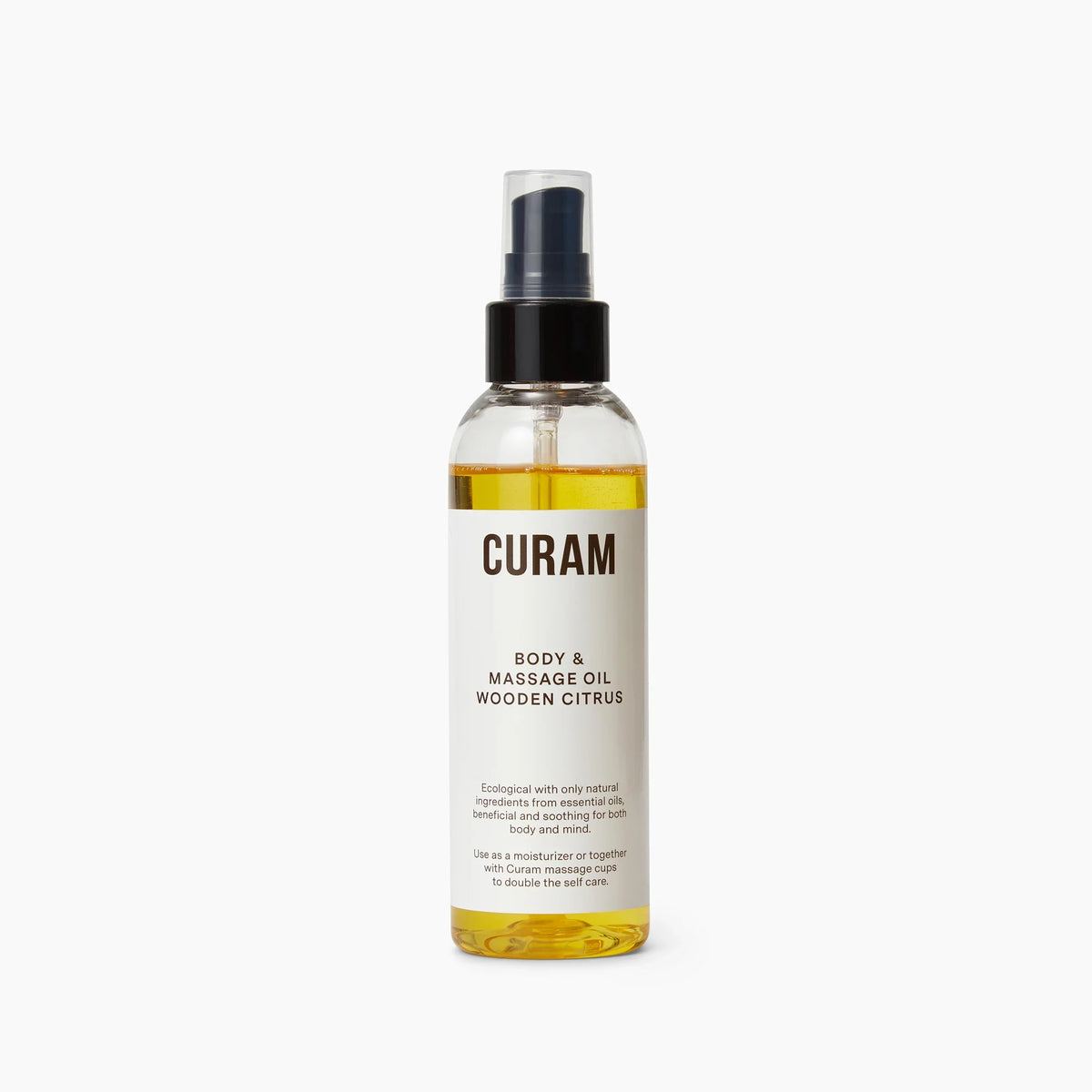
- Massage with oil (5–10 minutes): the only thing that has shown clear effect on growing pains in studies. Warm hands, a little mild massage oil, long calm strokes along thighs and calves from the foot up toward the hip, light kneading of the calf and front thigh, and circles with the thumbs around the back of the knee. The pressure should be soft and pleasant; the aim is as much reassurance and relaxation as the muscle.
- Heat: a warm shower or bath before bed, a heat pad or wheat bag on the legs when the ache comes.
- Stretching: gentle stretching of calves (against a wall) and front thighs (heel to buttock) as a game before bed on days the child has been very active; studies show fewer nights with pain in children who stretch regularly.
- Pain relief when needed: paracetamol in a child's dose for severe pain that prevents sleep, not every evening.
- Routine and calm: growing pains are worsened by tiredness and worry; a calm evening routine, enough sleep, water during the day, and a parent who says "I know it hurts and it isn't dangerous, it will pass" make a difference. The child should never have to give up play and sport for growing pains; daytime activity is not the cause and shouldn't be limited.
Osgood-Schlatter and Sever's: load management, not rest
Both Osgood-Schlatter and Sever's are overload of a growth plate where a tendon attaches (the patellar tendon on the shin bone and the Achilles on the heel bone respectively), usually in children who do sport several times a week, during a period when the skeleton grows faster than muscles and tendons can adapt. Complete rest is rarely needed and makes the child unhappy; what works is managing the amount so the pain stays at a low level (at most 3 out of 10 during activity and back to baseline the next morning), and strengthening and softening the muscles that pull on the attachment.
- The pain scale as the steering tool: have the child give a number 0–10 after training and the next morning. Under 3 and back to normal in the morning: continue. 4–5: reduce the number of sessions or the jumping elements. Over 5 or limping: a one- to two-week break from jumping and running (cycling, swimming, strength are fine), then back gradually.
- What provokes most: jumping, sprinting, kicking, kneeling, hills and hard surfaces; several sessions on the same day; several sports at once. Reduce that, not everything.
- Stretching and softening: front thigh and hip flexors (Osgood) and calves and Achilles (Sever's), 30 seconds, two to three times a day; calm massage with oil of the thigh or calf in the evening as in the growing pains routine above, not on the tender bump or heel itself.
- Strength with low load: for Osgood: isometric leg extension (hold the leg straight against resistance 30–45 seconds, 5 times, dampens pain for hours), hip bridges, lateral walks with a mini band; for Sever's: slow calf raises, single-leg balance. Two to three times a week under a physiotherapist's guidance.
- Aids: for Sever's a heel cushion or soft insole in all shoes (indoor shoes too) and shoes with a cushioned heel; for Osgood a strap below the kneecap during training can relieve; knee pads for kneeling.
- Warm-up always before training, and an overview of the week's total load (school PE, training, matches, play) to find the peaks.
- Patience: Osgood often lasts one to two years with better and worse periods and disappears when the growth plate closes (a bump may remain without hurting); Sever's usually passes in a few months with the right load but returns during intense seasons. Neither causes lasting damage, and the child should keep doing sport at the pace the pain allows.
Massage, not cupping, on children
Cupping isn't used on young children: the skin is thin, they can't judge and say if the suction is too strong, and the reassurance and relaxation the growing-pains massage gives comes from the hands. For children under 12, massage with hands and oil as above applies. For teenagers who do sport (from about 14–15) very light dynamic cupping of the front thigh or calf can be tried with an adult present, as part of recovery in Osgood or Sever's: the dynamic cup on the lowest suction with oil, long strokes along the muscle, 1–2 minutes, never over the bump below the kneecap, the heel or the growth plates, never over joints, and only if the teenager finds it pleasant. It doesn't replace load management and stretching. Read cupping at home for the basics and when to avoid cupping. Adults with similar problems: jumper's knee and Achilles tendinopathy follow the same principle of load instead of rest; leg pain in adults has other causes.
Frequently asked questions
How do you know if it is growing pains?
Growing pains sit in the muscles of both legs (thighs, calves, backs of the knees), not in the joints, come in the evening or at night often after an active day, and are completely gone in the morning; the child doesn't limp, nothing is swollen and the child is well. Pain in one leg, in a joint, during the day, at rest, with limping, swelling or fever is not growing pains and should be examined.
What helps growing pains at night?
Calm massage with warm hands and a little oil along thighs and calves for five to ten minutes, heat (bath, wheat bag), gentle stretching of calves and thighs before bed on active days, and paracetamol in a child's dose for severe pain that prevents sleep. Reassurance and a calm evening routine make a big difference; daytime activity shouldn't be limited.
Can children with Osgood-Schlatter train?
Yes, in the amount that keeps the pain under 3 out of 10 and back to normal the next morning. Reduce jumping, sprinting and kneeling when it hurts more, keep cycling, swimming and strength, stretch the front thigh daily, and take a one- to two-week break from jumping with limping or pain over 5. Complete rest is rarely needed; the problem disappears when the growth plate closes.
What is Sever's disease and what helps?
Overload of the growth plate in the heel bone in active children aged 8–14: heel pain with running and jumping, tiptoe walking in the morning, tender when the heel is squeezed from the sides. A heel cushion in all shoes, cushioned shoes, stretching of calves and Achilles, calm massage of the calf, calf raises, and managing training volume by the pain. Usually passes in a few months.
Can you cup children with growing pains?
No, on children massage with hands and oil is used, not cupping: the skin is thin and the child can't judge the suction. For sporty teenagers from about 14–15 very light cupping of the thigh or calf can be tried with an adult present as part of recovery, never over the bump below the kneecap, the heel, growth plates or joints, and only if it feels pleasant.
Related guides
Written by Curam. Last updated 17 October 2026. This is general self-care information and does not replace medical care. For sudden, severe or unusual symptoms, contact your doctor. Talk to your doctor before cupping if you are pregnant, take blood thinners or have a condition affecting skin, blood vessels or blood.


