


The back is at its stiffest in the morning for physiological reasons. During the night, when you lie unloaded, the intervertebral discs absorb fluid and swell: you are up to two centimetres taller in the morning than in the evening, the discs are more taut, and forward bends (like tying your shoes) load them most in the first 30–60 minutes. The muscles have been more or less immobile for seven to nine hours, often in a position that shortens the hip flexors and lower back muscles (fetal position on the side) or arches the back (lying on the front), and the joint fluid in the small facet joints has become more viscous. In people with wear in discs or joints, which most over 40 have to some degree, all of this is amplified: osteoarthritis is by definition stiffest after rest and most supple after a spell of movement. Add a mattress that has sagged or is too hard, a pillow that twists the neck, and a backache from the day that hasn't had time to settle. All of this is harmless, releases in 10–30 minutes once you move, and responds well to the right sleeping position, the right mattress, a movement routine in the morning and released muscles in the evening. What differs is inflammatory back pain: stiffness lasting over an hour, back pain that wakes you at dawn and forces you up, pain that improves with movement and worsens with rest, insidious onset before 45, often with tender heels, swollen fingers or eye inflammations. That is ankylosing spondylitis and related diseases, which affect about one in a hundred, are detected on average seven years late, and are treated effectively once found. Here is how to tell them apart, what causes your morning back, and what helps.
Mechanical or inflammatory morning stiffness?
| Mechanical (ordinary) morning stiffness | Inflammatory back pain (should be investigated) | |
|---|---|---|
| How long stiff | 5–30 minutes, releases with movement, shower and coffee | Over 30–60 minutes, often longer |
| The night | Sleep through; pain when you turn or get up | Woken by back pain in the second half of the night, have to get up and move for it to release |
| Movement and rest | Better with rest in the right position, worse with load and long standing; movement helps the stiffness | Better with movement and exercise, worse with rest and sitting; the holiday on the sofa makes it worse |
| Onset | Any time; often after a load, a new bed, with the years | Insidious, before 45, often 20–35; months to years |
| Where | Lower back, sometimes neck; often one side | Lower back and buttocks (SI joints), often alternating sides; over time stiffer upper back and neck |
| Other | Nothing | Tender heels or Achilles tendons, swollen fingers or toes ("sausage digits"), eye inflammation (red, light-sensitive, aching), psoriasis, inflammatory bowel disease, relatives with the same |
| Anti-inflammatories | Help a little | Help strikingly well within a day |
| What to do | The measures below | Your doctor: blood tests (ESR, CRP, HLA-B27) and referral to a rheumatologist; MRI of the SI joints |
Three or more of the points in the right-hand column: book your doctor. There is no rush in days, but it is a diagnosis that shouldn't wait years.
Common causes of back pain in the morning
- The sleeping position. Lying on the front arches the lower back and twists the neck for eight hours; side-lying with the upper leg falling forward twists the pelvis; lying on the back with straight legs pulls on the hip flexors and increases the arch; the fetal position shortens the hip flexors so you can't straighten up in the morning.
- The mattress. Too soft or sagged: the pelvis sinks, the back hangs in a curve. Too hard: hip and shoulder can't sink in when side-lying, the back bends instead. A mattress older than eight to ten years or with a visible dip is a common cause of a morning back that is gone at the hotel.
- The pillow. Too high or low twists the neck, and the neck pulls on the whole back.
- The stillness itself and the discs' swelling: everyone is a little stiffer in the morning, and those who are stiff in hips and back during the day are more so.
- The day's load: long sitting, heavy lifting, a new workout or gardening the day before give a back that aches in the morning when the muscles have cooled.
- Osteoarthritis and disc degeneration: normal wear from 40–50, stiffest after rest, more supple after movement, worse with weather changes for many. See osteoarthritis.
- Disc herniation and nerve involvement: morning pain radiating into the leg, worse with coughing and bending forward; see herniated disc and sciatica.
- Tight pelvic floor, SI joint, hip: pain low in the back and buttocks in the morning; see pelvic pain.
- Stress and sleep deprivation: lower the pain threshold and raise muscle tone, so a back that would otherwise be fine aches in the morning; see sleep deprivation.
- Fibromyalgia and muscle pain: stiffness and ache in the whole body in the morning, not just the back; see fibromyalgia.
- Inflammatory back disease as in the table above.
When to seek care
- Urgently: back pain with fever and feeling unwell; back pain with numbness in the genital area, difficulty urinating or holding urine, or weakness in the legs; severe back pain after a fall in an older person or with osteoporosis; back pain with chest pain or breathlessness.
- Your doctor: three or more inflammatory signs in the table; back pain that wakes you every night regardless of position; morning pain with radiation and numbness in the leg not improved in two weeks; back pain with weight loss, night sweats or previous cancer; morning stiffness not improved at all in six weeks with the measures below; new back pain after 50 unlike anything before.
The morning routine: five minutes that get you up more supple
- In bed, on your back: pull one knee to the chest, hold 10 seconds, switch; 5 per side. Then both knees, rock gently side to side 10 times. Loosens the lower back before you load it.
- Pelvic tilt lying down: flatten the lower back against the mattress and release, 10 times. Wakes the core.
- Knees to the side: bent knees, let them fall to one side with the shoulders staying down, 10 seconds, switch; 3 per side. Rotation for lower and upper back.
- Get up right: roll onto your side, bring the legs over the edge and push up with the arms to sitting, without bending forward, with a straight back. Sit for ten seconds before standing.
- Standing: 10 calm back bends with the hands in the small of the back (counteracts the night's bent position and calms the discs), 10 hip circles, 10 arm reaches to the ceiling. Cat and cow on all fours, 10 times, if the floor is near.
- Wait with forward bends (tying shoes, lifting children out of bed, emptying the dishwasher) in the first 30 minutes when the discs are at their most swollen; sit down or kneel instead.
- A hot shower on the lower back and a walk to work do the rest. The full programme in lower back stretches and back exercises at home.
Mattress, pillow and sleeping position
Mattress: studies on back patients show that medium-firm beats both hard and soft: hip and shoulder should be able to sink in when side-lying so the spine is straight, and the pelvis shouldn't sink through when on the back. Lie on your side and ask someone to look: the spine should be a straight line from neck to tailbone. Try a topper (5–7 cm foam or latex) on a mattress that is too hard, and replace a mattress with a dip or older than ten years. A hard mattress on the floor "for the back's sake" is a misunderstanding from the past. Pillow: keeps the neck in line with the back: lower for back sleepers, higher for side sleepers, none or very low for those who still sleep on their front. Sleeping position: side-lying with a pillow between the knees (stops the pelvis twisting) and the knees moderately bent, or on the back with a pillow under the knees (offloads the hip flexors and lower back). Lying on the front is worst for the back; if you insist, a thin pillow under the hips and none under the head. More in deep sleep and sleeping position and, for the hip, hip pain at night.
What you do in the day decides the morning
A back that has moved, trained and stretched during the day is more supple in the morning. Stand up every half hour, walk 30 minutes, train core and glutes two to three times a week (see core exercises at home and Pilates for beginners), stretch hip flexors and hamstrings daily, lift right, and keep your weight down; every kilo around the belly increases the arch and the load on the discs. With osteoarthritis and inflammatory disease, daily movement is the treatment; for inflammatory back disease regular exercise is as important as the medication.
The evening: release the muscles before you lie down
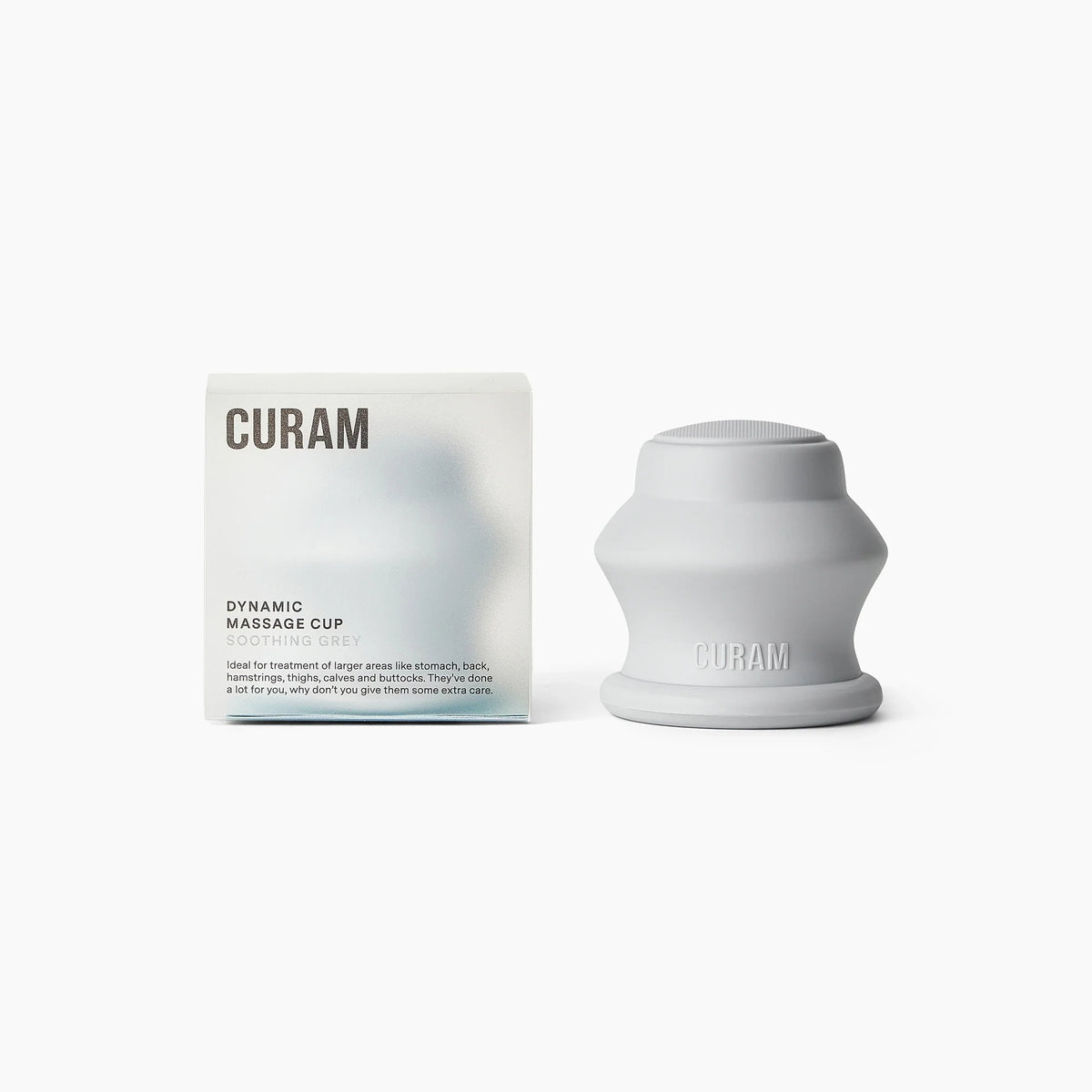
Much of morning stiffness is muscles that went to bed tense. An evening routine with heat and cupping lets them relax during the night instead: a hot shower or heat pad on the lower back for 15 minutes, then cupping. How to: lie on your front or sit backwards on a chair, oil the skin, glide the dynamic cup with light to moderate pressure along the lower back muscles on each side of the spine (not on the vertebrae) from the sacrum up towards the ribs, 3 minutes per side, over the glutes from the sacrum out towards the hip, 2 minutes per side, and along the front of the thigh over the hip flexor towards the groin, 2 minutes per side; then place static cups on each side of the lower back and in the middle of the buttock for 5–8 minutes with light suction while you breathe slowly. Finish with knee to chest and knees to the side in bed, and lie down in the right position. Cupping of the lower back has moderate support in studies on chronic lower back pain, and the parasympathetic effect of static cups in the evening also helps you fall asleep. Three to four evenings a week. Don't cup with fever, over a newly injured or swollen back, with strong suction directly over the spine, with nerve involvement with weakness that hasn't been investigated, with suspected inflammatory back disease before it has been investigated (cupping doesn't prevent the diagnosis but doesn't replace it), or if you take blood thinners without having asked; see when to avoid cupping. Routines in cupping on the back and lower back pain.
Read more
Lower back pain, back pain: where does it hurt, deep sleep and sleeping position, lower back stretches, stiff body, rheumatism and joint pain and cupping for people who sit a lot.
Frequently asked questions
Why does my back hurt in the morning but not during the day?
Because the discs swell with fluid overnight and are stiffer for the first 30–60 minutes, the muscles have been still for eight hours, often in a position that shortens hip flexors and lower back, and the joints are more viscous after rest (especially with osteoarthritis). Add a mattress that is too soft or too hard, the wrong pillow and yesterday's load. If the stiffness releases within half an hour with movement it is mechanical and harmless.
When is morning stiffness in the back a sign of disease?
When the stiffness lasts over an hour, the back pain wakes you in the second half of the night and forces you up, the pain improves with movement and worsens with rest, it began insidiously before the age of 45, and especially if you also have tender heels, swollen fingers or toes, eye inflammation, psoriasis or bowel disease. That suggests inflammatory back disease (ankylosing spondylitis): book your doctor for blood tests and referral. It is often detected years late.
Which mattress is best for back pain?
Medium-firm: studies on back patients show that medium-firm beats both hard and soft. Hip and shoulder should be able to sink in when side-lying so the spine is straight, without the pelvis sinking through. Try a topper on a mattress that is too hard first; replace a mattress with a dip or older than ten years. The pillow should keep the neck in line with the back, and a pillow between the knees when side-lying or under the knees on the back often makes a bigger difference than the mattress.
What should I do in the morning when my back is stiff?
Before getting up: knee to chest, pelvic tilts and knees to the side in bed, two minutes; roll up via the side without bending forward; standing back bends, hip circles and cat and cow; a hot shower on the lower back; and wait with forward-bent lifts (shoes, children, dishwasher) for the first half hour when the discs are at their most swollen. A walk does the rest.
Does cupping help back pain in the morning?
Yes, especially in the evening: cupping of the lower back muscles, glutes and hip flexors before bed releases the muscles that would otherwise go to bed tense, and static cups with light suction lower the nervous system so you fall asleep more easily; many wake noticeably more supple. Three to four evenings a week, followed by the right sleeping position. Not with strong suction over the spine, with fever, uninvestigated nerve involvement or as a replacement for investigating inflammatory back pain.
Written by Curam. Last updated 17 October 2026. This is general self-care information and does not replace medical care. For sudden, severe or unusual symptoms, contact your doctor. Talk to your doctor before cupping if you are pregnant, take blood thinners or have a condition affecting skin, blood vessels or blood.


