


Rheumatism is not one disease but a collective name for over a hundred inflammatory diseases of the joints, muscles, tendons and connective tissue. The most common is rheumatoid arthritis (RA), where the immune system attacks the joint lining so joints become hot, swollen, stiff and painful, usually symmetrically in the hands, wrists and feet, with fatigue and sometimes fever. Others are psoriatic arthritis, ankylosing spondylitis (Bechterew's, stiff spine), polymyalgia rheumatica (pain and stiffness in the shoulders and hips after 50), gout and Sjögren's syndrome. The important thing to know is that joint pain with morning stiffness over an hour, soft and warm swelling, fatigue or fever should be investigated within weeks, not months: modern treatment started early slows the disease and protects the joints. Self-care, movement, heat, sleep and stress management, is a complement to the medication, never a replacement, and massage and cupping work well on the muscles around the joints when the disease is calm, but never on an inflamed joint. Here is the difference from osteoarthritis, the warning signs, the self-care and what applies to cupping.
Rheumatism or osteoarthritis? How to tell them apart
| Rheumatoid arthritis (RA) | Osteoarthritis | |
|---|---|---|
| Morning stiffness | Over an hour, often several | Under 30 minutes |
| Pain | At rest and at night, better with movement | After loading, better with rest |
| Joints | Many small joints symmetrically: finger base and middle joints, wrists, toes; rarely the end joints | Single joints: knee, hip, finger end joints, thumb base, big toe |
| Swelling | Soft, warm, tender | Hard (bone) or temporary fluid |
| General | Fatigue, feeling unwell, sometimes fever, weight loss | No general symptoms |
| Onset | All ages, usually 40–60, more common in women | Usually after 45 |
| Treatment | Disease-modifying drugs early, via a rheumatologist | Exercise, weight, pain relief. See the guide to osteoarthritis |
Fibromyalgia gives widespread muscle pain without joint swelling and is not a rheumatic inflammation, see the guide to fibromyalgia. Diffuse muscle pain without joint symptoms is mapped in the guide to muscle aches.
Seek care if
Seek urgent care if a joint suddenly becomes hot, red, heavily swollen and very tender, especially with fever (joint infection or gout). Contact your doctor within one to two weeks if you have swollen, warm joints for more than a few days, morning stiffness over an hour, joint pain in several joints symmetrically, joint pain together with fatigue, fever, weight loss, rash, dry eyes and mouth, or bowel problems, pain and stiffness in the lower back and buttocks that is worst at night and in the morning and better with movement (suspected Bechterew's, especially under 45), or sudden pain and stiffness in the shoulders and hips after 50 (polymyalgia rheumatica, which is treated effectively). Early referral to a rheumatologist is decisive with suspected RA.
Self-care with evidence, beyond the medication
- Movement every day, exercise several times a week. With rheumatic disease, physical activity is safe and reduces pain, fatigue and inflammation. Gentle mobility every morning (fingers in warm water, shoulder circles, a walk), strength training two to three times a week with light load and more repetitions, and low-impact cardio (cycling, swimming, water aerobics, walking). In a flare: less load and more mobility exercises, not stillness.
- Heat for stiffness, cold for hot swelling. A warm bath, warm gloves, a paraffin bath for the hands in the morning; a cold pack on a hot joint in a flare.
- Sleep and rest in balance. Fatigue is a disease symptom, not laziness: plan breaks, prioritise sleep, see the guide to sleep problems.
- Stress worsens flares for many; breathing, relaxation and reasonable demands, see the guide to stress.
- Food. A Mediterranean diet with fish, vegetables, olive oil and wholegrains has some evidence for less inflammation; stopping smoking is the single most important thing, since smoking both increases the risk of RA and reduces the effect of the drugs. With gout: less alcohol, fructose, offal and shellfish.
- Joint protection and aids: an occupational therapist helps with splints, grips, jar openers, keyboards and ways to unload small joints in daily life.
- Medication as prescribed by the rheumatologist, without breaks on your own. Over-the-counter anti-inflammatories relieve but do not slow the disease.
Massage and cupping with rheumatism: what applies
Massage and cupping are used in rheumatic disease for the muscles around the joints: neck, shoulders, back, thighs and calves that tighten from pain, protective posture and stiffness, and that contribute to fatigue and poorer sleep. Studies on massage in RA show reduced pain and better grip in the short term; cupping has not been specifically studied in RA but acts on the same muscles. The rules are clear:
- Never on an inflamed joint (hot, swollen, tender) or in an active flare with fever and feeling unwell. Then the joint rests, and cups are used at most on calm muscles far from the affected joints.
- Light suction and shorter time than usual: the skin can be thin and fragile from cortisone, and the vessels more sensitive. If you get marks the suction was too strong.
- Medication to consider: blood thinners and high doses of cortisone increase the risk of bruising; biological drugs lower the immune system, so the skin must be intact and the cups clean. Consult your rheumatologist or nurse if unsure.
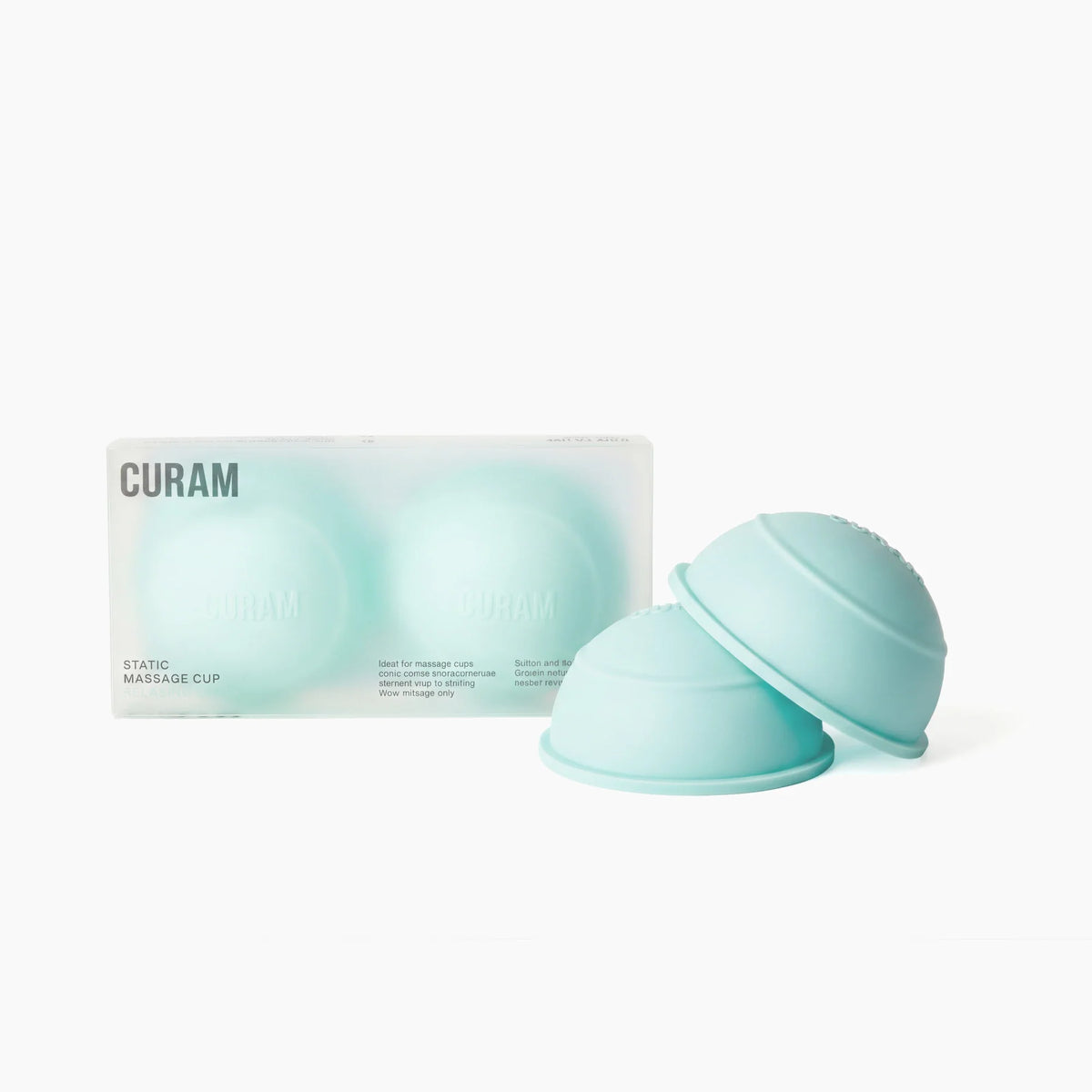
- Good areas when the disease is calm: upper trapezius and shoulders with the mini cup, the lower back muscles with static cups for three minutes during calm breathing, the front and back of the thighs and the calves with the dynamic cup, one to two minutes per area. The forearm muscles for stiff hands, not the fingers.
- With Bechterew's, cupping of the back muscles is often pleasant, never on the spine, and always together with the daily mobility that is the disease's most important self-treatment.
- With polymyalgia rheumatica, cupping of the shoulders and hips relieves the stiffness, but it is the cortisone treatment that deals with the disease; cupping does not replace it.
The technique is in Cupping at home and Cupping on the back, and the summary of when cupping is not suitable in when to avoid cupping. Static cupping with breathing, see the cupping program for breathwork, is appreciated by many as a way to lower stress and sleep better during a period of illness.
Frequently asked questions
What is rheumatism?
A collective name for inflammatory diseases of the joints, muscles and connective tissue, with rheumatoid arthritis (RA) the most common: the immune system attacks the joint lining so joints become hot, swollen and stiff, usually in the hands and feet, with fatigue. Others are psoriatic arthritis, Bechterew's, polymyalgia rheumatica and gout. Treated by a rheumatologist with disease-modifying drugs.
When should joint pain be investigated?
Within one to two weeks if you have swollen, warm joints for more than a few days, morning stiffness over an hour, symmetrical pain in several small joints, or joint pain with fatigue, fever, weight loss or rash. Early treatment of RA protects the joints; do not wait months.
Can you cup with rheumatism?
Yes, on the muscles around the joints when the disease is calm, with light suction and shorter time, but never on an inflamed joint or in an active flare. Be extra careful with cortisone, blood thinners and biological drugs, and consult your rheumatologist if unsure.
Is exercise good with rheumatism?
Yes, physical activity is safe with rheumatic disease and reduces pain, fatigue and inflammation. Daily mobility, strength training with light load and low-impact cardio are recommended; in a flare you reduce the load but keep moving the joints.
What is the difference between rheumatism and osteoarthritis?
Rheumatism is inflammation giving morning stiffness over an hour, soft warm swelling, pain at rest and fatigue, usually in many small joints symmetrically. Osteoarthritis is cartilage change giving pain after loading, short morning stiffness and hard swelling in single joints, without general symptoms. Both can exist at the same time.
Sources
- 1177 Vårdguiden (Swedish national health guide), search for "ledgångsreumatism", "reumatiska sjukdomar" and "polymyalgia reumatika" for medical information, treatment and when to seek care.
- Curam's FAQ and cupping programs, developed with trained massage therapists.
Written by Curam. Last updated 17 October 2026. This is general self-care information and does not replace medical care. For sudden, severe or unusual symptoms, contact your doctor. Talk to your doctor before cupping if you are pregnant, take blood thinners or have a condition affecting skin, blood vessels or blood.


