


Fibromyalgia is a long-term pain condition where the pain sits in large parts of the body, often on both sides, above and below the waist, together with marked fatigue, sleep that does not restore, morning stiffness and often difficulty concentrating ("fibro fog"), headaches and a sensitive gut. The cause is not damaged muscles or joints but a nervous system that has become oversensitive and amplifies pain signals, which is why the muscles are tender to pressure that others barely feel. Fibromyalgia is more common in women and often comes after a long period of stress, pain or sleep deprivation. It is not dangerous and does not destroy the body, but it affects life a great deal. What has the best support in research is adapted physical activity, knowledge about the condition, better sleep and stress management, in some cases medicines that dampen the sensitivity of the nervous system. Cupping is not a treatment for fibromyalgia, but very gentle cupping is used by some as a pleasant, calming touch that can relieve local muscle tension; we report the research on it honestly below. Here is what fibromyalgia feels like, how the diagnosis is made, what helps, when widespread pain is something else and how, in that case, to cup gently.
What is fibromyalgia, and how is it diagnosed?
In fibromyalgia the pain system is "turned up": signals from muscles and skin are amplified in the spinal cord and brain, and the body's own pain inhibition works less well. It does not show on blood tests or X-rays; the diagnosis is made by a doctor based on how long and where you have had pain (widespread pain for at least three months), fatigue, sleep and other symptoms, and after other causes have been excluded. Common companions are IBS, tension headache or migraine, restless legs, low mood and anxiety, which all belong to the same sensitive nervous system. The symptoms come in waves: a period of stress, an infection, poor sleep or cold can cause a flare, and a calm period with movement and sleep makes it better.
When widespread pain is something else: see a doctor
Widespread pain should always be assessed by a doctor before it is called fibromyalgia, since several treatable conditions give similar symptoms. See a doctor if you have pain together with fever, weight loss, night sweats, swollen or warm joints, muscle weakness, rashes, severe morning stiffness lasting over an hour (polymyalgia rheumatica in people over 50, which is treated with cortisone), increasing fatigue with feeling cold and weight gain (thyroid), numbness or tingling, or pain that wakes you at night. Blood tests for inflammation, thyroid, vitamin D, blood count and muscle enzymes are part of the work-up. If you already have the diagnosis of fibromyalgia and get new, different symptoms, have them assessed again.
What helps according to healthcare and research
- Knowledge. Understanding that the pain is real but not a sign of damage makes it easier to dare to move. Patient education (often through your practice's pain team or a patient organisation) is a first step with good support.
- Adapted physical activity, little and often. The best documented treatment. Start far below your capacity (a five to ten minute walk, gentle aqua aerobics, easy cycling) and increase very slowly, with rest days. Strength training with light weights and long rests between sets works for many. Expect it to feel more at first; the aim is not to increase so fast that you get a flare.
- Sleep. Regular times, a dark and cool bedroom, no screens in the last hour, a warm shower before bed. Sleep is often the key to the pain level the next day.
- Pacing and stress. Spread activities evenly over the day and week instead of doing everything on good days and crashing afterwards. Relaxation, breathing, mindfulness and pain-focused CBT have support.
- Heat. Warm baths, sauna, heat pads and heat on stiff muscles in the morning relieve many.
- Gentle touch and massage. Light massage, lymphatic massage and gentle cupping are experienced as calming by some and can dampen local tension, while hard massage often causes a setback. See the cupping section below.
- Medication via your doctor when needed: low-dose amitriptyline at night, duloxetine or pregabalin dampen the sensitivity of the nervous system for some. Ordinary painkillers and especially opioids help poorly in fibromyalgia and are avoided.
- Daily life. Ergonomics, breaks, avoiding cold, and a social life not entirely governed by the pain. Multimodal pain rehabilitation exists for those who need more support.
What does the research say about cupping for fibromyalgia?
The largest study is German (Lauche et al. 2016, Scientific Reports): 141 people with fibromyalgia were randomised to cupping, sham cupping or usual care for three weeks. Cupping gave less pain and better quality of life than usual care, but the difference from sham cupping was small and not statistically certain, which suggests that a large part of the effect is the touch, the calm and the expectation rather than the suction itself. Side effects were few (marks, transient soreness). Our conclusion: cupping can be a pleasant complement for those who like it, never an alternative to movement, sleep and treatment through healthcare, and always with very light suction. More on the state of the research in Cupping in numbers.
Gentle cupping for fibromyalgia, step by step
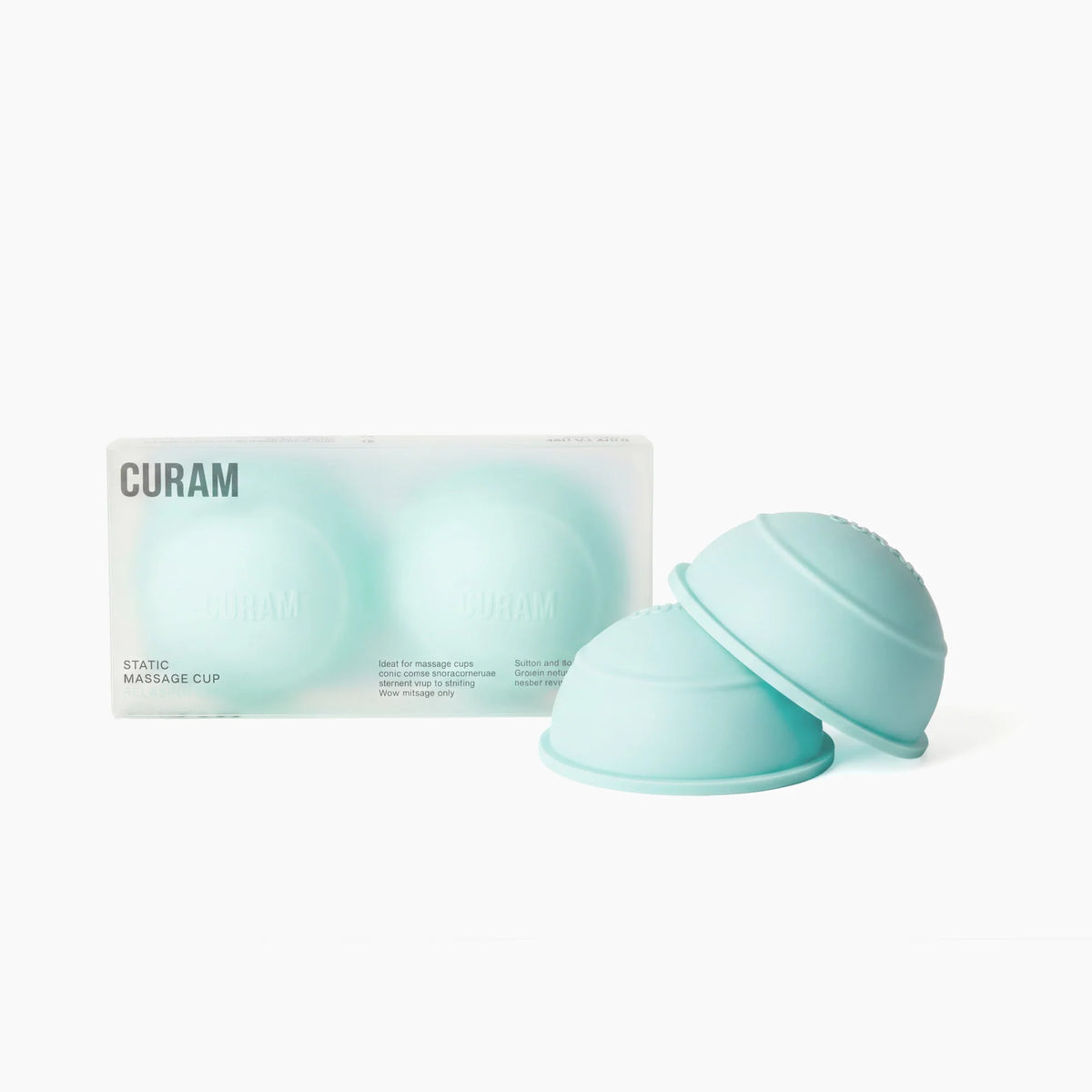
With fibromyalgia, different rules apply than for ordinary muscle tension: the skin and muscles are oversensitive, and anything hard, deep or prolonged can cause a flare the next day. So start with a tenth of what you think you can tolerate, on a small area, and evaluate after two days. You need the dynamic mini cup (smaller cup, softer suction) and body oil. Static cups only if dynamic cupping has felt good several times.
- Choose one area, for example one shoulder or one thigh. Not the whole body the first time.
- Heat first. A warm shower or heat pad for ten minutes.
- The least possible suction. Press the cup only lightly so it just attaches. It should glide without pulling on the skin.
- Slow, long strokes in the direction of the muscle, towards the heart, five minutes in total. Think stroking, not massage. Breathe calmly.
- Do not pause on tender points as you do in ordinary cupping; in fibromyalgia it can trigger more pain.
- Finish with heat and rest. Evaluate the next day and the day after: no increased pain means you can do the same again or extend slightly.
Twice a week is about right for most. How cupping works in principle is in Cupping at home, and an equally gentle version for swelling and heavy legs in Lymphatic massage at home. If you have a lot of tension headaches, read Headache and tension headache, and for restless legs Restless legs.
When not to cup
Not during a flare when everything hurts, not with strong suction or static cups before you know how you react, not on skin that is broken or has a rash, not if the pain has not yet been investigated by a doctor, and not without medical advice if you take blood thinners, are pregnant or have another condition of the skin, blood vessels or joints. If cupping gives more pain the next day, take a break and reduce next time or refrain.
Frequently asked questions
What does fibromyalgia feel like?
Like aching and tenderness in large parts of the body over a long time, often described as flu-like aching that does not go away, together with fatigue, sleep that does not rest you, morning stiffness, headaches, a sensitive gut and difficulty concentrating. The symptoms come in waves and are worse with stress, cold and poor sleep.
Is fibromyalgia dangerous?
No. Fibromyalgia does not damage muscles, joints or organs and does not shorten life, but it affects daily life a great deal. Widespread pain should, however, always be assessed by a doctor first, since other treatable conditions can give similar symptoms.
Does cupping help with fibromyalgia?
It is not a treatment for fibromyalgia. In the largest study, cupping gave less pain than usual care but not reliably more than sham cupping, suggesting that calm touch in itself is beneficial. Very gentle cupping can be a pleasant complement for those who like it; strong suction often causes a setback.
What exercise is best for fibromyalgia?
The one you can do regularly without a flare: walking, aqua aerobics, easy cycling, light strength training, yoga or qigong. Start far below your capacity and increase very slowly. Regularity beats intensity.
What is the difference between fibromyalgia and polymyalgia rheumatica?
Polymyalgia rheumatica mainly affects people over 50, gives severe morning stiffness in the shoulders and hips lasting over an hour, raised inflammatory markers and responds quickly to cortisone. Fibromyalgia has normal tests, widespread pain and fatigue, and is treated with movement, sleep and knowledge. A doctor tells them apart with blood tests.
Sources
- 1177 Vårdguiden (Swedish national health guide), search for "fibromyalgi" for medical information and when to seek care.
- Lauche R et al. Efficacy of cupping therapy in patients with the fibromyalgia syndrome – a randomised placebo controlled trial. Sci Rep 2016. DOI
- Curam's FAQ and cupping programmes, developed together with trained massage therapists.
Related guides
Written by Curam. Last updated 17 October 2026. This is general self-care information and does not replace medical care. For sudden, severe or unusual symptoms, contact your doctor. Talk to your doctor before cupping if you are pregnant, take blood thinners or have a condition affecting skin, blood vessels or blood.


