


Muscle aches are the body's most common pain and usually harmless: soreness the day after unfamiliar training, aching in the neck, shoulders and back from static load and stress, or aching all over with a cold. But muscle aches can also be a side effect of medicines (especially statins), a sign of vitamin D deficiency, part of thyroid or rheumatic diseases, or a long-term pain condition such as fibromyalgia or polymyalgia rheumatica. The difference lies in the pattern: where it hurts, when it started, whether it is linked to exertion and whether you have other symptoms. Here are the most common causes, how to tell them apart, which signs mean a doctor, and what relieves ordinary muscle aches, from movement and heat to cupping.
The most common causes of muscle aches
| Cause | Pattern | What helps |
|---|---|---|
| Muscle soreness (DOMS) | Comes 1–3 days after unfamiliar training, symmetrically in the trained muscles, gone within a week | Light movement, heat, sleep, gentle cupping; Muscle soreness |
| Static load and stress | Neck, shoulders, jaws, lower back; worse after screen days and stressful periods, better with movement and rest | Breaks, ergonomics, strength, relaxation, cupping; Neck pain and stiff neck |
| Infection (cold, flu, covid) | Aching all over together with fever, fatigue, sore throat; passes with the infection | Rest, fluids, fever reducers if needed; no cupping during fever |
| Medicines (statins, some blood pressure and asthma medicines, cortisone tapering) | Diffuse aching or weakness in large muscles, often thighs and shoulders, starting weeks after a new medicine | Talk to your doctor; do not stop on your own |
| Vitamin D deficiency | Diffuse aching and weakness, especially in winter, often with fatigue | Blood test via your doctor, supplements if deficient |
| Polymyalgia rheumatica | Over 50; severe morning stiffness in shoulders and hips for over an hour, difficulty getting up and lifting the arms | Doctor; treated with cortisone, responds quickly |
| Fibromyalgia | Widespread pain for over three months with fatigue, poor sleep and tenderness to pressure; normal tests | Movement, sleep, knowledge, very gentle cupping; Fibromyalgia |
| Thyroid disorder, inflammatory disease | Aching with fatigue, feeling cold, weight change, swollen joints or rash | Doctor and tests |
| Muscle tear | Sudden, sharp pain in a muscle during exertion, weakness, sometimes bruising | Offloading, compression, gradual rehab; no cupping in the first weeks |
When muscle aches should be assessed by a doctor
Seek urgent care if you have severe muscle pain and swelling together with dark, cola-coloured urine (rhabdomyolysis), if the muscle aches come with chest pain, breathlessness or palpitations, if you get sudden weakness in one part of the body, or if you have aching with high fever and a stiff neck. Contact your doctor if the aching started after a new medicine, if you are over 50 with severe morning stiffness in the shoulders and hips, if you have aching together with fatigue, weight change, feeling cold, swollen joints, rash or night sweats, if the muscles are getting weaker (difficulty getting up from a chair, climbing stairs or lifting the arms), if the aching is widespread and has lasted over three months, or if you have not improved with self-care in a few weeks.
What relieves ordinary muscle aches
- Movement rather than rest. A walk, easy cycling, swimming or light strength training increases blood flow and reduces stiffness. Complete rest makes aching muscles stiffer.
- Heat. A warm shower, sauna, heat pad. Heat is the first choice for tension aches; cold can relieve straight after training or injury.
- Breaks and variety with static work: get up every half hour, change position, roll the shoulders, stretch out.
- Sleep, fluids and food. Muscles recover during sleep; dehydration and too little food give more aching.
- Stress management. Tense muscles are often a stress symptom; breathing and relaxation make a difference, see Relaxation and breathing exercises.
- Gentle massage, foam roller or cupping of the sore muscles, see below.
- Pain relief as advised by your pharmacist if needed, short-term; for muscle soreness preferably not anti-inflammatories routinely.
- Strength in the long run. Strong muscles cope with daily life and training without aching; two sessions a week, see Home workout without equipment.
Cupping for muscle aches, step by step
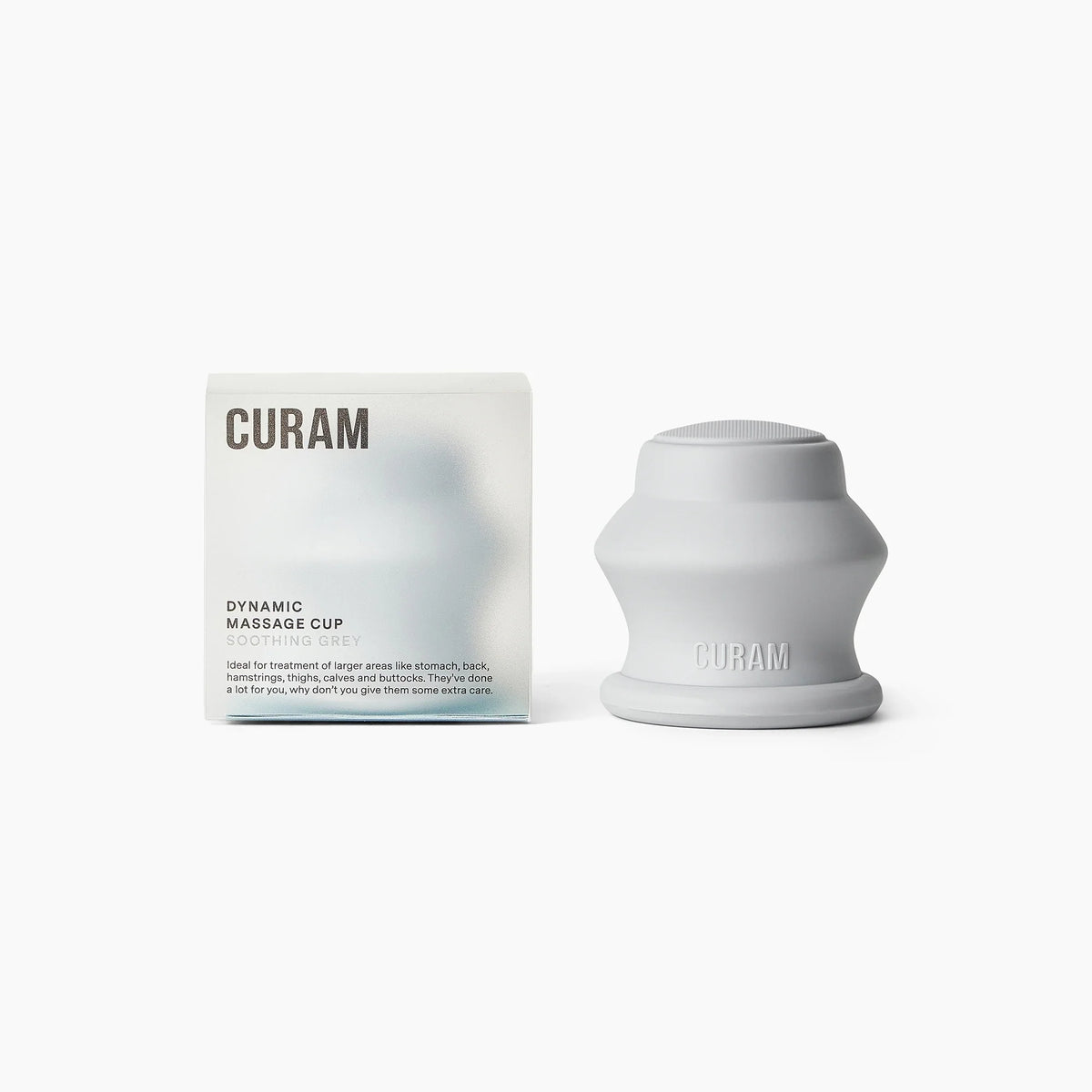
Cupping suits muscle aches from training, static load and stress: it increases circulation in the muscle, softens tense tissue and gives a warming, relaxing feeling. It does not suit aching from infection, medicines, inflammatory disease or injury, where the cause should be treated instead. You need the dynamic cup for large muscles, the mini cup for neck, arms and calves, ideally static cups, and body oil.
- Warm up with a shower or heat pad.
- Oil the whole muscle group.
- Dynamic, light suction: slow strokes along the muscle towards the heart, five to eight per line. Never over the spine, the front of the neck, the groin or the armpits.
- Tender points: pause ten seconds with light suction and move the joint slowly.
- Static: one to three cups on the most tender points for two to three minutes, especially on the trapezius and between the shoulder blades with tension aches.
- Finish with heat, light stretching and water.
Five to ten minutes per area, two to three times a week. The basics are in Cupping at home, the back in Cupping on the back, and what research says about cupping for muscle pain in Cupping in numbers.
When not to cup
Not with fever or an ongoing infection, not with suspected rhabdomyolysis, muscle tear or blood clot, not if the aching has not yet been assessed and you have any of the warning signs above, not on swollen, warm or damaged skin, not with rheumatic disease in a flare without medical advice, and not without medical advice if you are pregnant, take blood thinners or have osteoporosis. With fibromyalgia: very light suction on small areas.
Frequently asked questions
Why do my muscles ache without having trained?
Most common are static load and stress (neck, shoulders, back), infection (all over, with fever) or a side effect of medicines. Diffuse aching with fatigue can also be due to vitamin D deficiency or the thyroid. Aching that has lasted long, is widespread or comes with other symptoms should be assessed by a doctor.
Can statins cause muscle aches?
Yes, muscle aches and weakness in large muscles are a known side effect that often starts weeks after starting. Do not stop on your own; the doctor can take tests, switch preparation or adjust the dose.
Does cupping help with muscle aches?
For aching from training, static load and stress, yes: cupping increases circulation, softens tense muscle and relieves. For aching from infection, medicines, inflammation or injury it does not help and should not be used; then the cause is treated.
Heat or cold for muscle aches?
Heat for tension aches, stiffness and muscle soreness that has lasted more than a day. Cold straight after an injury or a very hard session. Try what feels best; neither is wrong for ordinary muscle aches.
When are muscle aches dangerous?
Rarely, but seek urgent care for severe muscle pain with dark urine, muscle aches with chest pain or breathlessness, sudden weakness, or high fever with a stiff neck. Increasing weakness, severe morning stiffness over 50, or aching with fatigue, weight change or rash should be assessed by your doctor.
Sources
- 1177 Vårdguiden (Swedish national health guide), search for "muskelvärk" and "polymyalgia reumatika" for medical information and when to seek care.
- Curam's FAQ and cupping programmes, developed together with trained massage therapists.
Related guides
- Rheumatism and joint pain – self-care, massage and cupping
- Stiff body – stretching and mobility that help
Written by Curam. Last updated 17 October 2026. This is general self-care information and does not replace medical care. For sudden, severe or unusual symptoms, contact your doctor. Talk to your doctor before cupping if you are pregnant, take blood thinners or have a condition affecting skin, blood vessels or blood.


