


The skin on palms and soles is built for wear: the horny layer is up to ten times thicker than on the face, and there are no sebaceous glands at all, only sweat glands. That means the skin there can't lubricate itself; it depends on the moisture in the horny layer being bound by the skin's own moisturising factors and on the fat between the skin cells keeping it sealed. Everything that washes away that fat (soap, washing-up liquid, hand sanitiser, hot water, solvents), dries it out (cold, dry indoor air, wind) or wears on it (friction in shoes, walking barefoot on hard floors, pressure on the heel) makes the skin dry, and dry skin with a thick horny layer cracks instead of stretching, because the hard layer doesn't follow when the skin underneath moves. On the hands the cracks come at the knuckles, fingertips and cuticles; on the feet at the heel edge, where the pressure of body weight pushes the heel pad outwards and splits the hard rim. Hard skin (calluses) is the skin's protection against pressure and friction, and it isn't the problem until it becomes so thick and dry that it cracks; then the crack goes down into living skin, it bleeds, hurts and can become infected. Dry hands and feet are almost always just that, dryness, but the same picture can be hand eczema (itchy, reddening, with blisters), athlete's foot (scaling, itchy, often between the toes and as a "moccasin" over the whole sole), psoriasis (sharply demarcated, silvery-scaling patches), an underactive thyroid (dry skin everywhere) or diabetes (dry feet with reduced sensation that must never be allowed to crack). Here are the causes, what helps, the routines and when to seek care.
Why the hands and feet are dry
| Cause | What it looks like | What helps |
|---|---|---|
| Washing, hand sanitiser, washing-up liquid, cleaning products | Dry, tight, red hands, cracks at knuckles and cuticles; worse in healthcare, kitchens, cleaning, parents of small children | Lukewarm water, mild unscented soap, pat dry, re-grease right after every wash, cotton-lined gloves for water and chemicals, sanitiser with moisturiser |
| Cold and dry indoor air | Dryness that comes in October and goes in April, hands and heels | Gloves outside, humidifier inside, richer cream, gloves and socks overnight |
| Pressure and friction on the heel | Hard, yellow rim of skin around the heel that cracks; open shoes, sandals, barefoot on hard floors, standing work, overweight | Reduce the pressure: shoes with a closed heel and cushioning, heel cups, insoles; soften and file the horny layer, re-grease |
| Age | Thinner, drier skin on the hands, thicker and drier on the heels; less sweat | Richer products, urea, oil, regular foot care |
| Hand eczema | Dryness that also itches, reddens, gets small blisters or weeps, often between the fingers and on the backs of the hands; from contact with allergens or irritants, or atopic | As for dryness plus avoiding triggering substances; cortisone cream from the pharmacy for one to two weeks; your doctor for eczema that doesn't heal or spreads |
| Athlete's foot | Scaling and itching between the toes, or dry, scaly, slightly red skin over the whole sole and heel ("moccasin foot") that doesn't improve with cream; sometimes thickened nails | Over-the-counter antifungal cream for four weeks, dry between the toes, change socks daily, air shoes; your doctor for nails |
| Psoriasis and other skin diseases | Sharply demarcated, thick, silvery-scaling patches on palms and soles, sometimes painful cracks; or small pustules | Your doctor or dermatologist; treated with prescription creams |
| Diabetes | Dry feet with reduced sweating and often reduced sensation; cracks that aren't felt and can become serious wounds | Daily self-checks, urea moisturiser every day (not between the toes), never cut or file yourself, foot care via healthcare, all cracks and wounds to your doctor |
| Underactive thyroid, nutritional deficiency, dehydration | Dry skin on the whole body, fatigue, feeling cold, brittle nails, hair loss | Blood tests from your doctor |
| Poor circulation | Dry, cold, pale feet with thin shiny skin and hairless shins; wounds that heal slowly | Your doctor: vascular examination; see poor circulation |
What actually helps
1. Urea in the right strength
Urea is the skin's own moisturising factor and the best documented ingredient for dry, thickened skin: 5–10 percent hydrates and suits hands and daily foot cream; 20–40 percent dissolves the horny layer and is used on hard heels and calluses a few evenings a week until the hardness has gone (stings in cracks; then start with a lower strength). Available over the counter at pharmacies. Ideally combine with lactic acid or glycerin in the same cream.
2. Salicylic acid on hard skin
Salicylic acid 2–5 percent in cream or plasters dissolves thickened horny skin on heels, calluses and corns; used in the evening on just the hard area, not on cracked or living skin. Not with diabetes or reduced circulation without a podiatrist's OK.
3. File damp skin, never cut dry
After a ten-minute warm foot bath (ideally with a tablespoon of salt or a little oil) the horny skin is soft: then file with a foot file or pumice in one direction, lightly, one to two minutes per heel, until the skin is smooth but not pink and tender. Never with a razor blade or callus shaver yourself (risk of wounds and infection), never on dry skin (tears), never down to living skin: a little hard skin is the protection. Once a week is about right; too often gives thicker skin in response. Electric foot files work but are easy to overdo.
4. Re-grease immediately, and overnight
Cream or oil on damp skin within three minutes of washing or bathing, when the horny layer is still full of water; that is when the fat locks in the moisture. Richer in the evening: a thick cream or a few drops of body oil under a rich cream, then cotton gloves and cotton socks overnight three to four nights a week during the dry months. It is the single most effective measure against both cracks and hard heels: the skin softens measurably within a week.
5. Seal cracks
A crack that bleeds or hurts: wash, dry, apply a drop of liquid plaster or pharmacy-type wound glue, or cover with a hydrocolloid plaster that stays on for a few days; it holds the edges together so the skin can heal from underneath and removes the pain immediately. Keep re-greasing around it. Signs of infection (spreading redness, warmth, pus, fever): your doctor.
6. Protect
Cotton-lined gloves for water, washing up, gardening and chemicals; gloves outside from the first frosty night; shoes with a closed heel and cushioning instead of sandals and open-heeled slippers when the heels crack; cotton or wool socks that breathe; switch to a sanitiser with glycerin and re-grease afterwards.
7. Oil and massage
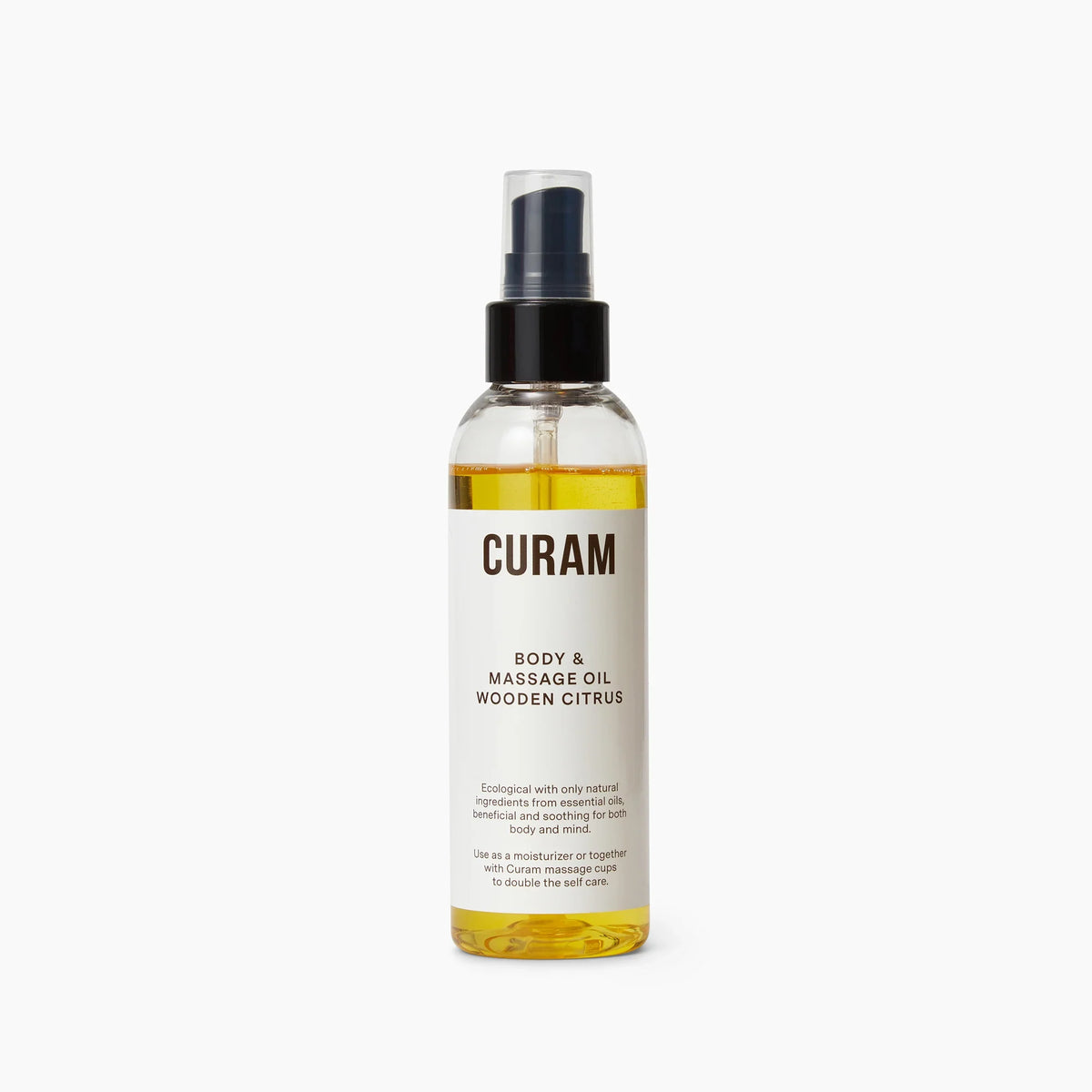
Oil on damp skin re-greases better than most creams, and massaging hands and feet with oil does three things: distributes the oil down into cracks and around the nails, increases blood flow in skin with poor circulation (and dry, cold skin is often poorly perfused skin), and softens stiff joints and tight arches. Two minutes per hand and foot with the body oil in the evening: circle with the thumbs in the palm and sole, stroke along each finger and toe, massage the oil into the cuticles and heel rim, and finish by gliding the mini cup with light suction along the sole from heel towards toes and over the palm, one minute, for extra blood flow. Don't cup over cracks or wounds, not with fungal infection or eczema in a flare, and not on diabetic feet with reduced sensation. More in foot massage, massage oil and the cupping programme for hands.
A routine for hands and a routine for feet
Hands, every day: mild soap and lukewarm water; pat dry; a cream with 5–10 percent urea or glycerin right after every wash (keep a tube by every sink and one in your pocket); gloves for water and chemicals; in the evening oil or rich cream and cotton gloves three nights a week when it is driest; cuticles oiled, not cut. Feet, weekly routine: once a week a ten-minute foot bath, file the heels while damp, dry thoroughly between the toes, urea 20–40 percent on hard areas (not between the toes) on the evenings you haven't filed; every evening foot cream with 10 percent urea or oil, cotton socks overnight during the dry months; closed, cushioned shoes; change socks daily. Allow two to four weeks to soft heels without cracks, and continued maintenance after that; heels that have been allowed to crack return as soon as the routine is dropped.
When to seek care
- Always with diabetes for cracks, wounds, redness or calluses on the feet; foot care via healthcare and never filing deep areas yourself.
- Cracks that don't heal in two to three weeks with the routine above, or that get deeper.
- Signs of infection: spreading redness, warmth, swelling, pus, red streaks, fever.
- Itching, blisters, weeping or redness suggesting eczema, or scaling that doesn't respond to antifungal cream in four weeks.
- Sharply demarcated, thick, silvery-scaling patches or small pustules (psoriasis).
- Dry skin over the whole body together with fatigue, feeling cold, weight gain or hair loss (thyroid, blood test).
- Cold, pale feet with thin shiny skin and wounds that heal slowly (circulation).
- Nail changes: thickened, yellow, crumbly nails (fungus is treated via healthcare) or pitting and lifting nails (psoriasis).
Read more
Foot massage and reflexology, massage oil: how to choose the right one, cold feet and hands, heel spur and plantar fasciitis (heel pain is something other than a cracked heel), foot pain and stretch marks and loose skin.
Frequently asked questions
Why do heels crack?
The heel's skin has a thick horny layer and no sebaceous glands, and when it becomes dry (cold, age, open shoes, barefoot on hard floors) and thickened by pressure the rim becomes hard and inelastic; when body weight pushes the heel pad outwards with every step the rim splits and the crack goes down into living skin. What helps is softening (foot bath, urea 20–40 percent), filing damp skin once a week, re-greasing every evening with socks overnight, sealing deep cracks with liquid plaster, and closed, cushioned shoes.
What helps best for dry hands?
Re-grease right after every wash with a cream containing urea or glycerin (keep a tube by every sink), mild soap and lukewarm water, gloves for water and chemicals, gloves outside, and in the evening oil or rich cream under cotton gloves three nights a week. If the hands itch, redden or get blisters it is eczema and is also treated with cortisone cream; cracks that don't heal in a few weeks should be shown to your doctor.
How do you remove hard skin on the feet?
Soften in a ten-minute warm foot bath, then file the damp horny skin with a foot file or pumice in one direction, lightly, until it is smooth but not pink; once a week. Use urea 20–40 percent or salicylic acid on the hard areas a few evenings a week in between, and re-grease every evening. Never cut with a razor blade or shaver yourself, never file dry skin and never down to living skin; with diabetes hard skin is always managed via healthcare.
Which cream is best for dry feet and cracked heels?
One with urea: 10 percent as a daily foot cream, 20–40 percent on hard heels and calluses a few evenings a week (stings in open cracks, start lower). Apply it on damp skin after showering or a foot bath, and richer in the evening with cotton socks overnight. Oil under the cream enhances it. Available over the counter at pharmacies; expensive specialist products are rarely better than the urea cream.
Do oil and massage help dry hands and feet?
Yes: oil on damp skin re-greases and locks in moisture, the massage distributes the oil down into cracks and cuticles, increases blood flow in skin that is often poorly perfused and softens stiff joints and arches. Two minutes per hand and foot in the evening, ideally followed by light cupping of sole and palm for extra blood flow. Not over open cracks, with fungal infection or eczema in a flare, or on diabetic feet with reduced sensation.
Related guides
Written by Curam. Last updated 17 October 2026. This is general self-care information and does not replace medical care. For sudden, severe or unusual symptoms, contact your doctor. Talk to your doctor before cupping if you are pregnant, take blood thinners or have a condition affecting skin, blood vessels or blood.


