


Stretch marks (striae) are scars in the dermis: when the skin is stretched faster than the collagen and elastin fibres can be rebuilt, they tear, and it first shows as red or purple, slightly raised streaks (striae rubrae), sometimes itchy, which over one to two years fade to white, silvery, slightly sunken streaks (striae albae) with thinner skin. They appear where the skin stretches most: abdomen, hips, thighs, buttocks, breasts, upper arms, lower back in growing boys. Nine in ten pregnant women get them, as do many in puberty, with rapid weight gain or loss, with rapid muscle growth, and with cortisone treatment or Cushing's; how many you get is largely hereditary and depends on the skin's elasticity, not on how carefully you moisturised. They are completely harmless. What can be influenced is above all red stretch marks, with retinoids, microneedling and laser at a skin clinic, and time, which fades all stretch marks; white stretch marks can be made less visible but not removed completely. Creams and oils in themselves don't prevent stretch marks in studies, but massage with oil makes the skin softer, increases circulation and sensation in the area and seems to have a small preventive effect, and light cupping is used in the same way for circulation and elasticity, above all for loose skin. Here is what works in each phase, prevention, loose skin and how to massage and cup.
Why do you get stretch marks, and why do some get more?
- Rapid stretching: pregnancy (especially the last trimester and with a large bump, twins, a big baby), puberty (hips, thighs, breasts in girls; lower back, shoulders in boys), rapid weight gain and loss, rapid muscle growth (shoulders, chest, thighs in strength trainers).
- Hormones: cortisol and cortisone weaken connective tissue; stretch marks are more common with long-term cortisone treatment (including strong cortisone creams over a long time) and with Cushing's syndrome. Pregnancy hormones make the skin more stretchy but also more fragile.
- Heredity: if your mother or siblings have many stretch marks the likelihood is high; the skin's elasticity and collagen quality are inherited. Young age at first pregnancy and higher BMI increase the risk.
- Not the cause: having "forgotten to moisturise", having dry skin in itself, or having trained too hard. And conversely: no cream prevents stretch marks in someone with the predisposition who is stretched a lot.
Stretch marks that appear without obvious stretching, are many and wide, purple and on the trunk together with a round face, fatigue, high blood pressure or easy bruising should be assessed by a doctor (Cushing's syndrome, cortisone excess).
Red or white stretch marks: what can be done in each phase
| Phase | Recognised by | What has evidence | What doesn't help |
|---|---|---|---|
| Red/purple, fresh (0–12 months) | Red, pink or purple streaks, slightly raised, may itch; blood vessels and inflammation show through | Prescription tretinoin (retinoid) at night for 3–6 months clearly reduces length and width (not in pregnancy and breastfeeding); over-the-counter retinol to a lesser degree; microneedling at a skin clinic; pulsed dye laser for the redness; massage with oil for circulation and softness; time | Creams with collagen, elastin or vitamin E (don't penetrate), "stretch mark creams" with big promises; sun (makes the redness more visible and can cause pigmentation) |
| White/silvery, mature (after 1–2 years) | White, sunken, skin that is thinner and wrinkles, no redness | Microneedling (several treatments) and fractional laser at a skin clinic or dermatologist build collagen and make them more even with the skin; retinoid gives some improvement; self-tanner evens out the colour difference; strength training under loose skin fills it out | Anything promising they will disappear completely; they can be made less visible, not removed. Tanning makes them whiter against brown skin |
A realistic expectation: red stretch marks treated early can become 20–50 per cent less visible in studies and fade with time anyway; white stretch marks can be evened out and made less distinct, but the skin doesn't get its original structure back. Many choose to leave them; they are as common as freckles.
Preventing stretch marks in pregnancy and weight change
- Slow change: the only thing that reliably reduces the risk is that the skin is stretched slowly: steady weight gain in pregnancy (according to your midwife's guidelines), weight loss of at most 0.5–1 kg a week, muscle gain at a moderate pace.
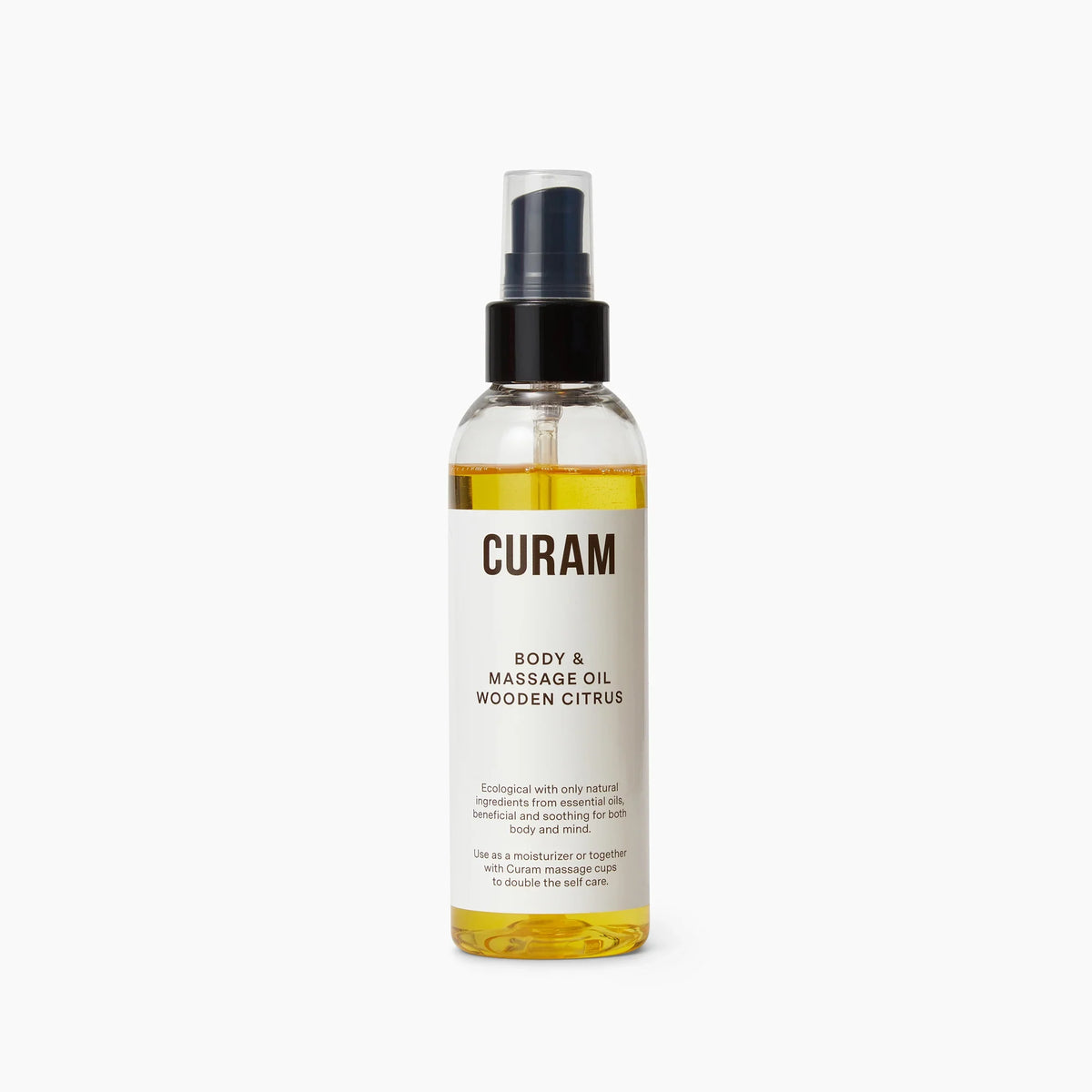
- Daily massage with oil of abdomen, hips, thighs and breasts from the second trimester: studies on oils and creams show little or no effect of the product itself, but the massage itself (a few minutes, with pressure, daily) is linked to somewhat fewer stretch marks and gives softer, less itchy skin. Choose a mild oil without strong essential oils; almond, jojoba or a pregnancy-adapted oil.
- The skin's basic health: water, protein and vitamin C in the diet (collagen is built from them), not smoking (nicotine breaks down collagen), protecting the skin from sun.
- Itching: itchy, tight skin is the sign that it is stretching; moisturise, cool, avoid hot showers and don't scratch (causes scars). Severe itching without a rash late in pregnancy, especially on the palms and soles, should be assessed (cholestasis of pregnancy).
- What isn't needed: expensive special creams; a simple oil and the massage itself do the same good.
Loose skin after weight loss and pregnancy
Skin that has been stretched for a long time (major weight loss, several pregnancies) doesn't always contract fully: the elastin is stretched out and the collagen reorganised. How much it recovers depends on age, how long and how much it has been stretched, heredity, smoking and sun. What helps: time (up to two years after weight loss or delivery), strength training that fills out under the skin (what makes the biggest visible difference on abdomen, arms and thighs), slow weight loss so the skin can keep up, protein and not smoking, retinoids and moisture for skin quality, and massage and cupping for circulation, lymphatic drainage and elasticity (see below). With a lot of excess skin after major weight loss that chafes and causes eczema in folds, plastic surgery is what gives real change, and in some cases it is publicly funded. Abdomen after pregnancy: also check for diastasis recti, which is often what gives the "loose" feeling, and read cupping for cellulite for thighs and buttocks.
Massage, oil and cupping: how to do it, and what to expect
Neither massage nor cupping removes stretch marks or tightens loose skin on its own; what happens is that circulation in the skin increases, lymph is drained, the fascia under the skin is softened, the scar tissue of mature stretch marks becomes softer and less sunken, and the skin gets better moisture and glow. Many notice that red stretch marks itch less and white stretch marks feel smoother after a few weeks, and that the skin on abdomen and thighs feels firmer after weight loss, especially combined with strength training. Five to ten minutes, three to four times a week.
- Massage with oil (all phases, pregnancy included): warm a few drops of oil in the hands, stroke with firm pressure in circles and long strokes over the area for 3–5 minutes, lightly knead skin and subcutaneous tissue between the fingers over white stretch marks (rolling grip). In pregnancy: light pressure on the abdomen, clockwise circles, never discomfort.
- Cupping (not on the abdomen in pregnancy; not on fresh red stretch marks that itch and are raised): the dynamic cup with plenty of oil, light to medium suction, long strokes toward the nearest lymph node station (thighs and buttocks toward the groin, abdomen toward the groin and up toward the armpits, upper arms toward the armpit, the top of the breasts toward the armpit, never over breast tissue), 2–3 minutes per area. Over white stretch marks: short strokes across the streaks with light suction to soften the scar tissue, 1 minute. The technique is in cupping at home and lymphatic massage at home.
- Loose skin: alternate between dynamic cupping for circulation and light "lifting" strokes upward on abdomen and thighs; static cups aren't needed here. Follow with strength training of the area: core, legs and glutes, arms.
- Afterwards: leave moisture or oil on the skin, and sunscreen on the area if it is exposed; sun makes both red and white stretch marks more visible.
- Avoid: strong suction on thin, stretched skin (causes bruises and can create new small stretch marks), cupping over fresh stretch marks, over varicose veins, on the abdomen in pregnancy, over damaged skin or eczema in skin folds. More situations in when to avoid cupping.
Frequently asked questions
Can stretch marks be removed?
Not completely. Red, fresh stretch marks can become 20–50 per cent less visible with a retinoid (not in pregnancy), microneedling or laser and also fade by themselves over one to two years. White stretch marks can be evened out with microneedling and fractional laser but don't get normal skin back. Creams with collagen or vitamin E have no proven effect.
How do you prevent stretch marks in pregnancy?
The only thing that reliably helps is slow, steady weight gain. Daily massage with a mild oil from the second trimester gives softer skin, less itching and seems to give somewhat fewer stretch marks; the product itself matters less than the massage. Heredity and how much the bump grows decide most, so stretch marks are not a failure.
What helps loose skin after weight loss?
Time (up to two years), strength training that fills out under the skin, slow weight loss, protein, not smoking, retinoids and moisture, plus massage and cupping for circulation and elasticity. With a lot of excess skin that chafes, plastic surgery is what gives real change.
Does cupping help stretch marks?
Cupping doesn't remove stretch marks but increases circulation, drains lymph and softens the scar tissue in mature, white stretch marks so they feel smoother and less sunken, and the skin gets better glow and elasticity. Light suction, plenty of oil, not on fresh red stretch marks, not on the abdomen in pregnancy and not over varicose veins.
Why do stretch marks itch?
Fresh stretch marks itch because the skin is stretching and the dermal fibres are tearing, with mild inflammation and dryness. Apply oil or a rich cream, cool, avoid hot showers and don't scratch (causes scars and pigmentation). Severe itching late in pregnancy without a rash, especially on the palms and soles, should be assessed by a midwife.
Related guides
Written by Curam. Last updated 17 October 2026. This is general self-care information and does not replace medical care. For sudden, severe or unusual symptoms, contact your doctor. Talk to your doctor before cupping if you are pregnant, take blood thinners or have a condition affecting skin, blood vessels or blood.


