


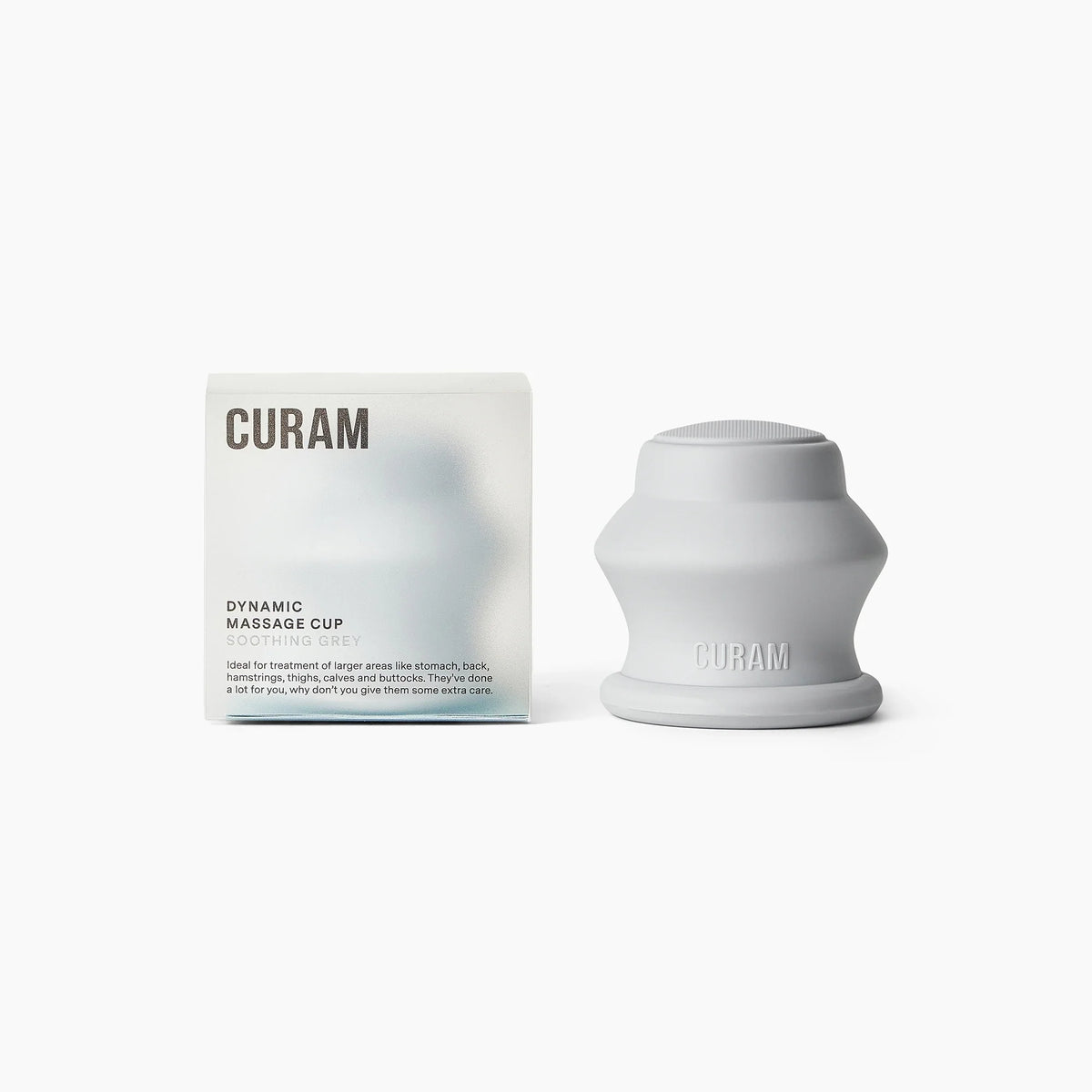
Cupping can make skin with cellulite smoother and more even by increasing circulation, moving fluid and softening the tight connective-tissue strands that pull the skin into dimples. It does not remove fat cells, and the effect builds over weeks and fades if you stop. The method is dynamic cupping with a large silicone cup and oil on thighs, glutes and hips, two to three times a week. Here is what cellulite is, what cupping can and cannot do, the technique step by step, how often, and what to expect.
What cellulite actually is
Cellulite is the dimpled surface on thighs, glutes and hips that most women and some men have. It is not a disease and not a sign of being overweight: it is the result of how fat cells, connective-tissue strands and fluid interact in the subcutaneous layer. In women the connective tissue runs in vertical strands that anchor the skin to deeper layers; when fat cells between the strands expand or fluid accumulates, the skin is pulled down at the anchor points and pushed up in between. Poor circulation and lymphatic flow make it more visible. Hormones, genetics, age and lifestyle all play a part.
Can cupping reduce cellulite?
Honestly: cupping does not remove fat, and no massage does. What cupping does is lift the skin and the connective tissue, increase blood flow, move fluid towards the lymph nodes and soften the strands that cause the dimples. The result, with regular use, is smoother, softer and more even skin, and often a firmer feel. Many users see a visible difference after four to eight weeks. The effect is maintained with continued use and fades over a couple of months if you stop. Combine it with movement, water and strength training for the best result.
How to cup for cellulite, step by step
You need the Dynamic Cup, Curam Body & Massage Oil and, for knees and arms, the Dynamic Mini Cup. Both cups and the oil come in Body Kit Small.
- Warm up with a shower or a few minutes of movement.
- Oil the whole area generously: thigh, glute, hip.
- Attach the cup with light to moderate suction. Where the tissue is dense it can feel tender at first: use lighter suction and increase over the weeks.
- Glide in slow strokes, about one centimetre per second. Thigh: from the knee up towards the groin on the front, outside and back, five to eight strokes per lane. Glutes and hips: large circles and strokes up towards the hip bone.
- Vary the direction: along the muscle, then across, then zigzag. It is the variation that softens the strands.
- Finish with lymphatic strokes with light suction towards the groin, so the fluid you have moved has somewhere to go.
- Three to five minutes per area, then the other leg. Drink water afterwards.
The full programme with pictures: Cupping programme: anti-cellulite. Technique basics: Cupping at home.
How often, and when do you see results?
Two to three times a week, three to five minutes per area. Immediately after: pink, warm skin that feels softer. After two weeks: less puffiness, smoother feel. After four to eight weeks: visibly more even skin for most people. Take a photo in the same light every two weeks; the change is gradual and easy to miss day to day.
Before and after: realistic expectations
Expect smoother, more even and firmer-feeling skin, less visible dimpling, and less swelling. Do not expect the dimples to disappear completely, fat loss or permanent results without maintenance. Skin responds differently depending on skin type, age, hormones and lifestyle. Anyone promising cellulite "removal" with a cup is overselling.
What to combine it with
- Strength training for legs and glutes: more muscle under the skin smooths the surface.
- Daily movement and water: circulation and lymphatic flow are the point.
- Dry brushing before the shower on days you do not cup.
- Less salt and alcohol, which hold fluid.
Common mistakes
- Too much suction too soon. Dense tissue is tender; dark marks and pain mean you are overdoing it.
- Too little oil. The cup should glide, not drag.
- Letting the cup stand still on the thigh. That gives marks without adding effect.
- Giving up after two weeks. The visible change comes after four to eight.
- Cupping over varicose veins. Go around them, never over.
When not to cup
Not on varicose veins, damaged or inflamed skin, during pregnancy on the body, with a blood clot, with fever or infection, during cancer treatment, or on blood thinners without your doctor's approval. Full list: Who should avoid cupping.
Frequently asked questions
Which cup should I use for cellulite?
The Dynamic Cup with body oil. The Dynamic Mini Cup suits smaller areas such as knees and arms.
How often should you cup for cellulite?
Two to three times a week, three to five minutes per area. Let the skin rest if it feels tender.
Does cupping for cellulite hurt?
Where the tissue is dense it can feel tender at first. Reduce the suction, work more superficially and increase as the area softens. It usually hurts less every time.
Will I get marks?
With dynamic cupping, where the cup keeps moving, rarely. Marks come from the cup standing still or from too much suction.
Does it work for everyone?
Skin responds differently depending on skin type, age, hormones and lifestyle. Most people get smoother and more even skin, but the degree varies.
Written by Curam. Last updated 16 October 2026. This is general self-care information and does not replace medical advice. Talk to your doctor before cupping if you are pregnant, take blood thinners or have a condition affecting skin, blood vessels or blood.


