


A stiff, tired or sore lower back almost always gets better from being moved, not rested. The best programme at home combines two things: gentle stretching and mobility exercises that get the muscles around the lower back to let go, and simple strength exercises for the back, abdomen, glutes and hips so the back can cope with daily life without aching. Ten minutes a day is enough, and the exercises below need only a floor and a mat. Cupping belongs as a warm-up: five minutes of light cupping of the lower back and buttocks makes the muscles warm and soft, so the stretches go deeper and the strength exercises feel easier. Here are ten exercises, how often to do them, when to refrain and how to combine them with cupping.
Before you start: when the back should not be stretched
The exercises suit ordinary, non-specific lower back pain and stiffness. Refrain and see a doctor if you have numbness in the groin, difficulty passing urine or controlling your bowels, increasing weakness in the legs, pain after a fall, fever, night pain at rest, osteoporosis or cancer in your history, or if you are pregnant with pelvic pain (see Pelvic girdle pain). With acute lumbago, start with walks and the first three exercises, and add the rest once the stabbing has settled. If the pain radiates down the leg, read Sciatica first: there, hard stretches of the back of the leg are advised against. Exercises should feel like tension and stretch, not sharp pain, and not cause more pain the next day.
Five exercises that stretch and loosen the lower back
- Knee to chest. Lie on your back, pull one knee towards the chest with your hands, hold 20–30 seconds, switch. Finish with both knees. Stretches the lower part of the lower back and the glutes.
- Cat–cow. On all fours: round the back up towards the ceiling on the exhale, arch and lift the gaze on the inhale. Ten slow repetitions. Moves the whole spine gently and is the best exercise for morning stiffness.
- Lying rotation. Lie on your back with bent knees, arms out to the sides. Let the knees fall to one side, hold 20–30 seconds, switch. Stretches the sides of the lower back and the glutes. Skip if it radiates.
- Child's pose. Sit on your heels, stretch the arms forward on the floor and lower the chest. Breathe deeply into the back for 30–60 seconds. Calming and stretching for the whole back.
- Kneeling hip flexor stretch. One knee on the floor, the other foot in front. Tilt the pelvis back (tuck your tail under) and move the hip forward until it stretches at the front of the hip, 30 seconds per side. Tight hip flexors pull the lower back into an arch and are one of the most common causes of a tired lower back in people who sit a lot. More on the hip in Hip and hip flexor stretches.
Five exercises that strengthen the back
- Pelvic tilt. Lie on your back with bent knees. Press the lower back into the floor by tightening the abdomen, hold five seconds, release. Ten repetitions. Teaches you to find the deep abdominal muscles.
- Glute bridge. Same starting position; lift the pelvis until the body is straight from knees to shoulders, hold two seconds, lower slowly. Three sets of twelve. Strengthens the glutes and hamstrings, which offload the lower back.
- Bird dog. On all fours: extend the right arm and left leg at the same time, keep the back still and flat, five seconds, switch. Ten per side. The best documented exercise for the back's deep stability.
- Side plank on the knees. Lie on your side with bent knees, support on the forearm, lift the hip. Hold 20–40 seconds per side. Strengthens the side abdominals that keep the pelvis stable.
- Low back extension on the stomach. Lie on your stomach with arms along the sides, lift the chest a few centimetres with the gaze on the floor, hold three seconds, lower. Ten repetitions. Strengthens the long back muscles without pushing the lower back into an arch.
How to structure it
The stretching part every day, ideally in the morning or after the working day; the strength part every other day. The whole programme takes ten to fifteen minutes. Start with fewer repetitions and increase when it feels easy; some soreness in the glutes and abdomen is normal, increasing back pain is not. If you go to a gym you can add light deadlifts, rows and squats, which are the best back exercises for strength, but the home programme goes a long way for most people. Combine with daily walks and getting up every half hour; that does more for the lower back than any single exercise. How to otherwise relieve and prevent back pain is in Back pain and lower back pain.
Cupping before the exercises: five minutes that make a difference
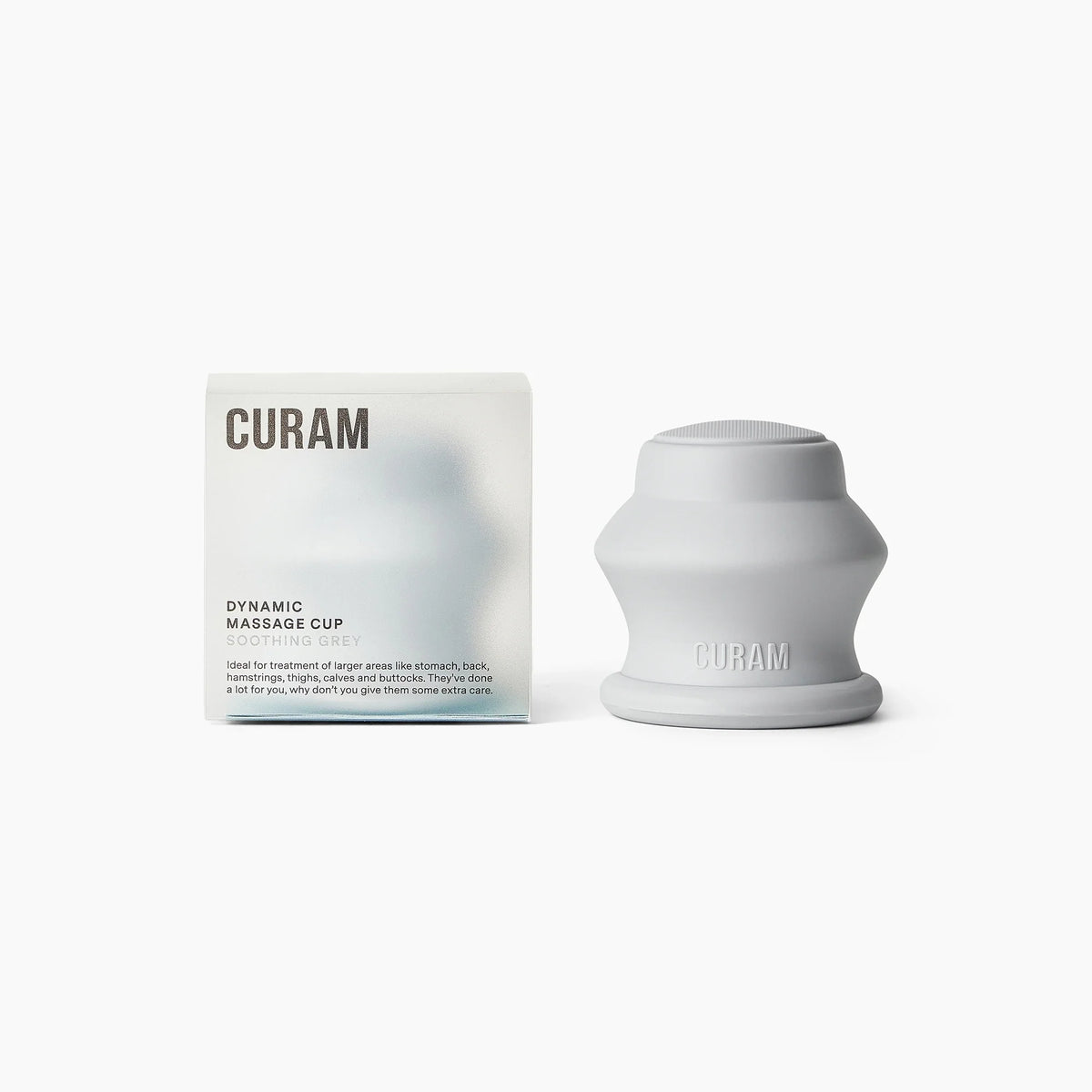
Light cupping of the lower back and buttocks before stretching makes the muscles warm and well supplied with blood, so the stretches go deeper without you having to force. You need someone to help with the lower back, the dynamic cup and body oil; the buttocks and outer thigh you can do yourself lying on your side.
- Oil the lower back and buttocks.
- Lower back. Light suction, slow strokes upwards along the muscles a hand's width from the spine, five strokes per side. Never on the spine.
- Buttocks. Large circles and strokes from the sacrum out towards the hip, five per side.
- Back and outside of the thigh. Strokes from knee towards hip, light suction.
- Go straight to the exercises while the muscles are warm.
The basics of static and dynamic cupping are in Cupping at home, and the whole back in Cupping on the back. Do not cup with any of the conditions under "Before you start", not directly on the spine and not without medical advice if you are pregnant, take blood thinners or have osteoporosis.
Frequently asked questions
How often should you stretch the lower back?
Daily, five to ten minutes, ideally in the morning when the back is at its stiffest or after a day of sitting. Stretching gives short-term relief; strength exercises every other day give the long-term effect.
Which back exercises are best at home?
Bird dog, glute bridge, side plank and pelvic tilt for strength, and cat–cow, knee to chest and the hip flexor stretch for mobility. They cover back, abdomen, glutes and hips without equipment.
Should I stretch when my back hurts?
With ordinary stiffness and dull aching, yes, gently and within the pain limit. With acute lumbago: start with walks and the easiest exercises. With radiation into the leg, numbness or warning signs: see a doctor first.
Does cupping help with a stiff lower back?
Cupping makes the muscles warm and soft and works well as a warm-up before stretching and strength work, but does not replace the exercises. Five minutes of light cupping followed by ten minutes of exercises is a good combination.
How long before the exercises help?
Stretching relieves immediately but briefly. Strength exercises give a noticeable difference after four to six weeks of regular training, and the effect lasts as long as you continue.
Sources
- 1177 Vårdguiden (Swedish national health guide), search for "ont i ländryggen" for medical information and when to seek care.
- Curam's FAQ and cupping programmes, developed together with trained massage therapists.
Related guides
- Core exercises at home – 10 exercises for a strong trunk
- Home workout without equipment – 20-minute programme in three levels
Written by Curam. Last updated 17 October 2026. This is general self-care information and does not replace medical care. For sudden, severe or unusual symptoms, contact your doctor. Talk to your doctor before cupping if you are pregnant, take blood thinners or have a condition affecting skin, blood vessels or blood.


