


Lumbago, often called "putting your back out", is a sudden, often stabbing pain in the lower back that locks you up so you hardly dare to move. It typically comes with a lift, a twist or when you get up, but sometimes without an obvious cause. In the vast majority of cases it is a strong protective muscle spasm and irritation of the joints and soft tissues of the back, not an injury, and it settles on its own within a few days to a couple of weeks. The most important thing you can do is keep moving as best you can, avoid bed rest and relieve the pain enough that you dare to be active. Here is what to do the first days, which warning signs mean medical care now, and how gentle cupping can help the muscles let go once the acute phase has passed.
What is lumbago?
Lumbago is an everyday word for acute low back pain, that is, pain that started in the last few days. The back muscles contract in a protective spasm, so the whole lower back feels stiff, tender and "locked". The pain often sits on one side and can radiate towards the buttock, but not down the leg. Common triggers are heavy or awkward lifts, bending forward with straight legs, a long car journey followed by a sudden movement, cold and draughts, or a period of stress and poor sleep. Lumbago is common: most adults get it at some point, and recurrences are not unusual, but that does not mean the back is damaged.
If the pain radiates down the leg below the knee, or you have numbness and tingling, it may instead be sciatica. If your lower back has hurt for a long time and keeps coming back, read Lower back pain – self-care.
When to see a doctor
Call emergency services or go to A&E if, together with the back pain, you get numbness in the groin or around the back passage (the "saddle area"), difficulty passing urine or controlling your bladder or bowels, or rapidly increasing weakness in the legs. See a doctor the same day if the pain came after a fall or accident, if you have a fever, if you have or have had cancer, if you have osteoporosis or are treated with cortisone, if you are over 55 or under 20 and have lumbago for the first time, or if you are losing weight without trying. Contact your doctor if the pain has not started to ease after one to two weeks, or if you get repeated episodes.
The first days: what to do
- Keep moving. Bed rest prolongs the problem. Take short walks, often. Change position every 20–30 minutes. Do what you can, even if slowly.
- Find resting positions that offload. Lie on your back with pillows under the knees, or on your side with a pillow between the knees. Do not sit for long; sitting is often what hurts most.
- Heat. A warm shower, heat pad or wheat bag on the lower back for 15–20 minutes gives the muscles a chance to relax.
- Pain relief so that you dare to be active. Over-the-counter painkillers as directed on the pack or by your pharmacist, unless you have reasons to avoid them. The point is to move, not to rest the pain away.
- Lift correctly. Bend the knees, keep the load close to the body, avoid twisting. Ask for help the first days.
- Breathe and lower the stress. Fear of movement makes the tension worse. Long exhalations and calm help the muscles let go.
After two to three days it usually starts to ease. Then it is time to move the back more, ideally with gentle exercises such as pelvic tilts, cat–cow on all fours and knee to chest lying on your back, at the pace that feels right.
Cupping for lumbago, step by step
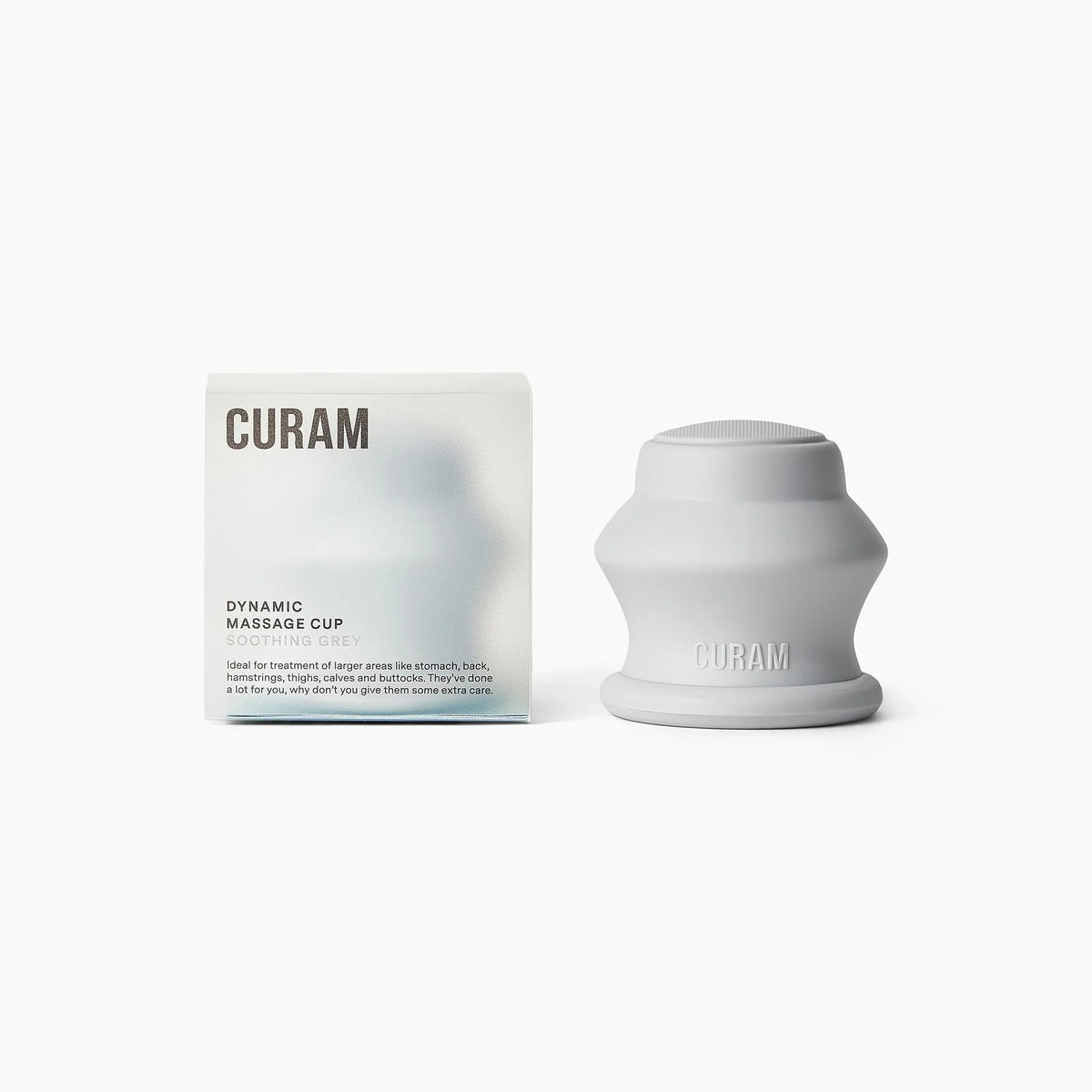
In the first one to two days, when everything is hot and locked, heat and movement are better than cupping. Once you can lie on your stomach without stabbing pain, usually day two or three, gentle cupping can help the tense back muscles let go. You need someone to help you, the dynamic cup, ideally static cups, and body oil. Never cup on the spine itself, only on the muscles either side of it.
- Warm up first. A warm shower or heat pad for ten minutes.
- Oil the whole lower back and the upper part of the buttocks.
- Dynamic, light suction. Glide the cup in slow strokes upwards along the long back muscles, a hand's width from the spine, from the rim of the pelvis up towards the lowest ribs. Five to eight strokes per side. The suction should be light enough that the cup glides without catching.
- The buttocks. Glide the cup in circles over the upper buttocks; the gluteal muscles are almost always tense with lumbago.
- Static. Place a static cup with light suction on the most tender point either side of the lower back, one to three minutes. Not on the spine, and not over the kidney area with strong suction.
- Finish with heat and a few minutes lying on your back or side. Then take a short walk.
Repeat every other day while the lumbago settles. The basics of how static and dynamic cupping work are in Cupping at home, and a full walkthrough of the back in Cupping on the back. If you sit a lot in daily life, Cupping for people who sit a lot is a good way to prevent the next episode.
How to reduce the risk of the next episode
The best protection is a back that is used: regular walking, strength work for back, abdomen and glutes twice a week, and variety in daily life so you do not sit still for hours. Warm up before heavy lifting and gardening, and build up the load gradually after a sedentary period. Sleep and stress matter more than many think; a tense body tolerates less.
When not to cup
Not during the first day when the pain is at its worst, not if you have any of the warning signs above, not directly over the spine, not on wounds, rashes or recent bruises, not with a fever, and not without medical advice if you are pregnant, take blood thinners, have osteoporosis or have cancer in your history. If cupping hurts, stop.
Frequently asked questions
How long does lumbago last?
The worst is usually over in two to three days and most people have recovered within one to two weeks. Some feel it for a few weeks more. Movement shortens the course, bed rest prolongs it.
Should I rest or move with lumbago?
Move, as best you can. Short frequent walks and changing position are better than lying still. Rest in offloading positions in between, but not for hours.
Does cupping help with lumbago?
Cupping does not treat the cause, but it can help the tense back muscles let go and increase circulation once the acute phase has passed. Many find it relieving, especially combined with heat and movement.
Should I use heat or cold?
Most people feel best with heat for lumbago, since it is the muscle tension that hurts. Try what feels best for you; neither is harmful on the lower back.
When is lumbago dangerous?
Rarely. Seek urgent care for numbness in the saddle area, problems passing urine or controlling your bowels, or increasing weakness in the legs. See a doctor the same day after an accident, with a fever, a history of cancer, osteoporosis or unexplained weight loss.
Sources
- 1177 Vårdguiden (Swedish national health guide), search for "ryggskott" for medical information and when to seek care.
- Curam's FAQ and cupping programmes, developed together with trained massage therapists.
Related guides
- Lower back stretches and back exercises at home – 10 exercises
- Herniated disc – symptoms, self-care and what helps
- Back pain – where does it hurt and what can it be?
- Kinesiology tape – how to tape knee, shoulder and back, and tape or cupping
- Naprapath, chiropractor or physiotherapist – who should you see?
Written by Curam. Last updated 17 October 2026. This is general self-care information and does not replace medical care. For sudden, severe or unusual symptoms, contact your doctor. Talk to your doctor before cupping if you are pregnant, take blood thinners or have a condition affecting skin, blood vessels or blood.


