


The immune system has two parts that work together. The innate defence is fast and non-specific: the barriers of skin and mucous membranes, mucus and cilia in the airways, stomach acid, and cells (neutrophils, macrophages, NK cells) that eat and kill what gets in, with inflammation (fever, swelling, tiredness) as a tool. The adaptive defence is slow and specific: T cells that recognise and kill infected cells, B cells that form antibodies, and memory cells that make you immune or give you a milder illness next time, which is what vaccines build on. All of this is coordinated in the lymphatic system: the lymph nodes are the meeting places where immune cells meet what they should react to, the lymph vessels transport cells and signals, the spleen filters the blood, and the bone marrow and thymus make the cells. The immune system is governed by sleep (many immune cells are formed and distributed at night, and the antibody response after vaccination is poorer in those who have slept little), by stress hormones (cortisol dampens it in the short term, which is good in acute danger, but chronic stress keeps it dampened and at the same time inflamed), by movement (every session puts immune cells into circulation; regular training lowers chronic inflammation), by nutrition (protein, zinc, iron, vitamins C and D, folate are building blocks; deficiency weakens, excess doesn't help), by age (it weakens and becomes more inflamed after 65) and by the gut flora (which trains and regulates it). So it can be influenced, but not "boosted": a strong immune system is a well-regulated one, not a maximally activated one.
What actually works, in order of effect
- Sleep, seven to nine hours. In the classic study where volunteers had cold virus put in their noses, 45 per cent of those who slept under six hours got sick, against 17 per cent of those who slept over seven; sleep deprivation triples the risk of getting sick from the same virus. Sleep is also when memory cells are formed: vaccines take better if you sleep the night after. See sleep problems and sleep deprivation.
- Regular moderate movement, 30–45 minutes most days (a brisk walk is enough): those who move regularly have 40–50 per cent fewer days with respiratory infection than sedentary people in studies, and milder courses. Very hard training (marathons, training camps) on the contrary gives an "open window" of a few hours to a day with increased susceptibility; rest then, and don't train with a fever (see exercising with a cold).
- Manageable stress. Chronic stress dampens the immune system and prolongs infections: students during exams, family carers and people in long-standing conflict get sick more often and respond worse to vaccines. What helps is what lowers the stress system: sleep, movement, social contact, breathing, relaxation, massage. See stress.
- A diet with enough protein, vegetables, fruit, wholegrains and fibre. Protein (1 g/kg) builds immune cells and antibodies; zinc, iron, selenium, vitamins C and D, folate and B12 are necessary and are found in a varied diet; fibre and fermented foods feed the gut flora that regulates the immune system. Deficiency weakens (most common: vitamin D in winter, iron in women, protein in older people), but more than normal gives nothing extra. Alcohol above moderate amounts and a lot of sugar dampen.
- Normal weight. Fat tissue produces inflammatory signals that disturb the immune system; people with overweight get more severe infections and poorer vaccine responses. Weight loss normalises it.
- Stopping smoking. Smoking paralyses the airways' cilia and weakens the defence in the lungs; smokers get twice as many respiratory infections. The cilia recover within weeks to months.
- Vitamin D 800–2,000 IU a day during the winter half of the year if you are over 70, rarely outdoors, have dark skin, overweight or proven deficiency: reduces respiratory infections in those with deficiency, not in those with normal levels.
- Vaccines against influenza, covid, pneumococci and shingles as recommended by age and risk group: it is the only way to "train" the adaptive defence in advance.
- Hand washing, not touching the face, airing rooms, and staying home when sick: most of the difference in how often people get sick is exposure, not resistance.
- Social contact and meaning: loneliness is measured as an immunological stress factor on a par with smoking in large studies.
What doesn't work, or not as promised
| Claimed to strengthen the immune system | What research shows |
|---|---|
| High-dose vitamin C | Doesn't prevent colds in the general population; shortens the course by about eight per cent (half a day) with regular intake; doesn't help to start once you are sick. Exception: extreme athletes and soldiers in the cold. |
| Zinc | Lozenges within 24 hours of first symptoms can shorten a cold by about a day; doesn't prevent; causes nausea and taste disturbance. |
| Echinacea, ginger, turmeric, garlic, honey, "immune shots" | Mixed or negative results; honey soothes cough, ginger nausea. Pleasant, not immune-strengthening. |
| Probiotics | Certain strains reduce respiratory infections slightly in children and older people; the effect is strain-specific and moderate. |
| Multivitamins "for the immune system" | No effect in those who eat normally; fills a deficiency in those who have one. |
| Cold baths, sauna | Good for wellbeing and recovery; some reduction in sick days in a Dutch study on cold showers (29 per cent fewer sick leave days, but not fewer days of illness); not a miracle cure. See sauna and cold baths. |
| "Detox", juice fasting, "cleansing the lymph" | Liver, kidneys and lymphatic system look after themselves; fasting weakens rather than strengthens. The lymph is kept moving by movement, not by juice. |
| "Boosting" with autoimmune disease or allergy | There the immune system is already too active; the goal is balance, not more. |
The lymphatic system: the immune system's transport network
Lymph is the fluid collected from the tissues, filtered through the lymph nodes and returned to the blood, and it is in the nodes that the immune system's cells meet what they should fight: that is why the nodes in the neck swell with a throat infection. The lymphatic system has no pump; it is driven by muscle movement, breathing, body position and pressure from outside. Sitting still, shallow breathing and stress make the flow slow; walking, deep breathing, movement and massage speed it up. It isn't that sluggish lymph "gives" infections, but a mobile lymphatic system transports immune cells and waste more efficiently, and swollen, heavy legs and face in the morning are signs that it needs help getting going. More in the lymphatic system: how it works and swollen lymph nodes.
What cupping and lymphatic massage do, and don't do, for the immune system
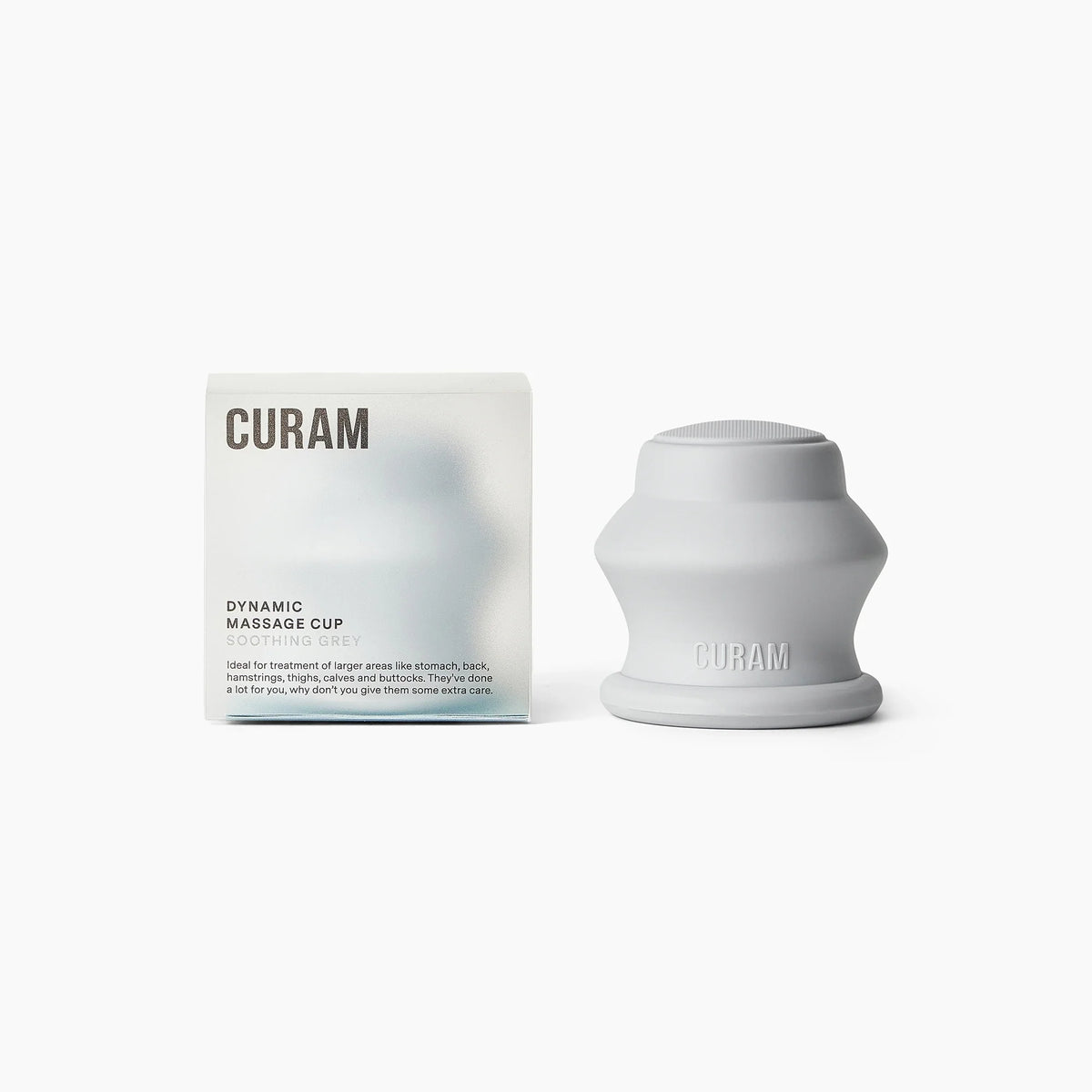
Honestly: there are no studies showing that cupping or lymphatic massage give you fewer colds, and we don't claim that. What exists are three indirect routes with support. Stress and sleep: massage in various forms lowers cortisol and sympathetic activity and improves sleep quality in repeated studies, and light cupping of back, neck and legs in the evening is for many one of the most effective ways to wind down; since sleep and stress are the two biggest modifiable factors for the immune system, that is the route that matters most. Lymph flow: lymphatic massage and cupping with light suction towards the lymph nodes measurably increase lymph flow and reduce swelling, which is documented in lymphoedema and after surgery; for the immune system that means more efficient transport, not more immune cells. Recovery: cupping after training reduces muscle soreness and tension, which makes it easier to keep up the regular moderate movement that is the immune system's best friend. How to do it as an evening routine two to three times a week: oil the skin, glide the dynamic cup with light suction from the ankle towards the back of the knee and from the knee towards the groin on the legs, from the wrist towards the elbow and towards the armpit on the arms, and over the belly in clockwise circles; place static cups with light suction on each side of the spine between the shoulder blades and on the lower back for five to ten minutes while you breathe out slowly; finish with light lymphatic massage of the neck downwards towards the collarbones with the fingertips. Ten to fifteen minutes, and bed straight after. Don't cup when you have a fever, an ongoing infection, swollen tender lymph nodes or feel ill: the body needs rest, and cupping over inflamed nodes and tissue should be avoided; wait until you are fever-free and well again. Nor during shingles, with a skin infection or on a recently vaccinated arm (wait a few days). The technique in lymphatic massage at home and lymphatic health with cupping.
Read more
The lymphatic system, swollen lymph nodes, lymphatic massage at home, sleep problems, stress, exercising with a cold, blocked nose and sinuses, inflammation in the body and sauna and cold baths.
Frequently asked questions
How do you really strengthen the immune system?
Sleep seven to nine hours (the single biggest factor: sleep deprivation triples the risk of getting sick from the same virus), 30–45 minutes of moderate movement most days, manageable stress, a diet with enough protein, vegetables and fibre, normal weight, moderate alcohol, not smoking, vitamin D if deficient, vaccines as recommended, hand washing and staying home when sick. Supplements beyond that give nothing in those who eat normally.
Does vitamin C help against colds?
It doesn't prevent colds in ordinary people, and it doesn't help to start once you are sick. Regular intake shortens the course by about eight per cent, half a day. Zinc as a lozenge within a day of first symptoms can shorten it by about a day but often causes nausea. Sleep, movement and stress management have many times greater effect than either.
Why do I catch colds so often?
Most often exposure (small children, public transport, offices) combined with too little sleep, stress and sitting still; four to six colds a year is normal for those with children in nursery. Smoking, overweight, alcohol, low protein intake, vitamin D and iron deficiency weaken. See a doctor for infections that constantly become serious (pneumonia, sinusitis needing antibiotics several times a year), unusual infections, or swollen lymph nodes that don't go down.
What does the lymph have to do with the immune system?
The lymphatic system is the immune system's transport network: the lymph nodes are where immune cells meet what they should fight (which is why they swell with infection), the lymph vessels transport cells, signals and waste, and the spleen filters the blood. The system has no pump but is driven by movement, breathing and pressure from outside, so sitting still makes it sluggish and walking, deep breathing and lymphatic massage keep it moving. Sluggish lymph doesn't cause infections, but a mobile system works more efficiently.
Does cupping strengthen the immune system?
Not directly, and no studies show fewer colds. What cupping and lymphatic massage do is lower stress and improve sleep (the two biggest modifiable factors), increase lymph flow and ease recovery after training, which are the routes that actually matter. Light cupping of legs, arms, back and belly as an evening routine two to three times a week. Never cup with a fever, an ongoing infection, swollen tender lymph nodes or when you feel ill.
Related guides
- Vitamin D deficiency – symptoms, who is affected and how much you need
- How many steps a day? 10,000 steps and the research
Written by Curam. Last updated 17 October 2026. This is general self-care information and does not replace medical care. For sudden, severe or unusual symptoms, contact your doctor. Talk to your doctor before cupping if you are pregnant, take blood thinners or have a condition affecting skin, blood vessels or blood.


