


The skeleton is living tissue that is broken down and built up throughout life: osteoclasts remove old bone, osteoblasts build new, and until the age of 25–30 building wins. Then it is roughly even until 50, after which breakdown takes over, slowly in men and in a steep slope in women in the first five to ten years after menopause when oestrogen, which restrains the osteoclasts, disappears. Osteoporosis is when bone density has fallen so much and the bone's inner structure has become so sparse that the bone breaks from loads a healthy skeleton tolerates: a fall from standing height, a lift, a cough. The diagnosis is made with a bone density scan (DXA) where your value is compared with a young healthy reference: a T-score below −2.5 is osteoporosis, between −1 and −2.5 osteopenia (reduced bone density), and a low-trauma fracture of the hip or a vertebra counts as osteoporosis whatever the value. The most common fractures are the wrist (often the first warning, around 55–65), the vertebrae (vertebral compression, often silent or a "back strain" that doesn't go away), the upper arm, the pelvis and the hip (the most serious: one in five dies within a year, half don't regain their previous function). The risk factors: female, age over 65, early menopause or removed ovaries, hip fracture in a parent, previous low-trauma fracture, cortisone tablets for more than three months, smoking, more than two drinks a day, low weight (BMI under 20), rheumatoid arthritis, coeliac disease, inflammatory bowel disease, overactive thyroid, diabetes, COPD, certain medicines (aromatase inhibitors, antiepileptics, long-term proton pump inhibitors), prolonged inactivity and eating disorders. What saves you: finding it in time. Treatment halves the risk of a new fracture, and training makes the skeleton stronger at all ages.
Signs that do exist, even though osteoporosis is silent
- You have become shorter: more than three centimetres since you were 25, or more than two centimetres since the last measurement, suggests vertebral compressions.
- A rounded upper back that increases, a distance between the lowest rib and the hip crest that has shrunk to under two finger widths, or a belly that "bulges out" without weight gain: the vertebrae have collapsed.
- Back pain that came suddenly with a lift, a sneeze or nothing at all, in the middle of the back or the lower back, worse with standing and walking, better lying down, and that takes six to twelve weeks to subside: a vertebral compression. Two in three vertebral compressions are never diagnosed.
- A fracture from a fall from standing height (tripped on the rug, slipped on ice) in the wrist, upper arm, ribs, pelvis or hip after the age of 50: by definition a warning fracture that should lead to investigation, whatever the age.
- Tooth loss and jawbone loss that the dentist notes.
Ask for a bone density scan (your doctor refers) if you are a woman over 65 or a man over 70, if you have had a low-trauma fracture after 50, if you take or have taken cortisone for more than three months, if you have two or more of the risk factors above, or if the FRAX calculator (a questionnaire the doctor or you fill in online) shows over 15 per cent ten-year fracture risk. The scan takes ten minutes, is painless and gives a fraction of an ordinary X-ray's radiation. Seek urgent care for sudden severe back pain with numbness or weakness in the legs, or after a fall where you can't bear weight.
Treatment
The foundation for everyone with osteoporosis or high fracture risk: calcium and vitamin D in the right amounts (below), weight-bearing training, fall prevention, stopping smoking and moderate alcohol. Medicines are given for osteoporosis with fracture, for a T-score below −2.5 with risk factors, and for high FRAX risk: bisphosphonates (alendronate as a weekly tablet, zoledronic acid as a yearly infusion) slow breakdown and halve the risk of vertebral and hip fracture; denosumab as an injection every six months with kidney failure or when bisphosphonates aren't tolerated (must not be stopped without follow-up); bone-building drugs (teriparatide, romosozumab) for severe osteoporosis with several fractures; oestrogen in menopause protects the skeleton and is considered in women under 60 with menopausal symptoms. Treatment continues for three to five years with reassessment, is harmless for most (a dental check before bisphosphonates and denosumab; the rare jawbone side effects are very uncommon at osteoporosis doses), and the only common reason it doesn't work is that it isn't taken. Pain relief for vertebral compression: paracetamol, a short course of anti-inflammatories, heat, a brace in the acute phase, and above all early movement and physiotherapy; opioids for as short a time as possible.
Training that strengthens the skeleton
The skeleton is built by loading: osteoblasts are activated by impact, pull from muscles and weight, and it is specific: the spine's vertebrae are strengthened by the back muscles loading them, the femoral neck by jumps, steps and leg strength. Swimming and cycling are good for the heart but give almost no stimulus to the skeleton. What has evidence, from national osteoporosis centres and international guidelines:
- Strength training with progressive load two to three times a week, eight to twelve repetitions, heavy enough that the last ones are hard: squats (from a chair if necessary), lunges, deadlifts with a light weight and straight back, rows, lat pulldowns, shoulder press, glute bridges. The LIFTMOR study showed that even women with osteoporosis tolerate and benefit from heavy, supervised strength training. See strength training at home.
- Impact loading: brisk walking, stairs, light skipping, jumps from a low step, dancing, ball sports; 50 impacts a day (for example 5 × 10 small jumps or heel drops where you rise onto your toes and drop onto the heels) increases bone density in the hip. With established osteoporosis with vertebral compressions: heel drops and brisk walking instead of jumps; discuss with a physiotherapist.
- Back extensors: lie on your front, lift the upper body a few centimetres with the hands at your sides, hold 5 seconds, 10 times; standing rows with a resistance band; "wall angels". Strong back extensors reduce the risk of vertebral compression and counteract a rounded back. Avoid deep forward bends with a rounded back under load (sit-ups, lifting something from the floor with a bent back, certain yoga poses): that is how vertebrae are compressed.
- Balance and fall training: tai chi (best supported against falls), single-leg standing, tandem walking (foot in front of foot), standing up from a chair without hands, stepping over obstacles; 10–15 minutes daily. Nine in ten hip fractures are due to a fall; see balance exercises at home.
- Posture and mobility: upper back mobilisation over a rolled towel, chest openers, hip flexor stretch; see better posture.
The effect on bone density is a few per cent a year, which sounds little but corresponds to turning the clock back several years, and the effect on muscle strength, balance and fall risk comes within weeks. Start supervised if you have osteoporosis.
Calcium, vitamin D and protein
- Calcium 800–1,000 mg a day, preferably from food: three portions of dairy (a glass of milk, a yoghurt, two slices of cheese give about 800 mg), fortified plant drinks, sardines with bones, kale, almonds, sesame. Supplements only to top up what is missing, max 500 mg at a time, no more than 1,000–1,200 mg in total (more gives no benefit and possibly cardiovascular risk).
- Vitamin D 800 IU (20 µg) a day for everyone over 70 and for those with little sun, dark skin, overweight or covering clothing; oily fish, eggs and fortified products are rarely enough in northern winters. A blood test if deficiency is suspected.
- Protein 1–1.2 g per kilo of body weight a day, spread over the meals: the skeleton is half protein, and older people with low protein intake lose both muscle and bone. Make sure every meal contains a protein source.
- Avoid more than two drinks a day, smoking, extreme diets and prolonged low energy intake. Coffee and salt in moderate amounts make no difference. Vitamin K2, magnesium and collagen have weak support; don't prioritise them.
Fall prevention at home
Remove loose rugs and cables, good lighting in the hall and to the toilet at night, non-slip mats in the shower, grab rails in the bathroom, shoes with a heel counter indoors instead of socks, eye and hearing checks, a medication review (sleeping pills, blood pressure medicines and antidepressants increase fall risk), ice grips in winter, and strength and balance training as above. Hip protectors for those who have fallen before and live in care homes.
Cupping and massage with osteoporosis: how to adapt
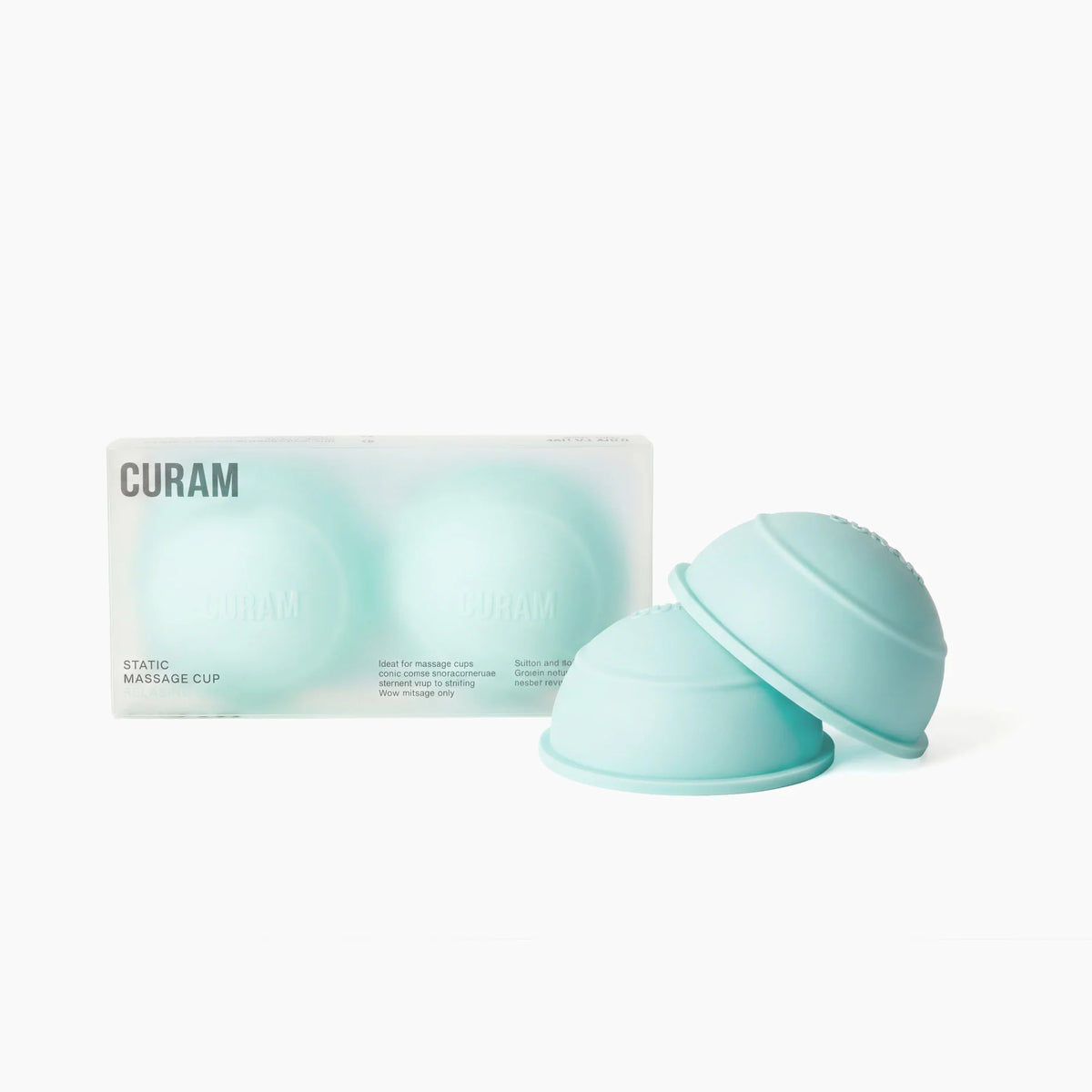
Cupping doesn't affect bone density, but many with osteoporosis have back pain from vertebral compressions, tight back extensors working against the rounded back, stiff hips and tender muscles after new training, and light cupping of the muscles relieves that and makes training feel possible. What applies is caution with the skeleton and the skin: never hard pressure, strong suction or pressing massage over the spine, the ribs, the breastbone or other bony prominences (ribs can break from pressure in severe osteoporosis), not over a fresh vertebral compression or fracture (wait until the pain has subsided and the doctor has approved, usually eight to twelve weeks), not with strong suction on thin, fragile older skin or skin that has had cortisone for a long time (bruises and skin damage easily), and not with vigorous movements of the back during treatment (forward bending with a rounded back, twisting under pressure). How to: lie on your side with a pillow between the knees or sit comfortably leaning forward against a table with pillows; not on your front if the rounded back makes it uncomfortable. Oil the skin. Glide the dynamic cup with light suction along the back muscles on each side of the spine, a hand's width from the vertebrae, from the lower back up towards the shoulder blades, ten strokes per side, over the buttocks and the back of the thighs, ten strokes, and over the shoulder blade muscles in circles. Then place static cups with light suction on the lower back muscles on each side of the spine and on the upper trapezius, five minutes, while you breathe calmly. Watch the skin: no bruising should appear. Finish with light back extensor exercises. Two to three times a week, in the evening before or after training. More in upper back pain, lower back pain and when to avoid cupping.
Read more
Balance exercises at home, strength training at home, better posture, upper back pain, menopause, sprained ankle, hip osteoarthritis and when to avoid cupping.
Frequently asked questions
What are the symptoms of osteoporosis?
None, until something breaks: osteoporosis doesn't hurt and isn't felt. The signs that do exist are having become more than three centimetres shorter, an increasingly rounded upper back, sudden back pain with a lift or a sneeze that takes weeks to subside (vertebral compression), and a fracture from a fall from standing height after 50 in the wrist, upper arm, ribs, pelvis or hip. All are reasons to ask for a bone density scan.
Who should have a bone density scan?
Women over 65 and men over 70, anyone who has had a low-trauma fracture after 50, anyone who takes or has taken cortisone tablets for more than three months, and those with two or more risk factors (early menopause, hip fracture in a parent, smoking, low weight, rheumatoid arthritis, coeliac disease, overactive thyroid, diabetes, certain medicines) or a high risk in the FRAX calculator. The scan (DXA) takes ten minutes and is painless; your doctor refers.
Which training strengthens the skeleton?
Strength training with progressive load two to three times a week (squats, lunges, deadlifts with a straight back, rows), impact loading such as brisk walking, stairs, jumps and heel drops (50 impacts a day), back extensor exercises, and balance training such as tai chi daily to prevent falls. Swimming and cycling don't strengthen the skeleton. Avoid deep forward bends with a rounded back under load. The effect is a few per cent bone density a year and quickly better balance and strength.
How much calcium and vitamin D do you need with osteoporosis?
Calcium 800–1,000 mg a day, preferably from food (three portions of dairy or fortified alternatives), supplements only to top up to a maximum of 1,000–1,200 mg in total. Vitamin D 800 IU (20 µg) a day for everyone over 70 and for those with little sun. Protein 1–1.2 grams per kilo of body weight spread over the meals. More calcium than that gives no benefit.
Can you cup if you have osteoporosis?
Yes, light cupping of the muscles, but never hard pressure or suction over the spine, ribs, breastbone or bony prominences, not over a fresh vertebral compression or fracture, not with strong suction on thin fragile skin, and not with twisting or forward bending during treatment. The dynamic cup with light suction along the back muscles a hand's width from the vertebrae, over buttocks and thighs, and static cups with light suction on the lower back muscles for five minutes, two to three times a week, relieve back pain and stiffness. Watch the skin: no bruises.
Related guides
- Vitamin D deficiency – symptoms and how much you need
- How many steps a day? Walking that strengthens the skeleton
Written by Curam. Last updated 17 October 2026. This is general self-care information and does not replace medical care. For sudden, severe or unusual symptoms, contact your doctor. Talk to your doctor before cupping if you are pregnant, take blood thinners or have a condition affecting skin, blood vessels or blood.


