


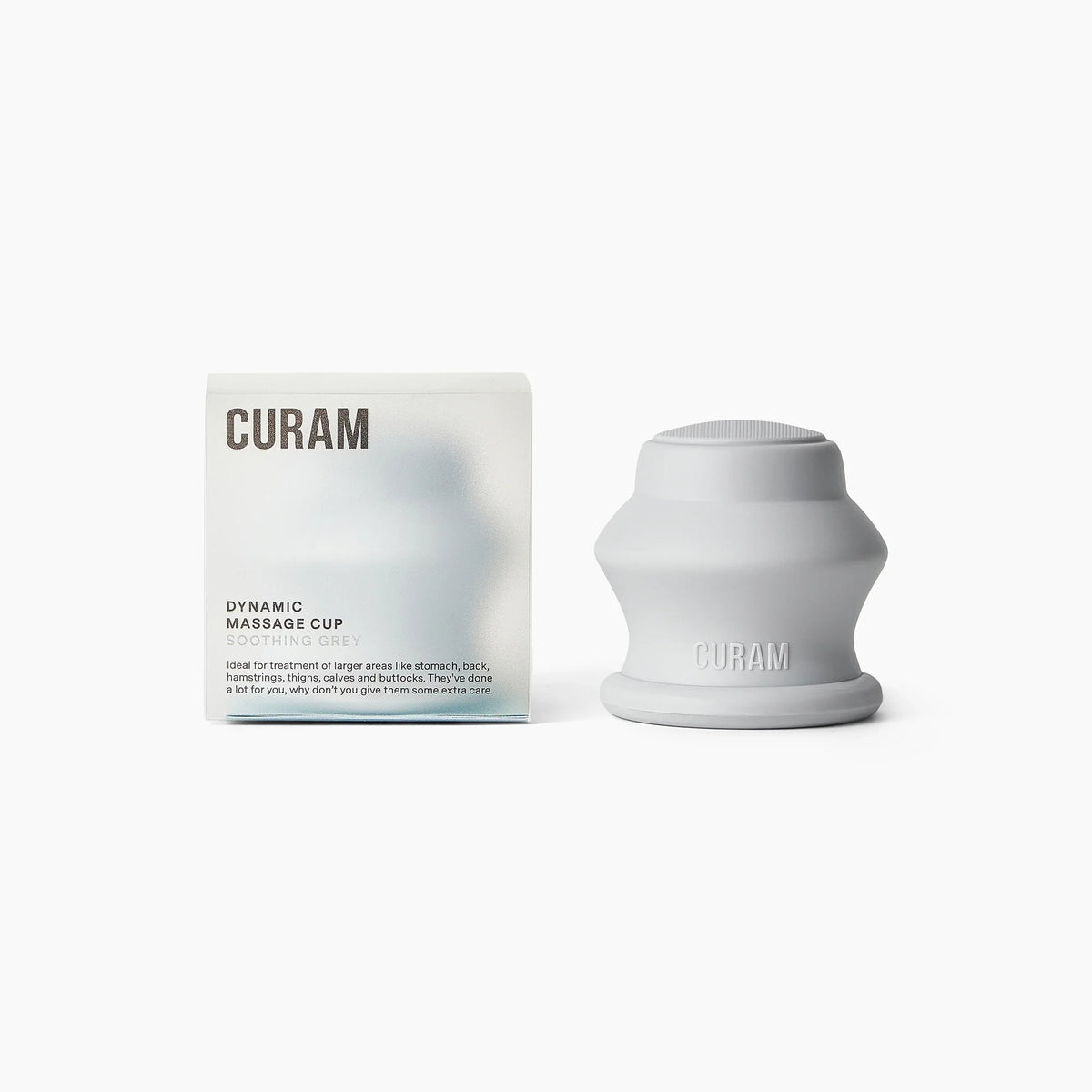
Massage is a collective name for influencing muscles, connective tissue, skin and the nervous system with pressure, pulling, stroking and lifting, with hands or tools. The different types differ in how hard, in which direction and with what purpose: classic massage strokes and kneads muscles for relaxation and circulation, deep tissue and sports massage work harder and more specifically on tight and overloaded muscles, lymphatic massage is very light and follows the lymph flow, connective tissue massage pulls the skin to affect fascia and reflexes, and cupping massage lifts the tissue with negative pressure instead of pressing. Research shows that massage reduces pain, muscle tension, stress and anxiety in the short term and improves sleep and perceived recovery, but that the effect on long-term complaints requires combining massage with movement and exercise. Most of it can be done yourself at home with hands, a ball and a pair of cups. Here are the types, the effects, when massage is not suitable, and how to massage yourself.
The types of massage and what they suit
| Type | How | Suits |
|---|---|---|
| Classic (Swedish) massage | Strokes, kneading, pressure and vibration with oil, moderate pressure, towards the heart | Relaxation, general muscle tension, circulation, stress, sleep; the most common form in salons and with masseurs |
| Deep tissue massage | Slow, deep pressure with forearms, elbows and thumbs into tight muscle layers | Long-standing tension in the neck, shoulders, back and glutes; can give tenderness for a day afterwards |
| Sports massage | Specific, often firm, with stretches and cross-friction on overloaded muscles and tendon attachments | Recovery after hard training, preventing and treating overload, before competition light and quick |
| Lymphatic massage (manual lymphatic drainage) | Very light, slow, pumping strokes that follow the lymph flow towards the lymph nodes | Swelling, fluid retention, after surgery, tired legs, a puffy face. See what is lymphatic massage |
| Connective tissue massage | Pulling the skin and subcutaneous tissue with the fingers without oil, often in set zones on the back | Fascia, circulation, reflex influence on organs according to tradition; the evidence is limited. See connective tissue massage |
| Trigger point treatment | Still pressure for 30–90 seconds on tender points in the muscle | "Knots" in the neck, shoulders, glutes and calves; see massage ball or cupping |
| Cupping massage | Negative pressure that lifts skin, fascia and muscle; dynamic (gliding with oil) or static (cups left in place) | Muscle tension, stiffness, soreness, fascia, circulation, lymph flow, relaxation with breathing. See cupping massage |
| Thai massage, shiatsu, reflexology | Pressure along lines and points, stretches, usually with clothes on; reflexology on the feet | Mobility, relaxation; effects beyond relaxation have weak evidence |
| Facial massage and gua sha | Light strokes upwards and outwards with fingers, a stone or a face cup | Swelling, radiance, tight jaws; see facial massage at home |
What massage does, according to research
Massage increases blood flow in the skin and muscle, lowers muscle tension and activates the parasympathetic nervous system so pulse, blood pressure and stress hormones fall; see the guide to the vagus nerve. Systematic reviews show moderate pain relief for lower back and neck pain in the short term, reduced anxiety and better sleep, reduced muscle soreness and perceived fatigue after hard training, and reduced pain and better grip in rheumatoid arthritis. Effects on performance, "waste products", "lactic acid" and weight loss have no evidence, and long-term complaints only improve if massage is combined with movement and exercise. Massage is, in other words, an excellent tool for relieving, relaxing and getting started, not a treatment that replaces active measures. The research on cupping is summarised in Cupping in numbers.
When massage is not suitable
Do not massage over fever, infection, wounds, eczema, rashes or fresh bruises; not on a swollen, hot, tender calf or a leg with a suspected blood clot; not on swollen, hot joints in a rheumatic flare; not over varicose veins, tumours, hernias or areas with reduced sensation; not on the belly, lower back and pelvis during pregnancy without consulting your midwife; and be careful with blood-thinning treatment, osteoporosis, cortisone-thinned skin and recent surgery or radiotherapy. Massage should never hurt in a way that makes you tense up; "hurts in a good way" is the limit. The summary for cupping is in when to avoid cupping.
How to massage yourself at home
Most of classic massage can be done yourself, and the combination of hands, a ball and cups covers almost all areas. Ground rules: oil on the skin, stroke towards the heart, start light and increase, breathe calmly, and stop if it hurts. Ten minutes a day gives more than an hour a month.
- Neck and shoulders (hands and mini cup). Knead the upper trapezius with the opposite hand, 1 minute per side; stroke from the base of the skull out towards the shoulders. The mini cup with oil in the same direction, 2 minutes. See stiff neck.
- Lower back (cups). Hands reach poorly; static cups a hand's width out from the spine for 3–5 minutes during calm breathing, or the dynamic cup in long strokes. See Cupping on the back.
- Glutes (ball and cup). Sit on a ball against tender points for 60 seconds, then cup the whole glute with the dynamic cup, 2 minutes.
- Thighs and calves (hands and cup). Knead with both hands from the knee upwards, stroke towards the heart; the cup in long strokes, 2 minutes per muscle group. See leg pain.
- Feet (hands, ball, mini cup). Thumbs in circles under the arch, roll the sole over a ball, the mini cup from heel towards toes, 2 minutes per foot. See foot pain.
- Forearms and hands. Thumb in long strokes from wrist towards elbow, the mini cup in the same direction, 1 minute per side; massage the palm with the other hand's thumb.
- Abdomen (hands or cup, light). Clockwise circles with a flat hand or a very light cup, 5 minutes, for sluggish bowels; see sluggish bowels.
- Face. Strokes upwards and outwards with fingers or a face cup and face oil, 5 minutes; see face cupping.
- Relaxation. Finish with static cups on the chest and ten long exhales, or legs up the wall for five minutes.
Which oil suits is in the guide to massage oil, and the full cupping technique in Cupping at home. If you want to massage a partner: the same principles, light pressure first, keep asking, and avoid the spine, backs of the knees, armpits, groin and the front of the throat.
Massage with a practitioner: what to choose
Choose classic massage for relaxation and general tension, sports or deep tissue massage for specific overloads (and say if the pressure is too hard), manual lymphatic drainage with a trained lymphatic therapist for swelling and after surgery, and cupping treatment with a masseur or therapist trained in the method, see the guide to choosing a practitioner. Titles such as "masseur" and "massage therapist" are not protected in Sweden, so ask about training (for example a certified masseur via the Swedish massage industry council, or a licensed physiotherapist or naprapath). One treatment a month plus daily self-massage gives more than one treatment a week without self-care.
Frequently asked questions
What types of massage are there?
The most common are classic (Swedish) massage, deep tissue massage, sports massage, lymphatic massage, connective tissue massage, trigger point treatment, cupping massage, Thai massage, shiatsu, reflexology and facial massage. They differ in pressure, direction and purpose: classic for relaxation, deep tissue and sports for tight muscles, lymphatic for swelling, cupping for lifting fascia and muscle.
What is massage good for?
According to research: reduced lower back and neck pain in the short term, reduced muscle tension, less stress and anxiety, better sleep, less muscle soreness and better perceived recovery. Long-term complaints require combining massage with movement and exercise.
How often should you massage?
Self-massage for ten minutes a day or every other day on the areas that are tight; treatment with a masseur every two to four weeks as needed. After hard training the same day or the day after. Daily light self-massage gives more than a long treatment rarely.
What is the difference between massage and cupping?
Massage presses and kneads the tissue inwards, cupping lifts it outwards with negative pressure. Both increase circulation and reduce tension; cupping reaches the fascia between the layers and is easy to do yourself on the back, thighs and calves where the hands do not reach. Many combine: hands and ball on points, cups on surfaces.
Can you massage yourself?
Yes, neck, shoulders, arms, thighs, calves, feet, abdomen and face with the hands; glutes and feet with a ball; back, thighs and calves with cups. Oil, direction towards the heart, light pressure first and ten minutes a day are what give results.
Sources
- 1177 Vårdguiden (Swedish national health guide), search for "massage" and "muskelvärk" for general information and when massage is not suitable.
- Research overview on cupping in Cupping in numbers; Curam's FAQ and cupping programs, developed with trained massage therapists.
Written by Curam. Last updated 17 October 2026. This is general self-care information and does not replace medical care. For sudden, severe or unusual symptoms, contact your doctor. Talk to your doctor before cupping if you are pregnant, take blood thinners or have a condition affecting skin, blood vessels or blood.


